Amir Mahmud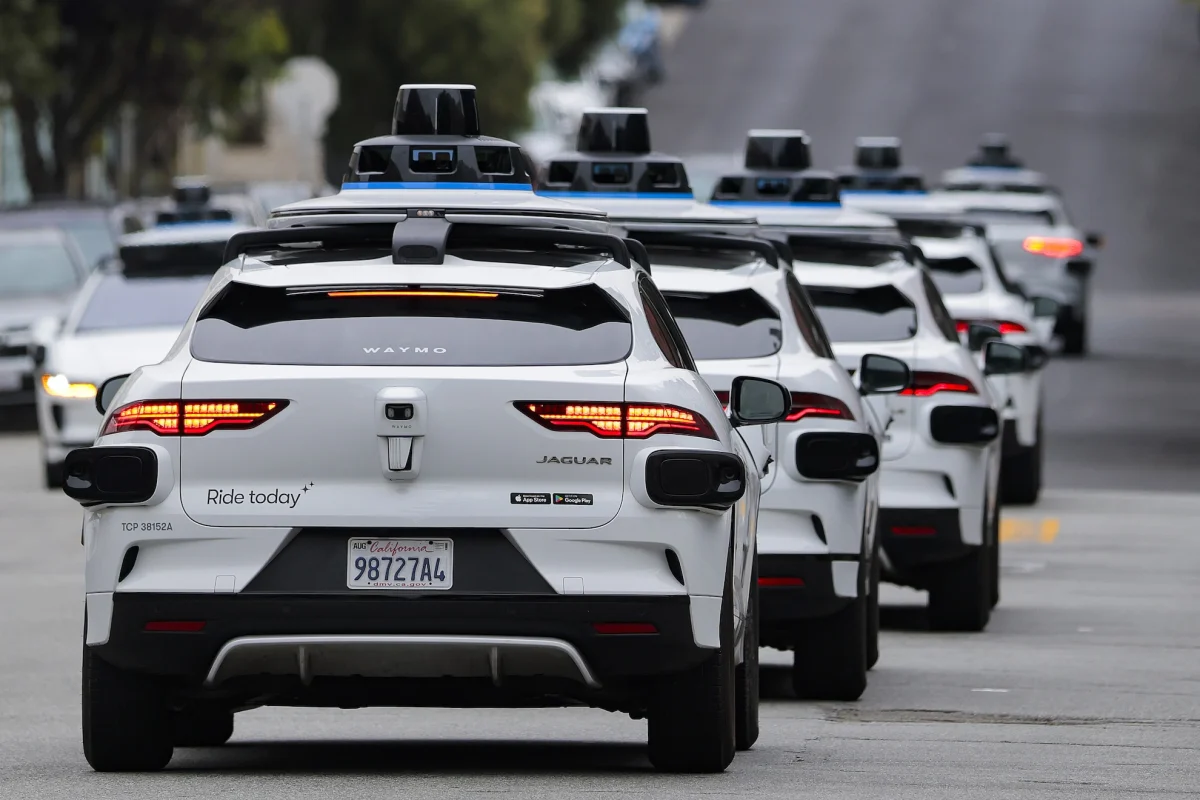
The burgeoning autonomous vehicle (AV) industry finds itself at a pivotal juncture, marked by the dissolution of key strategic partnerships, intensified regulatory oversight, and a dynamic capital landscape. Recent developments underscore the complex interplay between technological advancement, market competition, and the imperative for public safety as self-driving cars transition from experimental fleets to mainstream urban integration.
The Shifting Sands of Robotaxi Alliances
The recent quiet termination of the Uber-Waymo partnership in Phoenix signals a significant realignment within the autonomous ride-hailing sector. This particular collaboration, which saw Waymo’s self-driving vehicles integrated into Uber’s ride-sharing network, was one of several such arrangements aimed at accelerating the deployment of robotaxi services. With remaining partnerships in Atlanta and Austin also under scrutiny, the prevailing question is not if, but when these agreements will fully unravel.
The origins of the relationship between Waymo, Google’s self-driving car project, and Uber are rooted in a complex history, notably a high-profile intellectual property lawsuit in 2017. Waymo accused Uber of stealing trade secrets related to LiDAR technology, a dispute that ultimately settled, but left a lasting competitive tension. Despite this contentious past, the companies later forged operational alliances, acknowledging the mutual benefits of leveraging Waymo’s advanced autonomous driving technology and Uber’s extensive ride-hailing infrastructure and customer base. These partnerships represented a pragmatic approach to market entry, allowing Waymo to expand its operational footprint and Uber to offer cutting-edge services without the immense upfront investment in developing its own Level 4 autonomous driving stack.
However, as both entities mature in their respective strategies, the impetus for such collaborations diminishes. Uber has its own autonomous driving ambitions, albeit through different avenues, and Waymo continues to scale its operations independently. The dissolution of these alliances is not merely a logistical separation but a clear indication of an escalating competitive landscape. Industry observers anticipate that the subtle rivalries that characterized the partnership era will soon give way to more direct confrontation, particularly in policy arenas as companies vie for operational permits and market access in new cities. This intensified competition is expected to drive innovation, but also potentially create regulatory challenges as companies lobby for favorable conditions, further complicating the patchwork of local and federal autonomous vehicle regulations.
Federal Regulators Demand Accountability from AV Developers
In a stern message that reverberated across the autonomous vehicle industry, Jonathan Morrison, the administrator of the National Highway Traffic Safety Administration (NHTSA), issued a decisive directive to AV developers. Morrison explicitly stated that the inability of self-driving vehicles to detect and appropriately respond to the presence of first responders or law enforcement is fundamentally unacceptable. His pointed remarks, delivered to all AV developers listed in the Department of Transportation’s Standing General Order, underscored a growing federal concern regarding the operational safety and societal integration of robotaxis.
Morrison’s statement that "Emergency scenes are not rare or extreme ‘edge cases’" directly challenges a common industry defense mechanism, which often categorizes unusual or difficult scenarios as infrequent occurrences that are hard to program for. This declaration signifies a shift in regulatory perspective, asserting that AV systems must be robust enough to handle the full spectrum of real-world driving conditions, including complex interactions with emergency personnel and their vehicles. The implications are profound, demanding that developers reallocate resources to prioritize solutions for these critical scenarios, rather than treating them as secondary considerations.
While NHTSA’s directive did not name specific companies, its timing and phrasing appeared to align with recent operational challenges faced by Waymo, a prominent player with extensive deployments in cities like Los Angeles, Phoenix, and San Francisco. A previous investigation by TechCrunch had highlighted repeated incidents involving Waymo vehicles and emergency responders, raising questions about the systems’ ability to reliably navigate dynamic emergency situations. More recently, San Francisco Supervisor Bilal Mahmood announced plans for an inquiry into the impact of autonomous vehicles on public transit and emergency services following a massive gridlock event after a Fourth of July fireworks show. Local reports detailed numerous Waymo robotaxis becoming stranded and requiring towing after their batteries depleted during the prolonged traffic jam, exemplifying the practical operational hurdles that autonomous fleets still face in complex urban environments.
The gravitas of Morrison’s letter suggests a potential turning point for AV regulation. While immediate substantive consequences remain unclear, NHTSA’s demand for companies to present "solutions" by the end of the month signals a heightened expectation for demonstrable safety improvements. This regulatory pressure is likely to accelerate the development of more sophisticated perception and response systems, potentially influencing design choices and deployment timelines across the industry. The public’s trust in autonomous technology hinges significantly on its proven ability to operate safely and predictably, especially in critical situations involving public safety.
Modernizing Motor Vehicle Safety Standards for the Autonomous Era
Beyond the immediate concerns surrounding emergency response, the federal government is actively engaged in a broader overhaul of regulatory frameworks to accommodate the radical innovations introduced by autonomous vehicles. The recently updated 2026 Regulatory Plan and Unified Agenda from the Department of Transportation outlines a comprehensive list of proposed changes to Federal Motor Vehicle Safety Standards (FMVSS). These standards, which have historically governed the design and equipment requirements for human-driven vehicles for decades, are now being reevaluated to create a pathway for vehicles that fundamentally diverge from traditional automotive paradigms.
The current FMVSS were conceived in an era where a human driver with a steering wheel, pedals, and mirrors was a universal constant. The advent of fully autonomous vehicles, such as those envisioned by Tesla for its robotaxi fleet or developed by Zoox (an Amazon subsidiary) with custom-built vehicles lacking traditional controls, presents a unique challenge to these established norms. The proposed changes aim to address the absence of human-centric controls, considering how safety features, crashworthiness, and operational protocols should be defined for vehicles designed to operate without human intervention. This includes revisiting requirements for everything from interior layouts and occupant protection to external lighting and communication systems.
This regulatory evolution is crucial for the widespread adoption of Level 4 and Level 5 autonomous vehicles, which are designed to handle all driving tasks under specific conditions or all conditions, respectively. Without updated FMVSS, companies developing these advanced vehicles face significant hurdles in manufacturing and deploying them at scale. The process of revising these standards involves extensive research, public comment periods, and a delicate balancing act between fostering innovation and ensuring the highest levels of safety. The outcome will not only dictate the technical specifications of future autonomous vehicles but also shape the competitive landscape, potentially favoring companies that can adapt quickly to new regulatory environments while maintaining robust safety records. This shift marks a fundamental redefinition of what constitutes a "vehicle" in the eyes of the law, moving towards a system that accounts for the capabilities and limitations of artificial intelligence as the primary operator.
The Capital Currents in Electric and Autonomous Mobility
The financial pulse of the mobility sector continues to beat strongly, particularly within the electric vehicle (EV) and innovative transportation segments. Rivian, the electric truck and SUV manufacturer, recently announced a significant capital raise of $1.32 billion through the sale of Class A common shares. This substantial infusion of funds arrives at a critical juncture for the company, which recently began deliveries of its new R2 SUV and raised its sales forecast for the year.
Scaling EV production is an extraordinarily capital-intensive endeavor, requiring massive investments in manufacturing facilities, supply chains, and research and development. Despite increasing its sales forecast, Rivian, like many emerging EV manufacturers, is not yet profitable. This capital raise underscores the ongoing need for substantial funding to support its growth trajectory, expand its product portfolio, and compete effectively with established automotive giants and other EV startups. The broader EV market, while experiencing rapid growth, is also characterized by intense competition and fluctuating consumer demand, making consistent access to capital a crucial determinant of long-term success. Investor confidence, as reflected in this raise, indicates a belief in Rivian’s strategy and market position, even amidst the inherent financial challenges of scaling an innovative auto manufacturer.
Beyond Rivian, several other deals highlight the diverse investment landscape in mobility:
- Bidbus, a Los Angeles-based startup, secured $15 million in Series A funding. Its digital marketplace, which allows multiple dealerships to bid on used cars, represents a disruptive approach to the traditional automotive retail model, aiming to streamline transactions and improve price transparency for consumers. This investment reflects the ongoing digitalization of the used car market, driven by consumer demand for more convenient and efficient buying and selling experiences.
- Lyft announced its intention to acquire Serveo’s bike-share business in Spain, signaling the ride-hailing giant’s continued strategic diversification into micromobility solutions. This move aligns with a broader trend among transportation network companies to offer a multimodal suite of services, addressing varied urban travel needs and expanding their global footprint in sustainable, shared transportation.
- TaiSan, a U.K. battery startup, raised £4.65 million in seed funding for its sodium-ion battery technology. This investment underscores the growing global interest in alternatives to lithium-ion batteries, driven by concerns over lithium supply chain stability, environmental impact, and cost. Sodium-ion technology offers promising potential for grid-scale energy storage and certain EV applications, positioning companies like TaiSan at the forefront of the next generation of battery innovation.
Emerging Trends and Industry Insights
The broader mobility ecosystem continues to generate a diverse array of news, reflecting the industry’s rapid evolution and its impact on society:
- Data Security Concerns: AssuranceAmerica, a U.S. insurance provider, confirmed a data breach affecting 6.9 million people’s personal information and driver’s license numbers. This incident, one of the largest of its kind this year, highlights the escalating cybersecurity risks within the automotive and financial sectors, underscoring the critical need for robust data protection measures to safeguard sensitive consumer information.
- Advanced Air Mobility Progress: Beta Technologies, an electric vertical takeoff and landing (eVTOL) developer, successfully completed operational flights under the U.S. Department of Transportation and Federal Aviation Administration’s (FAA) eVTOL Integration Pilot Program. These flights, covering significant distances, mark a crucial step toward the regulatory and operational integration of advanced air mobility (AAM) solutions into national airspace, paving the way for future urban air taxis and cargo drones.
- Investment Reflecting Public Sentiment: The introduction of new exchange-traded funds (ETFs) explicitly designed to exclude investments in companies associated with Elon Musk illustrates the increasing influence of public figures on market sentiment and investment strategies. This trend reflects a growing demand for investment vehicles that align with specific social or ethical viewpoints, even extending to the personalities leading major corporations.
- EV Adoption Challenges: General Motors’ Chevrolet brand has developed an all-American EV truck, yet faces challenges in achieving widespread consumer adoption. This situation points to broader hurdles in the EV market, including consumer perceptions of cost, range anxiety, charging infrastructure availability, and fierce competition from both traditional automakers and new entrants. It highlights that even with compelling products, market penetration for EVs remains a complex endeavor.
- Drone Delivery Expansion: Manna Aero, an Ireland-based autonomous drone delivery startup, is embarking on a significant expansion into the United States, establishing a factory and operations center in Tulsa, Oklahoma, with plans to create 1,000 jobs. This move signifies the accelerating commercialization of drone delivery services, which promise to revolutionize last-mile logistics and offer rapid, efficient delivery options for a variety of goods.
- Automotive Customization: Slate Auto has partnered with Crayola to offer vehicle wraps in five iconic crayon colors for its EV truck and SUV customers. This collaboration highlights a growing trend in the automotive industry towards personalized customization, allowing consumers to express individuality and tailor their vehicles beyond traditional paint options, particularly in the nascent EV market where unique aesthetics can differentiate brands.
The confluence of regulatory pressures, intense market competition, and rapid technological evolution defines the current landscape of mobility. As autonomous systems become more prevalent and electric vehicles reshape transportation, the industry continues to navigate a complex path forward, demanding both innovation and a steadfast commitment to safety and public trust.