Amir Mahmud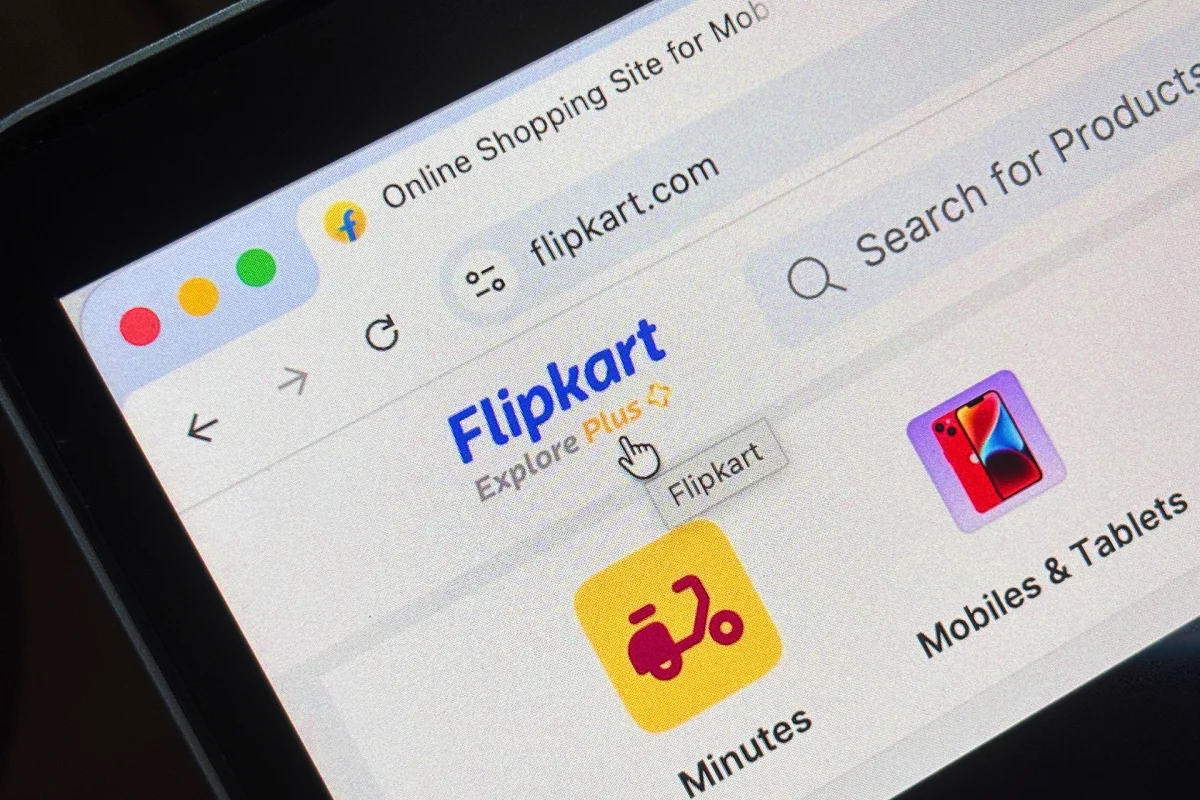
India’s burgeoning digital economy is witnessing an accelerated transformation as major e-commerce players, spearheaded by Walmart-backed Flipkart and global behemoth Amazon, intensify their quick-commerce initiatives. This high-stakes competition is fundamentally altering consumer expectations and logistical paradigms across the vast South Asian nation. Flipkart recently announced a significant milestone: its "Minutes" rapid delivery service has established a network of 1,000 micro-fulfillment centers (MFCs) in under two years since its inception. This expansive infrastructure, designed for lightning-fast deliveries, signals Flipkart’s aggressive intent in a market where Amazon is simultaneously ramping up its own expedited delivery operations.
The Rapid Ascent of Quick Commerce in India
The concept of quick commerce, or "q-commerce," revolves around delivering goods to customers within minutes, typically ranging from 10 to 60 minutes. This model has gained immense traction globally, but nowhere more fiercely than in India, which has emerged as one of the world’s fastest-growing markets for instant delivery services. The allure lies in fulfilling immediate consumer needs, from daily groceries and household essentials to unexpected purchases like electronics or beauty products, with unprecedented speed. This convenience taps into a societal shift towards instant gratification, driven by increasingly busy urban lifestyles and widespread digital literacy.
Historically, India’s retail landscape was dominated by traditional brick-and-mortar stores, particularly the ubiquitous "kirana" shops – small, family-run establishments deeply integrated into local communities. The advent of e-commerce platforms like Flipkart and Amazon over the past decade gradually introduced online shopping as a viable alternative, initially focusing on electronics, apparel, and books, with delivery times spanning days. The pivot towards quick commerce represents a significant evolution, pushing the boundaries of logistical efficiency and customer service. It mirrors the global trend where consumers, empowered by smartphones and high-speed internet, demand not just convenience but immediacy.
The initial wave of quick commerce in India saw the rise of specialized startups and expansions from existing food delivery giants. Companies like Swiggy Instamart and Zomato-owned Blinkit (formerly Grofers) leveraged their existing rider networks and logistical expertise to enter the grocery quick-delivery space. Zepto, a well-funded startup, quickly carved out a niche with its promise of 10-minute deliveries. These early movers rapidly built out networks of "dark stores" – small warehouses or micro-fulfillment centers strategically located in high-density urban areas, invisible to the public but crucial for rapid dispatch. Their success validated the market demand and attracted the attention of larger e-commerce players.
Flipkart’s Strategic Network Expansion
Flipkart’s achievement of 1,000 micro-fulfillment centers for its Minutes service underscores a calculated and aggressive strategy. These compact, localized warehouses are the backbone of quick commerce, enabling inventory to be stored close to customers, drastically cutting down delivery times. The company’s ambitious plan to further expand this network to 1,500 MFCs by the close of 2026 demonstrates a clear commitment to cementing its position in this hyper-competitive sector. This rapid infrastructure build-out is critical for maintaining an edge against a growing roster of rivals.
The investment required for such an expansion is substantial, encompassing real estate, inventory management systems, last-mile delivery infrastructure, and a robust workforce. For Flipkart, a company with deep pockets thanks to its majority owner Walmart, this investment is a strategic imperative to capture a larger share of India’s vast consumer market. As per a recent analysis by Jefferies, based on current store counts and announced expansion trajectories, Flipkart is poised to become India’s second-largest quick-commerce network by MFC count, trailing only Blinkit, which currently operates an impressive 2,243 centers. The race for network density is, in essence, a race for market share and customer loyalty.
Kunal Gupta, head of Flipkart Minutes, highlighted the transformative nature of this service, noting that what began as a means to fulfill everyday essentials has evolved into a fundamentally new shopping habit for millions. He reported a remarkable 400% growth in orders year-over-year for the platform, coupled with a 20% increase in customer retention, although these figures are provided by the company and are not independently verified. These metrics, if accurate, point to a strong positive reception from consumers and a successful integration of quick commerce into their daily routines.
Amazon’s Aggressive Counter-Move
Not to be outdone, global e-commerce giant Amazon is also making significant strides in India’s quick-commerce arena with its "Amazon Now" service. The company is accelerating the rollout of its fast-delivery offering, which is currently operational in more than 15 cities and utilizes over 500 micro-fulfillment centers. Amazon’s expansion plans are equally ambitious, targeting a footprint of 100 cities with more than 1,000 MFCs. Crucially, Amazon is also broadening its product assortment beyond traditional groceries, venturing into categories such as apparel, electronics, and home products, signaling a comprehensive quick-commerce strategy designed to rival Flipkart and other local players across multiple fronts.
Amazon’s strategic push aligns with its global approach of leveraging its vast logistical network and technological prowess to dominate markets. For Amazon, quick commerce is not just about delivering goods faster; it’s about increasing customer engagement, driving higher purchase frequency, and solidifying its Prime membership base. The company has observed that everyday essentials now account for one in every two units shipped on Amazon.in, with Amazon Now directly contributing to increased shopping frequency among its customer base. This indicates that quick commerce acts as a powerful enhancer to its core e-commerce business, rather than a standalone venture.
Beyond Groceries: A Shifting Consumer Landscape
A significant trend emerging from this quick-commerce boom is the diversification of product categories. Initially, quick commerce was largely synonymous with grocery delivery, fulfilling urgent needs for perishable goods and household staples. However, as the infrastructure matures and consumer trust grows, demand is increasingly shifting towards a wider array of products. Flipkart Minutes, for instance, is seeing a surge in orders for electronics, beauty products, and personal care items. This evolution suggests that quick commerce is transcending its initial niche to become a versatile platform for almost any immediate shopping need.
This shift reflects a growing consumer comfort with the speed and reliability of these services. When a customer can receive a new charger, a cosmetic item, or even a small electronic gadget within minutes, it opens up entirely new purchasing behaviors. Flipkart’s data indicates that average order values for fresh produce like fruits and vegetables have risen 30% year-over-year, further demonstrating the deepening integration of quick commerce into daily life. This expansion beyond traditional grocery items is vital for the long-term profitability of quick-commerce models, which often operate on thin margins for staple goods. By including higher-value items, companies can improve their overall unit economics.
The Tier-2 and Tier-3 City Frontier
While the initial focus of quick commerce was heavily concentrated in India’s largest metropolitan areas, both Flipkart and Amazon are now strategically targeting growth in smaller cities and towns, often referred to as Tier-2 and Tier-3 cities. This geographical expansion is a critical differentiator and a huge opportunity. Flipkart reported an astounding over 4,000% growth from a year earlier in these markets, aided by expansion into 90 new cities. Kunal Gupta highlighted cities like Patna, Guwahati, Siliguri, and Lucknow as examples where new stores are ramping up faster than anticipated, with Lucknow emerging as one of Flipkart Minutes’ best-performing markets despite incomplete city coverage.
Amazon echoes this trend, noting that a substantial 70% of its new Prime members originate from smaller markets. The company remains on track to double its Prime membership base from 2023 levels by the end of the year, a target heavily reliant on penetration into these untapped regions. The appeal of quick commerce in smaller cities is multi-faceted: it offers convenience previously unavailable, bridges gaps in local retail infrastructure, and caters to a rapidly digitizing population with increasing disposable incomes. This expansion into new geographies is not merely about reaching more customers; it’s about democratizing access to instant delivery services and fueling the next wave of e-commerce growth in India.
Economic Dynamics and Future Outlook
The fierce competition in India’s quick-commerce sector highlights the country’s unique position as a testing ground for the future of retail. The economics of quick commerce, however, present significant challenges. Operating high-density networks of micro-fulfillment centers, maintaining a large fleet of delivery personnel, and managing complex logistics at speed all contribute to high operational costs. Profitability remains a key concern for many players in the space, often requiring substantial venture capital funding to sustain operations during expansion phases. The ability to achieve scale, optimize supply chains, and diversify product offerings into higher-margin categories will be crucial for long-term viability.
Industry analysts forecast a continued boom in quick-commerce infrastructure. Bernstein estimates that India already boasts over 5,500 dark stores, a number projected to surge to approximately 7,500 by 2030. This growth will be driven by companies pushing further into smaller cities and continually widening their product assortments. The convergence of instant delivery with traditional e-commerce platforms is also a defining trend, as companies like Flipkart and Amazon integrate these services to create a holistic shopping experience. Customers are increasingly using quick-commerce services alongside, rather than as a replacement for, their main e-commerce platforms, driving more frequent purchases and expanding into categories like fresh produce and daily essentials.
Looking ahead, the quick-commerce landscape in India is likely to see further consolidation, technological innovation, and a relentless focus on efficiency. Automation within MFCs, advanced predictive analytics for inventory management, and electric vehicle fleets for sustainable last-mile delivery are all areas of active development. For giants like Flipkart and Amazon, quick commerce is not just a service; it’s a strategic imperative to build customer loyalty, gather invaluable data on consumer behavior, and ultimately secure enduring market dominance in one of the world’s most dynamic digital economies. As Kunal Gupta of Flipkart succinctly puts it, "We will continue to expand rapidly, will not slow down after 1,000 stores as well, and we are going all in." This sentiment encapsulates the aggressive, high-stakes nature of India’s instant retail revolution.