Amir Mahmud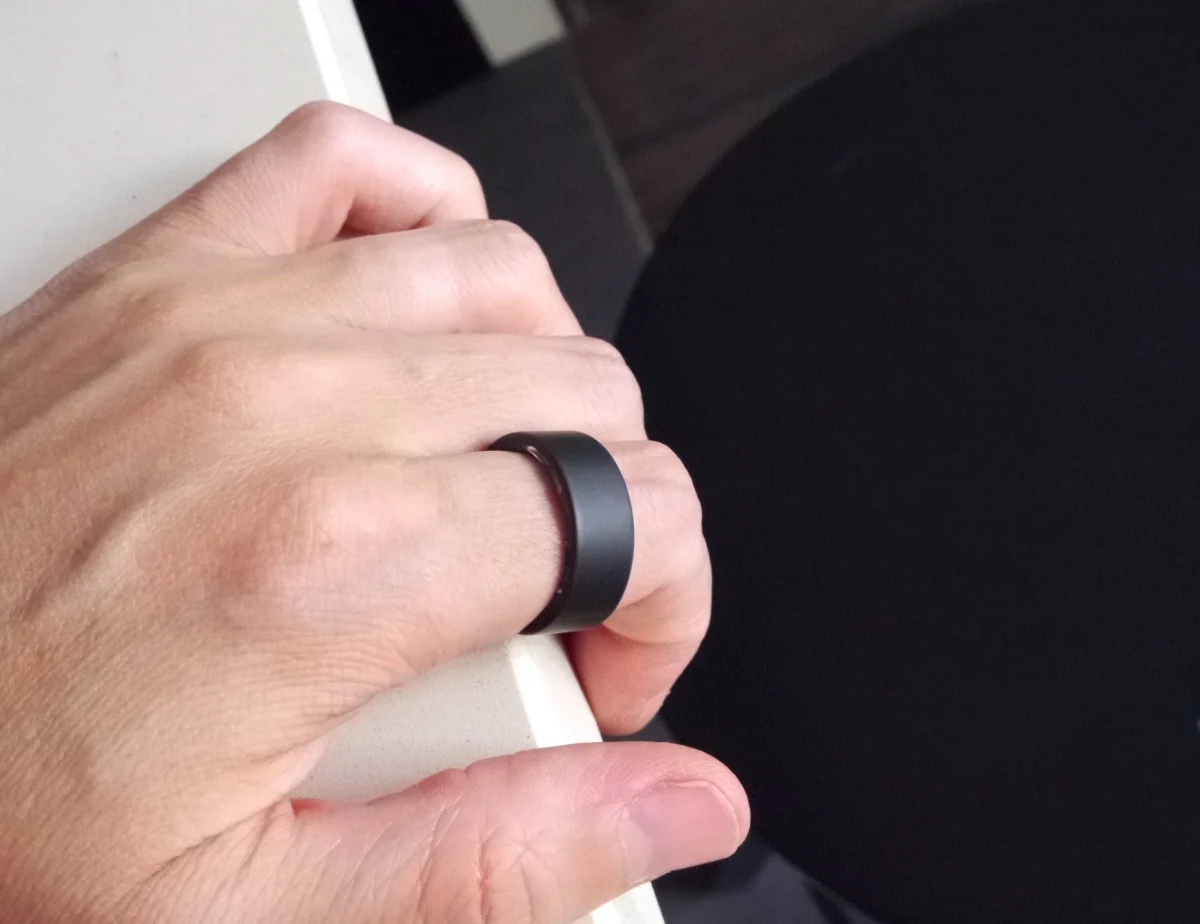
A significant cybersecurity incident has cast a shadow over Ultrahuman, an India-based startup at the forefront of the wearable health technology sector, after hackers gained unauthorized access to customer wellness data. The breach, which the company attributes to stolen employee credentials obtained through malware, underscores the escalating vulnerabilities inherent in the rapidly expanding digital health ecosystem and raises critical questions about data privacy for millions of users entrusting their most intimate health metrics to connected devices.
The incident, which occurred on March 27, saw malicious actors compromise an internal analytics system. Ultrahuman promptly detected the intrusion, subsequently taking the affected system offline and revoking all compromised access points. While the company moved swiftly to contain the breach, the event highlights a persistent challenge for startups and established technology firms alike: the intricate balance between leveraging data for innovation and ensuring its impregnable security.
The Incident Unfolds
On Wednesday, Ultrahuman began notifying affected customers via email, detailing the scope of the breach. According to the company, the attackers leveraged credentials pilfered from an employee’s laptop, which had been compromised by malware. This unauthorized access led to the exposure of wellness data belonging to approximately 0.1% of its user base. Given Ultrahuman’s reported figure of roughly 700,000 monthly active users, this translates to at least 700 individuals whose personal health information was accessed. The company, however, has refrained from disclosing the precise number of affected customers.
Crucially, Ultrahuman has stated that no user passwords, payment information, production systems, or the Ultrahuman Ring devices themselves were compromised during the incident. Mohit Kumar, CEO of Ultrahuman, affirmed the company’s rapid response, noting that "Our security alerting systems detected the incident within hours, and we closed the vulnerability swiftly." Kumar also indicated that regulators were being informed and that the delay in notifying affected users was due to the necessary auditing process to fully ascertain the incident’s scope and the specific data impacted.
Despite these assurances, a notable area of concern remains the company’s reticence to precisely define what constitutes "wellness data" in this context. While Ultrahuman’s FAQ published on its website confirmed that the threat actor obtained "read-only" access to the compromised system, the company has not confirmed whether its investigation has determined if any customer data was actually exfiltrated. This distinction is vital for affected users, as read-only access implies potential viewing without necessarily meaning data was copied or stolen, though the risk of exfiltration remains significant. The lack of clarity around this specific point can exacerbate user anxiety and uncertainty.
Ultrahuman’s Rise in the Wearable Market
Founded in 2019, Ultrahuman has rapidly ascended as a prominent player in the competitive wearable health technology space. The Bangalore, India-based startup specializes in smart rings and metabolic health-tracking devices designed to offer users granular insights into various physiological metrics. These include crucial data points such as sleep patterns, daily activity levels, recovery status, and even continuous glucose monitoring (CGM) through some of its offerings. Its flagship product, the Ring Air, directly competes with market leaders like the Oura Ring, a well-established name in the smart ring segment. More recently, Ultrahuman expanded its product line with the introduction of the Ring Pro, featuring upgraded sensors and enhanced battery life, signaling its ambition for continued innovation and market penetration.
The company’s rapid growth has been fueled by substantial investor confidence, having successfully raised approximately $103 million to date from notable firms such as Nexus Venture Partners, Steadview Capital, and Blume Ventures. This financial backing underscores the immense potential perceived in the digital health and wearable technology market, a sector that has witnessed explosive growth over the past decade. Consumers are increasingly embracing these devices, driven by a desire for self-optimization, preventative health management, and a deeper understanding of their bodily functions. This cultural shift towards data-driven wellness has made companies like Ultrahuman indispensable tools for many, but it also places a significant onus on them to protect the highly sensitive information they collect.
The Broader Landscape of Digital Health Security
The Ultrahuman breach is not an isolated incident but rather a stark reminder of the persistent and evolving cybersecurity threats facing the entire digital health ecosystem. The landscape of health data security has long been a complex and challenging one, with healthcare providers, insurance companies, and now, increasingly, wearable tech firms becoming prime targets for cybercriminals. Historical incidents involving major healthcare systems and fitness applications have repeatedly demonstrated the vulnerability of personal health information (PHI) to breaches.
Health data is considered exceptionally valuable on the dark web. Unlike financial data, which can be quickly changed after a breach, personal health information, including biometric data, medical histories, and lifestyle patterns, is immutable. This makes it highly sought after for various illicit activities, including identity theft, medical fraud, and even blackmail. A stolen medical record can fetch significantly more than a stolen credit card number, leading to sophisticated and persistent attacks by organized cybercrime syndicates and state-sponsored actors.
Regulatory frameworks worldwide have attempted to address these challenges. In the United States, the Health Insurance Portability and Accountability Act (HIPAA) sets stringent standards for protecting sensitive patient data. Similarly, the European Union’s General Data Protection Regulation (GDPR) imposes strict rules on how personal data, including health data, must be collected, processed, and stored, with severe penalties for non-compliance. While Ultrahuman is based in India, its global user base means it likely operates under the implicit or explicit expectations of such regulations, underscoring the universal need for robust data protection strategies regardless of geographic origin.
The incident also highlights the often-overlooked vector of insider threat or, in this case, the compromise of an internal employee’s system. While external attacks often dominate headlines, a significant percentage of data breaches originate from or are facilitated by compromised internal credentials, phishing attacks, or malware on employee devices. This emphasizes the critical importance of not only perimeter security but also robust internal security protocols, employee training, and multi-factor authentication for all access points, regardless of their perceived sensitivity.
Defining "Wellness Data" and Its Implications
One of the key ambiguities in Ultrahuman’s public communication pertains to the precise nature of the "wellness data" accessed. While the company stated that passwords and payment information were secure, the specific types of wellness metrics involved remain undisclosed. For users of smart rings and health trackers, "wellness data" can encompass a wide array of highly personal information: detailed sleep stages (REM, deep, light), heart rate variability, resting heart rate, activity levels, calorie expenditure, body temperature fluctuations, and even stress levels. For devices with metabolic tracking capabilities, this could extend to glucose readings and other biometric markers.
The implications of such data falling into the wrong hands are multifaceted. Beyond the immediate privacy violation, this information could potentially be used for targeted advertising, discriminatory practices by insurance companies, or even more nefarious purposes such as blackmail if sensitive health conditions are revealed. The "read-only" access claim, while potentially mitigating, does not eliminate the risk. Even viewing such data can provide malicious actors with a wealth of information to exploit. Without clear communication on what specific data points were accessed, affected users are left in a state of uncertainty, unable to fully assess their personal risk.
Impact on Trust and the Future of Wearable Tech
The Ultrahuman breach, much like similar incidents involving other digital health platforms, poses a significant threat to consumer trust. The very premise of wearable technology relies on users feeling comfortable sharing deeply personal, intimate health details with a third-party company. This trust is built on the assurance that such data will be protected with the utmost diligence. When that trust is compromised, even for a small percentage of users, it can have ripple effects across the entire industry. Consumers may become more hesitant to adopt new technologies, share extensive data, or even continue using existing services.
For Ultrahuman, rebuilding trust will be paramount. This involves not only transparent communication about the incident’s full scope, including a clearer definition of affected data and confirmation regarding exfiltration, but also demonstrating a reinforced commitment to cybersecurity. Investing in advanced security infrastructure, undergoing regular third-party audits, enhancing employee training, and potentially offering identity protection services to affected users are all steps that can contribute to restoring confidence.
Lessons for the Digital Health Ecosystem
The Ultrahuman incident serves as a critical lesson for the broader digital health ecosystem. As more aspects of our lives become digitized and interconnected, the volume and sensitivity of data collected by technology companies will only continue to grow. This necessitates a proactive and comprehensive approach to cybersecurity, treating data protection not merely as a technical requirement but as a fundamental pillar of business operations and ethical responsibility.
Companies in this sector must move beyond basic compliance and adopt a security-by-design philosophy, integrating robust safeguards at every stage of product development and data handling. This includes rigorous access controls, continuous monitoring for anomalous activity, encryption of data both in transit and at rest, and comprehensive incident response plans. Furthermore, the human element in cybersecurity cannot be overstated; employees are often the first line of defense, and their awareness and adherence to security protocols are crucial.
The promise of wearable health technology to empower individuals with actionable insights into their well-being is immense. However, this promise can only be fully realized if the industry can consistently demonstrate its unwavering commitment to safeguarding the highly personal information that underpins these innovations. The Ultrahuman breach is a poignant reminder that in the digital age, health data is not just a commodity; it is a profound trust that must be fiercely protected.