Amir Mahmud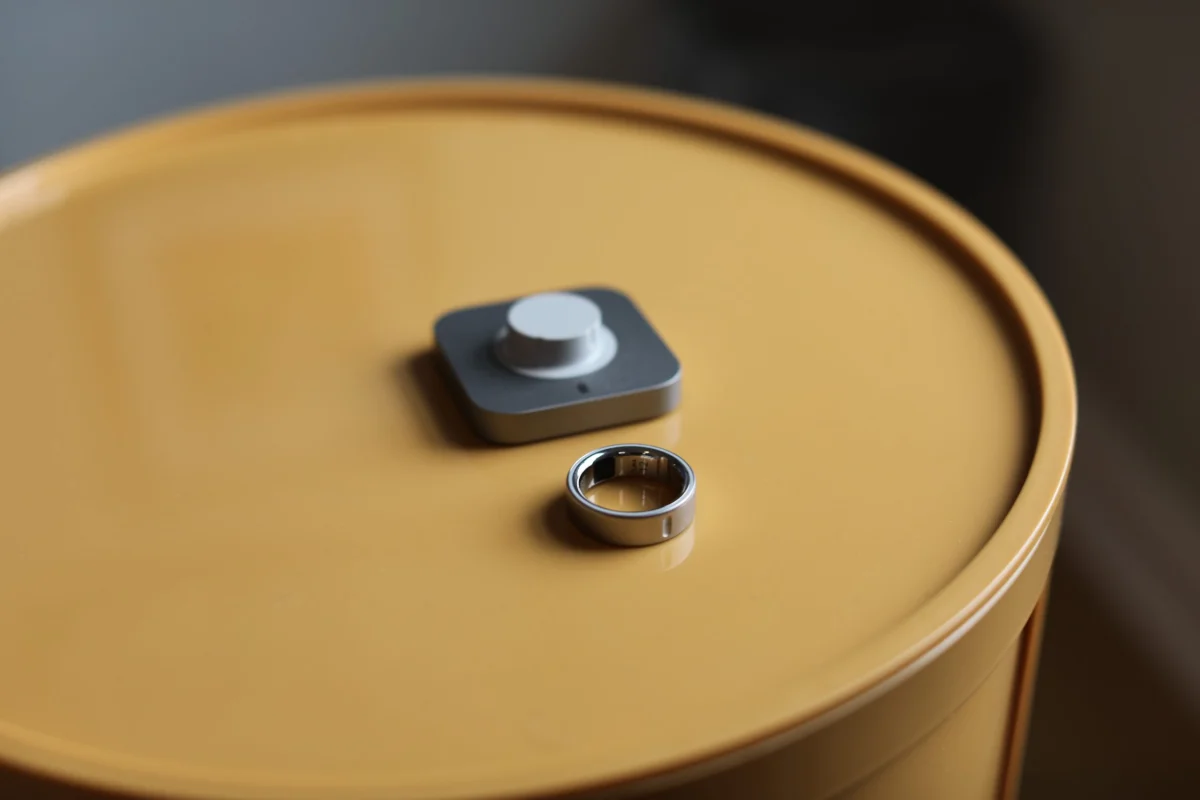
The Finnish smart ring manufacturer, Oura Health Oy, has initiated the formal process to become a publicly traded company, marking a significant milestone for the rapidly expanding wearable technology sector. On Thursday, the company announced its confidential submission of a Form S-1 draft registration statement to the U.S. Securities and Exchange Commission (SEC), signaling its intent for an initial public offering (IPO). This move positions Oura as a frontrunner in a niche but increasingly competitive market, challenging the dominance of traditional smartwatches and fitness bands with its unique, unobtrusive form factor.
The Genesis of a Wearable Revolution: Oura’s Journey
Founded in 2015, Oura embarked on a mission to redefine personal health tracking, moving beyond the wrist to a more integrated, less conspicuous device: the ring. The concept emerged from a desire to create a wearable that seamlessly blended into daily life, offering continuous health insights without the visual bulk or social implications of a smartwatch. Early iterations of the Oura Ring focused on sleep tracking, leveraging advanced sensors to monitor heart rate, heart rate variability, body temperature, and movement patterns during rest. This emphasis on sleep quality and recovery quickly differentiated Oura in a market saturated with activity trackers.
Over the years, Oura evolved its product, culminating in the third-generation Oura Ring. This iteration expanded its capabilities to include more comprehensive activity tracking, stress monitoring, and a proprietary "Readiness Score" that synthesizes various metrics to provide users with an overarching assessment of their physical and mental state. The company’s vision was to empower individuals with actionable data, enabling them to make informed decisions about their well-being, from optimizing workout routines to managing sleep schedules and recognizing early signs of illness or overtraining.
Distinguishing Features in a Crowded Market
The wearable technology landscape is fiercely competitive, dominated by tech giants like Apple with its Apple Watch, Samsung with its Galaxy Watch series, and dedicated fitness brands such as Garmin and Fitbit (now owned by Google). Oura carved out its market share by focusing on several key differentiators. Primarily, its discreet design appeals to consumers who prefer not to wear a watch or desire a more subtle health monitoring device. The ring form factor also offers a unique advantage for certain biometric measurements, particularly those related to blood flow and temperature, which can be accurately captured from the finger.
Furthermore, Oura’s subscription-based model, which unlocks the full suite of its advanced features and personalized insights, has created a recurring revenue stream, a business strategy increasingly favored by hardware companies seeking long-term engagement and value. This model allows the company to continuously invest in research and development, enhancing its algorithms and introducing new functionalities, such as advanced period prediction and illness detection, which leverage the rich dataset collected from millions of users.
Financial Trajectory and Market Confidence
Oura’s journey to an IPO has been underpinned by robust growth and significant investor confidence. The company’s sales figures illustrate a steep upward trajectory, with reported sales of 5.5 million rings by September 2025. This figure represents a substantial increase from the 2.5 million rings sold just a year prior, underscoring the accelerating adoption of its technology. Such rapid growth in unit sales is a strong indicator of market acceptance and brand appeal.
The financial community has also recognized Oura’s potential, as evidenced by its successful fundraising rounds. In September 2025, Oura secured a Series E funding round, raising an impressive $875 million and catapulting its valuation to $11 billion. This valuation more than doubled its previous assessment of $5 billion from a prior round in 2024. These figures highlight not only the company’s strong financial health but also the venture capital market’s belief in the long-term viability and expansion capabilities of the smart ring segment. The substantial capital raised has likely fueled Oura’s product development, marketing efforts, and global expansion, positioning it for its public market debut.
Innovating for Diverse Health Needs
A notable strategic move by Oura has been its increasing focus on specialized health applications. Recognizing the diverse needs within its growing user base, the company recently introduced a proprietary AI model specifically designed for women’s health. This initiative aims to provide more accurate and personalized insights related to menstrual cycles, fertility tracking, and overall hormonal balance, leveraging the body temperature and other biometric data continuously collected by the ring.
This targeted approach reflects a broader trend in the digital health sector towards hyper-personalization and catering to underserved demographic groups. By focusing on women’s health, Oura is not only expanding its utility but also strengthening its appeal to a significant and growing segment of the population. Data from the company has indicated a rising proportion of women among its customers, suggesting that this strategic pivot is well-aligned with market demand and offers a competitive edge in attracting and retaining users. The integration of advanced AI models promises to unlock deeper, more meaningful insights, moving beyond simple data aggregation to truly predictive and personalized health guidance.
Broader Implications for Wearable Technology
Oura’s IPO filing is more than just a corporate financial event; it carries significant implications for the broader wearable technology industry. It validates the smart ring as a distinct and viable product category, separate from smartwatches. For years, smartwatches have dominated the discourse around wearables, but Oura’s success demonstrates that consumers are seeking diverse form factors and specialized functionalities. This could encourage further innovation in alternative wearable designs, such as smart patches, earbuds with health sensors, or even smart apparel.
The increasing sophistication of biometric tracking and the integration of AI models also point to a future where wearables transition from mere data collectors to proactive health assistants. The ability to track subtle physiological changes, predict health events, and offer personalized recommendations moves these devices closer to becoming integral tools for preventative health and chronic disease management. However, this advancement also brings to the forefront critical discussions around data privacy, security, and the ethical use of highly sensitive personal health information. As Oura prepares to enter the public market, it will likely face increased scrutiny regarding its data handling practices and its commitment to user privacy, which are paramount in the health technology space.
The Road Ahead: Opportunities and Challenges
As Oura transitions from a privately held startup to a public entity, it will encounter a new set of opportunities and challenges. The IPO will provide a significant capital injection, enabling further expansion into new markets, accelerated research and development, and potential acquisitions. Public market visibility could also enhance its brand recognition and attract a broader customer base, including enterprise clients interested in corporate wellness programs.
However, becoming a public company also means navigating the demands of shareholders, facing increased regulatory oversight, and maintaining transparency in its financial reporting. Oura will need to demonstrate sustainable growth, profitability, and a clear competitive advantage in a market where tech giants possess immense resources for R&D and marketing. The continued innovation in smartwatches, which are constantly adding more health features, poses a direct threat. Furthermore, new entrants into the smart ring space, potentially including established tech players, could intensify competition. The ability to maintain its technological edge, cultivate a loyal community of users, and effectively communicate its value proposition will be crucial for Oura’s long-term success as a publicly traded company. Its focus on specialized AI, particularly in women’s health, could be a key differentiator, but continued diversification and expansion of its health insights will be vital to sustain its growth trajectory.
In conclusion, Oura’s decision to go public underscores a pivotal moment for both the company and the wearable technology industry. It represents the maturation of the smart ring category and highlights the growing consumer demand for innovative, discreet, and highly personalized health monitoring solutions. As Oura embarks on this new chapter, its performance in the public markets will undoubtedly serve as a bellwether for the future of specialized wearables and the broader digital health landscape.