Amir Mahmud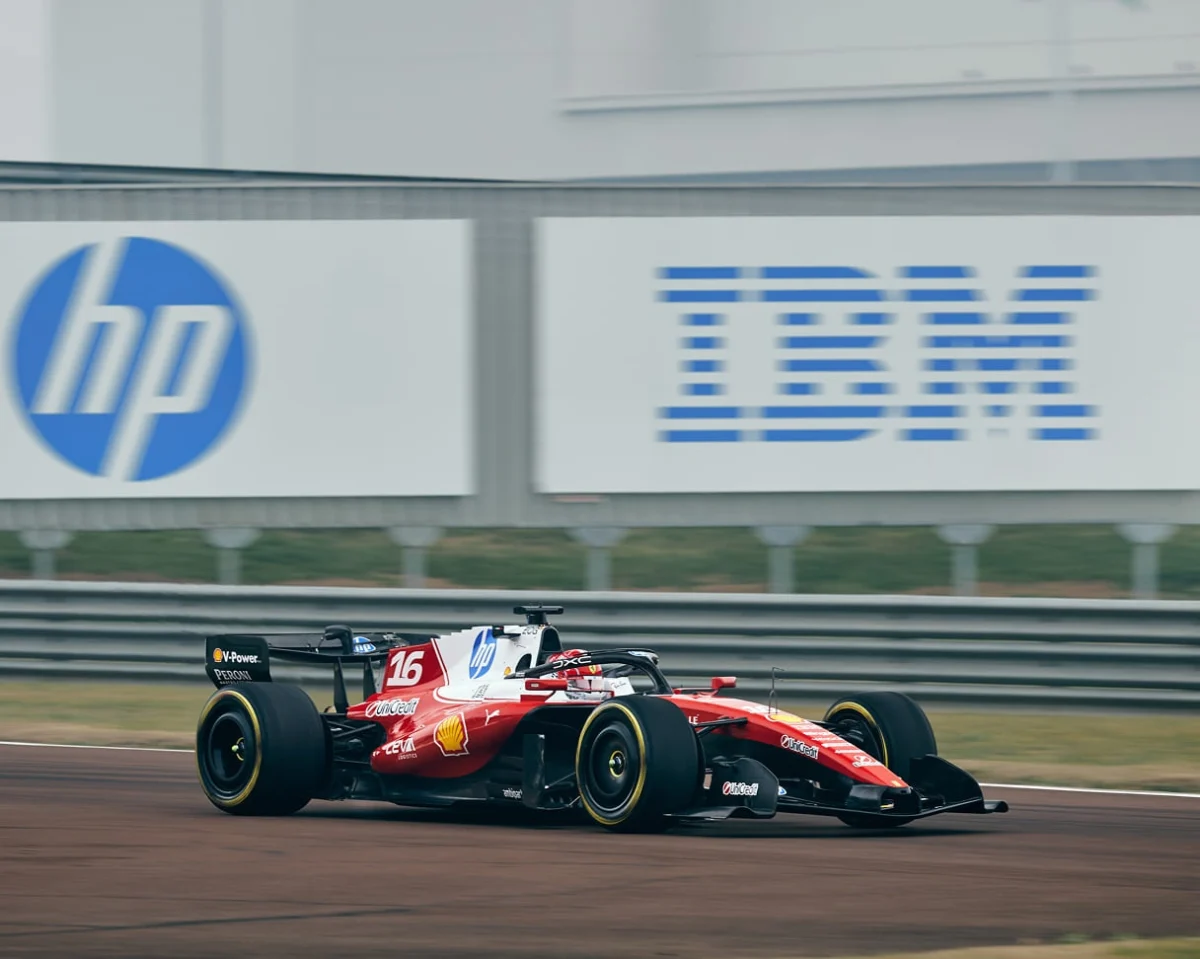
In a significant strategic move, IBM has joined forces with the iconic Scuderia Ferrari HP, embarking on a pioneering initiative to revolutionize fan interaction within the high-octane world of Formula 1 racing. This collaboration aims to leverage advanced artificial intelligence to transform how motorsport enthusiasts connect with one of the sport’s most storied teams, addressing a critical gap IBM identified in its extensive portfolio of global sports partnerships just two years prior. The objective extends beyond mere digital presence; it seeks to cultivate an unprecedented level of personalized engagement, transforming casual followers into deeply invested "superfans."
The Ascendance of Formula 1: A Global Phenomenon
Formula 1, often dubbed the pinnacle of motorsport, has experienced an extraordinary surge in global popularity over recent years, particularly within the United States. For decades, F1 maintained a dedicated but relatively niche following in North America, often overshadowed by indigenous racing series like NASCAR and IndyCar. This began to shift dramatically following the 2017 acquisition of the commercial rights to Formula 1 by Liberty Media. The American media conglomerate initiated a series of strategic changes aimed at broadening the sport’s appeal, including a significant push into digital content and social media.
Central to this revitalization was the groundbreaking docuseries "Drive to Survive," launched on Netflix in 2019. The show offered unprecedented behind-the-scenes access to teams, drivers, and the intense drama of the F1 paddock, effectively humanizing the sport’s larger-than-life personalities and introducing their narratives to millions of new viewers worldwide. This cultural phenomenon transformed F1 drivers into mainstream celebrities and demystified the intricate world of grand prix racing, attracting a diverse demographic previously untouched by motorsport. The series played a pivotal role in expanding F1’s audience, particularly among younger demographics and women, who now represent a substantial portion of new fans. This newfound global resonance made Formula 1 an irresistible frontier for technology companies looking to align with a dynamic, data-rich, and globally recognized brand.
Technology’s Crucial Role in Modern F1
Formula 1 has always been a crucible of technological innovation, where advancements in aerodynamics, engine design, materials science, and telemetry directly translate into competitive advantage on the track. Teams continuously push the boundaries of engineering, processing vast quantities of data from every sensor on their cars and every input from their drivers during races and testing sessions. This inherent reliance on cutting-edge technology naturally positions F1 as an attractive partner for leading tech firms. Companies like AWS, Oracle, and Anthropic have already established significant presences within the F1 ecosystem, providing cloud computing, data analytics, and AI tools that offer critical competitive edges, from optimizing race strategies to enhancing car performance. These partnerships often combine sponsorship visibility with the practical application of their technological prowess.
It was against this backdrop that IBM, a titan in enterprise technology and artificial intelligence, recognized the strategic imperative of entering the Formula 1 arena. Having cultivated extensive sports partnerships with major entities like the Masters Tournament and Wimbledon, F1 represented a glaring omission. The choice of Scuderia Ferrari HP as a partner was a natural fit. As Kameryn Stanhouse, IBM’s Vice President of Sports and Entertainment Partnerships, highlighted, Ferrari holds the distinguished title of the most successful team in Formula 1 history, boasting a legacy steeped in passion, triumphs, and an unparalleled global fanbase.
The Core of the Partnership: AI-Driven Fan Engagement
At the heart of the IBM-Ferrari collaboration is a shared vision to harness sophisticated technological solutions, particularly artificial intelligence, to deepen fan engagement. The modern sports fan demands more than just results; they crave immersive experiences, personalized content, and a sense of connection to their favorite teams and athletes. IBM views sports as an ideal domain for demonstrating the practical benefits of AI. "They actually see how it serves them," Stanhouse noted regarding AI’s application in sports storytelling, underscoring the direct, tangible value it can deliver to consumers.
The initial focus of this transformative partnership is the complete overhaul of the technology powering the Ferrari fan application. Recognizing the need for a dedicated strategy beyond general social media platforms or official F1 channels, Ferrari, alongside a few other teams like McLaren and Williams, has committed to developing a proprietary fan app. This strategic independence allows for greater control over content, user experience, and direct data collection, fostering a more intimate relationship with their global legion of supporters, affectionately known as the "Tifosi."
To spearhead this initiative, Ferrari appointed Stefano Pallard to the newly created role of "head of fan development." Pallard articulated the central challenge: "not just reaching fans, but making each of them feel like we know them." This ambition requires a sophisticated approach to data utilization, transforming the deluge of information generated on the track into digestible, engaging narratives. Every Formula 1 race generates millions of data points per second, capturing minute details about driver inputs, car performance, and track conditions. The challenge lies in converting this raw, complex data into compelling content that resonates with fans, regardless of their technical expertise.
Enhancing the Fan Experience: Features and Personalization
The existing Ferrari fan app, while functional, was largely a repository for basic race details. Its limitations were apparent, even lacking an Italian language option despite Ferrari’s national identity and a significant Italian fanbase. The new, IBM-powered application represents a quantum leap in functionality and user experience.
Key enhancements include:
- Localized Content: The immediate introduction of an Italian language option, a fundamental step towards inclusivity for a significant portion of Ferrari’s heritage fanbase.
- Interactive Gaming: Integration of games that allow fans to compete with each other within the app, fostering community and healthy competition.
- AI-Generated Race Summaries: Utilizing AI to quickly process race data and generate concise, engaging summaries, making complex race dynamics accessible to a broader audience.
- Behind-the-Scenes Storytelling: A greater emphasis on narratives that delve deeper into the team’s operations, the lives of drivers, and the unsung heroes of the pit crew. As Stanhouse remarked, "There are two drivers, but did you know it takes 24 people working simultaneously in two seconds to change a tire?" Such insights create a stronger emotional bond.
- Predictive Features: Tools that allow fans to make predictions about race outcomes, adding an interactive layer to their viewing experience.
- AI Companion: An AI-powered virtual assistant enabling fans to ask questions and receive instant, informed responses, serving as a personalized oracle for all things Ferrari F1.
Unlike many other sports apps IBM has developed, which might focus on short-term engagement during specific tournaments, the Ferrari app’s primary objective is sustained, year-round storytelling. This strategy aims to keep the Tifosi engaged between race weekends and throughout the off-season, fostering a continuous connection. Early indications are positive, with Stanhouse reporting a 62% increase in engagement over race weekends since the implementation of IBM’s solutions.
The power of AI extends beyond content generation. Pallard revealed that the team leverages AI to analyze engagement signals within the app, such as which content types garner the most attention, user sentiment from messages, and interaction patterns. This data-driven feedback loop is crucial. "That helps us understand what resonates most with the Tifosi and it directly informs how we shape our storytelling and how we deliver content," he explained. This continuous optimization ensures that the content provided is not only engaging but also directly tailored to fan preferences, moving towards a future of deeper personalization and immersive fan experiences.
The Evolving Demographics of F1 Fandom
The demographic landscape of Formula 1 fandom has undergone a profound transformation. Statistics released by F1 last year revealed that a remarkable 75% of new fans are women, many belonging to Gen Z. This seismic shift is partly attributable to "Drive to Survive" and F1’s deliberate efforts to promote diversity, including the establishment of the F1 Academy, an all-female racing series designed to nurture the next generation of women drivers.
These new fans, while diverse, share a common desire with the traditional Tifosi: a hunger for "more." As Pallard articulated, "They are asking for more data, more insight, more features, and we have to be able to deliver that." This demand for richer, more granular, and personalized content underscores the necessity of advanced technological solutions like those provided by IBM. The long-term vision for the partnership is ambitious: "With IBM, the vision for the next five years is to make every fan feel like the experience was built for them, whether they have been with us for 30 years or 30 days. That is how you build loyalty that lasts," Pallard concluded.
Broader Implications for Sports and Technology
The Ferrari-IBM alliance exemplifies a broader trend across the sports industry: the strategic imperative of leveraging technology, particularly AI and data analytics, to cultivate deeper, more meaningful relationships with fans. In an increasingly fragmented media landscape, where attention is a scarce commodity, sports organizations are recognizing that passive consumption is no longer sufficient. Fans expect active participation, personalized experiences, and behind-the-scenes access that brings them closer to the action and the personalities involved.
This partnership also highlights IBM’s continued evolution as a leader in enterprise AI, demonstrating how its capabilities can be applied beyond traditional business sectors to transform consumer experiences in high-passion industries like sports. The successful integration of AI in sports storytelling and fan engagement could set a new benchmark, encouraging other teams and leagues to invest further in similar personalized digital strategies. As the digital ecosystem of sports continues to expand, the ability to turn raw data into compelling narratives and tailored interactions will be a key differentiator in capturing and retaining fan loyalty, ensuring that the thrill of the race extends far beyond the checkered flag.