Amir Mahmud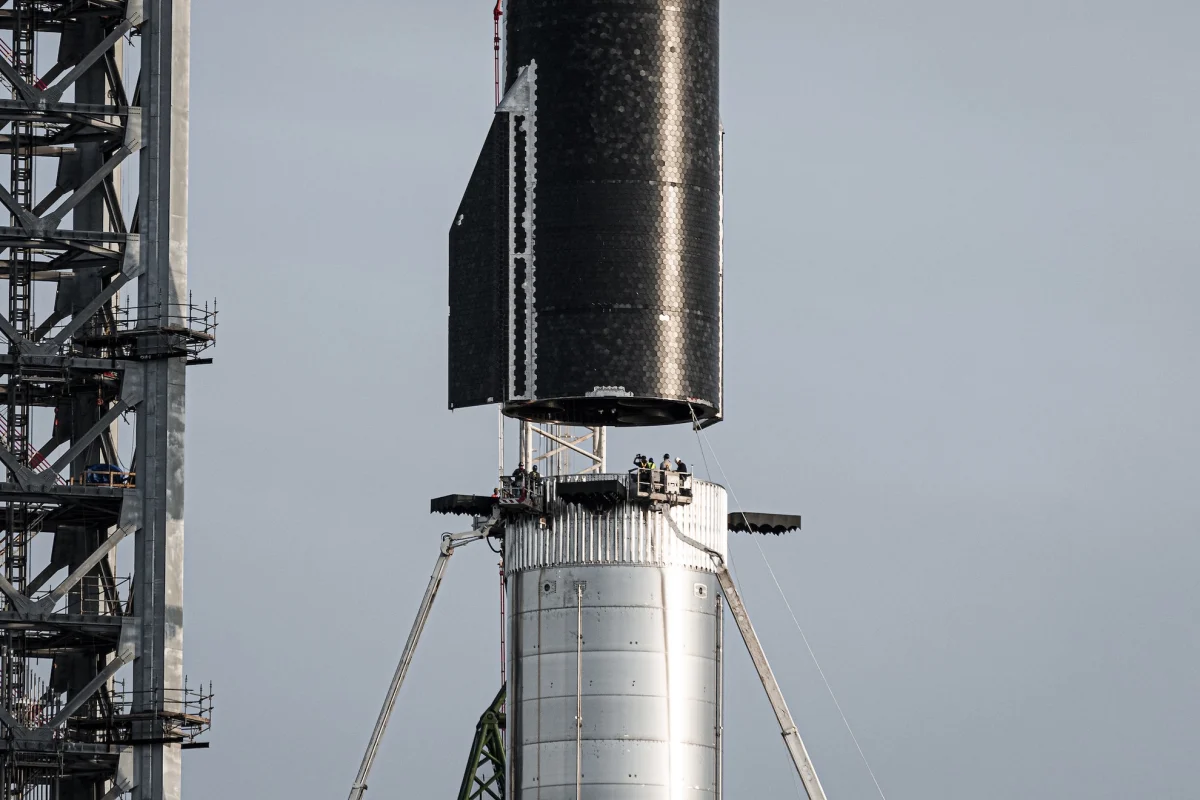
Tragedy struck the sprawling Starbase facility in South Texas on Friday, May 15, when a worker suffered a fatal accident, prompting the Occupational Safety and Health Administration (OSHA) to launch a comprehensive investigation into the circumstances. This unfortunate event unfolds at a critical juncture for SpaceX, as the private space exploration company, founded by Elon Musk, prepares for a highly anticipated Starship launch and reportedly finalizes plans for a significant initial public offering (IPO).
Reports from various media outlets, including the San Antonio Express-News and The Wall Street Journal, citing both OSHA and local officials, confirmed the death of an unidentified individual around 4:17 a.m. local time. The specific details surrounding the incident remain largely undisclosed as the federal agency commences its rigorous inquiry. Representatives from nearby Brownsville police and fire departments, along with spokespeople for SpaceX and the newly incorporated City of Starbase, have not yet provided official comments regarding the fatality. OSHA has indicated that further information will be withheld until the completion of its investigation, a process that could extend for several months.
Starbase: A Hub of Ambition and Industrial Activity
Located at Boca Chica Beach near Brownsville, Texas, Starbase is more than just a launch facility; it is a dynamic and expansive complex dedicated to the development, testing, and eventual launch of SpaceX’s ambitious Starship rocket system. This site is central to Musk’s vision of making humanity a multi-planetary species, with Starship designed to transport both cargo and crew to the Moon and Mars. The sheer scale of operations at Starbase, encompassing heavy construction, advanced manufacturing, and complex rocket assembly, transforms it into a bustling industrial zone operating at the cutting edge of aerospace engineering.
The development of Starship has been characterized by an accelerated pace of innovation, rapid prototyping, and iterative testing. This "move fast and break things" philosophy, often associated with Musk’s ventures, has enabled remarkable technological advancements but also brings inherent risks, particularly in environments involving heavy machinery, cryogenic propellants, and high-pressure systems. The Starbase site itself has evolved rapidly from a remote coastal area into a major industrial footprint, drawing a diverse workforce of engineers, technicians, and construction workers.
OSHA’s Mandate and the Investigation Process
OSHA, an agency of the United States Department of Labor, is tasked with ensuring safe and healthful working conditions for employees by setting and enforcing standards and by providing training, outreach, education, and assistance. When a workplace fatality occurs, OSHA’s involvement is mandatory and immediate. The agency’s investigation aims to determine the cause of the accident, identify any violations of safety regulations, and recommend measures to prevent similar incidents in the future.
The current investigation into the Starbase fatality will likely involve a thorough examination of the accident scene, interviews with witnesses and management, review of safety protocols and training records, and analysis of equipment maintenance logs. This process can be intricate and time-consuming, especially in a complex industrial setting like Starbase, where multiple contractors and specialized equipment are often involved. The findings of such an investigation can lead to citations, penalties, and, in severe cases, referrals for criminal prosecution, though the latter is rare. The objective is not merely punitive but fundamentally aimed at enhancing workplace safety standards across industries.
A Pattern of Concern: Prior Safety Incidents and Regulatory Scrutiny
This recent fatality at Starbase is not an isolated incident but rather occurs against a backdrop of ongoing concerns regarding worker safety at SpaceX facilities, particularly at the Texas launch site. An earlier examination of Occupational Health and Safety Administration (OSHA) records by TechCrunch highlighted that the Texas site exhibited an injury rate significantly exceeding that of its industry competitors, marking it as the most hazardous among SpaceX’s operational locations. Furthermore, a 2023 investigation by Reuters brought to light dozens of previously unreported injuries and a worker death in 2014 at SpaceX’s McGregor, Texas, test site, underscoring a broader pattern of safety challenges across the company’s operations.
Regulatory scrutiny has intensified in recent years. In January, OSHA issued seven "serious" safety violations against SpaceX, including allegations of failing to properly inspect a crane before its collapse at Starbase in June of the previous year. These violations resulted in maximum financial penalties for six of the seven charges, totaling $115,850. SpaceX is currently contesting these penalties, federal records indicate. Such disputes are not uncommon, as companies often challenge OSHA findings, leading to protracted legal processes.
The company has also faced multiple lawsuits related to injuries sustained by workers at Starbase. One notable case involved Eduardo Cavazos, an employee of a SpaceX subcontractor, who filed a lawsuit in December after sustaining severe injuries—including a broken hip, knee, and tibia—when a large metal support dropped from a crane. OSHA initiated a "rapid response investigation" into this incident. However, that specific lawsuit was subsequently dropped because the subcontractor’s workers’ compensation insurance precluded direct legal action against the employer, and OSHA later closed its rapid response investigation without imposing punitive measures. These instances collectively paint a picture of an environment where the ambitious pace of development sometimes intersects with significant workplace hazards.
The Broader Context: Rapid Innovation, IPO Aspirations, and Public Image
The fatality and the subsequent OSHA investigation come at a particularly sensitive time for SpaceX. The company is on the cusp of launching an upgraded Starship rocket, a crucial milestone in its development timeline. Each Starship launch is a high-stakes event, watched globally by enthusiasts, investors, and competitors alike, symbolizing the vanguard of private space exploration.
Moreover, reports suggest that SpaceX is preparing to release the detailed prospectus for its initial public offering (IPO) this week. An IPO of SpaceX’s magnitude would be one of the largest in history, drawing immense investor interest and placing the company under unprecedented public financial scrutiny. Worker safety records and ongoing regulatory investigations can significantly influence investor confidence and the company’s valuation. While specific safety incidents might not derail an IPO entirely for a company with such transformative technology, they can certainly complicate the narrative and raise questions about corporate governance and risk management.
The public perception of SpaceX, often associated with groundbreaking achievements and visionary leadership, could also be impacted. Balancing an aggressive innovation agenda with unwavering commitments to worker welfare is a challenge for any company, particularly one operating at the frontiers of technology and heavily reliant on a skilled workforce. The cultural impact extends beyond financial markets, touching on ethical considerations of prioritizing human safety in the pursuit of ambitious goals.
Regulatory Challenges and Corporate Accountability in a New Space Era
The space industry, once predominantly a government endeavor, is now significantly driven by private enterprise. This shift brings new challenges for regulatory bodies like OSHA, which must adapt traditional industrial safety standards to unique and rapidly evolving environments like rocket factories and launch pads. The complexity of these operations, often involving novel materials, unprecedented scales, and proprietary technologies, requires nuanced oversight.
The structure of modern industrial projects, with layers of contractors and subcontractors, also complicates accountability. While primary contractors like SpaceX bear ultimate responsibility for the safety of their worksites, the legal and financial liabilities can become diffused among various entities. This intricate web necessitates clear contractual agreements, stringent oversight of subcontractors, and robust internal safety management systems.
For SpaceX, demonstrating a proactive and comprehensive approach to worker safety is paramount, not just for compliance but for maintaining its social license to operate. This involves not only adhering to regulations but fostering a strong safety culture from the top down, where reporting concerns is encouraged, and safety is integrated into every aspect of design, construction, and operation.
Looking Ahead: Launches, IPO, and Oversight
As SpaceX navigates the immediate aftermath of this tragedy, the company faces a dual imperative: to continue its ambitious technological pursuits while rigorously addressing and rectifying any systemic safety deficiencies. The upcoming Starship launch and the potential IPO will undoubtedly proceed under heightened scrutiny, both from regulators and the public.
OSHA’s investigation will shed light on the precise causes of the fatality, and its findings will inform future safety directives and potentially new enforcement actions. For SpaceX, this period represents an opportunity to reaffirm its commitment to its workforce and to demonstrate that its relentless drive for innovation is matched by an equally robust dedication to ensuring the safety and well-being of every individual contributing to its extraordinary mission. The incident serves as a stark reminder that even in the most futuristic endeavors, the foundational principles of workplace safety remain critically important.