Amir Mahmud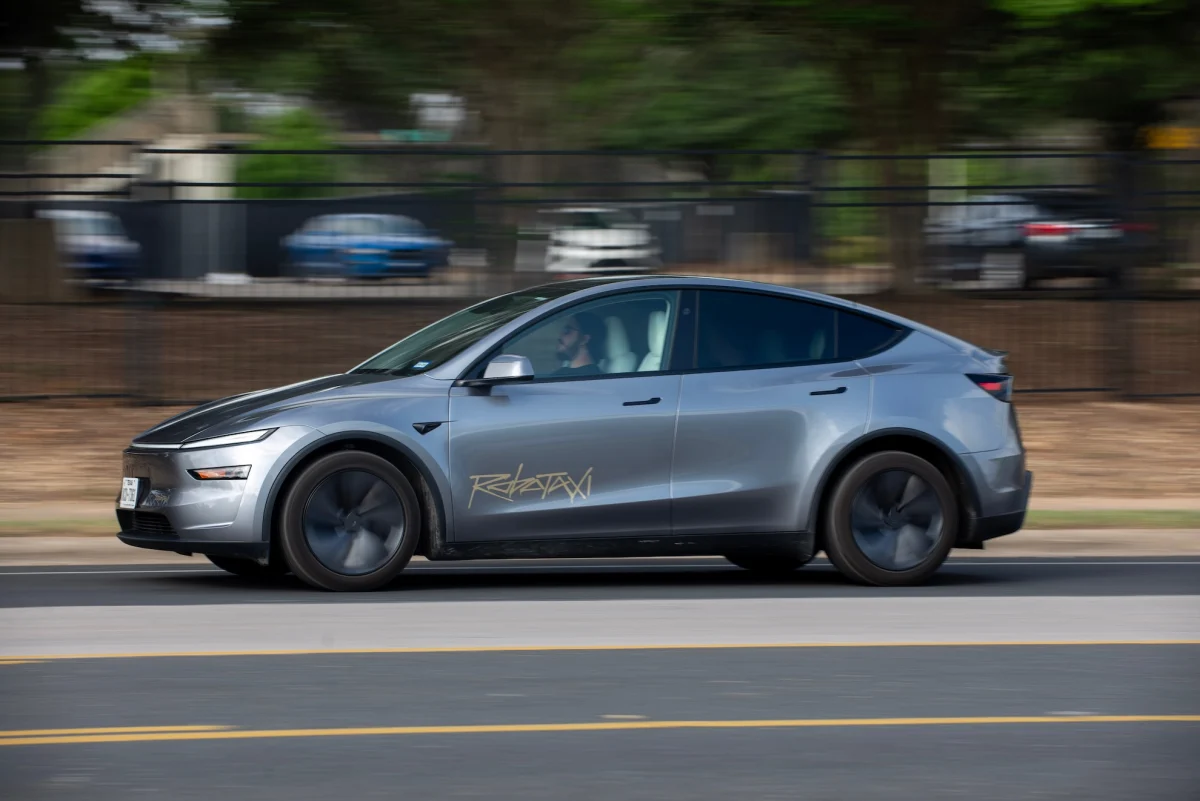
Recently unredacted information submitted to the National Highway Traffic Safety Administration (NHTSA) has brought to light at least two instances where Tesla’s nascent Robotaxi vehicles were involved in collisions while under the remote control of a human teleoperator. These incidents, both occurring in Austin, Texas, underscore the complex interplay between advanced artificial intelligence and human oversight in the ongoing development of autonomous driving technology.
The Evolving Landscape of Autonomous Driving
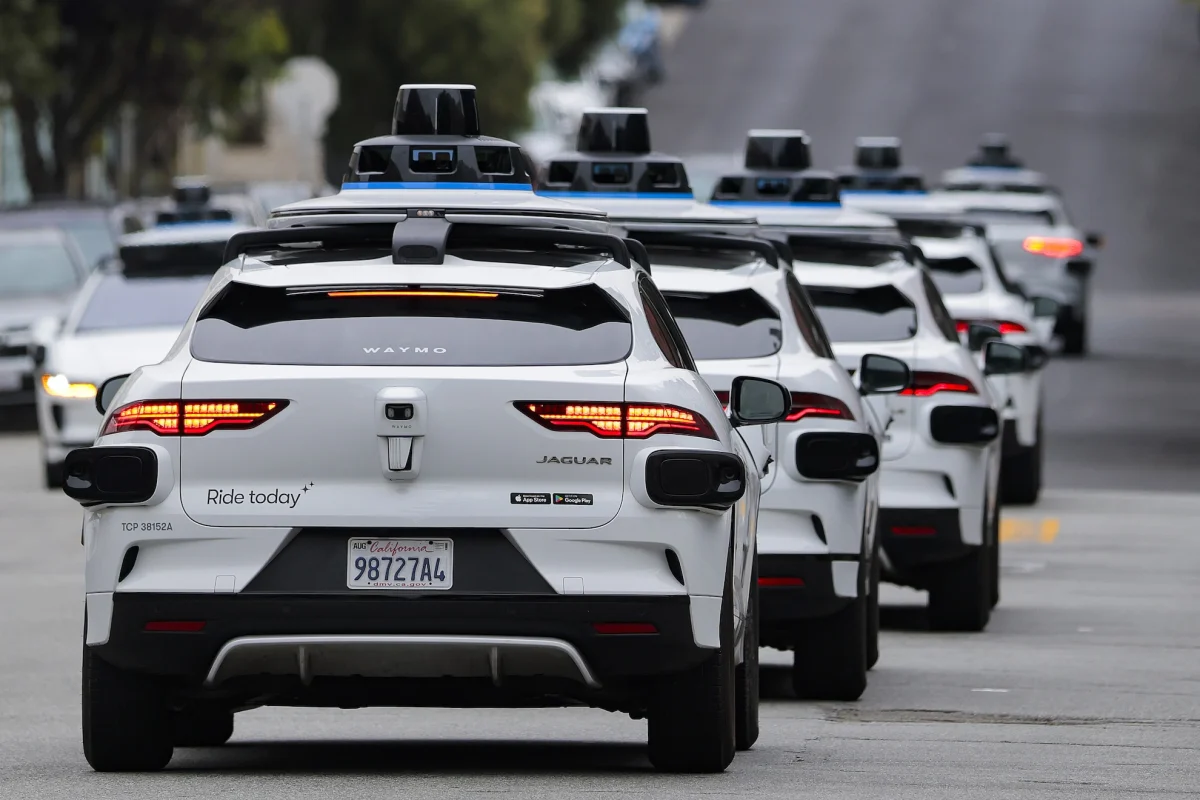
The pursuit of fully autonomous vehicles, often referred to as Level 5 autonomy, represents one of the most ambitious technological endeavors of our time. Companies worldwide are racing to develop self-driving cars capable of navigating roads without human intervention, promising revolutions in transportation, logistics, and urban planning. This technological frontier is broadly categorized into several levels of automation, ranging from driver assistance systems (Level 2) to conditional automation (Level 3), high automation (Level 4), and finally, full automation (Level 5). Tesla’s approach, spearheaded by its "Full Self-Driving" (FSD) software, primarily utilizes an advanced Level 2 system in public beta, aiming for Level 4/5 robotaxi capabilities. This contrasts with competitors like Waymo and Cruise, which have deployed Level 4 autonomous services in specific geofenced areas, often incorporating more sensor modalities like lidar in addition to cameras.
The regulatory environment for autonomous vehicles is still maturing. Federal agencies like the NHTSA play a critical role in monitoring the safety performance of these evolving systems. Part of this oversight involves mandatory reporting of crashes involving vehicles equipped with advanced driver-assistance systems (ADAS) or autonomous driving systems (ADS). This data is crucial for regulators to understand potential risks, identify patterns, and inform future safety guidelines. Historically, some companies, including Tesla, have sought to redact certain details in these reports, citing proprietary business information. However, the recent decision by Tesla to release unredacted narratives marks a significant shift towards greater transparency within the industry, providing a clearer picture of real-world operational challenges.
Unpacking the Unredacted Disclosures
The newly disclosed documents detail 17 separate incidents involving Tesla’s Robotaxi network since its inception. While the majority of these reports indicate that the autonomous vehicles were struck by other parties, two specific incidents stand out due to the direct involvement of human teleoperators. These remote assistance personnel are an integral part of many autonomous vehicle operations, acting as a crucial safety net for situations where the automated driving system encounters an "edge case" – a scenario it cannot confidently navigate.
The first documented teleoperator-involved crash occurred in July 2025, shortly after the Austin Robotaxi network became operational. In this incident, the Tesla ADS reportedly struggled to proceed from a stopped position on a street. A safety monitor, present behind the wheel as a precautionary measure (and with no passengers aboard), requested assistance from Tesla’s remote support team. A teleoperator then assumed control of the vehicle. The narrative describes the teleoperator gradually increasing speed and attempting a left turn, which unfortunately resulted in the vehicle mounting a curb and colliding with a metal fence.
A similar sequence of events unfolded in January 2026. This time, the Tesla ADS was actively driving the vehicle straight along a street when the onboard safety monitor again sought remote support for navigation assistance. A teleoperator took over command while the ADS was stationary. As the teleoperator attempted to maneuver the vehicle, it made contact with a temporary barricade at a construction site, traveling at approximately 9 miles per hour. The collision caused scraping damage to the front-left fender and tire of the Robotaxi. Both incidents, while occurring at low speeds and without passengers, highlight the complexities and potential pitfalls even when human intelligence is remotely applied to autonomous systems.
The Dual Role of Teleoperators: Aid and Accident Factor
The concept of teleoperation is widely accepted within the autonomous vehicle industry as a necessary bridge to full autonomy. Companies like Tesla have publicly stated that remote operators are authorized to pilot vehicles, typically under a speed limit of 10 miles per hour, to extract them from compromising situations or navigate challenging scenarios that the AI cannot resolve. This capability is designed to enhance safety and operational efficiency by preventing vehicles from becoming stranded or creating traffic obstructions, thereby reducing the need for immediate on-site human intervention.
However, these Austin incidents suggest that teleoperation, while a critical safety layer, is not without its own set of challenges. Remotely controlling a vehicle introduces factors such as potential communication latency, limited visual perspective (relying on vehicle cameras), and the cognitive load on the operator, who might be managing multiple remote vehicles or reacting to unfamiliar circumstances without the tactile feedback of being physically present. Industry experts often point to the potential for human error in these remote scenarios, especially when operators are under pressure to quickly resolve an issue. The incidents underscore that even with human oversight, the path to flawless autonomous operation remains intricate.
Broader Fleet Incidents and Industry Parallels
Beyond the teleoperator-involved crashes, the unredacted data provides further insights into the operational challenges faced by Tesla’s Robotaxi fleet. While the majority of the reported incidents involved Tesla vehicles being struck by other vehicles – a common occurrence for all road users, including autonomous ones – several other unique scenarios were detailed. Two separate incidents, for instance, involved Tesla Robotaxis clipping their side mirrors on other vehicles, suggesting issues with precise spatial awareness or maneuvering in tight quarters.
Another notable incident from September 2025 involved a Tesla ADS being unable to avoid striking a dog that unexpectedly ran into the street. The report indicated that the dog was able to run away after the contact. This type of unpredictable "soft target" encounter represents a significant challenge for all autonomous systems, which are still learning to interpret and react to the dynamic and often chaotic nature of urban environments.
Additionally, a September 2025 crash saw a Tesla Robotaxi make an unprotected left turn into a parking lot and collide with a metal chain. This type of incident, involving contact with inanimate objects like bollards, gates, or chains in parking areas, is not unique to Tesla. The NHTSA recently concluded an investigation into similar tendencies within Tesla’s Full Self-Driving software. Furthermore, Waymo, another prominent autonomous vehicle developer, issued a recall related to low-speed collisions with gates and chains, indicating a shared developmental hurdle across the industry in accurately perceiving and navigating complex, often cluttered, parking lot environments.
The Imperative of Transparency and Public Trust
Tesla’s decision to unredact these crash descriptions represents a pivotal moment for transparency within the autonomous vehicle sector. Public trust is paramount for the widespread adoption of self-driving technology. Without clear and comprehensive data on safety performance, public skepticism can easily mount, potentially hindering the progress and societal benefits of these innovations. Regulatory bodies and the public alike rely on such disclosures to assess the safety and maturity of these systems.
This newfound transparency also offers valuable insights into why Tesla, despite its ambitious pronouncements, has been scaling its nascent autonomous ride-hailing network at a relatively measured pace. Elon Musk, Tesla’s CEO, acknowledged just last month that ensuring "things are completely safe" is the primary limiting factor for expanding the network, emphasizing the company’s "very cautious" approach. The detailed crash reports reinforce the notion that even with advanced AI and human teleoperator backups, the complexities of real-world driving present numerous unforeseen challenges that require meticulous, iterative development and rigorous testing.
Navigating the Path to Full Autonomy
The incidents involving teleoperators highlight a critical juncture in the development of autonomous vehicles: the transition from assisted driving to fully independent operation. While companies like Waymo and Zoox have reported a greater number of overall incidents, they also typically operate at a larger scale in terms of miles driven and fleet size. The specific nature of Tesla’s newly disclosed incidents offers a granular look into the specific operational hurdles faced, particularly concerning the interaction between its AI and human remote intervention.
Ultimately, the journey to truly driverless vehicles is an iterative process, characterized by continuous learning, refinement, and adaptation. Each incident, whether caused by the AI or a human teleoperator, provides invaluable data points for engineers to improve algorithms, enhance sensor fusion, and refine operational protocols. As autonomous technology continues to evolve, the balance between rapid innovation and unwavering safety will remain the central challenge, with transparency and robust regulatory oversight serving as essential guardians of public interest and confidence.