Amir Mahmud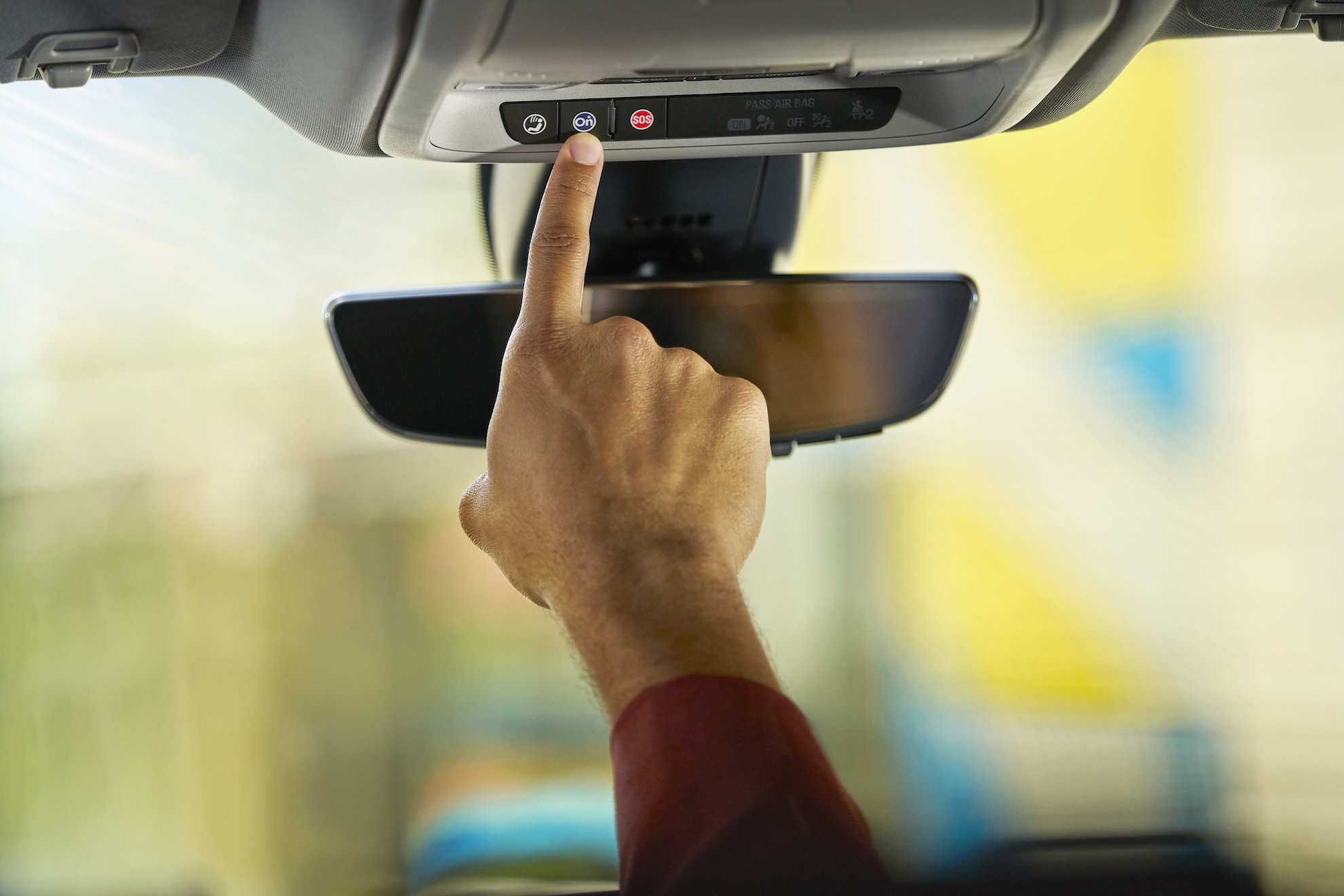
General Motors has finalized a significant privacy-related settlement, agreeing to a $12.75 million payment to a coalition of law enforcement agencies spearheaded by California Attorney General Rob Bonta. This resolution addresses allegations that the automotive giant engaged in the unauthorized sale of driver data, a practice that has ignited widespread concern among consumers and regulators alike regarding the burgeoning field of connected vehicle technology. The agreement mandates substantial changes to GM’s data handling practices, signaling a potential turning point for how personal information collected from modern automobiles is managed and protected across the industry.
The Genesis of the Allegations
The controversy gained significant public traction following a March 2024 report by The New York Times, which brought to light the practice of several major automakers, including GM, sharing granular details of customer driving behavior with insurance providers. This revelation sparked considerable apprehension among vehicle owners, with many expressing worries that such data sharing could directly influence and potentially inflate their insurance premiums. The report underscored a growing unease about the transparency and consent mechanisms surrounding the collection and dissemination of highly personal mobility data.
According to the official announcement from Attorney General Bonta’s office, the investigation specifically identified General Motors as having sold "the names, contact information, geolocation data, and driving behavior data of hundreds of thousands of Californians" to prominent data brokers, namely Verisk Analytics and LexisNexis Risk Solutions. These allegations assert that the data in question was primarily gathered through GM’s ubiquitous OnStar program, an in-vehicle security and connectivity service. Furthermore, Bonta’s office claimed that GM derived approximately $20 million in revenue from these data sales, highlighting the significant financial incentive behind such practices.
Interestingly, despite the concerns about rising insurance rates, the Attorney General’s office also noted that the data sales did not directly lead to increased insurance prices in California. This outcome was attributed to the state’s stringent insurance regulations, which explicitly prohibit insurers from leveraging driving data to determine policy rates. This distinction underscores the varying regulatory environments across different jurisdictions and their impact on consumer protection.
A History of Connected Car Technology and Data Collection
The journey towards today’s data-rich vehicles began decades ago with the introduction of rudimentary in-car communication systems. OnStar, launched by GM in 1996, was an early pioneer, initially offering emergency services, navigation, and remote diagnostics. Over time, as automotive technology advanced, these systems evolved into sophisticated telematics platforms, transforming vehicles into mobile data hubs. Modern cars are now equipped with an array of sensors, cameras, and connectivity modules that continuously collect vast amounts of data—ranging from driving habits like speed, braking, and acceleration to location, fuel consumption, and even in-cabin environmental conditions.
The proliferation of "connected cars" has ushered in an era where vehicles are essentially rolling computers, constantly generating and transmitting data. This information holds immense value, not only for improving vehicle performance, safety features, and user experience but also for third-party industries like insurance, urban planning, and advertising. The potential benefits for consumers, such as predictive maintenance, personalized services, and enhanced safety, are often cited as justifications for this data collection. However, the sheer volume and sensitive nature of the data collected have increasingly raised profound ethical and privacy questions. The transition from simple emergency assistance to comprehensive behavioral monitoring has been a gradual but significant shift, often outpacing public awareness and regulatory frameworks.
The Evolving Regulatory Landscape and Consumer Trust
The General Motors settlement unfolds within a rapidly evolving global regulatory landscape concerning data privacy. Laws such as the California Consumer Privacy Act (CCPA) and its successor, the California Privacy Rights Act (CPRA), along with Europe’s General Data Protection Regulation (GDPR), have established stringent standards for how companies collect, process, and share personal data. These regulations empower consumers with greater control over their information, including rights to access, delete, and opt-out of data sales. The multi-state action against GM exemplifies a proactive stance by state attorneys general to enforce these new privacy mandates, particularly in sectors beyond traditional tech giants.
The cultural impact of such data breaches and alleged misuse is profound. Consumers are increasingly wary of the "hidden costs" associated with digital convenience, where personal data becomes a form of currency. Incidents like the GM settlement erode consumer trust in corporations and their commitment to privacy, potentially making individuals hesitant to adopt new connected car features or share data, even if it offers tangible benefits. This erosion of trust poses a significant challenge for automakers striving to innovate and integrate more sophisticated, data-driven services into their vehicles. The incident highlights a broader societal tension between technological advancement and individual privacy rights, forcing a reevaluation of what constitutes acceptable data practices in the digital age.
GM had also previously faced scrutiny from federal regulators. An earlier settlement with the Federal Trade Commission (FTC) specifically addressed its data sales practices, resulting in a final order that prohibited General Motors and its OnStar division from selling certain types of data to consumer reporting agencies. This preceding action indicated a pattern of regulatory concern regarding GM’s data handling and underscored the need for comprehensive reform across its operations. The current settlement builds upon these earlier regulatory interventions, demonstrating continued pressure from authorities to ensure corporate accountability.
Key Terms of the Resolution
Under the terms of the new agreement, General Motors has committed to several pivotal actions designed to rectify past practices and enhance future data privacy protections. Foremost among these is the payment of $12.75 million in civil penalties, which will be distributed among the participating law enforcement agencies. Beyond the financial penalty, the settlement imposes significant operational changes:
- Cessation of Data Sales: GM has agreed to cease selling driving data to any consumer reporting agencies for a period of five years. This crucial measure aims to sever the direct pipeline of driver behavior information to entities that might use it for sensitive purposes like risk assessment.
- Data Deletion: The company is required to delete any driver data it still retains within 180 days, unless it obtains explicit, affirmative consent from the respective customers to continue holding that data. This stipulation aligns with the principle of data minimization, which dictates that companies should only retain data for as long as necessary and for the purposes for which it was collected.
- Third-Party Data Deletion Requests: GM must also formally request that LexisNexis Risk Solutions and Verisk Analytics, the data brokers identified in the allegations, delete any driver data they acquired from GM. This measure aims to address the downstream flow of potentially misused data and mitigate its further dissemination.
Attorney General Bonta emphasized the gravity of GM’s alleged actions, stating, "General Motors sold the data of California drivers without their knowledge or consent and despite numerous statements reassuring drivers that it would not do so." He added that the settlement "requires General Motors to abandon these illegal practices and underscores the importance of data minimization in California’s privacy law – companies can’t just hold on to data and use it later for another purpose." This statement reinforces the core legal and ethical principles that underpinned the multi-state investigation.
In response to the settlement, General Motors issued a statement to Reuters, indicating that the agreement "addresses Smart Driver, a product we discontinued in 2024, and reinforces steps we’ve taken to strengthen our privacy practices." This statement suggests that the company has already begun to adapt its policies in anticipation of, or in response to, regulatory pressure. The "Smart Driver" program, which presumably aggregated and shared driving data, was evidently a central component of the alleged privacy violations.
Broader Industry Ramifications and the Future of Automotive Data Privacy
The General Motors settlement is expected to send a ripple effect across the entire automotive industry. It serves as a potent reminder to all automakers and technology providers that the collection and monetization of personal data from connected vehicles are under intense regulatory scrutiny. This case could establish a precedent, prompting other manufacturers to proactively review and overhaul their data privacy policies, consent mechanisms, and third-party data-sharing agreements. Companies that fail to adapt risk facing similar legal challenges, significant financial penalties, and irreparable damage to their brand reputation.
The resolution also highlights the increasingly critical role of transparency and explicit consent in the digital economy. Consumers are demanding clearer explanations of what data is being collected, how it is being used, and with whom it is being shared. Moving forward, automakers may need to adopt more user-friendly interfaces for managing privacy settings, offering opt-in rather than opt-out defaults, and providing accessible privacy policies that are easily understandable by the average driver. The expectation is that the industry will move towards a model where privacy is designed into products and services from the outset, rather than being an afterthought.
Ultimately, this settlement underscores a fundamental shift in the landscape of automotive data. Vehicles are no longer just modes of transport; they are integral parts of the Internet of Things, constantly generating valuable, yet sensitive, personal information. The General Motors case acts as a powerful signal that regulators are committed to protecting consumer privacy in this new frontier, ensuring that the benefits of connected car technology do not come at the expense of individual rights and autonomy. The industry now faces the imperative to innovate responsibly, building trust through transparent and ethical data practices.