 Amir Mahmud
The recent financial disclosures from Tesla, while largely aligning with market expectations, delivered a pivotal moment that has ignited discussions across the automotive and technology sectors. Following its first-quarter earnings call, where the electric vehicle giant reported a stronger-than-anticipated $1.4 billion in free cash flow and generally met revenue projections, CEO Elon Musk made a significant admission. He acknowledged that millions of existing Tesla owners, specifically those equipped with Hardware 3 (HW3) systems, would require substantial physical upgrades to experience a future, more advanced iteration of the company’s Full Self-Driving (FSD) software that truly operates without human supervision. This revelation carries considerable financial and logistical implications for the automaker and raises questions about the long-term trajectory of autonomous vehicle development.
The Long Road to Full Self-Driving: A Hardware Hurdle
Tesla’s journey into autonomous driving began with ambitious promises, positioning its vehicles as harbingers of a fully self-driving future. Early iterations of "Autopilot" and later "Full Self-Driving" capability were introduced with the assurance that software updates would continuously improve the system, eventually leading to Level 5 autonomy—where a vehicle can operate entirely without human intervention under all conditions. However, the path has been fraught with technical challenges, regulatory scrutiny, and a persistent debate over the actual capabilities of the system.
Historically, Tesla has evolved its hardware suite several times. Initial vehicles, from 2014 to 2016, featured Hardware 1 (HW1), utilizing Mobileye’s EyeQ3 chip. As Tesla moved to develop its own AI chips, it transitioned to Hardware 2 (HW2) in late 2016, followed by HW2.5, and then in 2019, introduced Hardware 3 (HW3), also known as the "FSD computer." This in-house designed chip was touted as powerful enough to deliver true full self-driving capabilities. Vehicles sold between 2019 and 2023, encompassing a significant portion of Tesla’s global fleet, were equipped with HW3. Owners who purchased the FSD package, often paying tens of thousands of dollars upfront or through a monthly subscription, did so under the assumption that their vehicles possessed the necessary foundational technology.
Musk’s recent statement clarifies that HW3, despite its previous billing, is insufficient for the future vision of unsupervised FSD. This marks a critical juncture, particularly for the estimated millions of customers who have been patiently waiting for the promised autonomy. The admission implicitly confirms the necessity of Hardware 4 (HW4), which began rolling out in some new vehicles in 2023, as the true enabler for this advanced functionality. The discrepancy between past assurances and current reality has predictably generated a mix of frustration among customers and a sense of vindication among industry skeptics.
Financial and Logistical Implications of the Upgrade Mandate
The requirement for a physical hardware upgrade for millions of vehicles presents a monumental operational and financial challenge for Tesla. Musk’s proposed solution involves establishing "microfactories" in major urban centers specifically to facilitate these retrofits. This concept, while novel, underscores the sheer scale of the undertaking. Each upgrade will entail skilled labor, parts acquisition, and a sophisticated logistical network to process vehicles efficiently. The costs associated with setting up and operating these facilities, along with the actual hardware and labor for each vehicle, are expected to be substantial.
This development aligns with Tesla’s expanded capital expenditures budget, which has increased to a staggering $25 billion this year. While this budget covers various initiatives, including new factory construction and product development, a significant portion will undoubtedly be allocated to addressing this FSD hardware upgrade program. The financial burden could erode profitability margins, at least in the short to medium term, as the company invests heavily in rectifying a past technical limitation. Furthermore, the legal ramifications are not insignificant. Disgruntled customers who paid for "full self-driving capability" may explore avenues for compensation or even class-action lawsuits, arguing that the company misrepresented the product’s long-term viability without hardware changes. The trust factor with a segment of its most loyal customer base is also at stake, potentially impacting future sales and brand perception.
Reshaping the Mobility Landscape: Industry Movements
Beyond Tesla’s FSD challenges, the broader mobility sector continues to evolve at a rapid pace, marked by strategic shifts, significant investments, and emerging technologies.
Redwood Materials Restructuring for Energy Storage
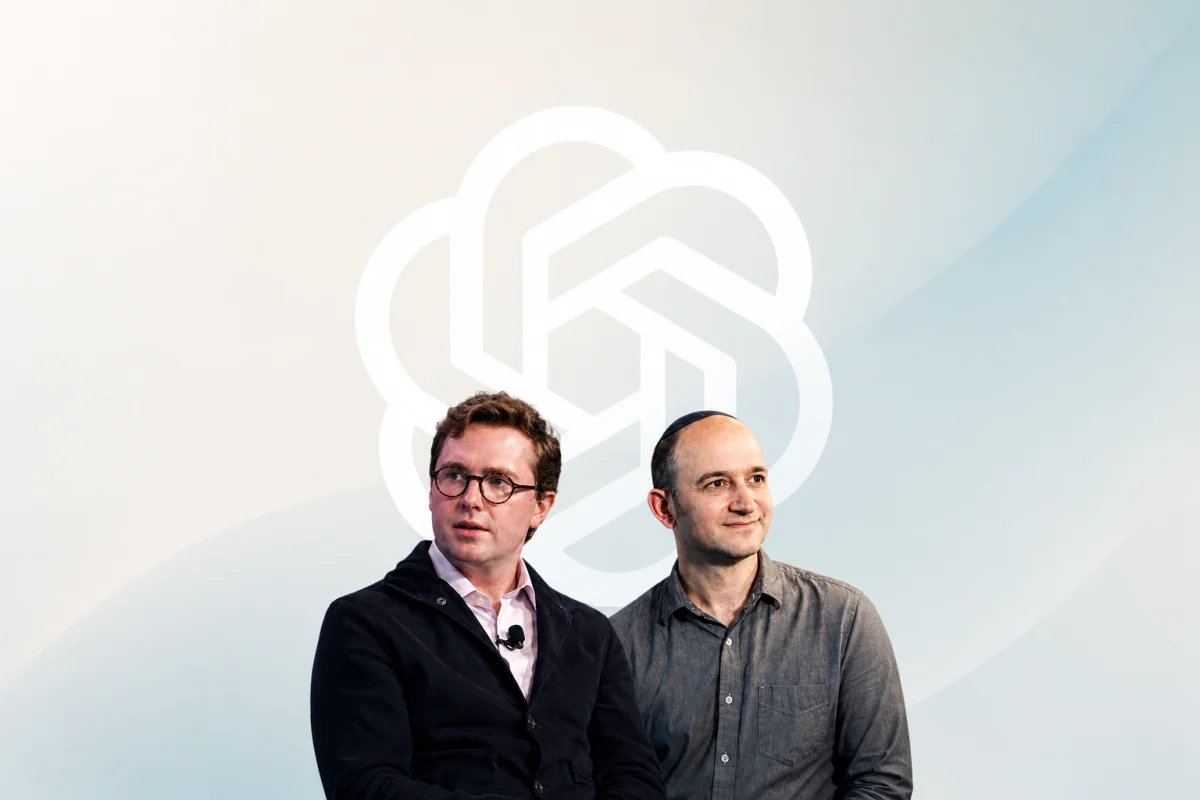
In a notable move, Redwood Materials, a leading battery recycling startup founded by former Tesla CTO JB Straubel, announced a significant restructuring. An internal memo revealed that the company would lay off approximately 10% of its workforce, totaling around 135 employees, as it pivots to better accommodate its burgeoning energy storage business. This strategic realignment also saw the departure of several key executives, including Chief Operating Officer Chris Lister, who is retiring, and at least three other VPs, reflecting a focus on streamlining management layers.
Redwood Materials plays a crucial role in the sustainable future of electric vehicles by aiming to create a circular supply chain for battery components. Its mission to recycle lithium-ion batteries and produce cathode and anode materials domestically is vital for reducing reliance on foreign supply chains and mitigating the environmental impact of EV production. The restructuring suggests a recalibration in the face of market dynamics, perhaps an acknowledgment of the capital-intensive nature and slower-than-anticipated ramp-up of large-scale battery recycling, or a strategic prioritization of the more immediate opportunities in grid-scale energy storage. This move underscores the ongoing challenges and adaptive strategies within the nascent, yet critical, EV battery ecosystem.
Humble Robotics Enters Autonomous Hauling Arena
The autonomous vehicle space continues to attract significant investment, with Humble Robotics, a San Francisco-based startup, emerging from stealth with a $24 million seed round led by Eclipse, alongside Energy Impact Partners and RedBlue Capital. Humble Robotics is focused on developing cabless autonomous electric haulers, targeting a specialized niche within the logistics industry.
The company boasts a highly experienced leadership team, including founder Eyal Cohen, whose impressive resume includes stints at Apple special projects, Uber ATG, Pronto, and Waabi, as well as founding Spark AI, which was acquired by John Deere. He is joined by Drew Gray, another AV veteran, who was an early employee at Cruise, moved to self-driving truck startup Otto (acquired by Uber), and later became CTO at Voyage (acquired by Cruise). This concentration of talent from pioneering autonomous vehicle companies speaks volumes about the expertise and lessons learned now being applied to this new venture. The choice to develop cabless electric haulers suggests a focus on specific use cases, such as port operations, factory grounds, or controlled logistics hubs, where the absence of a driver’s cab optimizes design for autonomy and electric propulsion. Their operations from Cruise’s original building mark a symbolic full-circle moment in the evolving history of Silicon Valley’s AV endeavors. The timing of their launch, nearly a decade after the initial AV boom, indicates a belief that the technology and market conditions are now more mature for commercial deployment in specific, well-defined applications.
Global Mobility Deals and Strategic Partnerships
The broader mobility sector saw a flurry of investment and strategic maneuvers:
- Lyft’s European Expansion: Breaking from its historical focus on North America, Lyft continues its international push by acquiring Gett’s U.K. ride-hailing business for an estimated $55 million. This follows its 2025 acquisition of German multi-mobility app Freenow. The deal aims to give Lyft a dominant presence among registered black cab drivers in Greater London, a significant cultural and operational achievement. Concurrently, Lyft is renewing its partnership with Serco for Europe’s Santander Cycles bike-share system and plans to commence autonomous ride testing in London with Baidu later this year, signaling a comprehensive multi-modal strategy for key global cities.
- Specialized Robotics and Energy Infrastructure: Vancouver-based A&K Robotics secured an $8 million CAD Series A round to advance its autonomous vehicles for airports, while Decade Energy raised €22 million to electrify logistics depots at scale, highlighting critical investments in supporting infrastructure for the EV transition.
- Autonomous Aircraft Development: Reliable Robotics, a Silicon Valley startup, closed a substantial $160 million funding round for its autonomous aircraft systems. The involvement of co-founder Robert Rose, who previously played a key role in shipping Tesla’s initial Autopilot in 2015, underscores the cross-pollination of talent and expertise across different autonomous domains.
- Market Adjustments: Not all ventures proceed smoothly. The SPAC merger deal between autonomous trucking company PlusAI and Churchill Capital Corp IX was terminated due to challenging market conditions, reflecting the cautious investor sentiment towards some capital-intensive, long-horizon technologies. Furthermore, Porsche made a strategic divestment, selling its stake in the Bugatti Rimac joint venture and electric-vehicle maker Rimac Group to HOF Capital, indicating a potential streamlining of its investment portfolio to focus on core EV initiatives.
Broader Industry Trends and Innovations
The week’s developments also highlighted several key trends shaping the future of transportation:
- Electrification of Logistics: Amazon is expanding its electric heavy-duty truck fleet by adding 75 Einride vehicles to its Relay freight network. This partnership signals a growing commitment from e-commerce giants to decarbonize their logistics operations and integrate advanced electric truck technologies into their supply chains.
- International Automotive Collaborations: Reports of Ford and Chinese automaker Geely discussing an extension of their European tie-up into the U.S. market, potentially introducing Chinese vehicle technology, stirred considerable debate. While Ford has since denied these specific claims, the mere discussion underscores the increasing global interdependence in automotive technology and manufacturing, alongside the complex geopolitical implications of such collaborations.
- Luxury EV Expansion: Porsche continues to diversify its electric vehicle lineup with the announcement of an all-electric Cayenne coupe, slated for a late summer market entry. This move reflects the growing demand for luxury electric SUVs and Porsche’s commitment to electrifying its iconic model range, capitalizing on strong market interest in high-performance EVs.
- Resilience in Production: Rivian demonstrated remarkable operational resilience, commencing production of its R2 SUVs at its Normal, Illinois factory just days after the facility sustained damage from an EF-1 tornado. CEO RJ Scaringe confirmed that the incident would not delay the R2’s expected customer deliveries in June, highlighting the robust recovery capabilities of modern manufacturing operations.
The Evolving In-Car Experience: Apple CarPlay Ultra
Beyond the core vehicle and mobility services, the in-car user experience continues to be a battleground for innovation. The Aston Martin Vantage Roadster recently showcased the next generation of infotainment: Apple CarPlay Ultra. This advanced system projects iPhone content directly onto multiple vehicle screens, including the instrument cluster, and integrates vehicle controls for functions like radio, performance settings, and climate.
Early experiences with CarPlay Ultra had been mixed, with initial software bugs hindering its seamless operation. However, recent tests confirm significant improvements, with instant setup and reliable performance. This development is particularly impactful for luxury brands like Aston Martin, which had previously relied on older, less intuitive infotainment systems. The transition to a deeply integrated, smartphone-centric interface represents a significant leap forward, aligning the high-performance driving experience with the intuitive digital ecosystems consumers are accustomed to. It underscores a broader industry trend where proprietary infotainment systems are increasingly being supplanted or augmented by robust smartphone integration, prioritizing user familiarity and continuous software updates from tech giants. The reliability of such integrations is paramount, as it directly influences customer satisfaction and the perceived modernity of a vehicle’s interior.








 Azin Asro
