 Amir Mahmud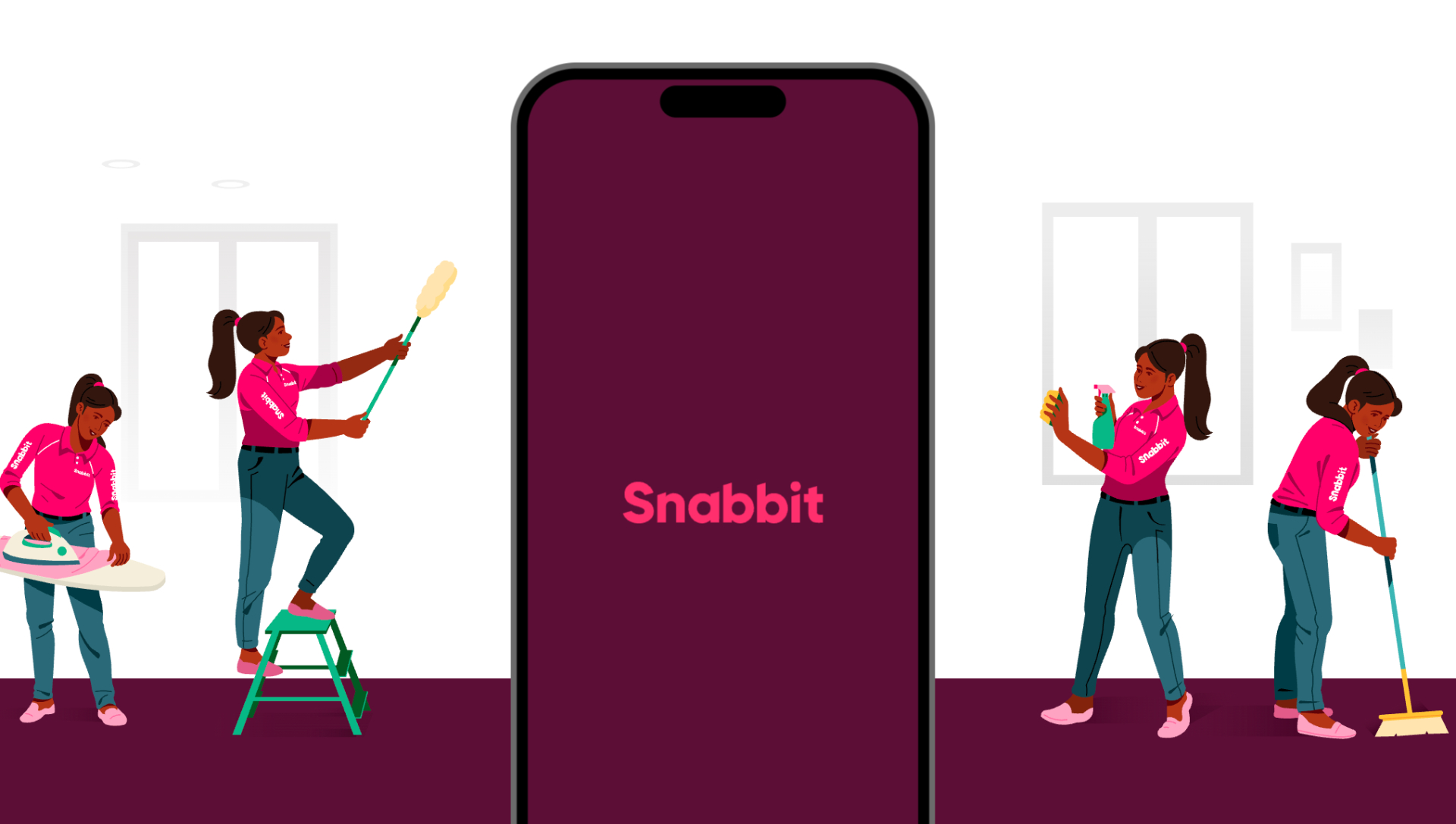
Snabbit, an emerging Indian startup specializing in instant on-demand domestic assistance, is reportedly nearing the completion of a substantial funding round that could value the company at approximately $400 million. Sources familiar with the negotiations indicate that Susquehanna Venture Capital is poised to lead this latest investment, signaling robust investor confidence in India’s burgeoning home services sector.
The Bengaluru-headquartered firm is currently in discussions to secure around $50 million in this financing round, though strong investor enthusiasm might push the final figure higher, potentially reaching $55 million or more. This significant capital injection is expected to draw participation from new investors such as Mirae Asset and FJ Labs, alongside continued support from existing backers, including Lightspeed Venture Partners and Bertelsmann India Investments. If finalized, this valuation would represent a considerable leap from the $180 million mark Snabbit achieved just last year, in October 2025, when it successfully raised $30 million. An official announcement regarding the deal could materialize in the coming days.
The Rise of On-Demand Home Services in India
Snabbit’s impressive trajectory is emblematic of a broader transformation within India’s urban landscape, where the demand for convenient, tech-enabled services has surged dramatically. Founded in 2024, the company quickly established itself by connecting households with immediate domestic help for a range of chores, including cleaning, dishwashing, and laundry. Its model emphasizes rapid turnaround times, facilitated by a carefully managed network of service professionals. Prior to this potential new round, Snabbit had amassed a total of $55 million in funding, demonstrating consistent investor belief in its operational model and market potential.
The growth of companies like Snabbit is underpinned by several powerful socio-economic shifts occurring across India. Rapid urbanization has led to a significant increase in nuclear families and dual-income households, particularly within the country’s burgeoning middle class. In these households, both partners often engage in demanding professional careers, leaving less time for household chores. Concurrently, a younger, digitally native workforce has emerged, accustomed to the immediate gratification and seamless experience offered by on-demand applications for everything from food delivery and ride-hailing to grocery shopping. This cultural shift has made outsourcing domestic tasks not just a luxury, but often a practical necessity, creating a fertile ground for platforms that can efficiently meet this demand.
Historically, domestic help in India has largely operated within an informal, unorganized sector, characterized by word-of-mouth referrals, inconsistent service quality, and often precarious working conditions for laborers. The advent of digital platforms like Snabbit seeks to formalize this sector, bringing structure, reliability, and transparency to both service providers and consumers.
Snabbit’s Rapid Ascent and Market Dynamics
Snabbit’s swift rise in valuation reflects its remarkable operational growth since its inception. Just last month, in March, the company’s founder and CEO, Aayush Agarwal, revealed via a LinkedIn post that Snabbit had completed over one million jobs. This metric highlights an exponential growth trajectory, building on earlier figures from last October when the company was recording over 10,000 daily jobs and exceeding 300,000 total orders. At that time, Snabbit reported working with approximately 5,000 professionals on its platform, notably all of whom were women. This focus on empowering women in the workforce is a significant social dimension of the platform’s impact.
The "instant" nature of Snabbit’s service model differentiates it in a crowded market. While many home service platforms allow for scheduled bookings, Snabbit aims to fulfill needs almost immediately, catering to urgent requirements or last-minute changes in household routines. This emphasis on speed and efficiency resonates strongly with urban consumers who value convenience above all.
The broader Indian instant house-help market is currently a hotbed of investor activity and fierce competition. Snabbit’s funding pursuit comes amidst a wave of similar developments. Rival startup Pronto, for instance, is also reportedly finalizing a funding round, with tech investor Lachy Groom leading an investment that could value the company at around $200 million. Meanwhile, Urban Company, a more established and dominant player in the broader home services space, has reported substantial success with its instant home services offering, "Instahelp," which surpassed one million monthly bookings in March. This intense competition underscores the massive, largely untapped potential of the sector, but also signals the increasing need for companies to innovate and differentiate to maintain market share and attract capital.
Social and Economic Implications
The emergence and expansion of platforms like Snabbit carry significant social and economic implications for India. Economically, these platforms are formalizing a previously unorganized sector, potentially leading to better wages, more predictable income, and improved working conditions for domestic laborers. By aggregating demand and standardizing services, they can offer workers a steadier stream of assignments and greater bargaining power, moving away from the often exploitative dynamics of informal employment. Furthermore, the "gig economy" model, while presenting its own challenges regarding worker benefits and stability, offers flexibility that can be particularly appealing to individuals seeking supplementary income or those with family responsibilities.
Socially, the focus on employing women, as highlighted by Snabbit’s workforce composition, is particularly impactful. In a country where women’s participation in the formal workforce has traditionally faced numerous barriers, platforms that offer flexible and accessible employment opportunities can play a crucial role in economic empowerment. This not only provides financial independence but also contributes to changing societal perceptions about women’s roles and capabilities. For urban consumers, the convenience offered by these services can significantly alleviate domestic burdens, allowing them to better manage work-life balance and pursue personal interests, thus contributing to an overall improvement in quality of life.
Culturally, the widespread adoption of on-demand home services signifies a subtle yet profound shift in how Indian society views domestic labor. The move from relying on long-term, live-in or part-time domestic help to engaging task-based, app-driven services reflects a modernization of household management, aligning with global trends in convenience-driven consumption.
Investor Confidence and Future Outlook
The substantial valuation jump for Snabbit, from $180 million to a projected $400 million in less than a year, is a clear indicator of strong investor confidence in its business model and the underlying market. Venture capital firms are attracted to India’s consumer internet space due to its massive population, increasing internet penetration, rising disposable incomes, and a cultural propensity for services. The home services sector, in particular, offers a large addressable market with high-frequency usage and potential for recurring revenue, making it a compelling investment thesis.
However, the rapid growth also brings challenges. Maintaining service quality and consistency across a large, distributed workforce is paramount for customer satisfaction and retention. Worker acquisition and retention strategies are crucial in a competitive market where professionals can easily switch between platforms. Pricing models must balance affordability for consumers with fair compensation for workers, ensuring the sustainability of the business. Regulatory landscapes concerning gig economy workers are also evolving, which could impact operational costs and models.
Despite these potential hurdles, the trajectory of Snabbit and its peers suggests a robust future for India’s instant home services market. As urban populations continue to expand and digital adoption deepens, the convenience and efficiency offered by these platforms are likely to become even more integral to daily life. The current funding round for Snabbit, therefore, is not just a testament to one startup’s success but a powerful affirmation of the transformative potential of technology in addressing everyday needs within one of the world’s largest and most dynamic economies. While Snabbit and its investors have not yet provided official comments on the ongoing funding discussions, the market signals are clear: the race to dominate India’s domestic convenience sector is intensifying, promising both innovation and significant economic impact.










 Azin Asro
