 Amir Mahmud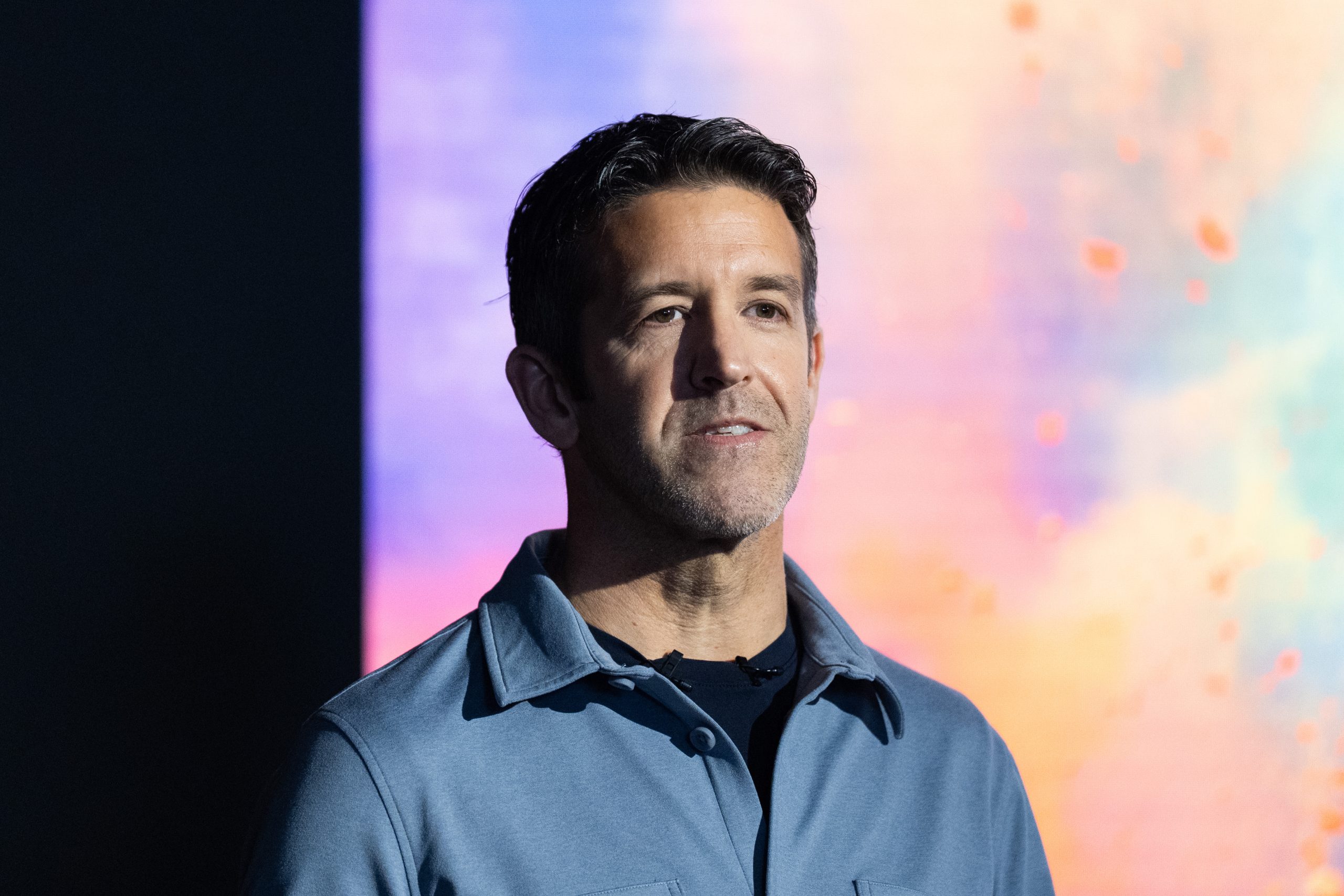
The global technology landscape is poised for a significant shift as Apple, a company synonymous with innovation and market dominance, prepares for a change in leadership. On Monday, the Cupertino-based giant announced that John Ternus would assume the role of Chief Executive Officer later this year, succeeding the long-serving Tim Cook. This transition signals a potential recalibration of Apple’s strategic focus, particularly toward a renewed emphasis on hardware development, intrinsically linked with the burgeoning field of artificial intelligence.
A Legacy of Transformation: Tim Cook’s Tenure
Tim Cook’s departure marks the end of an era defined by unprecedented growth and diversification. Taking the helm from co-founder Steve Jobs in 2011, Cook inherited a company revered for its groundbreaking products and design prowess. Over his fifteen-year tenure, he meticulously transformed Apple into a financial behemoth, expanding its valuation to an astonishing $4 trillion. Cook’s leadership was characterized by an unparalleled mastery of global supply chains, a significant expansion into the lucrative services sector—including Apple Music, Apple TV+, and the App Store—and a steadfast commitment to operational efficiency. Under his stewardship, Apple navigated complex geopolitical challenges and solidified its position as one of the world’s most profitable corporations, overseeing a period of sustained profitability that few tech companies have matched. His strategic vision steered Apple through intense market competition, cemented its brand loyalty, and broadened its ecosystem well beyond its iconic iPhone.
John Ternus: The Architect of Devices
The incoming CEO, John Ternus, brings a distinctly different professional pedigree to the top executive position. Unlike Cook, whose background was rooted in operations and supply chain management, Ternus is a quintessential hardware engineer, having dedicated his entire career at Apple to the creation and refinement of its physical products. Joining the company in 2001, Ternus steadily ascended through the ranks of Apple’s highly competitive hardware engineering division, a trajectory that saw him contribute to some of the most impactful and widely adopted devices in modern history. His fingerprints are on critical products such as the immensely popular AirPods, the health and fitness-focused Apple Watch, and more recently, the ambitious Vision Pro mixed-reality headset.
Ternus’s appointment suggests a deliberate strategic pivot for Apple, signaling a potential return to its foundational strength in tangible product innovation. This move comes at a crucial juncture for the company, as the tech industry grapples with defining the next major wave of technological advancement beyond the smartphone. Ternus’s deep technical expertise and hands-on experience in product development position him uniquely to steer Apple through this period of intense competition and rapid technological evolution, particularly in the realm of artificial intelligence.
Hardware with AI at the Forefront: A New Strategic Direction
Under Ternus, Apple’s future hardware strategy is expected to center heavily on the integration of artificial intelligence, not necessarily through direct competition in building the largest foundational AI models, but rather by embedding AI capabilities directly into the devices users interact with daily. This approach aligns with Apple’s historical emphasis on user experience and privacy, leveraging on-device AI for personalized and efficient functionality. The focus is anticipated to be on "edge AI," where processing occurs locally on the device, enhancing speed, security, and responsiveness without constant cloud reliance.
Industry speculation is already rife with predictions about Apple’s next generation of AI-powered products. Concepts circulating in the tech community include advanced smart glasses, a wearable pendant equipped with a camera, and enhanced AirPods featuring integrated AI capabilities. The overarching idea behind these potential innovations is a seamless connectivity to the iPhone, with Siri—Apple’s long-standing virtual assistant—evolving to play a more central and intelligent role in coordinating these interconnected devices. This vision suggests a future where Apple’s ecosystem extends beyond current devices into a more pervasive, ambient computing environment, subtly integrating AI into every aspect of a user’s digital life.
Expanding the Product Horizon: Foldables and Robotics
Beyond wearables, Ternus is also expected to accelerate the development and market introduction of products that have remained in Apple’s research and development pipeline for an extended period. A prime example is the long-rumored foldable iPhone. While competitors have already launched several generations of foldable smartphones, Apple has characteristically adopted a more cautious approach, waiting until the technology matures sufficiently to meet its stringent standards for durability, design, and user experience. Reports indicate that a foldable iPhone could finally arrive in September, placing its launch squarely under Ternus’s new leadership. The successful debut of such a device would not only demonstrate Apple’s engineering prowess but also its ability to innovate within established product categories, potentially revitalizing the smartphone market with a premium, robust foldable option.
Perhaps even more intriguing is Apple’s reported foray into the field of robotics, particularly for home applications. One concept being explored involves a tabletop device featuring a robotic arm attached to a display, envisioning a smart assistant that can physically move and orient itself toward a user, offering a more interactive and dynamic experience than static smart speakers. This concept resonates deeply with Ternus’s personal history; notably, during his college years, he developed a device that enabled quadriplegics to control a mechanical feeding arm using head movements, showcasing a long-standing interest in the practical applications of robotics.
Further explorations reportedly include mobile robots designed to follow users around their homes, assisting with simple tasks or functioning as a dynamic, moving screen for video calls like FaceTime. While still highly speculative and likely many years from commercialization, there have even been mentions of Apple experimenting with humanoid robots. These initiatives underscore Apple’s ambition to explore entirely new product categories that could redefine the smart home and personal assistance, pushing the boundaries of what is possible with integrated hardware and AI. The social and cultural implications of ubiquitous home robots, from privacy concerns to redefining daily convenience, are vast and will undoubtedly be a significant topic of discussion as these concepts develop.
Navigating a Complex Global Landscape: Supply Chains and Geopolitics
Despite the exciting prospects for innovation, Ternus will assume leadership at a time of considerable global economic and geopolitical uncertainty, posing significant challenges to Apple’s ambitious hardware roadmap. Persistent memory chip shortages continue to plague the electronics industry, impacting production timelines and costs across the board. These shortages, stemming from a confluence of factors including increased demand, supply chain disruptions, and limited manufacturing capacity, could delay product launches and constrain the availability of critical components for Apple’s advanced devices.
Furthermore, the specter of shifting tariff policies, particularly from potential future U.S. administrations, looms large. Historically, policies enacted by previous administrations have imposed tariffs on goods imported from China, significantly increasing manufacturing costs for companies heavily reliant on Chinese production. Apple, having traditionally produced the vast majority of its iPhones in China—approximately 80% prior to the imposition of such tariffs—has been particularly vulnerable to these trade policies.
In response to these geopolitical and economic pressures, Apple has embarked on a strategic diversification of its manufacturing base. This pivot is evident in the company’s increased investment in India, where it manufactured roughly 25% of its iPhones last year. This shift is not merely a cost-saving measure but a crucial strategy to de-risk its supply chain, mitigate the impact of future tariffs, and reduce its dependence on any single country for production. While expanding manufacturing to countries like India offers greater resilience, it also introduces new logistical complexities, requires significant capital investment, and necessitates the development of new supplier ecosystems and skilled labor forces. The ongoing trend of supply chain diversification reflects a broader industry movement away from concentrated manufacturing hubs, driven by a desire for greater stability and adaptability in an unpredictable global economy.
The Road Ahead: Innovation and Resilience
John Ternus’s ascent to CEO marks a pivotal moment for Apple. His background as a hardware engineering luminary, coupled with the company’s clear intent to intertwine hardware development with advanced artificial intelligence, signals a renewed focus on groundbreaking product innovation. This strategy aims to extend Apple’s ecosystem into new domains, from ambient computing wearables to sophisticated home robotics, potentially setting the stage for the next generation of personal technology.
However, the path forward is fraught with challenges. Navigating the complexities of global supply chain disruptions, managing the economic implications of trade policies, and ensuring a resilient manufacturing network will be paramount to Apple’s continued success. Under Ternus’s leadership, Apple will need to deftly balance its pursuit of ambitious technological frontiers with the pragmatic realities of a dynamic and often unpredictable global marketplace. The coming years will reveal whether this strategic shift, anchored in hardware innovation and AI integration, will propel Apple into another era of transformative growth and redefine the boundaries of personal technology once more.







 Azin Asro
