 Amir Mahmud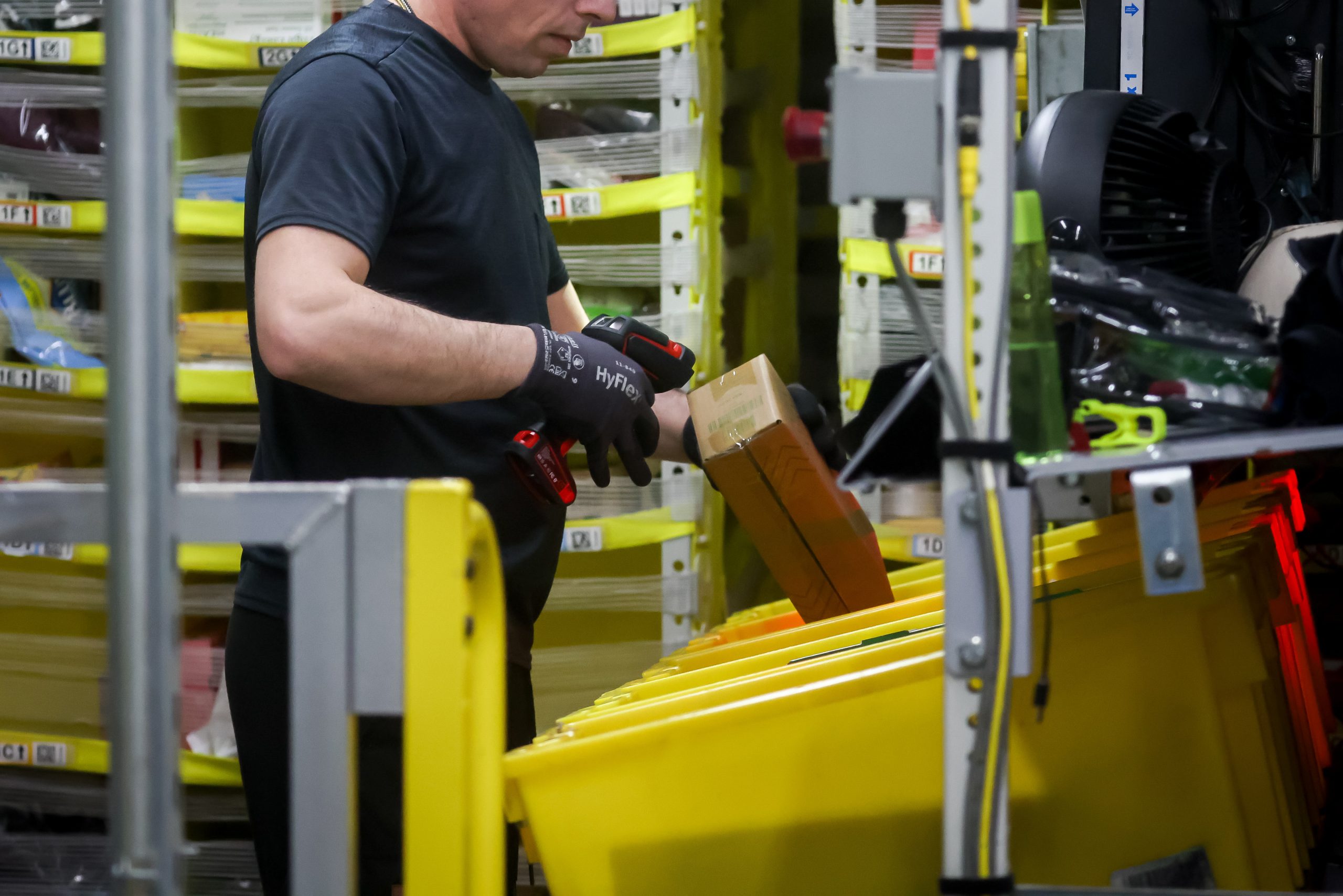
A recent tragic event at an Amazon fulfillment center in Troutdale, Oregon, has cast a somber light on the demanding nature of e-commerce logistics, sparking renewed public and regulatory scrutiny into the company’s workplace safety protocols. An employee at the PDX9 warehouse passed away while on duty last week, an incident confirmed by an Amazon spokesperson, prompting an immediate internal response and wider discussion about conditions within the retail giant’s vast network of distribution hubs.
Initial Incident and Company Response
Details emerging from the incident, initially reported by The Western Edge, an independent investigative news outlet, suggest a distressing scene: the worker reportedly collapsed on the facility floor, and, for a period, operations continued around the individual. This account has intensified concerns among workers and advocates regarding the company’s emergency response procedures and the broader environment within its fulfillment centers. The sheer scale of Amazon’s operations, with thousands of employees often working in large, bustling facilities, can sometimes obscure individual incidents, yet each such event carries significant weight for those involved and observing.
In the wake of the tragedy, Amazon spokesperson Sam Stephenson conveyed the company’s profound sorrow, stating, "We’re deeply saddened by the passing of a member of our team, and our thoughts and deepest sympathies are with their loved ones during this difficult time." Stephenson further indicated that Amazon has established contact with the deceased’s family, offering resources for support. For employees at the PDX9 facility, the company has provided on-site grief counselors and additional support services. Amazon also acknowledged and expressed gratitude for the efforts of the Multnomah County Sheriff’s Department and local emergency medical services who responded to the scene. Following the incident, employees on the shift were sent home early with full pay for the remainder of their scheduled hours, and the subsequent night shift was canceled, with affected employees also receiving compensation.
However, the circumstances surrounding the death have fueled speculation among employees. Discussions on an online forum frequented by Amazon fulfillment center workers included claims from individuals identifying as PDX9 employees who suggested that the building had been experiencing unusually high temperatures. They attributed this to the recent installation of soundproof curtains, which, they contended, may have impeded airflow. This alleged heat, combined with the inherently strenuous physical demands of warehouse work, was speculated by some to be a potential contributing factor to the employee’s death. Interestingly, some workers noted a discernible improvement in the building’s temperature upon their return to work the following day. Despite these concerns, Amazon communicated that the Oregon Occupational Safety and Health Administration (OSHA) determined the incident to be unrelated to work activities.
A Pattern of Concern: Historical Safety Issues
The Troutdale facility, PDX9, has previously garnered attention for its working conditions. A 2018 investigation by The Portland Mercury highlighted the warehouse’s reputation for having harsh operational environments. Another significant investigative report from Reveal in 2018 documented a striking injury rate at the same facility, finding that approximately 26% of its employees had sustained injuries. These past reports contribute to a historical narrative of scrutiny surrounding Amazon’s safety practices.
Amazon’s rapid expansion into a global e-commerce powerhouse has fundamentally reshaped consumer expectations and the retail landscape. However, this growth has also come with persistent questions about the human cost of its operational efficiency. The company’s business model relies heavily on a vast network of fulfillment centers, where goods are stored, picked, packed, and shipped at an astonishing pace. The relentless drive for speed and productivity, often measured by metrics that track individual worker output, has been cited by critics and worker advocates as a root cause of safety issues. These metrics, while designed to optimize efficiency, can inadvertently pressure employees to work at an unsustainable pace, potentially leading to errors, exhaustion, and ultimately, injuries.
A broader report based on 2024 OSHA data, compiled by the Strategic Organizing Center (SOC), a coalition of labor unions, indicated that Amazon’s fulfillment centers report serious injuries at a rate more than twice the warehouse industry average. This statistic underscores a systemic challenge that goes beyond isolated incidents, suggesting that despite its scale and resources, Amazon has struggled to bring its injury rates in line with industry norms. The consistent reporting of high injury rates across its network has been a focal point for labor organizations and safety advocates, who argue that the company’s pursuit of rapid delivery times often comes at the expense of worker well-being.
Regulatory Scrutiny and Ongoing Investigations
The incident in Troutdale occurs amidst a backdrop of escalating federal oversight into Amazon’s workplace safety practices. Multiple federal agencies and prosecutors have initiated probes into the company’s warehouses, raising allegations that Amazon may have manipulated data and failed to properly document workplace injuries. These accusations, if substantiated, would represent a serious breach of regulatory compliance and a significant blow to the company’s public image regarding its commitment to worker safety. The U.S. Attorney’s Office for the Southern District of New York, for example, is currently conducting an ongoing investigation specifically focused on workplace safety conditions within Amazon’s vast warehouse infrastructure.
These investigations are not isolated. OSHA, the primary federal agency responsible for occupational safety and health, has cited Amazon on numerous occasions for violations related to unsafe conditions, particularly concerning ergonomic hazards that lead to musculoskeletal injuries. The agency has often pointed to the fast pace of work and repetitive motions required in Amazon’s facilities as major contributors to these injuries. The regulatory environment is complex, requiring companies to not only comply with established safety standards but also to proactively identify and mitigate risks inherent in their operations. The ongoing nature of these investigations suggests that regulators believe there are systemic issues that require comprehensive examination and potential enforcement actions.
The Human Cost of E-commerce
The cultural impact of Amazon’s business model is pervasive. Consumers have grown accustomed to the convenience of next-day or even same-day delivery, a logistical marvel made possible by the labor of hundreds of thousands of warehouse workers. This societal expectation, however, often overlooks the immense pressure placed on the human element of the supply chain. The death of a worker on the job, regardless of the official cause, inevitably brings these unseen pressures to the forefront of public consciousness. It forces a critical examination of the balance between consumer demand, corporate efficiency, and worker welfare.
From a social perspective, the economic impact of Amazon’s presence in communities like Troutdale is significant, providing employment opportunities that are often welcomed. However, the nature of these jobs and the conditions under which they are performed are subject to intense debate. The incident serves as a poignant reminder that while automation plays an increasingly large role in modern logistics, human labor remains indispensable, and the safety of those individuals must be paramount. The broader narrative around "essential workers" during periods like the COVID-19 pandemic further highlighted the critical, yet often hazardous, roles played by warehouse employees.
Amazon’s Stated Commitment to Safety
In response to persistent scrutiny and concerns, Amazon has repeatedly asserted its commitment to improving workplace safety. The company reported a 43% reduction in its global recordable incident rate—a metric tracking any work-related injury requiring more than basic first aid—since 2019. This figure, if accurate and reflective of genuine improvements, indicates a concerted effort to address safety challenges. Amazon also stated that it has invested over $2.5 billion in safety enhancements since 2019, with hundreds of millions allocated in 2026 alone. These investments reportedly include technology improvements, process changes, and training programs aimed at reducing risks.
The company’s strategy often involves a multi-faceted approach, incorporating ergonomic assessments, the deployment of new robotics to handle heavy or repetitive tasks, and comprehensive safety training for employees. Amazon frequently highlights its "safety innovation" programs, such as advanced analytics to identify potential hazards and predictive models to prevent injuries. However, critics argue that these measures, while positive, have not yet translated into injury rates that align with the broader industry average, suggesting that more fundamental changes to the pace of work or the underlying operational philosophy may be necessary.
The Broader Industry Context
The challenges faced by Amazon are, in some respects, emblematic of broader trends within the rapidly expanding logistics and e-commerce industries. The demand for faster and cheaper delivery has placed immense pressure on the entire supply chain, from manufacturers to delivery drivers. Warehouses across the sector are experiencing unprecedented growth and technological transformation, but also increased scrutiny over working conditions. The proliferation of automated systems often works in conjunction with human labor, creating new interfaces and potential hazards that require careful management.
The debate over worker safety extends beyond Amazon to numerous other large logistics companies. Labor unions and worker advocacy groups continuously push for stronger protections, better pay, and more humane working conditions across the industry. The incident in Troutdale, therefore, resonates within a larger dialogue about the future of work in a digitally driven economy, the responsibilities of mega-corporations, and the efficacy of regulatory oversight in an era of rapid technological and economic change.
Looking Ahead: The Future of Warehouse Work
The death at the Troutdale facility serves as a stark reminder of the human element at the heart of the modern consumer economy. While Amazon maintains that the incident was not work-related, the ongoing investigations and persistent questions from workers and the public underscore the need for transparency and accountability. As e-commerce continues its meteoric rise, the conversation around workplace safety in fulfillment centers will undoubtedly intensify. The industry, led by giants like Amazon, faces the imperative to not only meet the demands of a global market but also to ensure the well-being and safety of the workforce that makes it all possible. The outcomes of the ongoing investigations, combined with continued public and media scrutiny, will likely shape future policies and practices, potentially redefining what it means to work in the fast-paced world of digital retail logistics.










 Azin Asro
