Amir Mahmud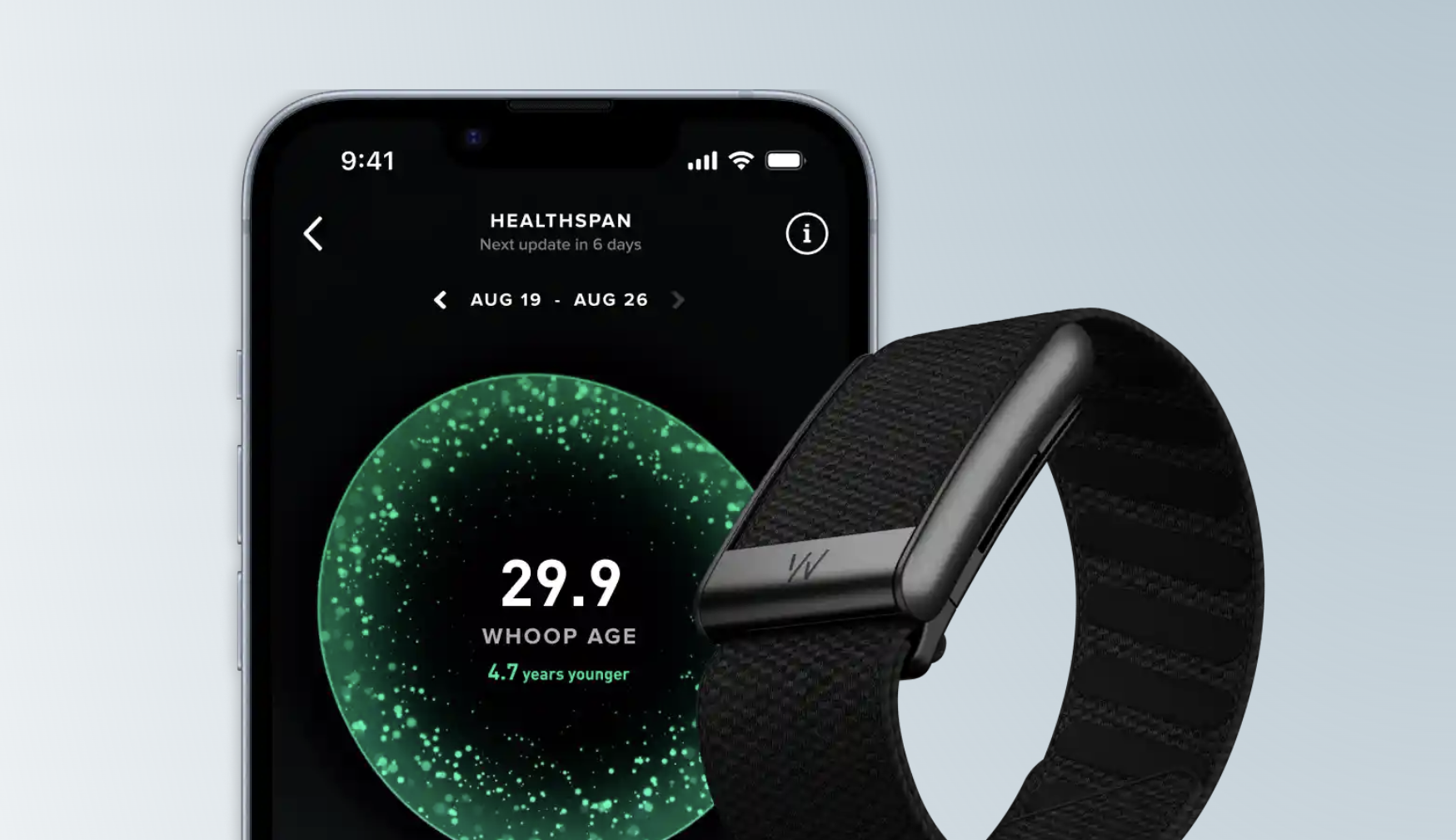
Whoop, the innovative company behind the screenless, subscription-based fitness and health tracking wearable, has achieved a remarkable milestone, finalizing a $575 million Series G funding round that propels its valuation to an impressive $10.1 billion. This latest capital infusion represents a nearly threefold increase from its last reported valuation of $3.6 billion, signaling robust investor confidence in the company’s unique approach to personalized health and performance optimization. The funding round drew a diverse and powerful consortium of investors, including prominent sovereign wealth funds, leading health institutions, and a roster of some of the world’s most recognizable athletes, underscoring Whoop’s broad appeal and strategic potential across various sectors.
The Evolution of Personal Health Tracking
To fully appreciate Whoop’s ascent, it is essential to contextualize its place within the broader evolution of wearable technology. The journey began decades ago with rudimentary pedometers, evolving through the early 2010s with the rise of dedicated fitness trackers like Fitbit and Jawbone, which popularized step counting and basic sleep monitoring. The introduction of smartwatches, notably the Apple Watch, further integrated health tracking into daily life, offering a blend of communication, convenience, and health metrics. However, Whoop carved out a distinct niche by eschewing screens and notifications, instead focusing entirely on deep physiological data analysis.
Founded by Will Ahmed out of Harvard University in 2012, Whoop initially targeted elite athletes, coaches, and sports teams. Ahmed’s vision stemmed from his experience as a collegiate athlete, where he observed a lack of objective data to inform training, recovery, and peak performance. The early iterations of the Whoop strap were designed to provide unparalleled insights into recovery, sleep quality, and daily physiological strain, utilizing metrics like heart rate variability (HRV), resting heart rate, and sleep stages. This focus on actionable data, rather than just raw numbers, quickly garnered a loyal following among professionals seeking to optimize their bodies and minds. Over time, the company democratized this technology, making it accessible to general consumers who shared an interest in proactive health management and performance enhancement. This strategic shift from an exclusive tool for pros to a consumer-friendly device significantly broadened its market appeal and set the stage for its rapid growth.
A Convergence of Capital and Expertise
The recent Series G funding round underscores the strategic depth of Whoop’s investor base. The round was spearheaded by Collaborative Fund, known for its investments in purpose-driven companies, and saw participation from an array of global financial powerhouses and strategic partners. Among the notable participants were Mubadala Investment Company and the Qatar Investment Authority, two of the world’s largest sovereign wealth funds, alongside 2PointZero Group. Their involvement signifies a long-term strategic interest in the health technology sector and a belief in Whoop’s global scalability and impact. These funds often seek stable, high-growth investments that align with future economic trends, positioning Whoop as a significant player in the digital health revolution.
Perhaps even more strategically impactful is the participation of medical device giant Abbott and the prestigious Mayo Clinic. This represents a pivotal moment for Whoop, signaling a deliberate and significant push into the health and medical capabilities arena. Whoop founder and CEO Will Ahmed indicated that this partnership signifies "more to come" on specific medical announcements, hinting at potential future integrations where Whoop’s continuous physiological monitoring could play a role in preventative medicine, chronic disease management, or even clinical research. The validation from such established medical entities lends immense credibility to Whoop’s data and its potential applications beyond pure fitness. Other significant investors included Macquarie Capital, IVP, Foundry Group, Accomplice, Affinity Partners, Glade Brook, B-Flexion, Promus Ventures, and Bullhound Capital, reflecting a broad consensus on Whoop’s market potential.
Adding a unique layer to the investor landscape are the high-profile individual investors. Global sports icons like Cristiano Ronaldo, LeBron James, and Rory McIlroy, alongside NBA legend Reggie Miller and pop star Niall Horan, are not merely financial contributors but also powerful brand ambassadors. Their personal use and endorsement of Whoop have been instrumental in building brand awareness and credibility, particularly within performance-oriented communities. This fusion of celebrity influence and strategic capital has created a potent ecosystem for Whoop’s continued expansion. With this latest injection, Whoop’s total capital raised since its inception now approaches $900 million, illustrating a consistent trajectory of investor confidence and growth.
The Business Model: Beyond Hardware Sales
Whoop’s business model is a critical differentiator in the crowded wearable market. Unlike many competitors that rely primarily on one-time hardware sales, Whoop operates on a subscription-first model. Members pay a recurring fee for access to the platform’s advanced analytics, personalized coaching, and a continuously updated software experience, while the hardware itself is often included as part of the membership. This model fosters a deeper, ongoing relationship with users and provides a more predictable revenue stream.
Will Ahmed highlighted that the company exited the previous year with a $1.1 billion bookings run rate, marking a substantial 103% year-over-year increase. He emphasized "bookings" as the most appropriate metric for Whoop’s unique operational structure. For a company that simultaneously designs, manufactures, and ships millions of hardware units globally while managing a recurring subscription service, traditional revenue metrics alone can obscure the full financial picture. Bookings, which represent contracted sales and commitments for future revenue, better capture the complex cash dynamics involved in managing inventory, hardware production costs, and the steady influx of subscription fees. This metric provides investors with a clearer understanding of the company’s underlying growth momentum and its ability to attract and retain long-term subscribers.
Strategic Horizon: Growth, Innovation, and Healthcare Integration
With this substantial capital infusion, Whoop is poised for aggressive expansion across several key areas. Ahmed outlined the immediate priorities: talent acquisition and hiring, enhancing marketing and brand awareness initiatives, and significantly increasing investment in research and development. The company plans to recruit top-tier engineers, data scientists, and product developers to continue refining its algorithms, expanding its data analytics capabilities, and exploring next-generation sensor technologies. The emphasis on R&D suggests future iterations of the Whoop strap will likely incorporate even more sophisticated physiological tracking and artificial intelligence-driven insights, further personalizing the user experience.
Accelerating international expansion is another critical component of Whoop’s growth strategy. While already a global brand, the new funding will enable Whoop to penetrate new markets, localize its offerings, and build out robust operational infrastructures worldwide. This global footprint will be essential for scaling its subscription base and cementing its position as a leading health tech provider.
The most transformative aspect of Whoop’s future trajectory, however, appears to be its deepening commitment to healthcare integration. The strategic partnerships with Abbott and Mayo Clinic are not merely investments but collaborative ventures. Whoop’s continuous, passive data collection – encompassing heart rate variability, respiratory rate, sleep patterns, and daily strain – holds immense promise for bridging the gap between consumer wellness and clinical health. Imagine a future where Whoop data could offer early detection of illness, aid in monitoring chronic conditions, personalize rehabilitation programs, or even contribute to large-scale epidemiological studies. This move positions Whoop not just as a fitness gadget maker, but as a potential partner in the broader healthcare ecosystem, moving towards a proactive, data-driven model of health management.
The Public Market Question and Broader Impact
The considerable valuation and funding round naturally invite speculation about a potential initial public offering (IPO). With rival Oura reportedly engaging with bankers regarding its own public listing plans, the question of Whoop’s market debut looms large. While Will Ahmed stated the company is undertaking "a lot of the no-regrets work to be a public company" – implying robust internal controls, financial transparency, and governance structures are being put in place – he stopped short of signaling any imminent plans for an IPO. The current funding provides Whoop with significant runway, allowing it to continue executing its growth strategy without immediate pressure to enter the public markets.
Should Whoop decide to go public, its strong brand recognition among health-conscious and performance-oriented consumers could generate considerable retail investor enthusiasm. Its unique blend of hardware, software, and a compelling health narrative positions it favorably in a market increasingly interested in wellness and preventative health solutions.
Beyond its financial success, Whoop has profoundly influenced modern health and fitness culture. It has played a significant role in democratizing access to physiological data once reserved for elite athletes, shifting the focus from simply "working out hard" to intelligently managing recovery, sleep, and overall physiological strain. This emphasis on holistic well-being has resonated culturally, contributing to a broader societal shift towards proactive health management, self-optimization, and a deeper understanding of the body’s intricate systems. As the company continues to innovate and expand into clinical applications, Whoop stands poised to not only redefine personal performance but also significantly contribute to the future of personalized and preventative medicine on a global scale.