Amir Mahmud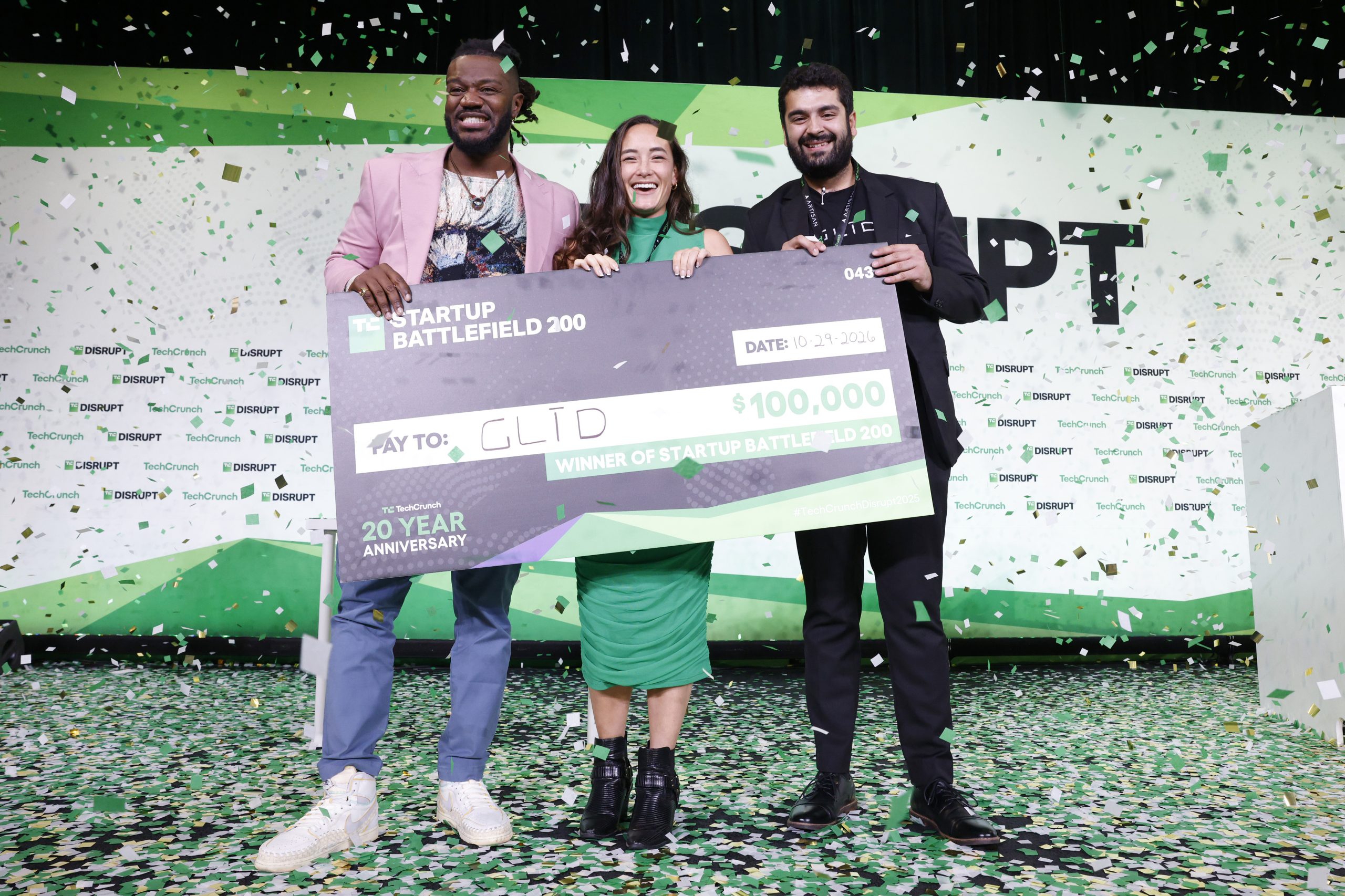
As the world hurtles towards new technological frontiers, the annual TechCrunch Disrupt conference stands as a pivotal beacon for emergent innovation, and its centerpiece, the Startup Battlefield, continues to be a crucial launchpad for the next generation of industry-defining companies. For 2026, the call for applications has been issued, inviting founders from across the globe to present their groundbreaking ventures. Yet, a persistent trend reveals that many of the most promising innovators, often those on the cusp of true disruption, hesitate to apply, underestimating their readiness or the program’s true intent. They might perceive themselves as too early in their development cycle, lacking significant traction, or believe the competition is geared towards more established enterprises. This misconception, however, overlooks the very essence of Startup Battlefield: a quest for raw, transformative potential, not just polished perfection.
A Legacy of Innovation: The Startup Battlefield Journey
The roots of the Startup Battlefield stretch back to 2007, when TechCrunch founder Michael Arrington sought to create a platform that would spotlight truly nascent, world-changing companies. From its inception, the competition has carved out a unique niche, distinguishing itself from other pitch events by focusing intensely on the foundational technology and the visionary teams behind it, often before they gain widespread public attention or significant venture capital. Over the years, this stage has hosted the initial public unveilings of companies that have since become household names and industry giants. Think of Dropbox, which revolutionized cloud storage; Yammer, a pioneer in enterprise social networking; Mint, a personal finance management tool; and Getaround, a leader in peer-to-peer car sharing. These alumni underscore the program’s enduring ability to identify and propel startups that go on to achieve significant market capitalization and societal impact.
The history of Startup Battlefield is a testament to the power of early exposure. It’s not merely a competition; it’s a global phenomenon that has helped democratize access to capital, mentorship, and media visibility for founders who might otherwise struggle to break through the noise of the competitive startup ecosystem. Each year, the event culminates at TechCrunch Disrupt, a premier technology conference, scheduled for October 13-15, 2026, in San Francisco. This setting provides an unparalleled stage where the chosen cohort, known as the Startup Battlefield 200, presents their innovations to a global audience of investors, media, and tech enthusiasts, with one ultimately crowned the champion, often securing a significant, non-dilutive cash prize and invaluable recognition.
Beyond Traction: What Judges Truly Seek in 2026
At its core, the Startup Battlefield is designed to identify the most promising ventures, not necessarily the most financially advanced or media-savvy. The program’s evaluators are on a relentless pursuit for ideas that are "meaningfully different" and possess the potential to be "category-defining." This isn’t about incremental improvements to existing solutions; it’s about genuine paradigm shifts that can render current methodologies obsolete. The central question guiding the selection process is deceptively simple: "Does this genuinely change something?"
In today’s dynamic technological landscape, where trends like artificial intelligence, decentralized systems, sustainable tech, and biotech are rapidly evolving, the criteria for disruption are more critical than ever. Judges are looking for startups that aren’t just riding a wave but are creating new ones. This requires a deep understanding of market needs, a bold vision for the future, and the courage to challenge conventional wisdom. A company that merely offers a "better, faster, cheaper" version of an existing product, while potentially viable, is unlikely to capture the imagination of the Battlefield judges in the same way as one introducing an entirely novel approach or solving a previously intractable problem. The emphasis is on the "what if" – the profound implications of a technology or business model that reshapes user behavior, industry structures, or even societal norms.
The Pillars of Promise: Product, Team, and Global Vision
The selection process for Startup Battlefield 2026 hinges on several key pillars, meticulously evaluated by a panel of seasoned experts. These elements provide a holistic view of a startup’s potential for impact and longevity.
Product and Disruption
The tangible manifestation of an idea is paramount. While a company doesn’t need to be post-launch or revenue-generating, a demonstrable Minimum Viable Product (MVP) is essential. This isn’t about slick animations or theoretical whitepapers; it’s about a functional prototype that showcases the core innovation. The judges want to witness the product in action, even if it’s rough around the edges or a simple screen recording. This emphasis underscores the belief that a working product, however rudimentary, provides concrete evidence of a team’s ability to execute and validates the potential for genuine disruption. It allows evaluators to assess whether the proposed solution truly represents a fundamental shift in how tasks are performed, problems are solved, or services are delivered, moving beyond mere iterative enhancements.
The Founding Team’s Narrative
Beyond the product, the human element is critically important. The founding team’s story — "why you, why now, why this problem?" — is a central component of the application. Judges seek founders who can articulate their conviction with clarity and passion, illustrating not just the market size but their unique insights, personal connection to the problem, and unwavering commitment to its solution. This origin story often reveals the grit, resilience, and specific expertise that make a team uniquely qualified to tackle a particular challenge. In a world saturated with ideas, the "who" behind the "what" can often be the most compelling differentiator, signaling a team capable of navigating the inevitable challenges of startup growth.
Cultivating a Diverse Ecosystem
TechCrunch actively champions a global and inclusive approach to innovation. The Startup Battlefield 200 cohort is intentionally diverse, encompassing companies from every corner of the world and spanning the full spectrum of technology verticals. This commitment reflects a recognition that groundbreaking ideas can emerge from anywhere and that solutions developed in one region can have profound implications globally. Founders building important technologies in geographies or sectors that traditionally receive less media spotlight or venture capital attention are particularly encouraged to apply. This strategic focus not only enriches the competition but also fosters a more equitable and dynamic global startup ecosystem, driving innovation by tapping into a wider pool of talent and perspectives.
Dispelling Myths: What Won’t Hold You Back
Many founders harbor misconceptions that prevent them from applying, unknowingly disqualifying themselves before the process even begins. Startup Battlefield aims to level the playing field, making it accessible to promising ventures regardless of their current external profile.
- Press Coverage is Not a Disqualifier: While extensive, product-showcasing media coverage might suggest a company is beyond the "early stage" focus, local or industry-specific mentions, or founder profiles, are perfectly acceptable. The program seeks to be the platform where a company’s core technology truly has its moment in the global spotlight.
- Pre-Launch Status is Welcome: Contrary to popular belief, a startup doesn’t need to have customers or revenue to apply. A working MVP is the primary requirement. This openness to pre-launch companies reaffirms SBF’s mission as a launchpad, not just a validation platform for established businesses.
- Previous Applications Are Not a Barrier: Rejection in a prior cycle is not indicative of future chances. Many successful Startup Battlefield 200 companies applied multiple times before selection, demonstrating perseverance and continuous improvement. The iterative nature of startup development is understood and respected.
- Funding Stage is Flexible: Whether bootstrapped, pre-seed, or seed-funded, companies are encouraged to apply. Even Series A companies are considered on a case-by-case basis, particularly those in capital-intensive sectors or operating in markets where funding dynamics diverge from typical Silicon Valley norms. This flexibility acknowledges the varied pathways to startup growth and capital acquisition worldwide.
Crafting a Compelling Application: Expert Insights
For founders looking to maximize their chances, the application itself serves as the crucial first pitch. Strategic thought and genuine presentation are key.
Show, Don’t Just Tell: The Power of the Working Product
This is arguably the most vital component. A video demonstrating the MVP in real-time, even if recorded simply on a phone, speaks volumes. It provides irrefutable evidence of execution and the tangible nature of the innovation. Mockups, simulations, or overly polished explainer videos, while aesthetically pleasing, often lack the authenticity and functional proof that judges prioritize. The rawness of a working product, even with imperfections, conveys integrity and a focus on core development.
Mastering the Competitive Landscape
The assertion "we have no competitors" is a significant red flag. It suggests a lack of market understanding or a naive view of the business environment. Every innovation exists within a competitive context, even if indirect. A strong application will name direct and indirect competitors, acknowledge their strengths, and then clearly articulate the unique differentiators and strategic advantages that enable the applicant’s company to win in that landscape. This demonstrates strategic thinking and a realistic assessment of the market.
Authenticity Wins: Your Story as Your Strength
Beyond technical specifications and market analyses, the personal narrative of the founding team is incredibly powerful. Why did you embark on this journey? What unique insights did you possess? What makes you, specifically, the ideal individual or team to build this solution? This personal conviction and unique perspective often differentiate a good idea from a truly compelling one, resonating with judges who seek not just innovation but also inspiring leadership.
The Virtue of Unpolished Truth
There’s a temptation to over-polish applications, striving for perfection that can sometimes obscure the true essence of the company. Judges prefer clarity, honesty, and authenticity. They are adept at seeing beyond rough edges to discern the underlying potential. An application that is overly curated or lacks transparency about the company’s current stage can ironically make it harder for evaluators to grasp the genuine innovation at its core.
Founders who submit their applications before feeling completely ready should not panic. The system allows for resubmissions until the deadline, providing an opportunity to refine and strengthen the entry without the ability to edit a previously submitted one. This flexibility encourages early engagement while allowing for continuous improvement.
The Broader Impact: Catalyzing the Global Startup Scene
Startup Battlefield’s influence extends far beyond the individual companies it spotlights. It serves as a significant catalyst for the broader global startup ecosystem. By identifying and elevating promising early-stage ventures, it directs the attention of venture capitalists, strategic partners, and media to emerging trends and underserved markets. This creates a ripple effect, inspiring new entrepreneurs, fostering innovation hubs, and ultimately contributing to economic growth and technological advancement worldwide. The program also plays a vital role in cultural narrative, celebrating the spirit of invention and the audacity of founders who dare to challenge the status quo. For those seeking deeper insights, the "Build Mode" podcast by TechCrunch offers a valuable resource, featuring interviews with past Battlefield winners and leading investors, providing firsthand accounts of the journey to global recognition.
Seizing the Opportunity: The 2026 Deadline and Beyond
The window to apply for Startup Battlefield 2026 closes on May 27, 2026. Selected companies will receive notification approximately two months before TechCrunch Disrupt kicks off in San Francisco. For any founder wrestling with the decision to apply, the message is clear: do it. The worst possible outcome is gaining valuable experience in articulating your vision and understanding the application process, which will undoubtedly strengthen future attempts.
The very essence of Startup Battlefield is to uncover groundbreaking potential before it becomes widely known. The application process is more than a formality; it is the critical first pitch, an opportunity to demonstrate the transformative power of your vision to a panel dedicated to finding the next big thing. It is an invitation to step onto a global stage, to connect with a network of unparalleled influence, and to potentially launch a company that reshapes industries.