Amir Mahmud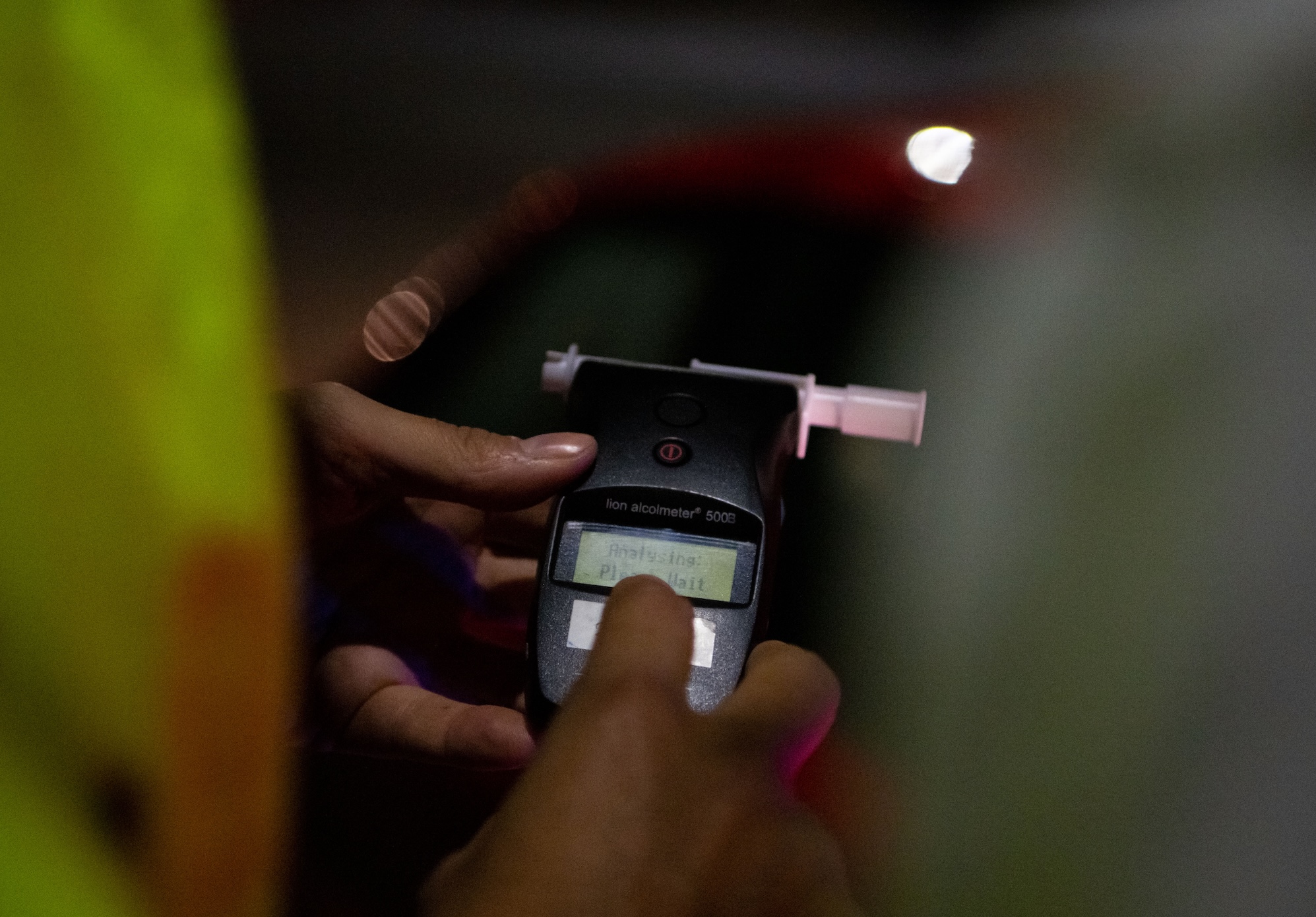
A sophisticated cyberattack has crippled the operational infrastructure of Intoxalock, a prominent provider of vehicle ignition interlock devices (IIDs) across the United States, rendering tens of thousands of drivers unable to start their cars. The digital assault, which began on March 14, 2026, has triggered a nationwide crisis, stranding individuals who rely on these court-mandated systems for transportation and compliance with legal requirements. The incident underscores the escalating vulnerability of specialized technological services, particularly those intertwined with public safety and the justice system, to malicious digital incursions.
The Unfolding Crisis: A System-Wide Paralysis
The disruption became apparent when Intoxalock, a company instrumental in helping individuals fulfill probationary terms related to impaired driving offenses, issued a public statement acknowledging "downtime" across its systems. Rachael Larson, a spokesperson for Intoxalock, confirmed that the company had been targeted by a cyberattack, prompting a proactive decision to "temporarily pause some of our systems as a precautionary measure." This immediate response, while intended to mitigate further damage, inadvertently created a cascade of operational failures that directly impacted its vast user base.
At the core of the problem lies the mandatory calibration process for IID units. These devices, which require a driver to provide a clean breath sample before the vehicle’s engine can be engaged, must be regularly serviced and recalibrated, typically every few months, to ensure accuracy and compliance. The cyberattack, however, has incapacitated Intoxalock’s ability to perform these essential maintenance tasks. Consequently, devices that have missed their scheduled calibration deadlines or are due for service have effectively locked drivers out of their vehicles. Reports from online forums, such as Reddit, detail frustrated users describing sudden and inexplicable vehicle immobility, leaving many unable to commute to work, attend crucial appointments, or manage daily responsibilities. Local news outlets from Maine to Minnesota have corroborated these accounts, highlighting the widespread nature of the disruption. One auto repair shop in Middleboro, Massachusetts, told local media that its lot had been filled with vehicles equipped with Intoxalock devices, all immobilized since the attack began, unable to receive the necessary software updates or recalibrations. This paralysis extends across the 46 states where Intoxalock operates, impacting an estimated 150,000 drivers annually.
Understanding Ignition Interlock Devices: A Mandate for Safety
Ignition interlock devices represent a critical component in the U.S. criminal justice system’s efforts to curb drunk driving. First introduced in the 1980s, these devices gained widespread adoption in the 1990s and 2000s as states increasingly recognized their efficacy in reducing recidivism among individuals convicted of driving under the influence (DUI) or driving while intoxicated (DWI). An IID is essentially a miniature breathalyzer connected to a vehicle’s ignition system. Before starting the car, the driver must blow into the device, which then analyzes the breath alcohol content (BrAC). If the BrAC exceeds a pre-set limit, typically around 0.02% (far below the legal driving limit of 0.08%), the vehicle will not start.
Beyond initial startup, many IIDs also require "rolling retests" at random intervals while the vehicle is in operation, ensuring continuous sobriety. The devices log all activity, including successful and failed breath tests, attempts to tamper, and instances of missed calibrations. This data is then periodically downloaded and reviewed by probation officers or court officials to monitor compliance. The mandatory calibration and data reporting are not merely technical requirements but legal obligations, ensuring the device’s accuracy and the driver’s adherence to their court order. Failure to comply with calibration schedules, or any attempt to circumvent the device, can result in severe legal repercussions, including probation violations, extended IID mandates, or even incarceration. Companies like Intoxalock serve as the vital link between the court system and the individual, managing the installation, maintenance, data collection, and removal of these devices. Their operational integrity is therefore paramount to the functioning of this legal framework.
A Digital Vulnerability in Physical Control
The cyberattack on Intoxalock starkly illustrates the growing interdependency between physical systems and their underlying digital infrastructure. While IIDs are physical devices installed in vehicles, their functionality, calibration, and data reporting rely heavily on networked computer systems. The incident highlights a critical vulnerability: when the central digital nervous system of such a compliance network is compromised, the physical devices become inert or non-compliant, regardless of their individual operational status.
Cybersecurity experts frequently categorize such attacks as affecting operational technology (OT) or critical infrastructure, even if Intoxalock isn’t a traditional utility. The impact on daily life and legal compliance for a significant population segment elevates its importance. The specific nature of the attack—whether it was a ransomware demand, a data breach aiming to exfiltrate sensitive user information, or a disruptive denial-of-service event—remains undisclosed by Intoxalock. This lack of transparency, while common in the immediate aftermath of a cyber incident, adds to the uncertainty for affected drivers and raises questions about the scope of the compromise. Attackers could be motivated by financial gain, geopolitical objectives, or simply the desire for disruption. Regardless of the motive, the outcome is a profound operational paralysis that has exposed a single point of failure within a critical societal control mechanism. The incident underscores the need for robust cybersecurity measures not just in large-scale infrastructure but also in niche industries that provide essential services linked to legal and public safety mandates.
Widespread Disruption and Human Cost
The social and economic fallout from this cyberattack is considerable. For the affected drivers, the inability to operate their vehicles translates into immediate and severe disruptions to their daily lives. Many rely on their cars for employment, and without transportation, they face lost wages, potential job termination, and mounting financial strain. Beyond employment, access to essential services like medical appointments, grocery shopping, and childcare becomes problematic. Individuals on probation or parole often have strict reporting requirements, and without their vehicles, attending mandated meetings or substance abuse counseling sessions becomes impossible, potentially leading to further legal complications.
The stress and anxiety experienced by these individuals are immense. They are caught between a legal mandate they cannot fulfill due to a third-party failure and the practical realities of everyday life. This situation is particularly challenging because IID users are already navigating a complex path toward rehabilitation and legal compliance. An unexpected lockout, through no fault of their own, can be incredibly demoralizing and disruptive to their progress. Furthermore, the incident places an undue burden on auto shops that service these devices, as they are left with immobilized vehicles and frustrated customers, unable to provide a solution until Intoxalock’s systems are restored. The broader societal impact also touches upon public safety. While the devices are designed to prevent impaired driving, their failure in this manner does not necessarily increase immediate risk, but it certainly complicates the system meant to manage it.
Industry-Wide Implications for Cybersecurity
The Intoxalock incident serves as a stark warning to the entire ignition interlock device industry and, more broadly, to companies operating critical compliance technologies. It highlights the imperative for comprehensive cybersecurity strategies that go beyond mere perimeter defenses. These strategies must encompass resilient backup systems, robust incident response plans, and transparent communication protocols for when disruptions inevitably occur.
Regulators and legislative bodies may also take note. The reliance on private companies for public safety and legal compliance necessitates a closer look at cybersecurity standards within these sectors. There might be calls for stricter regulatory oversight, mandatory reporting of cyber incidents, and perhaps even requirements for redundant systems or fail-safe mechanisms that allow for temporary operation in the event of a system-wide outage. The incident could also spur innovation in the IID market, prompting companies to develop more decentralized or offline-capable calibration methods, or to explore blockchain-based solutions for tamper-proof data logging that are less susceptible to single-point-of-failure attacks. The competitive landscape could shift, favoring providers who can demonstrate superior cybersecurity resilience and robust contingency planning.
Navigating the Aftermath: Response and Recovery
As of the latest reports, Intoxalock has not provided an estimated timeline for the full restoration of its services. This uncertainty compounds the difficulties faced by its customers. While the company stated it took "precautionary measures," the extent of the system downtime suggests a significant compromise that requires extensive remediation. Recovering from a cyberattack, especially one that impacts critical operational systems, is a complex and time-consuming process involving forensic analysis, system reconstruction, and thorough security audits to prevent future breaches.
The lack of detail regarding the type of attack or any potential data compromise leaves many questions unanswered. For instance, if customer data, which can include sensitive personal information and driving records, was accessed or exfiltrated, the long-term implications for privacy and identity theft could be substantial. Intoxalock’s immediate priority is undoubtedly restoring functionality, but transparent communication about data security and a clear recovery roadmap will be crucial for rebuilding trust with its customer base and the legal system it serves. The incident also puts pressure on state motor vehicle departments and courts to consider how they will handle compliance issues for drivers affected by the outage, potentially requiring temporary waivers or alternative arrangements to avoid penalizing individuals for a system failure beyond their control.
Looking Ahead: Lessons for a Connected World
The cyberattack on Intoxalock is more than just a technical glitch; it is a profound lesson in the vulnerabilities inherent in an increasingly interconnected world. As more aspects of our lives, from transportation to legal compliance, become reliant on complex digital systems, the potential for disruption from malicious actors grows exponentially. This event highlights the need for governments, industries, and individuals to prioritize cybersecurity as a fundamental aspect of resilience and continuity. For the ignition interlock industry, it’s a call to action to invest more heavily in threat intelligence, robust defense mechanisms, and comprehensive incident response planning. For society at large, it’s a reminder that even niche technological services can have far-reaching impacts when compromised, underscoring the collective responsibility to build a more secure digital future. The full ramifications of this incident may take weeks or even months to unfold, but its place in the timeline of critical infrastructure cyber incidents is already secured, prompting serious reflection on digital fragility in an analog world.