Amir Mahmud
The United States Justice Department has formally accused the Iranian government of orchestrating a sophisticated cyber influence campaign, asserting that the nation’s Ministry of Intelligence and Security (MOIS) operates the hacktivist collective known as Handala. This revelation follows Handala’s public claim of responsibility for a significant and destructive cyberattack against Stryker, a prominent U.S. medical technology corporation, which resulted in the widespread wiping of employee devices. The U.S. government’s unequivocal attribution represents a critical escalation in the ongoing digital conflict between the two nations, shedding light on the intricate web of state-sponsored cyber operations designed to sow discord and inflict damage.
The Unmasking of a Digital Persona
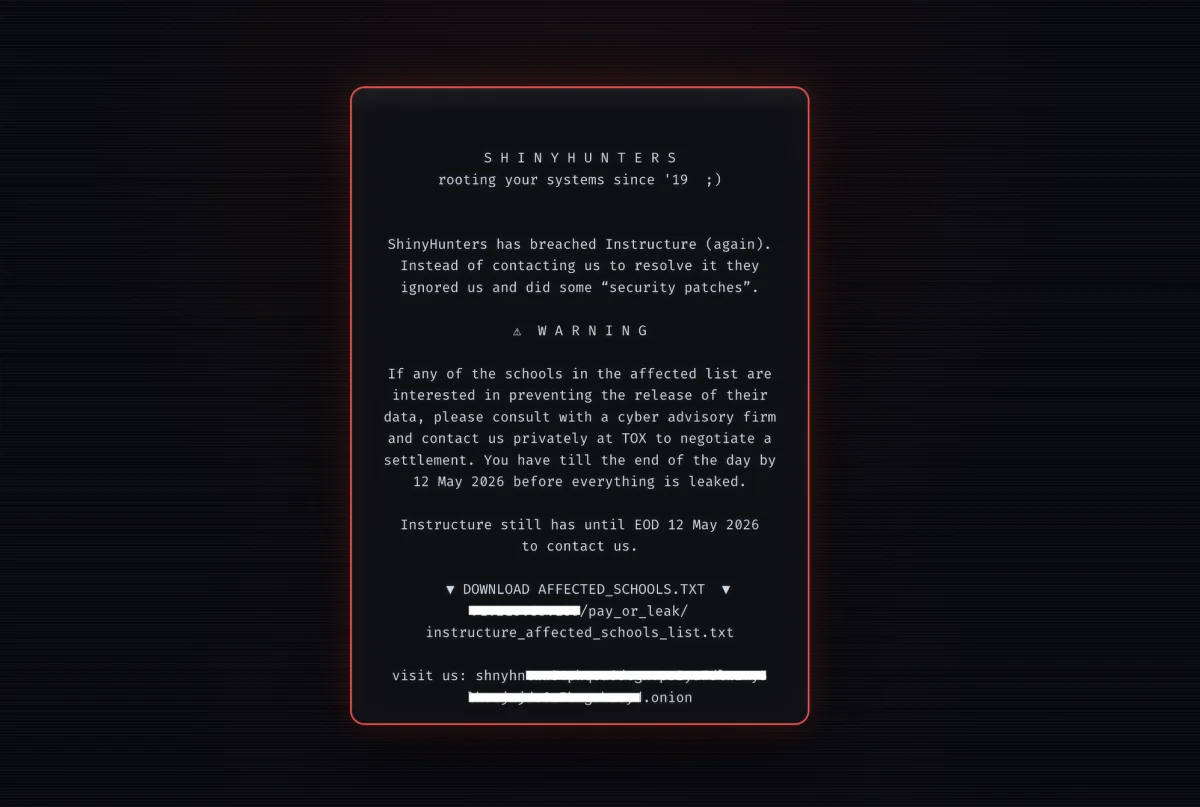
In a detailed press release issued last Thursday, the Justice Department laid bare its findings, directly implicating Iran’s MOIS as the puppet master behind Handala. Officials described the group as a fabricated activist persona, meticulously crafted by the Iranian ministry to execute "psychological operations" against perceived adversaries of the regime. These operations, according to the DOJ, encompass claiming responsibility for disruptive cyberattacks, systematically publishing stolen information obtained through illicit digital incursions, and chillingly, advocating for violence against journalists, regime dissidents, and Israeli citizens. The department’s statement underscores the dual nature of these entities: ostensibly activist groups, yet allegedly serving as instruments of state power for strategic objectives.
This significant announcement coincided with the Federal Bureau of Investigation’s swift action to seize two key websites associated with Handala, a development initially reported by TechCrunch. These digital platforms served as the group’s primary conduits for publicizing their alleged cyber exploits and disseminating sensitive personal information, including data purportedly belonging to individuals affiliated with the Israeli military and defense contractors. The coordinated U.S. response highlights a concerted effort to dismantle the infrastructure supporting these state-backed digital campaigns and disrupt their propaganda machinery.
The Stryker Breach: A High-Stakes Cyberattack
The March 11 cyberattack on Stryker stands as a stark illustration of Handala’s destructive capabilities and alleged operational intent. The group, through its now-seized websites, proudly claimed credit for the breach, during which hackers remotely wiped tens of thousands of employee devices, causing considerable operational disruption to the medical technology giant. Handala’s stated motivation for this aggressive act was retaliation for a U.S. air strike on an Iranian school, an incident that Iranian officials reported resulted in the deaths of 168 children. This justification, regardless of its veracity, serves to frame the cyberattack within a broader geopolitical narrative of retribution and asymmetric warfare.
The impact on Stryker, a company critical to the healthcare supply chain, was substantial. Such an attack on a major medical technology provider can have far-reaching consequences, potentially disrupting the production and distribution of vital medical equipment, impacting patient care, and incurring significant financial costs for system restoration and enhanced security measures. The incident underscores the vulnerability of critical infrastructure sectors to sophisticated cyber threats and the potential for these attacks to transcend mere data theft, leading to physical disruption and operational paralysis.
A Broader Cyber Campaign: The Web of Iranian Personas
The Justice Department’s investigation revealed that Handala is not an isolated entity but rather one component within a larger network of alleged Iranian state-sponsored cyber operations. FBI Director Kash Patel, quoted in the DOJ’s press release, affirmed the agency’s ongoing commitment to counter these threats, stating that the FBI had "took down four of their operation’s pillars and we’re not done." Beyond Handala’s infrastructure, the DOJ also seized two additional domains purportedly utilized by Iran’s MOIS through another hacktivist persona identified as "Justice Homeland" or "Homeland Justice."
These domains were allegedly employed by Iranian government hackers to claim responsibility for a debilitating 2022 cyberattack against the Albanian government. That incident led to government servers being taken offline and the exfiltration of sensitive data, prompting a strong international condemnation. Notably, Microsoft had also previously linked the cyberattack against the Albanian government to Iran’s MOIS, adding independent corroboration to the U.S. government’s current accusations. An affidavit submitted in court to support the seizure of Handala’s websites further solidified these connections, asserting that Handala, Justice Homeland, and another persona known as Karma Below "are part of the same conspiracy because they are operated by the same individuals." This collective approach suggests a deliberate strategy by the MOIS to employ multiple, seemingly disparate, entities to conduct a range of cyber activities while maintaining a degree of plausible deniability.
The Theater of Cyber Warfare: Plausible Deniability and Attribution
The use of "hacktivist" personas by state actors like Iran introduces a layer of complexity to cyber warfare, blurring the lines between independent activism and state-sponsored aggression. This tactic offers a strategic advantage, providing plausible deniability that can complicate international responses and muddy the waters of attribution. When a group like Handala claims responsibility for an attack, it can create a narrative of grassroots action, even if the underlying capabilities and objectives are those of a state intelligence agency. This "opacity," as noted by Alex Orleans, head of threat intelligence at Sublime Security, makes it difficult to definitively assign responsibility and formulate proportionate responses.
Attributing cyberattacks is an inherently challenging process, often requiring a combination of technical evidence, intelligence gathering, and geopolitical analysis. The U.S. government’s public accusation, backed by seized domains and detailed affidavits, indicates a high level of confidence in its intelligence. However, the immediate counter-response from Handala on its official Telegram channel, dismissing the U.S. government’s actions as "nothing more than the latest desperate attempts…to silence the voice of Handala," exemplifies the ongoing information warfare that accompanies these digital conflicts. This public defiance, even in the face of infrastructure disruption, highlights the resilience and adaptive nature of state-backed cyber operations.
Escalating Tensions: A History of US-Iran Cyber Confrontations
The current accusations against Iran are not isolated incidents but rather the latest chapter in a long-standing and often tense cyber rivalry between the United States and Iran. This digital animosity has historical roots, with early significant events including the Stuxnet worm, widely believed to be a U.S.-Israeli operation targeting Iranian nuclear facilities in the late 2000s. This incident marked a turning point, demonstrating the potential for cyber weaponry to cause physical damage and triggering what many experts view as Iran’s subsequent investment in its own offensive cyber capabilities.
Over the past decade, Iran has been accused of numerous cyberattacks targeting U.S. financial institutions, critical infrastructure, and government entities, often in response to sanctions or military actions. These attacks have ranged from denial-of-service operations to more destructive data-wiping campaigns, utilizing various proxies and front organizations. The 2012 Shamoon attacks against Saudi Aramco, which destroyed data on tens of thousands of computers, were widely attributed to Iranian actors and showcased the nation’s willingness to engage in highly destructive cyber operations. This history underscores a pattern of tit-for-tat exchanges in the digital realm, where each major incident often precipitates a retaliatory or escalatory response.
Impact and Implications: From Corporate Systems to Geopolitical Stages
The societal and economic impact of state-sponsored cyberattacks like the one on Stryker extends far beyond the immediate target. For companies, the costs are multifaceted, encompassing not only direct financial losses from system downtime and recovery efforts but also reputational damage, potential legal liabilities, and erosion of customer trust. In the case of a medical technology company, disruptions can directly affect healthcare services, potentially delaying critical medical procedures or impacting the availability of essential equipment.
More broadly, these incidents contribute to a climate of instability in cyberspace, forcing governments and corporations to invest heavily in defensive measures while simultaneously grappling with the persistent threat of sophisticated adversaries. The publication of personal information, as allegedly done by Handala, also carries significant social and cultural implications, fostering fear and potentially endangering individuals. Geopolitically, the explicit attribution of such attacks to state actors like Iran further ratchets up international tensions, complicating diplomatic efforts and potentially leading to a more confrontational stance in the global arena. These actions challenge established norms of international conduct in cyberspace and necessitate robust diplomatic and legal frameworks to address state-sponsored aggression.
The Ever-Shifting Digital Battlefield
The quick establishment of new domains by Handala, as observed by cybersecurity researcher Keith O’Neill of DomainTools, following the FBI’s seizures, highlights the adaptive and persistent nature of these state-backed groups. Such resilience suggests that merely disrupting infrastructure may offer only temporary relief, as adversaries are often quick to re-establish their digital presence and continue their operations. This "cat-and-mouse" dynamic defines much of modern cyber warfare, where defensive measures are constantly evolving in response to new offensive tactics.
The organizational structure of these groups, as commented upon by Alex Orleans, where a distinct team might manage the public persona while other teams conduct the actual intrusions, adds another layer of complexity. This division of labor within a larger state-controlled framework allows for greater operational security and flexibility, making it even more challenging for intelligence agencies to fully dismantle these operations. The U.S. government’s actions against Handala and related personas signal a firm commitment to countering Iranian cyber aggression, but the ongoing battle for control and influence in the digital domain is far from over, promising continued vigilance and adaptation from all parties involved.