Amir Mahmud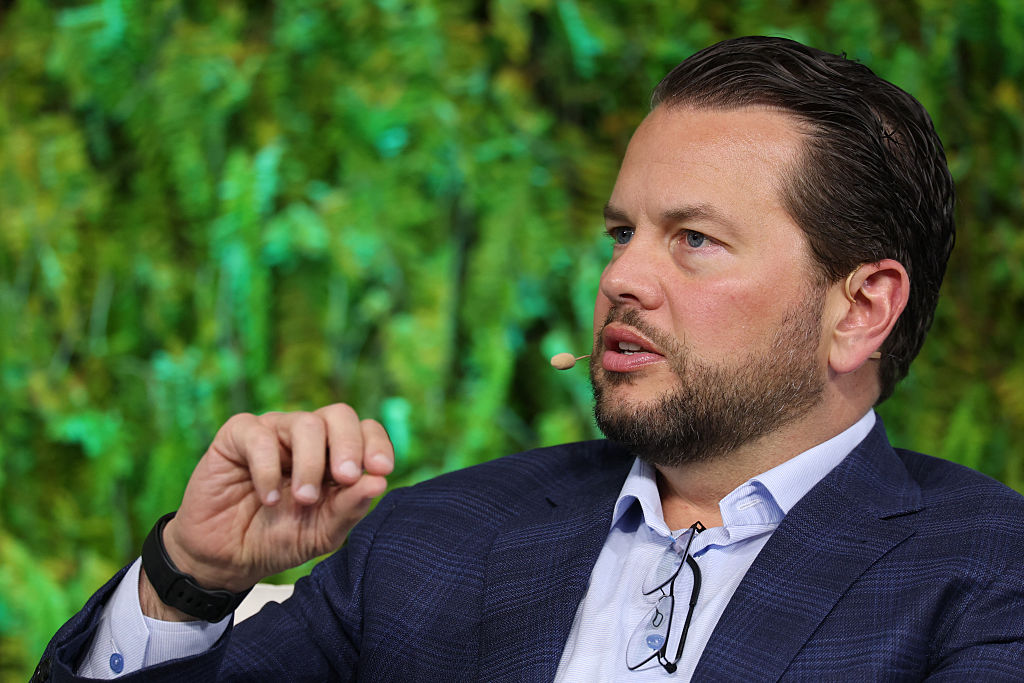
A prominent voice within the technology sector has issued a stark recommendation, urging governments worldwide to implement a blanket ban on social media access for individuals under the age of 16. Bill Ready, the Chief Executive Officer of Pinterest, articulated this provocative stance in a recent op-ed published in a major news outlet, positioning himself among a select group of top tech executives advocating for stringent age restrictions on digital platforms. His assertion arrives amidst a burgeoning global movement by nations actively exploring or enacting measures to curtail children’s engagement with online content, coupled with the persistent challenge of verifying user ages effectively.
Ready’s central argument posits that contemporary youth are unwitting participants in what he terms "the largest social experiment in history," granted "unfiltered access to social media platforms." This unchecked exposure, he contends, has contributed to a documented rise in mental health challenges among young people, including elevated rates of depression and anxiety, alongside observable declines in concentration skills. He sharply criticizes social media companies for what he perceives as a lack of "sufficient forethought about the consequences" their products could inflict upon children.
The Escalating Debate Over Youth Online Safety
The conversation surrounding the impact of social media on adolescent well-being has intensified significantly in recent years, moving from academic discourse to the forefront of public policy debates. For decades, the internet’s open architecture has been celebrated for its ability to connect, inform, and empower. However, the rapid proliferation of social networking sites, particularly in the last two decades, has introduced unforeseen complexities, especially concerning younger demographics. Platforms like Facebook, Instagram, TikTok, and X (formerly Twitter) have become integral to the social fabric of adolescence, influencing everything from peer relationships and identity formation to access to information and entertainment.
Yet, this integration has not been without its costs. Numerous studies and reports from child development specialists, psychologists, and public health officials have drawn a direct correlation between excessive social media use and negative mental health outcomes in adolescents. Issues such as cyberbullying, body image distortion fueled by curated online personas, exposure to inappropriate content, and the pervasive fear of missing out (FOMO) are frequently cited concerns. The very design of these platforms, employing sophisticated algorithms and notification systems, is often criticized for being intentionally addictive, maximizing engagement at the expense of user well-being, particularly for developing minds. This escalating concern has prompted a re-evaluation of the "digital wild west" approach, giving rise to calls for greater accountability from tech companies and more robust protective frameworks from governments.
A CEO’s Unconventional Stance: Ready’s Rationale
Bill Ready’s public advocacy for a ban is noteworthy, given his position at the helm of a major tech enterprise. While Pinterest operates differently from more overtly "social" platforms, focusing primarily on visual discovery and inspiration rather than direct peer-to-peer interaction, its CEO’s comments resonate across the industry. Ready highlighted the existing regulatory frameworks governing industries like tobacco and alcohol, which impose strict age limits and marketing restrictions due to public health concerns. He drew a direct parallel, asserting that "such policies can improve, and sometimes save lives," implying that social media, when accessible to minors, poses comparable risks.
He explicitly praised Australia’s proactive stance on social media regulation for children, suggesting that other governments should emulate this leadership "if tech companies fail to prioritize youth safety." Ready also underscored Pinterest’s own internal successes in promoting youth safety. The platform has already implemented measures, including banning access to its social features for users under 16, a move he suggests has not hindered its popularity among Gen Z users. This internal policy, Ready implies, demonstrates that a balance between user engagement and safety is achievable, even if it requires difficult decisions. His strong rhetoric, likening tech CEOs who resist such changes to "20th-century tobacco executives who had to be shamed and sued into submission," underscores the moral imperative he perceives for the industry.
Global Momentum: Nations Taking Action
The call for age restrictions on social media is not an isolated incident but rather a reflection of a burgeoning international trend. Several nations have already moved to implement or seriously consider bans and stringent regulations. Australia has been at the forefront, with legislative efforts aimed at safeguarding minors online. Following suit, countries like Malaysia, Spain, and Indonesia have publicly announced their intentions to introduce social media bans or significant restrictions for users under specific age thresholds.
In Europe, the movement is gaining considerable traction. Legislators in France recently approved a ban for users under 15, signaling a decisive shift in policy. Germany’s ruling party has also voiced support for some form of social media restriction for children. These legislative actions reflect a growing consensus among policymakers globally that the current self-regulatory model adopted by tech companies is insufficient to protect vulnerable youth. In the United States, individual states are increasingly taking the initiative, exploring various legislative avenues to limit minors’ access to social media platforms, though a unified federal approach remains elusive. This fragmented landscape highlights the complex legal and ethical considerations involved in regulating online spaces.
The Complexities of Implementation and Enforcement
While the sentiment behind protecting children online is widely shared, the practicalities of implementing and enforcing a widespread ban on social media for minors present significant challenges. One of the primary hurdles is reliable age verification. Current methods, often relying on self-declaration or parental consent, are easily circumvented. Developing robust, privacy-compliant, and universally accepted age verification technologies is a monumental task that requires collaboration between governments, tech companies, and potentially third-party verification services. Concerns about data privacy and the potential for intrusive data collection arise when discussing more rigorous age verification methods.
Furthermore, a ban, if enacted, would likely face resistance from some segments of the youth population who might view it as an infringement on their digital freedom. The ingenuity of young users in finding ways around restrictions, such as using VPNs or creating fake accounts, could undermine the effectiveness of any prohibition. This raises questions about the feasibility of strict enforcement and the resources required to police online activity on such a vast scale. There’s also the nuanced consideration of what constitutes "social media." Would platforms like YouTube, which hosts vast amounts of user-generated content and has social features, fall under such a ban? Or platforms like Pinterest, which Ready himself leads? Defining the scope of such legislation is critical.
Economic and Societal Repercussions
A global ban on social media for users under 16 would undoubtedly have profound economic and societal repercussions. From an economic standpoint, social media companies could experience a significant loss in user base and, consequently, advertising revenue, particularly if younger demographics represent a substantial portion of their active users. This could trigger a re-evaluation of business models and a push towards developing more "kid-safe" platforms, which might still need to comply with new, stricter regulations. The market for age verification technologies, conversely, could see a boom.
Societally, such a ban would reshape the landscape of childhood and adolescence in the digital age. It could potentially alleviate some of the documented mental health pressures, allowing children more time for offline activities, face-to-face interactions, and academic pursuits. However, it also raises questions about digital literacy and equitable access to information. In an increasingly digital world, denying adolescents access to platforms where much of contemporary social and civic life occurs could create a different kind of divide, potentially hindering their ability to navigate the online world responsibly once they reach the permitted age. Parents would also face new challenges and responsibilities in monitoring their children’s digital engagement and fostering critical thinking skills necessary for future online interactions. The cultural impact would be substantial, redefining the parameters of "growing up" in a hyper-connected world.
Looking Ahead: The Future of Digital Childhood
Bill Ready’s outspoken call for governmental intervention signals a pivotal moment in the ongoing discourse about technology’s role in the lives of young people. It underscores a growing conviction, even within the tech industry itself, that the status quo is unsustainable. The global legislative momentum indicates that governments are increasingly willing to step in where they perceive market forces and self-regulation have failed to adequately protect vulnerable populations.
The path forward is complex, requiring a delicate balance between safeguarding children, fostering digital literacy, upholding individual freedoms, and ensuring innovation. Whether a global ban becomes a reality or more nuanced regulatory approaches prevail, the conversation ignited by leaders like Ready will continue to shape the future of digital childhood, compelling a re-evaluation of how technology companies operate and how societies equip the next generation to thrive in an increasingly digital world. The ultimate goal remains creating online environments that are not only engaging but also genuinely safe and conducive to healthy development for all young users.