Amir Mahmud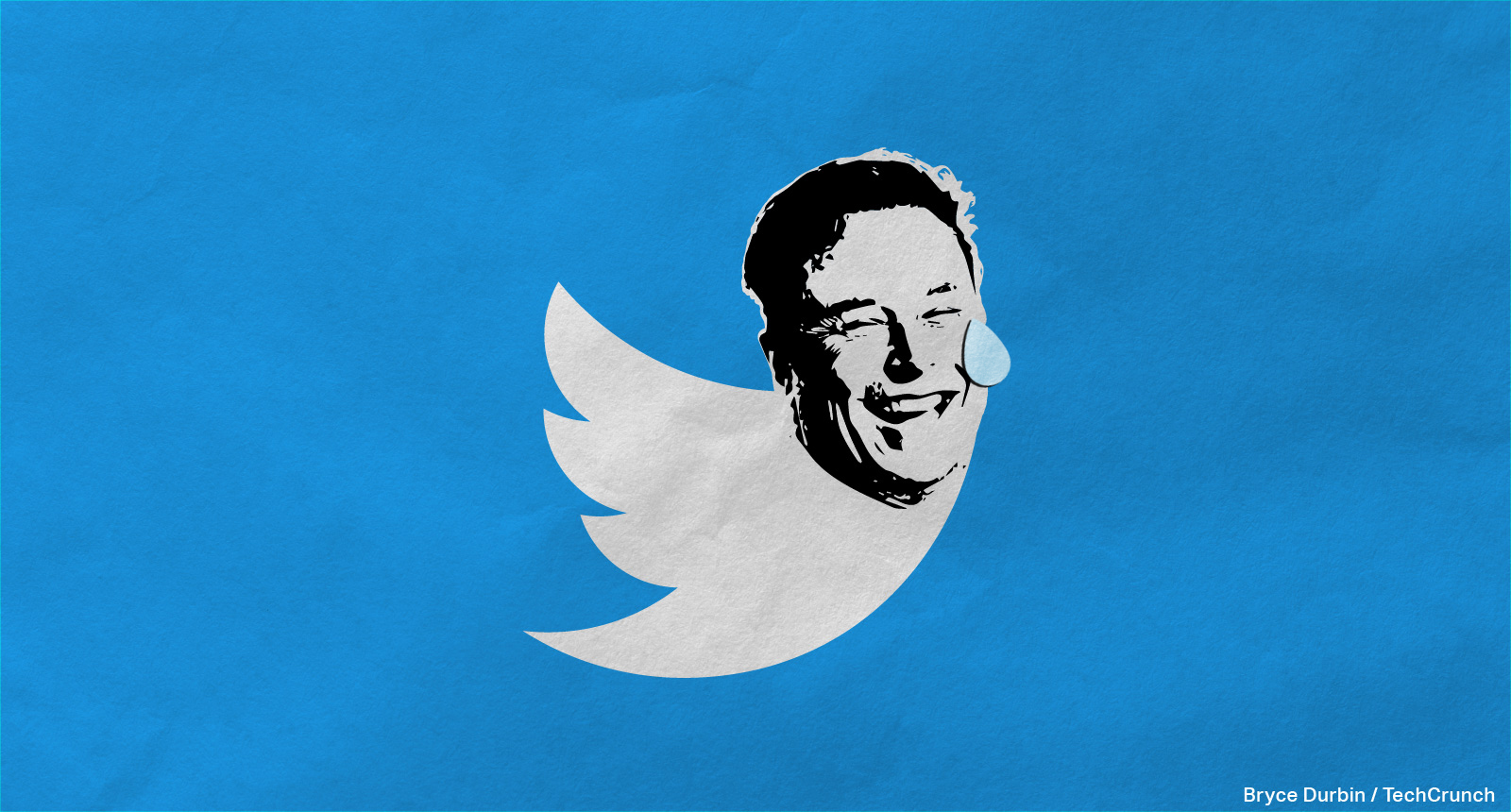
A civil jury in California has determined that Elon Musk intentionally misled investors of Twitter, the social media platform he ultimately acquired and rebranded as X. The verdict, delivered on a Friday, concludes a protracted legal battle stemming from Musk’s efforts in 2022 to withdraw from his initial $44 billion agreement to purchase the company. This decision marks a significant moment, scrutinizing the public statements of influential figures and their potential market ramifications.
The Genesis of a Billion-Dollar Saga
The journey to this verdict began with a whirlwind of public declarations and corporate maneuvering. Elon Musk, a prolific user of Twitter, had long been an outspoken critic of the platform’s content moderation policies and perceived lack of free speech. In early 2022, he began accumulating a substantial stake in the company, eventually becoming its largest shareholder. This move sent ripples through the tech and financial worlds, culminating in his unsolicited offer in April 2022 to buy Twitter outright for $54.20 per share, valuing the company at approximately $44 billion. The offer represented a significant premium over Twitter’s stock price at the time, igniting intense speculation about the platform’s future under Musk’s ownership.
Twitter’s board initially adopted a "poison pill" defense to fend off what it considered a hostile takeover. However, facing immense pressure from shareholders eager for the premium Musk offered, the board eventually relented, and a definitive merger agreement was signed on April 25, 2022. The deal was contingent on various conditions, including regulatory approvals and a shareholder vote, which overwhelmingly favored the acquisition.
The "Bot" Controversy and Deal Uncertainty
The initial enthusiasm surrounding the deal soon gave way to skepticism and controversy. In May 2022, Musk began publicly expressing doubts about the accuracy of Twitter’s reported figures for spam and fake accounts. On May 13, 2022, he posted on the platform, "Twitter deal temporarily on hold pending details supporting calculation that spam/fake accounts do indeed represent less than 5% of users." This statement, made directly on the platform he was in the process of acquiring, immediately injected significant uncertainty into the market.
Musk contended that Twitter’s internal estimates—that fewer than 5% of its monetizable daily active users (mDAU) were spam or fake accounts—were understated. He demanded access to Twitter’s data to conduct his own analysis, alleging that the company was stonewalling his requests. Twitter, in turn, maintained that it had consistently provided Musk with information as per the merger agreement and that his concerns were a pretext to abandon the deal. The company asserted that its methodologies for estimating bot accounts were robust and consistent with industry standards.
Market Reaction and Investor Fallout
The immediate market response to Musk’s tweet was pronounced. In the days following his public declaration of the deal being "on hold," Twitter’s shares experienced a notable decline, shedding approximately 8% of their value. This sudden drop caused considerable financial losses for investors who had purchased shares in anticipation of the acquisition or held them through the fluctuating period.
The market turmoil prompted a legal challenge from investor Giuseppe Pampena, who filed a lawsuit on behalf of other former Twitter shareholders. The suit alleged that Musk’s public statements were not merely expressions of genuine concern but rather a deliberate tactic to manipulate Twitter’s stock price. Pampena and the class of investors he represented argued that Musk intentionally created a climate of uncertainty around the acquisition, aiming to drive down the company’s valuation. This, they claimed, would either allow him to negotiate a lower purchase price or provide an excuse to exit the deal entirely without penalty. The lawsuit specifically targeted the period between May 13, 2022, the date of Musk’s pivotal tweet, and October 4, 2022, the day the acquisition was ultimately finalized under court order.
The Legal Showdown and Jury’s Deliberation
In court, attorneys for Giuseppe Pampena presented evidence to convince the jury that Musk’s actions were premeditated. They argued that Musk, despite signing a binding merger agreement, sought to leverage his immense public platform and influence to create market doubt. The plaintiff’s legal team highlighted the substantial financial incentive for Musk to either reduce the acquisition price or abandon the deal, especially as broader economic conditions and tech valuations began to soften in mid-2022. They suggested that the "bot" issue was an opportune pretext rather than a deal-breaking discovery.
Musk’s defense countered that his concerns about fake accounts were legitimate and driven by a desire to understand the true value and health of the platform he intended to acquire. His lawyers argued that any CEO in his position would seek such clarity, particularly when investing billions of dollars. They maintained that Musk’s tweets were transparent expressions of his due diligence process and not an attempt to mislead. However, the jury, after weighing the arguments and evidence, ultimately found the plaintiff’s case more compelling, concluding that Musk had indeed intentionally misled investors.
The specific amount of damages Musk will be required to pay to the affected shareholders remains subject to further proceedings. However, attorneys for Pampena have indicated that the total sum could reach as high as $2.6 billion. While this figure is substantial, it is important to contextualize it against the backdrop of Musk’s estimated net worth, which Bloomberg places at over $660 billion. For the individual investors, however, these damages represent a significant recovery of losses incurred during the period of market uncertainty.
Broader Implications and Precedents
This verdict carries significant implications for corporate governance, investor protection, and the conduct of public figures in the digital age. It underscores the increasing scrutiny on how executives, especially those with massive social media followings, communicate information that can influence financial markets.
The "Funding Secured" Precedent: This isn’t Elon Musk’s first encounter with legal challenges stemming from his social media posts. In 2018, he famously tweeted that he had "secured funding" to take Tesla private at $420 per share. The U.S. Securities and Exchange Commission (SEC) subsequently charged Musk with securities fraud, alleging that his statements were false and misleading and had caused significant market disruption. While Musk ultimately settled with the SEC, resulting in a fine and his stepping down as Tesla’s chairman, he later emerged victorious in a separate shareholder lawsuit related to the "funding secured" tweet. In that case, a jury found that Musk did not mislead investors, accepting his argument that he genuinely believed he had secured funding.
The contrasting outcomes in the Tesla and Twitter cases highlight the nuanced nature of such legal battles. Key differences might include the stage of the deal (proposed vs. binding agreement), the clarity of the alleged misrepresentation, and the specific evidence presented regarding intent. The Twitter verdict suggests a lower tolerance for public statements that create ambiguity around a firm acquisition, particularly when a definitive agreement is already in place.
Market and Social Impact: The case further solidifies the notion that social media platforms are not exempt from the rules governing public company disclosures. For market participants, it reinforces the need for caution when interpreting informal statements from executives, even those with a reputation for unconventional communication. Culturally, it adds another chapter to the ongoing debate about the power and responsibility of tech titans who wield immense influence through their personal brands and digital presence. The decision may encourage greater regulatory oversight of how high-profile individuals use social media to discuss market-sensitive information.
Twitter’s Transformation to X and Beyond
Following the protracted legal battle, which included Twitter suing Musk to compel him to complete the acquisition, the deal was eventually finalized in October 2022. Almost immediately, Musk embarked on a radical transformation of the company. In a bold and controversial move, he rebranded Twitter as X, articulating a vision for it to become an "everything app" encompassing a wide array of services beyond microblogging. This rebrand involved significant changes to the platform’s interface, features, and underlying infrastructure, often leading to mixed reactions from users and advertisers.
Musk’s post-acquisition strategy also involved integrating X into his broader technological ecosystem. He subsequently merged the company with his artificial intelligence venture, xAI, which he founded with the stated goal of understanding the true nature of the universe. According to Musk’s own statements, this combined entity was valued at an impressive $113 billion. More recently, in a move that further blurred the lines between his various enterprises, SpaceX, his aerospace company, also reportedly merged with xAI. Musk explained this latest consolidation as being driven by his ambition to build data centers in space, leveraging SpaceX’s orbital capabilities to support advanced AI operations.
The jury’s decision regarding the misleading of Twitter investors serves as a potent reminder of the legal and financial accountability that accompanies significant corporate transactions and public statements, even for figures as influential and unconventional as Elon Musk. As X continues its evolution under his leadership, this verdict will undoubtedly be remembered as a pivotal moment in its complex history.