Amir Mahmud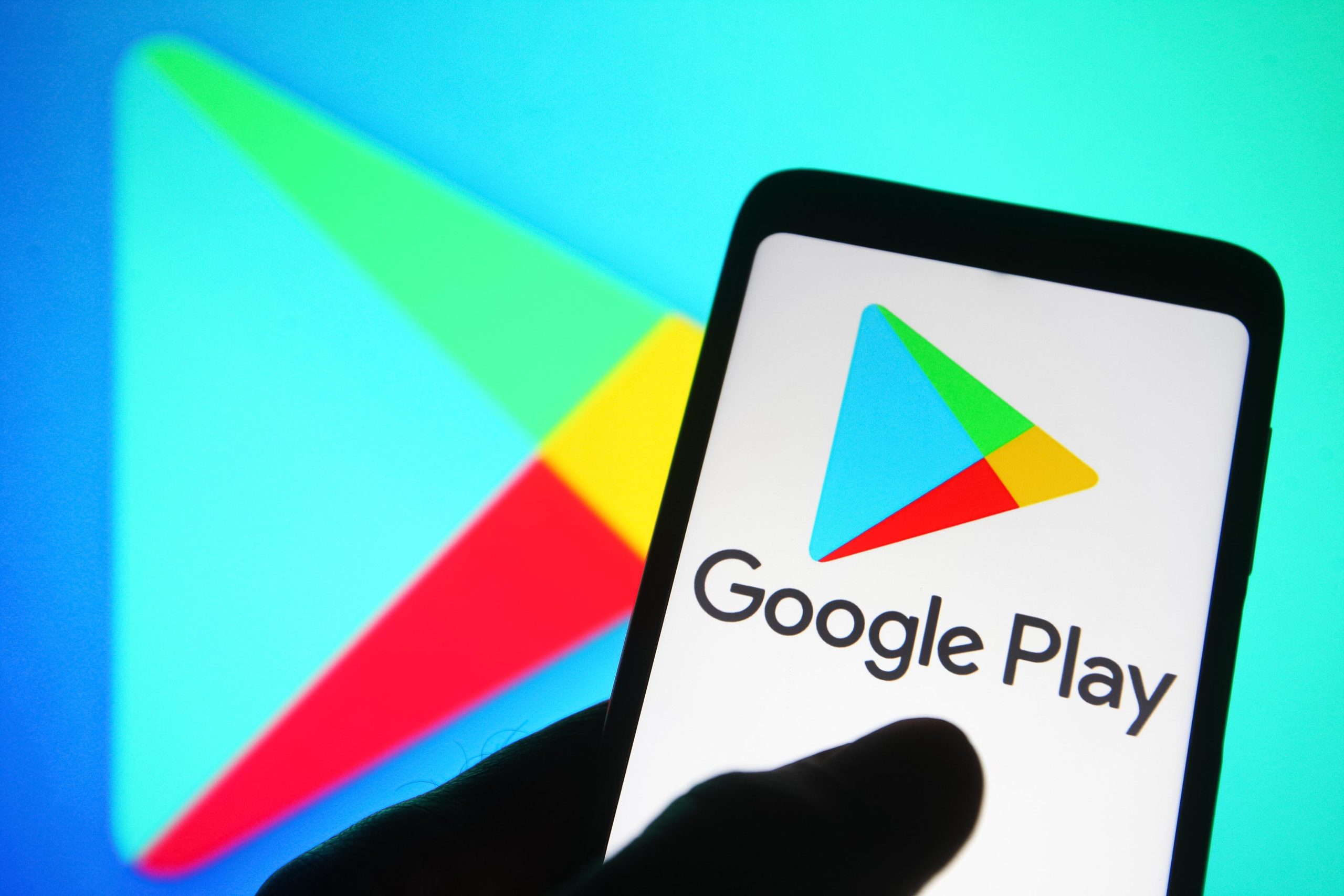
Google has announced a series of significant updates to its Google Play platform, signaling a renewed and ambitious focus on establishing itself as a premier destination for gaming. Revealed at the Game Developers Conference (GDC) 2026, these enhancements include a substantial expansion of the platform’s catalog to encompass a wider array of paid and independent PC games, the introduction of trial versions for games, a "buy once, play anywhere" pricing model for cross-device access, a new wishlist feature, and integrated community discussion forums. These strategic moves collectively aim to transform Google Play into a more comprehensive and cohesive gaming hub, offering players greater flexibility, discovery options, and engagement opportunities across both mobile and personal computer environments.
Google’s Strategic Pivot in Gaming
The latest announcements represent a critical juncture in Google’s long and sometimes turbulent history with gaming. For years, Google Play primarily served as an app store for Android mobile devices, with gaming being a significant, but often siloed, component. While mobile gaming boomed, Google’s attempts to bridge the gap between mobile and more traditional gaming platforms, or to establish its own standalone gaming presence, have faced varying degrees of success. A notable example is Stadia, Google’s cloud gaming service, which launched with significant fanfare but ultimately ceased operations, highlighting the complexities of competing in a mature and competitive gaming market.
However, Google’s commitment to gaming never fully waned. The company continued to invest in Google Play Games, an application layer that added achievements, leaderboards, and cloud saves for Android titles. The introduction of Google Play Games for PC, initially in beta, marked a serious re-entry into the PC gaming space, aiming to bring popular Android titles to Windows computers. These recent updates build directly upon that foundation, suggesting a more integrated and long-term vision. The decision to make these announcements at GDC, a pivotal event for game developers, underscores Google’s intent to attract and support creators, particularly those in the burgeoning indie segment, by providing a robust, multi-platform distribution channel. This strategic evolution positions Google Play not just as a mobile app repository, but as a genuine cross-platform gaming ecosystem designed to rival established players like Steam, Epic Games Store, and even console-centric marketplaces in terms of accessibility and user experience.
Enhancing the Player Experience: Trials and Cross-Platform Play
A cornerstone of Google’s refreshed strategy is the focus on improving the player experience, primarily through enhanced discovery and seamless cross-device functionality. The introduction of game trials is a direct response to a common consumer desire: the ability to "try before you buy." This feature allows users to experience a portion of a paid game on their mobile device before committing to a purchase. Should they decide to buy, their progress from the trial period will seamlessly carry over, eliminating the frustration of starting from scratch. This model, widely adopted in other digital storefronts, reduces buyer’s remorse and encourages exploration of new titles, potentially boosting sales for developers. Google has indicated that these trials will initially roll out for select paid mobile games, with future plans to extend them to Google Play Games on PC.
Complementing this is the "buy once, play anywhere" pricing model, a significant step towards true cross-platform convergence. Under this initiative, purchasing a game once grants users access to both its mobile and PC versions. This eliminates the need for duplicate purchases, a common point of friction for gamers who enjoy playing on multiple devices. Coupled with the existing functionality of the Gamer Profile, which syncs game progress across devices, players can effortlessly switch between their smartphone, tablet, or PC without losing their save data. This fluidity is crucial in an era where consumers expect their digital experiences to be consistent and accessible, regardless of the hardware they are using. Titles like the popular Reigns series, OTTTD, and Dungeon Clawler are among the first to benefit from this unified pricing, setting a precedent for future releases. This move directly addresses the growing demand for frictionless gaming across personal devices, a trend accelerated by cloud gaming technologies and the increasing power of mobile hardware.
Nurturing Indie Developers and Expanding Content
The expansion of Google Play’s library to include a broader range of paid and PC indie games is a clear indicator of Google’s commitment to diversifying its content offerings and supporting the independent development community. Indie games, often characterized by their innovation, unique artistic styles, and experimental gameplay, have become a vital force in the gaming industry. By actively curating and featuring titles such as Moonlight Peaks, Sledding Game, 9 Kings, Potion Craft, and Low-Budget Repairs, Google aims to provide these developers with a massive new audience while enriching its platform with high-quality, diverse content.
To facilitate discoverability for PC gamers, Google is integrating a dedicated PC section within the Play Store’s existing Games tab. This curated hub will showcase titles specifically optimized for Windows PCs, making it easier for users to find games that perform best on their desktop or laptop. The addition of a wishlist tool further empowers users by allowing them to track games of interest and receive notifications when those games go on sale. This feature, long a staple of other digital game storefronts, enhances user engagement and helps drive conversions by alerting potential buyers at opportune moments. For indie developers, gaining prominent placement on a platform like Google Play, with its vast user base, can be transformative, offering a direct pathway to market without the substantial overhead often associated with console or traditional PC publishing. This focus on indie games also reflects a broader industry trend where independent studios are increasingly recognized for their creative contributions and market potential.
Building Community and Leveraging AI
Beyond content and accessibility, Google is also investing in fostering a vibrant community directly within the Google Play ecosystem. The introduction of "Community Posts" allows users to engage in discussions, ask questions, and share insights about games directly within the app store interface. This initiative aims to centralize game-related conversations that often occur on external platforms like Reddit or dedicated forums, thereby increasing user stickiness and making Google Play a more comprehensive destination for gamers. Initially available in English for a selection of popular titles, the feature is slated for expansion to more languages and games, indicating Google’s intent to build a truly global gaming community. This integration of social features acknowledges the communal aspect of gaming and seeks to provide a native environment for players to connect and share their experiences, a crucial element for any successful modern gaming platform.
Furthermore, Google is expanding the reach of its AI-powered "Play Games Sidekick," an in-game overlay announced last year that leverages Gemini Live to provide real-time assistance. This intelligent helper, previously introduced to a limited number of titles, will now be available for select paid games. Play Games Sidekick offers dynamic tips, walkthroughs, and contextual information, enhancing the gameplay experience by providing assistance without requiring players to exit the game. This innovative use of artificial intelligence underscores Google’s broader strategy of integrating its AI capabilities across its product suite, offering a glimpse into the future of interactive gaming support. The AI-driven features, including the "Guided Search" for apps and games previously rolled out, demonstrate a commitment to leveraging advanced technology to simplify discovery and enrich user interaction.
The Broader Market Context and Competitive Landscape
These extensive updates arrive six months after a significant redesign of the Play Games experience, which consolidated stat and achievement tracking, rewards, and community features into a unified "Games" tab. That redesign also introduced "Play Games Leagues," allowing users to compete with friends for Play Points rewards. The revamped Apps tab and Gemini-powered features, such as "Guided Search" that enables users to find apps by articulating a goal or idea rather than a specific name, laid the groundwork for the current gaming-centric enhancements.
Google’s intensified focus on gaming comes at a time of intense competition and rapid evolution in the broader entertainment market. The global gaming industry continues its exponential growth, with mobile gaming leading the charge, but cross-platform play and PC gaming remain incredibly robust segments. Platforms like Steam boast millions of concurrent users and a vast library, while Microsoft’s Xbox ecosystem, with Game Pass and its PC integration, offers a compelling subscription model. Epic Games Store has challenged Steam with its aggressive developer revenue sharing and free game giveaways. In this landscape, Google must carve out a unique value proposition.
By emphasizing "buy once, play anywhere," robust indie support, and advanced AI assistance, Google aims to differentiate itself. The strategy appears to be less about creating entirely new games and more about optimizing the discovery, access, and community around existing and new titles across its vast Android and Windows user base. The social impact could be substantial, offering greater accessibility to games for a wider demographic, potentially democratizing the gaming experience by making quality titles more readily available and affordable across diverse devices. For developers, especially smaller studios, Google Play could become an even more attractive distribution channel, offering a pathway to millions of potential players without the often-prohibitive costs or complex porting processes associated with multiple platform launches.
Looking Ahead: Challenges and Opportunities
While Google’s latest initiatives present a promising outlook, challenges remain. Establishing Google Play as a top-tier PC gaming destination will require sustained effort to attract high-profile titles, ensure seamless performance across a wide range of hardware configurations, and build trust within a PC gaming community often wary of new storefronts. Competing with established players means not only offering compelling features but also providing a robust, reliable, and continuously evolving platform experience.
The integration of community features and AI-powered assistance also carries the responsibility of moderation and ensuring a positive user experience. As the platform grows, Google will need to scale its support and content management effectively. However, the opportunities are considerable. With billions of Android devices worldwide and a growing presence in the Windows ecosystem, Google possesses an unparalleled reach. By leveraging its technological prowess in AI, cloud infrastructure, and its extensive developer network, Google Play could indeed evolve into a truly unified, cross-platform gaming ecosystem, offering a distinctive and engaging experience for players and a powerful distribution channel for developers across the globe. These updates signal a clear intent to move beyond mobile-first and solidify Google Play’s position as a serious contender in the multifaceted world of digital gaming.