Amir Mahmud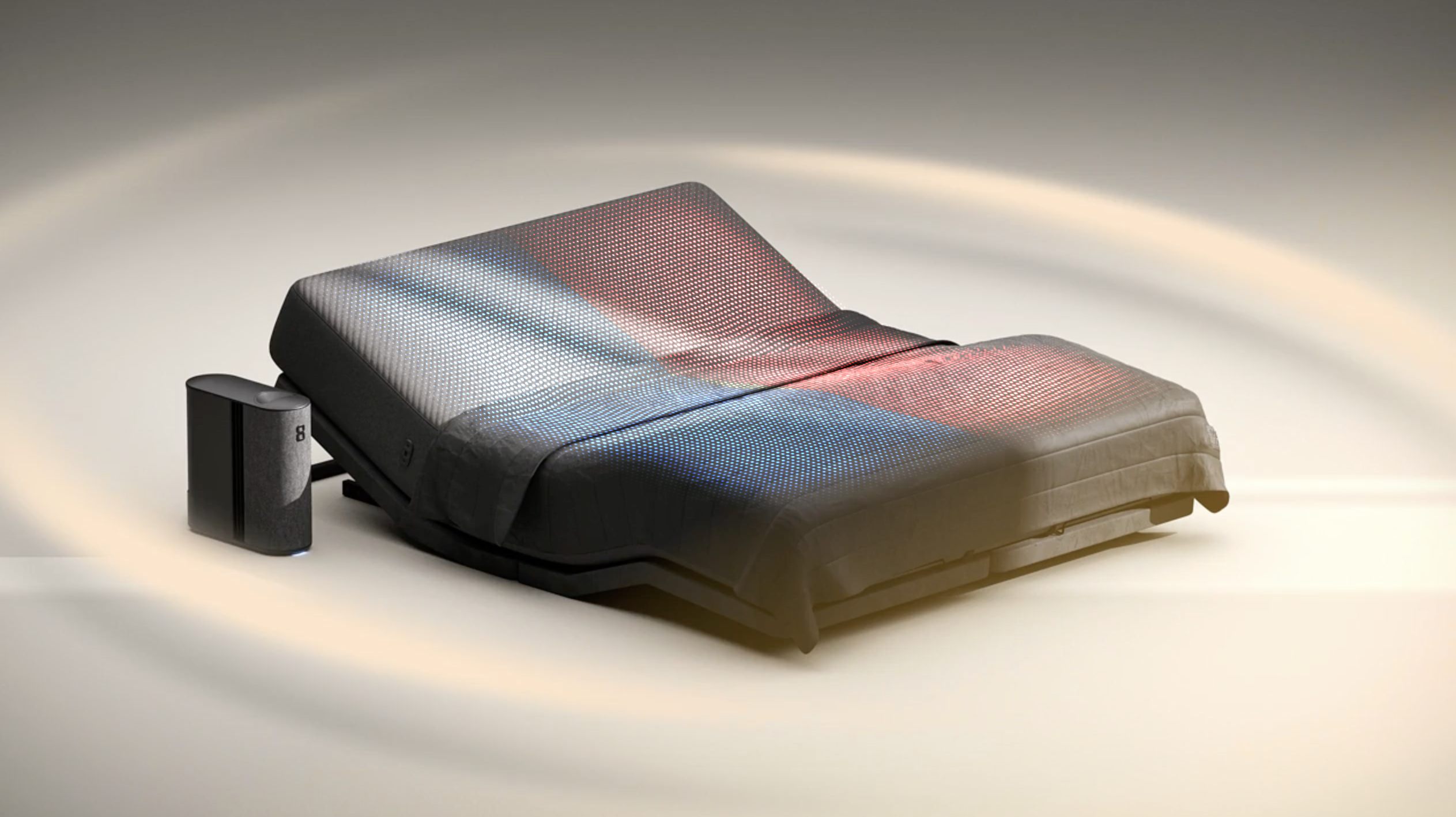
In a significant move within the rapidly expanding health technology sector, Eight Sleep, a company specializing in smart sleep solutions, has announced the successful completion of a $50 million strategic funding round. This latest investment, spearheaded by Tether Investments, places the company’s valuation at an impressive $1.5 billion, underscoring robust investor confidence in its innovative approach to sleep optimization. This financial injection marks another milestone for the startup, which continues to push the boundaries of what integrated sleep technology can achieve, aiming to transform nightly rest from a passive activity into a proactive component of overall wellness.
The Funding Landscape and Valuation Growth
This recent $50 million strategic round follows closely on the heels of a substantial $100 million funding round closed in August of the preceding year. That earlier investment saw participation from a diverse group of prominent investors, including HSG, Valor Equity Partners, Founders Fund, and Y Combinator, indicating broad support from both traditional venture capital and strategic partners. While Eight Sleep did not publicly disclose the valuation for its August round, its financial trajectory has been one of consistent upward momentum. The company previously achieved a post-money valuation of $500 million in 2021, a period when it secured $86 million in Series C funding, also led by Valor Equity Partners. According to data compiled by Crunchbase, Eight Sleep has now amassed over $310 million in total funding to date, positioning it as a well-capitalized player in the competitive digital health market.
The escalating valuation reflects not only the company’s perceived technological leadership but also a broader market trend towards personalized health and wellness solutions. Investors are increasingly drawn to companies that can demonstrate tangible health outcomes and a scalable business model in areas critical to human performance and longevity. Eight Sleep’s announcement that it achieved free-cash-flow positive status in 2025 further strengthens its appeal, signaling a mature business model capable of generating its own operational capital while continuing to innovate and expand. The newly acquired funds are earmarked for several key strategic initiatives, including the development of new products, an aggressive global expansion strategy to broaden its footprint beyond the current 34 countries where it ships, and crucial clinical validation efforts for its advanced technologies.
The Genesis of Sleep Technology and Eight Sleep’s Ascent
The journey to intelligent sleep solutions is rooted in decades of evolving understanding about the critical role of sleep in human health. Historically, sleep was often viewed as mere downtime, a passive state distinct from wakefulness. However, scientific advancements, particularly in neuroscience and chronobiology, have revealed sleep as an active, complex physiological process essential for cognitive function, emotional regulation, physical recovery, and metabolic health. This paradigm shift began to gain mainstream traction in the late 20th and early 21st centuries, fueled by growing public awareness of sleep disorders and the widespread impact of sleep deprivation on productivity and well-being.
The commercialization of sleep technology initially focused on rudimentary aids like specialized pillows, mattresses, and white noise machines. The early 2010s marked a pivotal turning point with the proliferation of wearable fitness trackers that incorporated basic sleep monitoring capabilities. Devices from companies like Fitbit and later, more sophisticated offerings from Oura and Whoop, began providing consumers with data on sleep duration, cycles, and heart rate variability. This era cultivated a data-driven approach to personal health, empowering individuals to track and understand their nocturnal patterns.
Eight Sleep emerged in this evolving landscape, distinguishing itself by moving beyond mere tracking to active intervention and environmental optimization. Founded by Matteo Franceschetti, Massimo Andreasi Bassi, Andrea Ballarini, and Alexandra Zatarain, the company’s vision was to create a "sleep fitness" platform, recognizing sleep as a performance pillar akin to nutrition and exercise. Their initial product, a smart mattress cover, laid the groundwork for the more integrated Pod system, which combines advanced biometric tracking with active temperature regulation. This comprehensive approach resonated with consumers seeking not just data, but actionable solutions to improve their sleep quality.
Eight Sleep’s Technological Core: The Pod System and AI Vision
At the heart of Eight Sleep’s offering is its Pod system, a sophisticated mattress accessory designed to actively manage the sleep environment and provide personalized insights. Unlike passive mattress toppers, the Pod integrates a network of sensors that track a user’s sleep stages, heart rate, respiratory rate, and even heart rate variability, offering a holistic view of their physiological state throughout the night. The standout feature, however, is its dynamic temperature regulation. Utilizing a network of water-filled channels, the Pod can precisely heat or cool different zones of the bed, responding to the user’s body temperature fluctuations and preferences. This capability is particularly significant given that optimal core body temperature plays a crucial role in initiating and maintaining sleep.
The company’s ambition extends far beyond hardware. Eight Sleep is heavily investing in artificial intelligence, aiming to develop a sophisticated, sleep-focused AI agent. This agent is envisioned to proactively control various aspects of the Pod system – temperature, elevation (in future iterations of products that might incorporate adjustable bases), and even firmness – to prevent sleep disruption. The underlying premise is that by continuously learning a user’s unique sleep patterns, environmental preferences, and physiological responses, the AI can create a highly personalized and adaptive sleep environment. The company states that this agent simulates numerous scenarios before a user even gets into bed, preparing the product for optimal sleep conditions tailored to the individual’s anticipated needs.
The effectiveness of such an AI system hinges on robust data. Eight Sleep emphasizes that its models are trained on proprietary data collected from its user base, providing a unique and expansive dataset for machine learning. Early pilot programs utilizing AI-driven guidance have reportedly led to tangible behavioral changes among users. Individuals, guided by insights from the Eight Sleep app, have adjusted aspects of their daily routines, such as exercise timing, caffeine intake, or overall sleep schedules, demonstrating the potential for technology to foster healthier habits. This personalized nudging aligns with the broader trend of digital therapeutics, where technology aids in modifying behavior for improved health outcomes.
Expanding Horizons: Clinical Validation and Medical Device Ambitions
A significant strategic direction for Eight Sleep is its stated intent to expand beyond consumer products and venture into the regulated medical device market. The company is actively seeking approval from the U.S. Food and Drug Administration (FDA) for products capable of detecting and mitigating sleep apnea. This move represents a substantial leap, shifting from a wellness-focused consumer brand to a clinically validated health technology provider.
The journey to FDA approval is rigorous, demanding extensive clinical trials, robust data validation, and adherence to stringent regulatory standards for safety and efficacy. Successfully navigating this path would not only open new revenue streams for Eight Sleep but also fundamentally alter its market positioning. Entering the medical device space would pit it against established players in sleep diagnostics and treatment, but also lend immense credibility to its underlying technology. Sleep apnea, a chronic condition affecting millions globally, is a major public health concern, often undiagnosed and untreated. A non-invasive, home-based solution for detection and mitigation could revolutionize its management, offering convenience and accessibility that traditional methods often lack. This strategic pivot underscores CEO Matteo Franceschetti’s bold vision: "What we’re building doesn’t exist yet – a system that understands your body better each night and acts on that knowledge. Our goal is to build the defining health technology company of this generation."
Market Dynamics and Competitive Landscape
The sleep technology market is a dynamic and increasingly crowded space. Eight Sleep operates within a competitive landscape that includes both direct and indirect rivals. On the mattress and temperature control front, companies like BedJet and ChiliSleep (makers of the Chilipad) offer solutions for localized temperature regulation. These competitors primarily focus on environmental control, whereas Eight Sleep integrates biometric tracking and AI-driven personalization. In the broader sleep tracking market, wearables from Oura and Whoop provide detailed insights into sleep metrics and recovery, leveraging proprietary algorithms to interpret physiological data.
Eight Sleep’s differentiation lies in its holistic, integrated approach. By combining active environmental control, advanced biometric monitoring, and AI-powered insights within a single platform, it aims to offer a more comprehensive "sleep fitness" solution than competitors specializing in only one aspect. This convergence of features positions Eight Sleep as a potential "one-stop shop" for sleep optimization.
However, the path to market dominance is not without challenges. In October of the previous year, Eight Sleep faced a significant setback when an Amazon Web Services (AWS) outage caused its mattress accessories to malfunction, primarily due to an inability to connect to its servers. Users reported beds overheating and other operational issues, highlighting the inherent vulnerabilities of smart home devices reliant on cloud infrastructure. The incident prompted Eight Sleep to implement an "outage mode" to ensure basic functionality during server disruptions, a crucial lesson in building robust, resilient technology. Such events underscore the importance of reliability and data security in building consumer trust, especially as products become more integrated into daily life and venture into health-critical applications.
The Future of Sleep and Personalized Wellness
Eight Sleep’s latest funding round and ambitious plans reflect a broader societal shift towards personalized wellness and preventative health. As individuals increasingly seek to optimize every aspect of their lives, sleep, once an overlooked domain, has moved to the forefront. The company’s focus on clinical validation and potential FDA approval signals a maturation of the sleep tech industry, moving beyond consumer gadgets to tools that could genuinely impact public health.
The implications of a system that "understands your body better each night and acts on that knowledge" are profound. It suggests a future where sleep is not just restorative but actively optimized, where technology intervenes subtly to enhance recovery, sharpen cognitive function, and contribute to long-term health. The $1.5 billion valuation is not merely a financial figure; it represents a collective belief in the transformative power of smart sleep technology and Eight Sleep’s potential to lead this revolution, making deep, restorative sleep an accessible and personalized experience for millions worldwide. The journey ahead will involve continuous innovation, rigorous scientific validation, and careful navigation of the complex interplay between technology, health, and consumer trust.