Amir Mahmud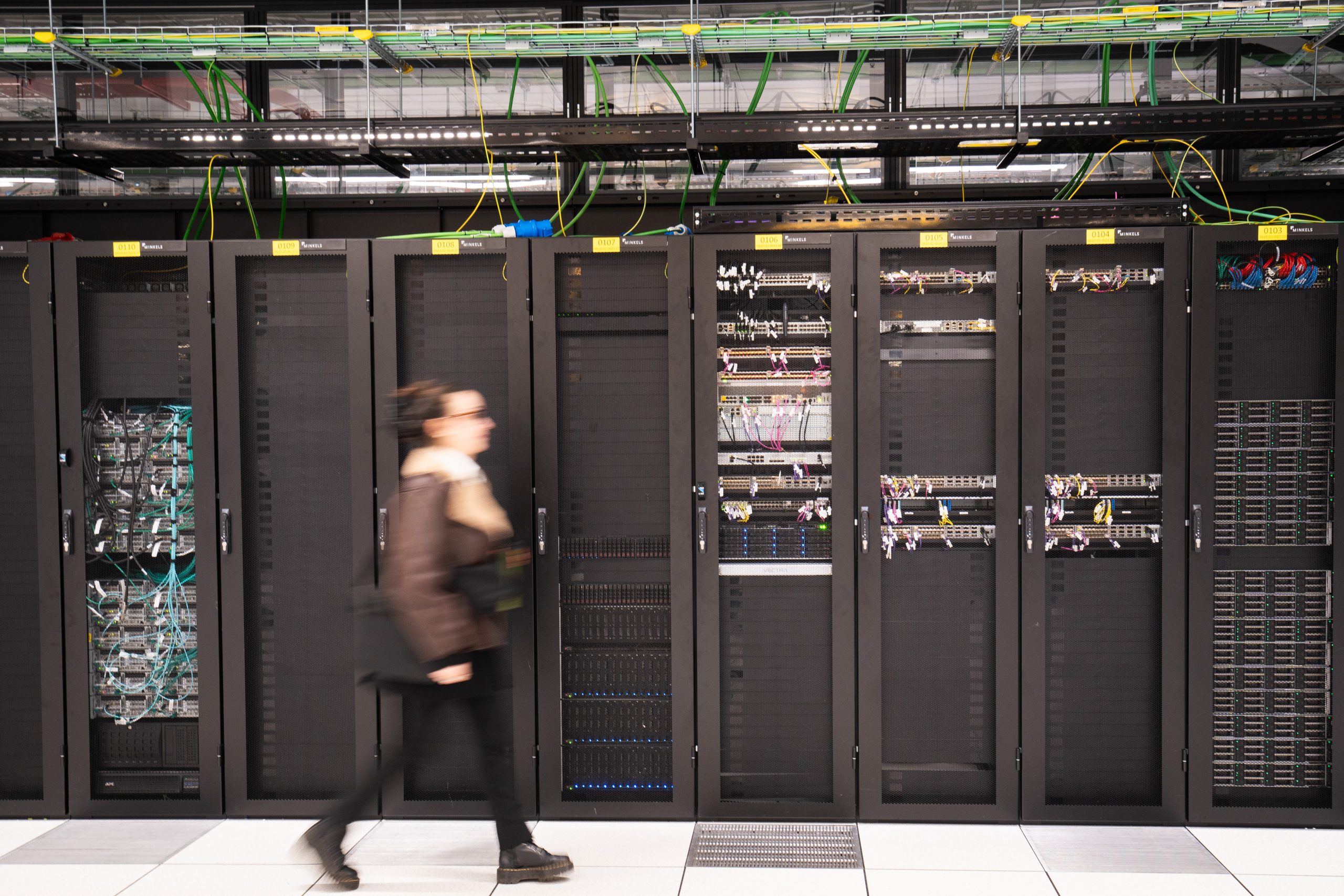
The rapid ascent of artificial intelligence (AI) and its foundational infrastructure, massive data centers, is casting a long shadow over the nation’s energy landscape, igniting significant public concern regarding escalating electricity costs. As technology corporations unveil ambitious blueprints for an unprecedented expansion of these digital behemoths, a recent national survey reveals that a vast majority of Americans are increasingly apprehensive that this AI-driven technological boom will ultimately translate into higher utility bills for households.
The Dawn of a New Energy Era: AI’s Insatiable Demand
The findings from a report commissioned by solar energy provider Sunrun underscore a growing public unease, indicating that a striking 80% of consumers harbor worries about the potential impact of data center proliferation on their monthly electricity expenses. This widespread anxiety is not merely speculative; it reflects a tangible concern about the economic repercussions of the burgeoning AI industry, which, while promising revolutionary advancements, also demands an extraordinary amount of computational power, and by extension, electrical energy. The "AI gold rush," characterized by intense competition among tech giants to develop and deploy ever more sophisticated models, inherently necessitates the construction and operation of vast server farms, each consuming energy equivalent to a small town. This accelerating demand is rapidly reshaping the conversation around energy infrastructure, sustainability, and consumer affordability.
A Decade of Stability Shattered: The Shifting Energy Landscape
For over a decade, the United States experienced a period of relative stability in its electricity demand, a trend largely attributed to efficiency gains in various sectors and shifts in manufacturing. However, this equilibrium has been decisively disrupted in recent years. Data from the U.S. Energy Information Administration (EIA) highlights a significant pivot over the past five years, where commercial and industrial sectors began drawing substantially more power from the national grid. Specifically, commercial users, a category heavily influenced by the expansion of data centers, saw annual electricity demand growth climb to 2.6%, while industrial consumption rose by 2.1%. In stark contrast, residential usage during the same period experienced a more modest annual increase of just 0.7%. This divergence signals an inflection point, where the digital economy’s voracious appetite for power is becoming the primary driver of new demand, fundamentally altering the trajectory of national energy consumption. This shift is not merely an incremental change but a structural transformation, demanding a re-evaluation of long-term energy planning and resource allocation.
The Gigawatt Generation: Data Centers’ Expanding Footprint
The magnitude of data centers’ energy consumption is becoming increasingly apparent. Currently, these facilities account for approximately 4% of all electricity generated within the United States, a figure that has more than doubled since 2018. Projections from the Lawrence Berkeley National Laboratory indicate an even more dramatic surge, forecasting that data center electricity usage could climb to between 6.7% and 12% of the national total by 2028. To put this into perspective, the upper end of this forecast would mean data centers consume more electricity than many entire countries. This exponential growth is driven by several factors: the sheer volume of data being processed, the increasing complexity of AI algorithms, and the continuous operation required for cloud services. Advanced AI workloads, particularly those involving large language models and deep learning, require specialized hardware like Graphics Processing Units (GPUs) that are far more power-intensive than traditional server processors. Beyond the computational load, the extensive cooling systems necessary to prevent these densely packed servers from overheating also contribute significantly to their colossal energy footprint. This market impact extends beyond direct consumption, influencing investment decisions in new power generation and the modernization of an aging grid infrastructure.
Navigating the Supply Challenge: Renewable Promises and Pitfalls
Despite the surging demand, the nation’s electricity generation capacity has largely managed to keep pace, thanks in no small part to a significant expansion in renewable energy sources. Over the past several years, there has been a remarkable surge in new capacity from utility-scale solar farms, wind turbines, and grid-scale battery storage solutions. Tech companies, recognizing both the environmental benefits and the long-term cost advantages, have been proactive in securing large-scale deals for new utility-scale solar projects. The appeal of solar, in particular, lies in its decreasing cost, modular design, and relatively rapid deployment time, often allowing projects to begin delivering power within approximately 18 months of commencement, sometimes even before full completion. This speed to market is a crucial factor for data center operators keen to power their expanding facilities without delay. The EIA has projected that renewables will continue to dominate new generating capacity through at least the coming year, a trend that could have extended much further. However, this optimistic outlook is clouded by expert predictions that a potential future repeal of key provisions within the Inflation Reduction Act (IRA) could significantly impede the growth trajectory of renewable energy sources. The IRA, enacted in 2022, offers substantial tax credits and incentives designed to accelerate the deployment of clean energy technologies, making its potential rollback a critical concern for the energy sector and data center developers alike.
The Fossil Fuel Conundrum: Natural Gas and Infrastructure Bottlenecks
While renewables are playing an increasingly vital role, natural gas remains a favored energy source for many data center operators due to its reliability and dispatchability. However, this reliance is encountering significant headwinds. Although natural gas production in the U.S. has been on the rise, the majority of these new supplies have been diverted to meet the soaring demand for liquefied natural gas (LNG) exports, rather than bolstering the domestic market. Between 2019 and 2024, consumption by domestic electricity generators increased by a notable 20%, but this pales in comparison to the staggering 140% surge in consumption by exporters. This dynamic creates a tight domestic supply, pushing up prices and creating uncertainty for large industrial consumers.
Compounding this challenge is the lengthy construction timeline for new natural gas power plants, which typically take around four years to complete, according to the International Energy Agency. This timeframe makes it difficult to respond quickly to sudden spikes in electricity demand. Furthermore, the industry is grappling with a severe backlog for critical components, particularly turbines used in gas-fired power plants. Manufacturers are currently quoting delivery dates stretching up to seven years out, a delay that new, recently announced production capacity expansions are unlikely to alleviate in the short to medium term. The combination of constrained domestic supply, long construction periods, and equipment backlogs places data center developers in a precarious position, as they seek reliable baseload power to complement intermittent renewable sources. This situation underscores the broader challenge of balancing energy security with the imperative for rapid electrification.
The Grid Under Pressure: A Looming Capacity Crisis
The confluence of slow natural gas infrastructure development, the potential hampering of renewable growth, and the relentless acceleration of data center demand has placed significant stress on the national electricity grid. This predicament leaves data center developers in a bind, struggling to secure sufficient, reliable, and affordable power. The implications extend far beyond the tech industry, threatening the stability and resilience of the entire electrical system. Grid operators and energy experts are increasingly sounding alarms about resource adequacy, warning that current generation and transmission infrastructure may not be sufficient to meet future demand without significant upgrades and strategic investments. The cultural impact of a strained grid could manifest in increased instances of brownouts or even blackouts, undermining public confidence in essential services and potentially slowing economic growth in power-intensive sectors. Modernizing the grid to handle both distributed renewable energy and concentrated high-load facilities like data centers is a monumental task, requiring coordinated efforts across utility companies, regulators, and technology innovators.
Societal Ripples: Economic and Cultural Implications
While data centers and AI are not solely responsible for the overall increase in electricity demand—industrial users have also contributed significantly—they have undeniably captured the headlines and the public’s imagination. This visibility makes AI a natural focal point for consumer concern, especially as energy prices continue their upward trajectory. A recent Pew survey highlighted a significant trend: globally, more people express concern about artificial intelligence than excitement for it. This sentiment is often rooted in anxieties about AI’s potential societal disruptions, particularly in the labor market. Reports of employers leveraging AI as a tool for workforce reduction, rather than augmentation, as seen in some large tech companies cutting thousands of corporate jobs, fuel this apprehension.
The potential for rising energy prices to exacerbate these existing fears creates a fertile ground for a broader public backlash. If AI is perceived as simultaneously eliminating jobs and driving up essential living costs, public acceptance and enthusiasm for the technology could wane dramatically. Moreover, the economic burden of higher utility bills disproportionately affects lower-income households, potentially widening social inequalities and creating a cultural narrative where technological advancement comes at the expense of everyday citizens. The market impact extends to investor confidence, as companies may face increased scrutiny regarding their energy consumption and sustainability practices, potentially leading to a premium on "green AI" solutions.
The Path Forward: Innovation, Policy, and Sustainable Growth
Addressing the multifaceted challenge posed by AI’s burgeoning energy demands requires a comprehensive and collaborative approach. Innovation within data centers themselves offers a crucial avenue, with advancements in energy efficiency through technologies like liquid cooling, more efficient chip designs, and optimized workload management. Strategic siting of new data centers near abundant renewable energy sources or in cooler climates can also significantly reduce their environmental footprint and operational costs.
Beyond technological solutions, policy frameworks play a pivotal role. Governments can incentivize sustainable practices through tax breaks, grants, and streamlined regulatory processes for renewable energy projects. Investment in grid modernization, including smart grid technologies and enhanced transmission infrastructure, is essential to ensure reliability and facilitate the integration of diverse energy sources. Furthermore, exploring emerging energy technologies such as small modular nuclear reactors (SMRs) or advanced geothermal systems could offer additional reliable, low-carbon power options. The long-term vision must integrate AI’s transformative potential with a sustainable, resilient, and equitable energy future. The current challenge, while immense, also presents a unique opportunity to catalyze innovation and accelerate the transition to a more efficient and sustainable global energy system. The decisions made today regarding energy infrastructure and AI development will undoubtedly shape the economic and environmental landscape for decades to come.





 Azin Asro