Amir Mahmud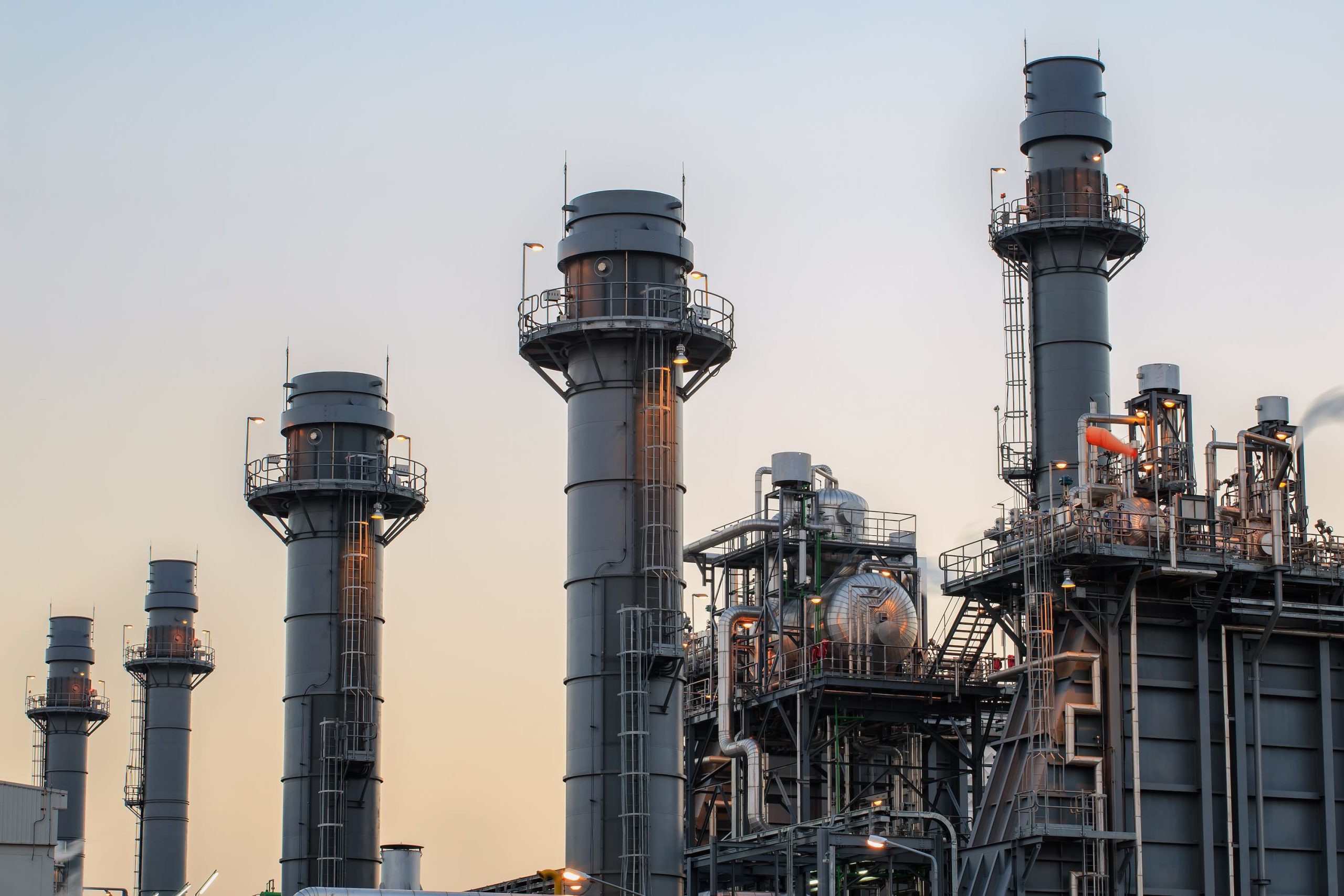
The relentless expansion of artificial intelligence infrastructure is placing unprecedented strain on national electrical grids, a phenomenon directly contributing to a notable rise in consumer electricity costs across the United States. With average national electricity prices climbing by more than 6% over the past year, the energy demands of AI data centers have become a significant economic and political concern. This surge in energy consumption has prompted a public call to action from the White House, urging major technology companies to take greater responsibility for their operational footprint.
The Escalating Demand of Artificial Intelligence
The current surge in electricity consumption is fundamentally driven by the rapid development and deployment of generative AI technologies. These advanced systems, from large language models to complex image generation tools, require immense computational power. Unlike traditional computing tasks, AI workloads often involve continuous, intensive processing performed by specialized hardware, primarily Graphics Processing Units (GPUs), which are far more energy-intensive than standard Central Processing Units (CPUs). A single modern AI server can consume as much power as several dozen residential homes. Multiply this by thousands of servers within a single data center, and then by hundreds of such facilities being built globally, and the scale of the energy challenge becomes apparent.
Data centers, the physical backbone of the digital economy and now increasingly of AI, are essentially massive, always-on factories for processing and storing information. Beyond the computational power itself, these facilities demand substantial energy for cooling systems to prevent overheating, further exacerbating their environmental and grid footprint. The rapid pace of AI innovation has outstripped projections for energy infrastructure readiness, creating a bottleneck that has swiftly moved from a niche industry concern to a national policy debate. Historically, data centers have grown steadily, but the "AI boom" ignited by breakthroughs like OpenAI’s ChatGPT in late 2022 has dramatically accelerated this trajectory, prompting an urgent reevaluation of energy supply strategies and grid capabilities. The energy sector, already grappling with an aging infrastructure and the complexities of transitioning to renewable sources, now faces an unforeseen colossal demand driver.
White House Pressure and Preemptive Corporate Pledges
In a politically charged environment, with national elections approaching and cost-of-living issues at the forefront of public discourse, the White House has publicly called upon leading technology companies to take greater responsibility for their energy footprint. During a recent State of the Union address, President Donald Trump articulated a clear expectation: "We’re telling the major tech companies that they have the obligation to provide for their own power needs. They can build their own power plants as part of their factory, so that no one’s prices will go up." This statement underscored a governmental push to ensure that the economic benefits of technological advancement do not come at the expense of ordinary citizens, particularly when faced with rising utility bills.
However, many of the so-called "hyperscalers" – the dominant players in cloud computing and AI development – had already begun to proactively address these concerns. Recognizing both the potential for adverse public relations and the strategic imperative of securing reliable, cost-effective power, these corporations have been making public commitments in recent weeks. These pledges, which often involve a combination of building proprietary power sources, agreeing to pay elevated electricity rates, or investing in grid infrastructure, are part of a broader strategy to mitigate community opposition to data center expansion and to demonstrate corporate accountability. The timeline of these announcements reveals a proactive stance by the industry. For instance, Microsoft publicly stated its policy on January 11, pledging "to ensure that the electricity cost of serving our datacenters is not passed on to residential customers." This was followed by OpenAI’s commitment on January 26 to "paying its own way on energy, so that our operations don’t increase your energy prices," and Anthropic’s similar pledge on February 11 to "cover electricity price increases that consumers face from our data centers." Google further exemplified this trend on February 24, announcing plans for the world’s largest battery project designed to support a data center in Minnesota, signaling a move towards self-sufficiency and renewable energy integration. These corporate actions suggest an industry already aware of, and attempting to manage, the energy implications of its exponential growth.
Unpacking the Commitments: Ambition Versus Implementation
While these corporate pledges represent a significant shift in responsibility, their practical implementation and ultimate impact remain subjects of considerable scrutiny. The specific mechanisms through which companies will "cover" electricity costs or "pay their own way" are not yet fully defined. Questions abound regarding how the incremental price increases attributable solely to AI data centers will be precisely identified and calculated, and by whom. The White House, despite its call for action, has not yet released the detailed text of the proposed pledge, leaving stakeholders without a clear framework for accountability and verification.
Industry analysts suggest that "covering costs" could manifest in several ways: direct payments to utility companies to offset residential rate increases, significant investments in grid modernization projects, or the aforementioned development of dedicated, on-site power generation facilities. Each approach presents its own set of complexities. Direct payments, while seemingly straightforward, would require intricate accounting and regulatory oversight to ensure funds are accurately disbursed and truly mitigate consumer impact. Building private power plants, while offering greater energy independence, entails massive capital expenditures, lengthy permitting processes, and the selection of appropriate energy sources, which themselves carry environmental and supply chain implications. The ambition of these pledges is clear, but the path to effective, verifiable implementation is fraught with challenges, requiring unprecedented collaboration between tech giants, energy providers, and regulatory bodies. A key analytical question is whether these commitments represent a genuine shift in cost burden or merely a re-allocation of existing financial strategies that would have been undertaken anyway.
The Broader Implications: Grid Stability, Environment, and Community
The rapid growth of AI infrastructure and the energy demands it imposes extend far beyond mere financial considerations, touching upon critical issues of national grid stability, environmental sustainability, and local community well-being. The national electrical grid, a complex and often aging network, was not designed to accommodate the sudden, massive load increases brought by hyperscale data centers. Integrating such significant new demand without jeopardizing reliability requires substantial investment in transmission, distribution, and generation capacity. This challenge is compounded by the ongoing transition towards renewable energy sources, which introduce their own intermittency challenges that must be balanced with reliable baseload power.
Environmentally, the energy choices made by tech companies are crucial. While pledges to build "own power sources" could lead to more renewable energy adoption (solar, wind, geothermal, or even small modular reactors), they could also, in the short term, increase reliance on fossil fuels, particularly natural gas turbines, to ensure constant power supply. This carries implications for greenhouse gas emissions and local air quality, potentially contradicting broader climate goals. Indeed, concerns have already surfaced regarding certain facilities operating gas turbines without adequate permits, highlighting the environmental risks. Furthermore, data centers are significant consumers of water for cooling, adding another layer of environmental impact that communities must contend with, particularly in drought-prone regions.
Socially, the placement and operation of data centers often spark local controversies. Communities frequently express concerns about noise pollution, visual impact, increased truck traffic, and the potential strain on local resources like water and power. The promise of job creation, while real, sometimes does not fully offset these perceived burdens. The White House’s push, and the companies’ subsequent pledges, are partly a response to this growing community skepticism. As Arizona Democratic Senator Mark Kelly remarked on social media, "A handshake agreement with Big Tech over data center costs isn’t good enough. Americans need a guarantee that energy prices won’t soar and communities have a say." His statement encapsulates the public desire for transparency, accountability, and genuine local engagement in decisions impacting their energy future and environment.
Political Undercurrents and Public Scrutiny
The intersection of rapidly evolving technology, consumer economics, and environmental policy has created a potent political issue. President Trump’s intervention underscores the bipartisan nature of concerns over rising energy costs and the perceived power of large tech corporations. In an election year, ensuring affordable electricity for households becomes a critical talking point for incumbents, making the optics of AI-driven price hikes particularly unfavorable. The cultural impact also plays a role, as the public grapples with the tangible, resource-intensive reality behind seemingly ethereal digital advancements.
The impending formal signing of the pledge at the White House, reportedly involving major players like Amazon, Google, Meta, Microsoft, xAI, Oracle, and OpenAI, marks a pivotal moment. While White House spokesperson Taylor Rodgers indicated that company representatives are expected to attend, the lack of official confirmation from these firms adds a layer of anticipation and uncertainty. This public display of commitment is crucial for building trust, yet it simultaneously invites heightened scrutiny from consumer advocates, environmental groups, and political figures alike. The pressure is on for these tech giants to demonstrate not just intent, but verifiable progress in mitigating their energy footprint and protecting consumer interests. The pledges, if not rigorously enforced and transparently implemented, risk being perceived as mere public relations maneuvers rather than substantive solutions to a complex energy crisis.
Looking Ahead: The Future of AI Energy Infrastructure
The current situation highlights a critical juncture for the energy industry, the technology sector, and public policy. The ambitious goal of enabling AI companies to "provide for their own power needs" presents both immense challenges and opportunities. On-site power generation, whether through renewables, advanced nuclear, or even efficient gas turbines, requires massive capital investment and innovative engineering. It also necessitates a robust and resilient supply chain for everything from solar panels and wind turbines to battery storage systems and specialized power plant components. The market impact of this demand could spur innovation and investment in new energy technologies, but also strain existing supply chains for critical components.
The long-term vision could see data centers evolving into self-sufficient energy hubs, potentially even contributing excess power back to the grid during off-peak hours, or acting as anchor tenants for new, clean energy projects. This could accelerate the broader energy transition, provided the chosen power sources are genuinely sustainable. However, achieving this requires overcoming significant hurdles, including developing regulatory frameworks that must adapt to accommodate distributed generation at this scale, and ensuring that these solutions genuinely reduce, rather than merely shift, environmental burdens. The dialogue initiated by the White House and the proactive steps by tech companies mark the beginning of a complex, multi-stakeholder effort to reconcile the accelerating demands of artificial intelligence with the imperative of a stable, affordable, and sustainable energy future for all. The coming months will be crucial in determining whether these pledges translate into tangible, positive outcomes for consumers and the environment, and whether the AI boom can ultimately power itself responsibly.