Amir Mahmud
Anthropic, a prominent artificial intelligence research and development company, announced its acquisition of Vercept, an AI startup specializing in sophisticated computer-use agents. This strategic move, confirmed on Wednesday, underscores the accelerating race among tech giants to enhance their AI capabilities, particularly in the burgeoning field of agentic AI. The acquisition follows Anthropic’s earlier integration of Bun in December, aimed at scaling its Claude Code initiatives, and highlights a growing trend of established AI players absorbing promising startups to gain a competitive edge in talent and technology.
Vercept had garnered attention for its innovative approach to agentic tasks, particularly through its product Vy, a cloud-based computer-use agent capable of autonomously operating a remote Apple MacBook. This technology positions Vercept as a key player in the re-imagination of personal computing for the era of intelligent AI agents, a vision that resonated deeply with Anthropic’s long-term objectives. However, as part of the acquisition agreement, Vercept’s product offerings are slated for discontinuation on March 25, signaling a full integration of its team and core technologies into Anthropic’s ecosystem rather than a continuation of its independent product line.
The Dawn of Agentic AI: Redefining Human-Computer Interaction
The acquisition of Vercept by Anthropic is more than just a corporate transaction; it signifies a pivotal moment in the evolution of artificial intelligence, particularly in the domain of "agentic AI." Agentic AI refers to systems designed to act autonomously, make decisions, and execute complex tasks on behalf of users, often by interacting with digital environments in ways previously exclusive to humans. Unlike traditional AI models that primarily respond to direct prompts, agentic AI aims to understand broader goals and break them down into actionable steps, executing them across various applications and interfaces.
Vercept’s Vy, with its ability to operate a remote MacBook, epitomized this frontier. Imagine an AI agent not just writing an email, but navigating your operating system, opening specific applications, extracting data from multiple sources, drafting a report, and then sending it—all based on a high-level instruction. This capability promises to fundamentally redefine productivity and human-computer interaction, shifting from direct command-and-response paradigms to more collaborative, goal-oriented partnerships with AI. The potential market impact is immense, spanning across enterprise automation, personal assistants, complex data analysis, and even creative endeavors, promising to unlock unprecedented levels of efficiency and innovation. Companies like Anthropic are keenly aware that mastering agentic AI is crucial for leading the next wave of technological advancement.
Vercept’s Roots and Notable Backing
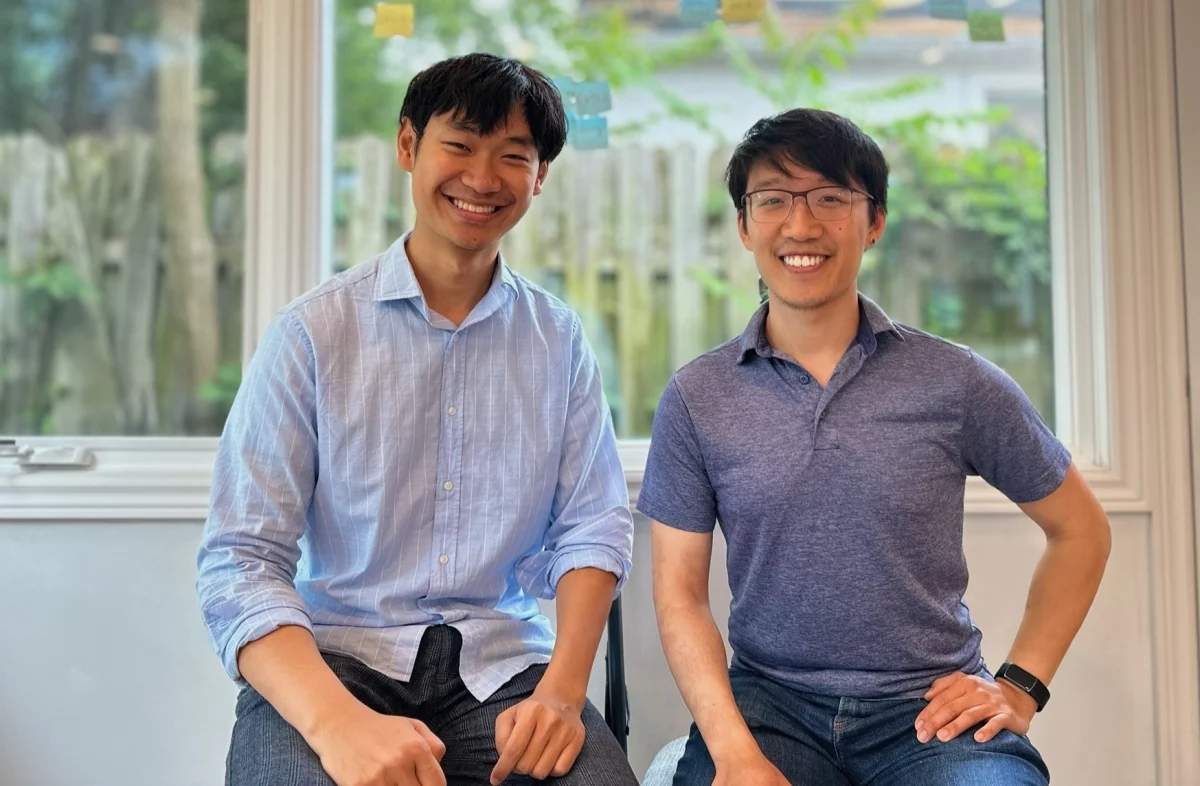
Vercept’s journey began within the fertile grounds of Seattle’s vibrant AI ecosystem, specifically as a graduate of the AI2 incubator, an offshoot of the renowned Allen Institute for AI. This affiliation provided the startup with a strong foundation, connecting it to a network of leading researchers and innovators. The co-founders themselves, including Kiana Ehsani, Luca Weihs, and Ross Girshick, boasted deep ties to the Allen Institute, having previously served as researchers there, contributing to a culture of rigorous scientific inquiry and practical application.
The startup quickly established itself as a high-profile entity within the regional tech scene, attracting significant investor interest. Vercept successfully raised a total of $50 million, including an initial $16 million seed round announced in January of the previous year. This substantial funding round was reportedly led by Seth Bannon, a board member from AI2, whose confidence in Vercept’s vision was evident. The list of angel investors further underscored the startup’s perceived potential, featuring an impressive roster of tech luminaries such as former Google CEO Eric Schmidt, Google DeepMind chief scientist Jeff Dean, Cruise founder Kyle Vogt, and Dropbox co-founder Arash Ferdowsi. Such high-caliber backing not only provided capital but also lent significant credibility and strategic guidance, signaling to the broader market that Vercept was a company to watch.
The Intensifying AI Talent War
The narrative surrounding Vercept’s acquisition is intrinsically linked to the fierce competition for top-tier AI talent, a defining characteristic of the current technology landscape. A notable aspect preceding the acquisition was the departure of one of Vercept’s co-founders, Matt Deitke. Last year, Deitke made headlines when he was reportedly offered a staggering $250 million salary by Meta to join its Superintelligence Lab. This incident vividly illustrates the lengths to which major tech companies are willing to go to secure the brightest minds in AI research.
This trend of "acqui-hires"—acquisitions primarily driven by the desire to bring specialized talent into the acquiring company—has become increasingly common in the AI sector. The scarcity of individuals with deep expertise in cutting-edge AI, particularly in areas like foundational models, machine learning engineering, and agentic systems, has created an unprecedented bidding war. For companies like Anthropic, Meta, OpenAI, and Google, securing these researchers is not just about expanding their teams; it’s about maintaining a competitive edge, accelerating development roadmaps, and ultimately, shaping the future direction of artificial intelligence. Deitke’s move to Meta served as a stark reminder of the immense value placed on individual AI researchers, making Anthropic’s subsequent acquisition of Vercept appear, in part, as a strategic response to consolidate talent and prevent further losses to rivals. Deitke himself acknowledged the acquisition, publicly congratulating his former colleagues on X.
Investor Discord and Strategic Divergence
While the acquisition brings a significant portion of Vercept’s team into Anthropic, not all co-founders are making the transition. Oren Etzioni, a well-respected figure in Seattle’s AI community and the founding leader of the Allen Institute for AI, was previously identified as a co-founder and investor in Vercept. Etzioni, along with Deitke, will not be joining Anthropic, and his public commentary revealed a palpable dissatisfaction with the outcome.
Etzioni, a professor at the University of Washington and a veteran founder and venture capitalist, expressed his disappointment on LinkedIn, stating, "After a little bit more than a year, Vercept is throwing in the towel and giving their customers 30 days to get off the platform. Sad. A fantastic team is joining Anthropic. I wish them the very best!" His sentiment reflected a frustration with the startup’s relatively short independent run and the abrupt shutdown of its product, despite securing a positive return on his investment. He elaborated to GeekWire, expressing his dismay that "after just a little over a year with so much traction, and such a fantastic team, we’re basically throwing in the towel."
The public forum of LinkedIn further amplified this internal discord. Etzioni publicly accused Seth Bannon, Vercept’s lead investor, of being "partly responsible" for the company’s perceived failure to hire appropriate business leadership. This sparked a contentious exchange, with Bannon retorting by defending the founders’ achievements, asserting that they had attained "an outcome most could only dream of." The online debate escalated, reportedly involving accusations of lying and threats of legal action, illustrating the high stakes and emotional investment involved in the intensely competitive startup world. While such public spats offer a glimpse into the internal dynamics of tech ventures, they primarily underscore the differing philosophies and expectations among investors regarding startup trajectories—whether to aim for an independent market dominance or accept an early, strategic acquisition.
In contrast to Etzioni’s reservations, Vercept CEO Kiana Ehsani conveyed a positive outlook on the acquisition. In her own LinkedIn post, Ehsani articulated the strategic rationale behind the decision: "The choices were clear: we could build independently and work toward the same vision as two separate versions of it, or join forces with an incredible team and accelerate that vision into reality. The decision became an easy choice." Her statement highlights the strategic alignment between Vercept’s goals and Anthropic’s larger mission, framing the acquisition as a synergistic opportunity for accelerated impact rather than a concession.
Anthropic’s Strategic Imperative
While the specific financial terms of the deal were not disclosed, the underlying motivation for Anthropic is clear: to integrate Vercept’s specialized expertise and advanced agentic technologies into its own rapidly evolving AI ecosystem. Anthropic, a company founded by former OpenAI researchers and known for its focus on responsible AI development, has been actively expanding the capabilities of its flagship AI model, Claude. The acquisition of Vercept, following the earlier purchase of the coding agent engine Bun, reinforces Anthropic’s commitment to building more sophisticated, autonomous, and capable AI agents.
Vercept’s cloud-based computer-use agent, Vy, represents a significant technological asset for Anthropic. By integrating Vercept’s team and intellectual property, Anthropic can potentially enhance Claude’s ability to perform complex, multi-step tasks across various digital interfaces, moving beyond conversational AI to truly interactive and operational intelligence. This move positions Anthropic more strongly in the "AI agent race" against formidable competitors like Google’s DeepMind, OpenAI, and Meta, all of whom are heavily investing in developing AI systems that can independently interact with and manipulate digital environments. The acquisition is not just about technology; it’s also about preventing a valuable talent pool from being dispersed or acquired by a rival, thereby solidifying Anthropic’s position in the high-stakes battle for AI supremacy.
The Future Landscape of AI-Driven Computing
The acquisition of Vercept by Anthropic serves as a potent indicator of the direction in which artificial intelligence is heading. The vision of AI agents that can seamlessly operate and manage our digital lives, from complex professional tasks to personal organization, is rapidly moving from concept to reality. This paradigm shift promises to profoundly impact how individuals and organizations interact with technology, potentially ushering in an era where AI becomes a proactive partner rather than a reactive tool.
However, this future also brings forth critical considerations regarding ethical AI development, user control, and the societal implications of increasingly autonomous systems. Companies like Anthropic, with their stated commitment to responsible AI, will play a crucial role in shaping these developments. The consolidation of innovative startups like Vercept into larger AI entities highlights the intensifying competition, the immense value of specialized AI talent, and the rapid pace of innovation that characterizes the current AI landscape. As the industry continues to evolve, strategic acquisitions will likely remain a key mechanism for accelerating progress and defining the future of AI-driven computing.