Amir Mahmud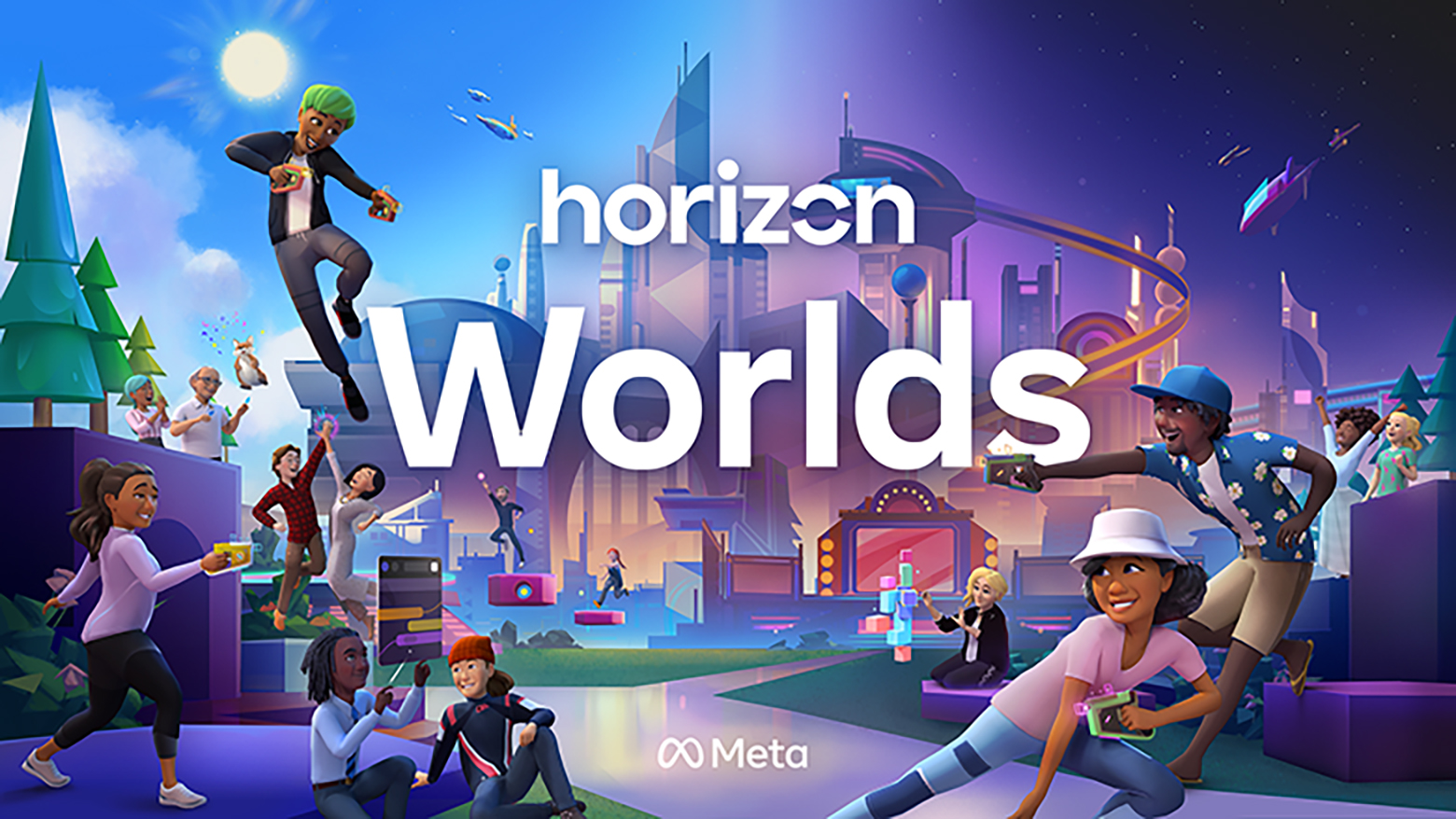
Meta Platforms, Inc., the technology titan formerly known as Facebook, has announced a significant strategic pivot for its flagship virtual world, Horizon Worlds. The platform, once envisioned as a cornerstone of the metaverse, is now undergoing a substantial reorientation, moving its focus "almost exclusively mobile" and explicitly decoupling its experience from Meta’s Quest virtual reality (VR) hardware. This bold redirection signals a broader recalibration of Meta’s long-term digital ambitions, moving away from a singular, VR-centric metaverse vision towards a more diversified strategy that prioritizes widespread mobile accessibility and the burgeoning field of artificial intelligence.
The Metaverse Dream and Reality Labs’ Financial Reckoning
For years, Meta CEO Mark Zuckerberg championed the metaverse as the internet’s next evolutionary stage, a persistent, interconnected set of virtual spaces where users could work, play, socialize, and shop. This grand vision led to the company’s rebranding from Facebook to Meta in late 2021, a definitive statement of its commitment to pioneering this new digital frontier. At the heart of this endeavor was Reality Labs, Meta’s division dedicated to developing VR headsets, smart glasses, and other metaverse technologies. Horizon Worlds, launched in December 2021 as a free VR application, was designed to be a vibrant, social hub within this nascent metaverse, allowing users to create, explore, and interact.
However, the journey into the metaverse has proven to be an extraordinarily expensive one. Since 2020, Meta’s Reality Labs division has accumulated staggering operational losses, totaling nearly $80 billion. These monumental financial outflows have fueled investor skepticism and prompted a critical reevaluation of the pace and direction of Meta’s metaverse investments. While Meta has consistently argued that these are long-term investments necessary for building the next computing platform, the scale of the losses combined with slower-than-anticipated user adoption for VR has necessitated a strategic adjustment.
The financial pressures have manifested in several recent internal shifts. Just last month, reports emerged of significant layoffs within Reality Labs, affecting approximately 1,500 employees, or about 10% of the unit’s workforce. Concurrently, several VR game studios under Meta’s umbrella were reportedly shut down. Even the popular VR fitness application Supernatural, which Meta acquired through its purchase of Within in 2023, is reportedly transitioning into a "maintenance mode," ceasing the production of new content. These actions collectively underscore a more conservative and pragmatic approach to VR development, prioritizing efficiency and market viability over expansive, costly experimentation.
A Strategic Repositioning: Mobile-First for Horizon Worlds
The decision to shift Horizon Worlds to an "almost exclusively mobile" focus and to "explicitly separate" it from the Quest VR platform marks a pivotal moment. When Horizon Worlds first debuted, it was conceived primarily as a VR experience. While it later expanded to web and mobile platforms, the recent announcement signifies a fundamental change in its design philosophy and target audience. Meta’s rationale is clear: to "truly change the game and tap into a much larger market, we’re going all-in on mobile."
This strategic pivot positions Horizon Worlds to directly compete with established and highly successful mobile-first social platforms such as Roblox and Fortnite. These platforms have demonstrated the immense potential of user-generated content, synchronous social interaction, and robust in-app economies, all accessible through the ubiquitous smartphone. By lowering the barrier to entry—eliminating the need for expensive VR hardware—Meta aims to dramatically expand Horizon Worlds’ reach and user base.
Samantha Ryan, Vice President of Content for Reality Labs, articulated this strategy in a recent blog post, stating, "We’re in a strong position to deliver synchronous social games at scale, thanks to our unique ability to connect those games with billions of people on the world’s biggest social networks." This statement highlights Meta’s core strength: its vast network of billions of users across Facebook, Instagram, and WhatsApp. By integrating Horizon Worlds more seamlessly into this ecosystem, Meta hopes to leverage its existing social graph to drive adoption and engagement, a strategy that began unfolding in 2025 and is now its primary focus.
Analytical commentary suggests this move is a pragmatic response to market realities. While VR offers unparalleled immersion, its hardware costs, potential for motion sickness, and requirement for dedicated physical space have limited its mass appeal. Mobile, conversely, offers instant accessibility to billions worldwide, making it a more fertile ground for cultivating a large-scale social platform. This shift doesn’t necessarily abandon the concept of the metaverse but rather redefines Meta’s approach to it, seeking to build community and digital interaction on the most accessible platform first, potentially serving as an on-ramp for future, more immersive experiences.
Shifting Sands: The Rise of AI Wearables
Perhaps the most significant aspect of Meta’s evolving strategy is the increasing emphasis on artificial intelligence, particularly in the realm of wearable technology. While Meta maintains a commitment to its VR hardware roadmap, tailored for different audience segments as the market matures, the broader "metaverse ambitions" as initially defined — a VR-first, fully immersive digital world — appear to have been significantly tempered in favor of AI.
Meta is now directing substantial investments towards developing AI wearables and advancing its own sophisticated AI models. This pivot aligns with a broader industry trend where AI is seen as the next major technological frontier, promising transformative changes across various sectors. Mark Zuckerberg has been vocal about this new direction, recently stating during Meta’s latest earnings call, "It’s hard to imagine a world in several years where most glasses that people wear aren’t AI glasses."
This vision centers on smart glasses that integrate advanced AI capabilities, offering users augmented reality experiences, real-time information access, and seamless interaction with digital assistants, all without the need for a separate screen or device. Zuckerberg also highlighted the impressive growth of Meta’s current smart glasses offerings, noting that sales tripled within the last year, positioning them as "some of the fastest growing consumer electronics in history." While these current models primarily offer integrated cameras and audio for hands-free content capture and communication, they lay the groundwork for more sophisticated AI-powered augmented reality experiences.
The appeal of AI wearables lies in their potential to blend the digital and physical worlds in a less obtrusive and more integrated manner than full VR headsets. Instead of transporting users to an entirely separate virtual environment, AI glasses aim to enhance the user’s perception and interaction with their existing surroundings. This could include real-time language translation, contextual information overlays, intelligent navigation, and personalized assistance, all delivered through a device that is socially acceptable and comfortable for everyday wear. This strategic shift reflects a recognition that while VR has its niche, AI-powered AR wearables might offer a more immediate and widespread pathway to integrating advanced technology into daily life.
The Broader Implications for Tech and Consumers
Meta’s strategic realignment carries significant implications for the broader technology landscape and for consumers. For the VR industry, this pivot could be interpreted in several ways. While Meta isn’t abandoning VR hardware entirely, the de-emphasis on Horizon Worlds as a VR-exclusive experience might signal a tempering of expectations for rapid, mass VR adoption. It could encourage other players to focus on more specialized or niche VR applications, or to likewise explore multi-platform strategies.
For the mobile social and gaming markets, Horizon Worlds’ renewed mobile focus intensifies competition with established giants like Roblox, Fortnite, and even TikTok. Meta brings formidable resources and a massive existing user base to this arena, potentially shaking up the competitive dynamics and fostering further innovation in social interactive experiences on mobile devices.
The shift towards AI wearables also positions Meta as a major contender in an emerging market that promises to redefine how people interact with technology and the world around them. As AI capabilities become more sophisticated and hardware becomes more discreet, AI glasses could become as ubiquitous as smartphones, profoundly impacting privacy, social norms, and the very definition of personal computing. This places Meta in direct competition with other tech giants like Apple and Google, who are also investing heavily in augmented reality and AI integration.
From a cultural perspective, this evolution reflects the ongoing tension between ambitious, transformative technological visions and the practical realities of market adoption and financial sustainability. Meta’s initial metaverse bet was a grand experiment, pushing the boundaries of what was possible. The current adjustments demonstrate a willingness to adapt, learn from market feedback, and reallocate resources to areas with more immediate growth potential and broader appeal.
Looking Ahead: Meta’s Evolving Vision
Ultimately, Meta’s recent announcements represent not a surrender, but a strategic evolution. The company is refining its digital frontier, recognizing that the path to the next computing platform may not be a straight line through virtual reality, but rather a more winding journey that incorporates the immense reach of mobile and the transformative power of artificial intelligence.
While the immersive, VR-first metaverse may take longer to materialize or may evolve into something different than originally envisioned, Meta’s commitment to innovation remains. By focusing on mobile accessibility for its social platforms and investing heavily in AI-powered wearables, Meta is positioning itself to capture significant market share in what it believes will be the next waves of technological advancement. The future of digital interaction is still being written, and Meta, with its refined strategy, aims to be a primary author of its next chapter.