Amir Mahmud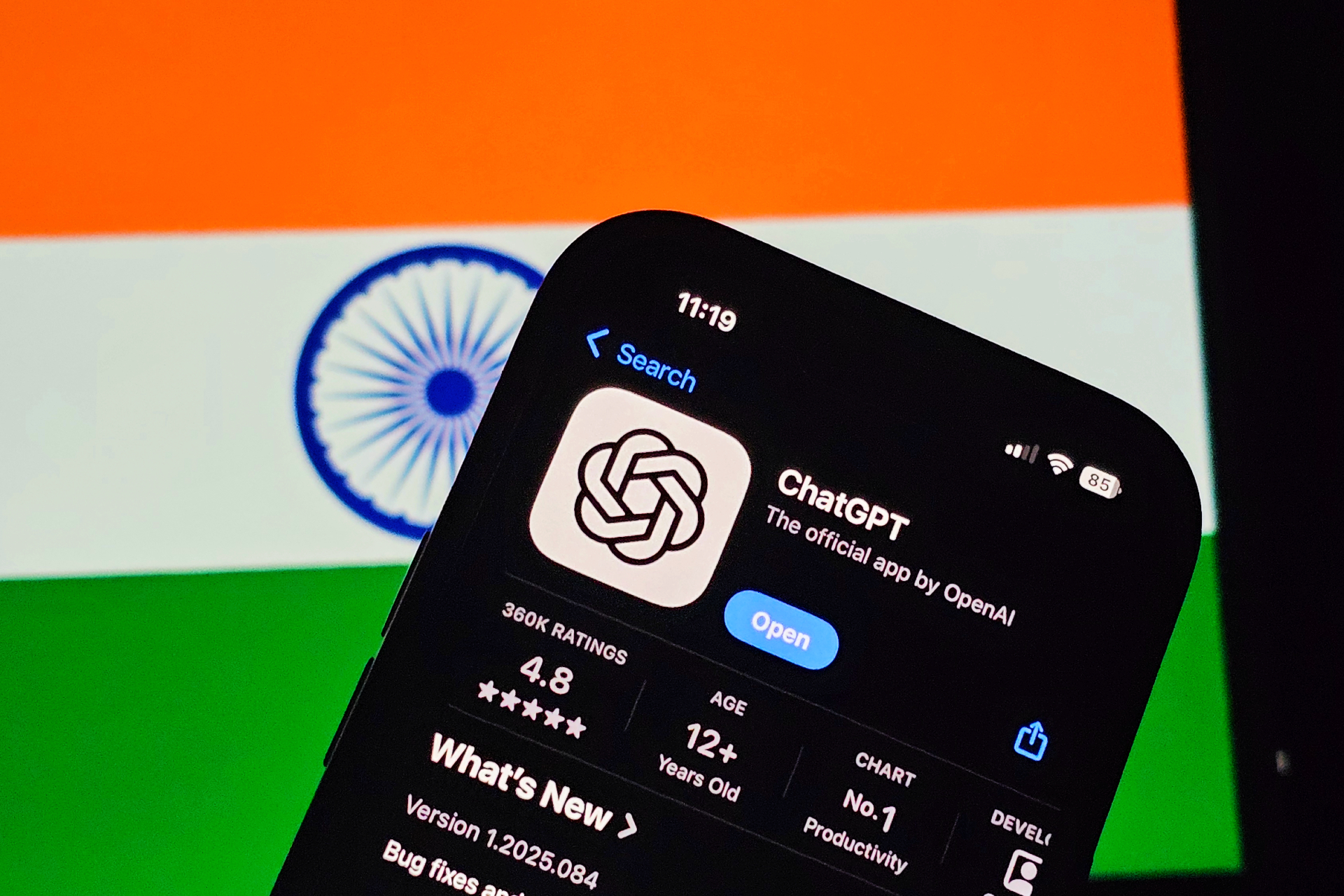
OpenAI’s recent disclosures underscore a remarkable phenomenon: the rapid and profound integration of its generative artificial intelligence tools, particularly ChatGPT, within India’s youthful populace. The company revealed that a significant majority of interactions with ChatGPT in India originate from individuals under 30, with those aged 18 to 24 alone contributing nearly half of all messages sent to the platform. This demographic-driven engagement highlights India’s unique position as a critical growth market and a harbinger of global AI adoption trends, particularly among digitally native generations.
The Young Demographic Driving AI Adoption
The statistics provided by OpenAI paint a vivid picture of a market where digital natives are not just early adopters but primary drivers of AI utilization. Users between the ages of 18 and 24 are responsible for approximately 50% of the messages directed to ChatGPT, a figure that surges to 80% when considering all users under 30. This striking concentration among younger demographics is not merely a statistical anomaly but a reflection of India’s demographic dividend and its rapidly evolving digital landscape. With over 65% of its population under 35, India possesses an immense pool of young, digitally literate individuals who are eager to leverage new technologies for personal and professional advancement. This demographic advantage, coupled with widespread smartphone penetration and affordable internet access, creates an exceptionally fertile ground for the adoption of generative AI tools. These young users are integrating AI into their daily routines for tasks ranging from academic research and skill development to career planning and creative pursuits, demonstrating an intuitive grasp of AI’s potential to augment human capabilities.
Professional Productivity and the Coding Edge
Beyond general curiosity, a significant portion of AI engagement in India is geared towards professional applications. OpenAI data indicates that 35% of all messages from Indian users are related to work tasks, a notable contrast to the global average of 30%. This inclination towards professional utility suggests that AI is not just a recreational tool but a vital instrument for productivity and skill enhancement within the Indian workforce. The country’s robust information technology sector, a global hub for software development and IT services, appears to be a major beneficiary and accelerator of this trend.
A particularly striking finding is the elevated usage of OpenAI’s coding assistant, Codex. Indian users engage with Codex at a rate three times higher than the global median, and weekly usage has quadrupled since the introduction of its dedicated Mac application. Furthermore, the volume of coding-related inquiries from India is three times the median. This intense focus on coding support is corroborated by independent research from Anthropic, another leading AI firm, which observed that 45.2% of tasks performed on its Claude AI in India were software-related. This strong affinity for AI-powered coding assistance underscores India’s position as a powerhouse in software development and its proactive embrace of tools that can enhance developer productivity, streamline workflows, and accelerate innovation within the tech industry. For a nation that has long prided itself on its engineering talent, generative AI represents a powerful new frontier for maintaining and expanding its global competitive edge.
Strategic Market Expansion in India
India’s strategic importance to OpenAI is undeniable, cemented by its status as the company’s second-largest market, boasting over 100 million weekly users. Recognizing this potential, OpenAI has embarked on an aggressive strategy to deepen its roots within the country. This includes tailored pricing models, such as a sub-$5 subscription tier designed to cater to the Indian market’s economic realities, and proactive promotional campaigns, including offering free ChatGPT Go access for a year to spur widespread adoption.
The company’s commitment extends to significant infrastructure and partnership initiatives. OpenAI is establishing new offices in key Indian tech hubs, Mumbai and Bengaluru, this year, signaling a long-term investment in the region. A landmark partnership with the conglomerate Tata Group aims to secure 100 megawatts of AI compute capacity, a crucial resource for scaling AI operations, and to facilitate the distribution of ChatGPT Enterprise solutions through Tata Consultancy Services (TCS), one of the world’s largest IT services companies. This collaboration positions AI directly within the heart of India’s corporate landscape, promising to transform enterprise productivity. Beyond large conglomerates, OpenAI is forging diverse alliances across various sectors, including fintech with Pine Labs, travel platforms like Ixigo and Makemytrip, and the food and grocery delivery sector with Eternal. Crucially, the company is also investing in human capital development through partnerships with educational institutions, planning to distribute its tools to over 100,000 students over the next six years, thereby fostering a new generation of AI-literate professionals. These multi-pronged efforts reflect a comprehensive strategy to embed OpenAI’s technology deeply across India’s economy and society.
India’s Digital Ecosystem: A Fertile Ground for AI
India’s enthusiasm for generative AI is not an isolated phenomenon but rather a natural evolution within its broader digital transformation journey. The "Digital India" initiative, launched by the government, has fostered a robust digital infrastructure, expanded internet access, and promoted digital literacy across the nation. This foundation, combined with a thriving startup ecosystem and a large pool of English-speaking technical talent, makes India an ideal environment for AI innovation and adoption.
The country’s unique blend of a vast, young population, rapid urbanization, and a strong engineering culture creates a dynamic interplay that accelerates technological uptake. Unlike many developed nations with aging populations, India’s demographic structure means a larger proportion of its citizens are digital natives, having grown up with smartphones and the internet as integral parts of their lives. This innate familiarity reduces friction in adopting new digital tools, including sophisticated AI platforms. Furthermore, the aspirational nature of Indian youth, often seeking tools to enhance their education and career prospects, aligns perfectly with the problem-solving and efficiency-boosting capabilities of generative AI. The competitive landscape within education and employment also encourages individuals to seek out cutting-edge tools that can give them an advantage, positioning AI as a critical enabler of personal and professional growth.
Broader Societal and Economic Implications
The pervasive adoption of generative AI among India’s youth carries significant societal and economic implications. On a social level, it signals a shift in learning methodologies and creative expression. Students are likely leveraging AI for personalized tutoring, complex problem-solving, and content generation, potentially reshaping traditional educational paradigms. For aspiring entrepreneurs and creators, AI offers unprecedented access to tools for rapid prototyping, market analysis, and digital content creation, lowering barriers to entry in various industries.
Economically, the enhanced productivity driven by AI tools, particularly in the IT and software development sectors, could further solidify India’s position as a global tech leader. The ability to rapidly prototype, debug, and innovate using AI assistants like Codex can significantly boost the output and quality of India’s vast developer workforce. This could attract more global investment and foster a more vibrant domestic tech ecosystem. However, it also raises questions about the future of work, the demand for new skills, and the potential for job displacement in roles that are easily automatable. The government and educational institutions face the challenge of adapting curricula and workforce training programs to prepare the next generation for an AI-augmented economy.
OpenAI’s chief economist, Ronnie Chatterji, emphasized the importance of data-driven insights in navigating this rapidly evolving landscape. "AI adoption is moving faster than our ability to measure it — and that’s a challenge for anyone trying to make smart decisions. Signals is our way of putting real-world evidence on the table, so India’s AI debate can be grounded in facts, not hype," Chatterji stated, highlighting the need for empirical data to inform policy and strategic planning. This sentiment underscores the ongoing global effort to understand and responsibly harness the transformative power of AI.
The Road Ahead for AI in India
The robust engagement observed in India is not merely a testament to OpenAI’s product-market fit but also a powerful indicator of India’s burgeoning role in the global AI narrative. The country’s participation in events like the AI Impact Summit in New Delhi signifies its commitment to fostering a national AI strategy and ecosystem. As OpenAI continues to expand its footprint and forge new partnerships across education, enterprise, and various industries, it is poised to play a pivotal role in shaping India’s AI-powered future.
However, the rapid proliferation of AI also brings forth critical considerations, including data privacy, ethical AI development, and ensuring equitable access to these powerful tools across all segments of society. The challenge for India, and indeed for AI developers globally, will be to balance innovation with responsible deployment, ensuring that the benefits of AI are widely distributed and its potential risks are effectively mitigated. The dynamic interaction between India’s young, ambitious population and cutting-edge AI technology sets a compelling precedent for how other emerging economies might integrate and leverage generative AI in the years to come, making India a crucial case study for the future of artificial intelligence worldwide.