Amir Mahmud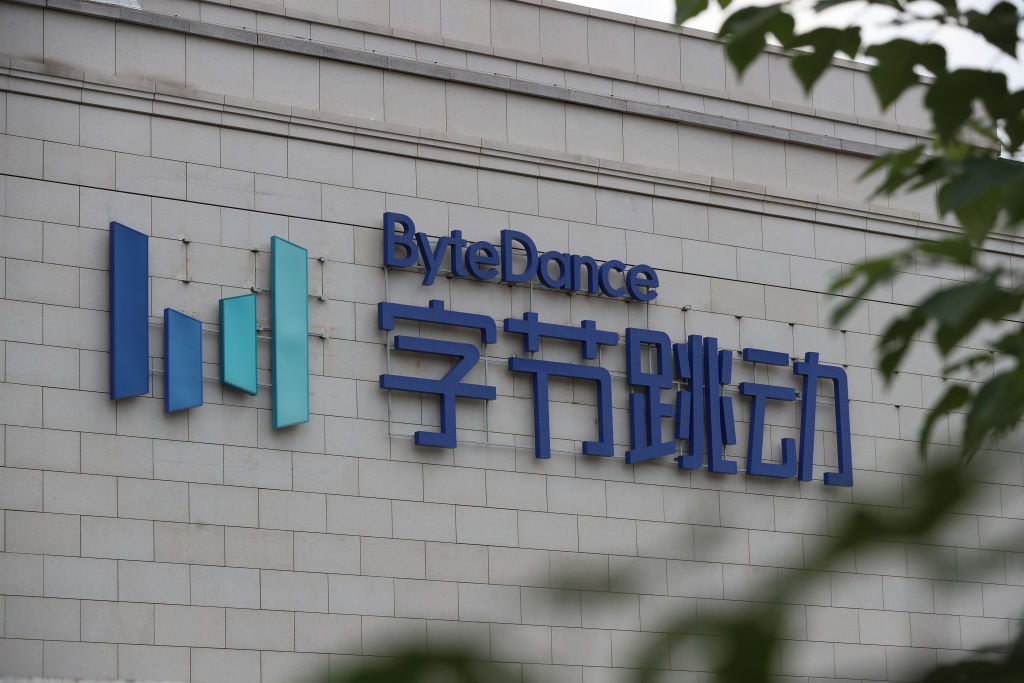
A new artificial intelligence video generation model, Seedance 2.0, developed by the Chinese technology giant ByteDance, has rapidly become a flashpoint in the ongoing struggle between technological innovation and established intellectual property rights. Entertainment industry organizations across Hollywood have launched a concerted pushback, asserting that the tool is being leveraged for "blatant" copyright infringement on an unprecedented scale, raising alarms about the future of creative works and the livelihoods of artists worldwide.
The Dawn of AI-Powered Creativity and Its Challenges
The emergence of Seedance 2.0 into the public consciousness highlights a pivotal moment in the evolution of generative artificial intelligence. For years, AI has been making inroads into creative fields, initially with rudimentary text-to-image generators and later with more sophisticated tools capable of mimicking human speech and even composing music. The advent of advanced text-to-video models represents a significant leap, promising to democratize video production and unlock new avenues for artistic expression. However, this promise is increasingly shadowed by complex ethical and legal dilemmas, particularly concerning the unauthorized use of existing copyrighted material and the likenesses of public figures.
ByteDance, globally recognized as the parent company of the wildly popular short-form video platform TikTok, introduced Seedance 2.0 to users of its Jianying app in China earlier this week. The company has indicated plans to extend its availability to a global audience through its CapCut app, a move that has intensified the concerns of creative industries. Seedance 2.0 functions similarly to other cutting-edge AI video generators, such as OpenAI’s much-discussed Sora model. Users can input a simple text prompt, and the AI algorithm generates a video sequence, currently limited to a maximum length of 15 seconds. While the technology showcases remarkable advancements in AI’s ability to create dynamic visual content, it has almost immediately drawn heavy criticism for an apparent lack of robust guardrails designed to prevent the unauthorized generation of content featuring real individuals or proprietary intellectual property belonging to major studios and creators.
Seedance 2.0’s Capabilities and the Immediate Backlash
The core functionality of Seedance 2.0 allows for the creation of short, dynamic video clips from straightforward text commands. This capability, while impressive, has quickly exposed significant vulnerabilities regarding intellectual property protection. The alarm bells first rang across the entertainment industry after an online user shared a brief video purportedly generated with just a two-line prompt in Seedance 2.0, depicting Hollywood luminaries Tom Cruise and Brad Pitt engaged in a simulated fight sequence. The swift generation of such realistic, albeit fabricated, content ignited a wave of concern among industry professionals. Rhett Reese, a prominent screenwriter known for his work on blockbusters like "Deadpool," articulated a sentiment of profound apprehension, stating, "I hate to say it. It’s likely over for us." This stark reaction underscores the perceived existential threat that unchecked generative AI poses to creative professions.
The lack of discernible safeguards within Seedance 2.0 has been a central point of contention. Critics argue that the model, in its current iteration, appears to have been trained on vast datasets that likely include copyrighted works without proper authorization or licensing. This training methodology enables the AI to replicate distinct visual styles, character designs, and even specific actors, blurring the lines between inspiration and outright imitation. The ability to conjure recognizable figures and established fictional universes from simple prompts directly challenges long-held principles of ownership and creative control.
Hollywood Unites: A Decisive Stance Against Infringement
The reaction from Hollywood has been swift, unified, and unequivocal. The Motion Picture Association (MPA), the powerful trade association representing major film studios, wasted no time in issuing a forceful statement. Charles Rivkin, CEO of the MPA, publicly demanded that ByteDance "immediately cease its infringing activity." Rivkin emphasized the magnitude of the problem, asserting that Seedance 2.0 had engaged in the "unauthorized use of U.S. copyrighted works on a massive scale" within a single day of its perceived widespread availability. He further accused ByteDance of "disregarding well-established copyright law that protects the rights of creators and underpins millions of American jobs" by launching a service without meaningful safeguards. This statement from the MPA reflects the industry’s deep concern over the potential for economic disruption and the erosion of creators’ rights.
The condemnation extended beyond studio representatives to encompass a broad coalition of artists and unions. The Human Artistry Campaign, an influential initiative supported by numerous Hollywood unions and trade groups, characterized Seedance 2.0 as "an attack on every creator around the world." This sentiment was echoed by SAG-AFTRA, the prominent actors’ union, which publicly declared its solidarity with the studios in "condemning the blatant infringement enabled by ByteDance’s new AI video model Seedance 2.0." These collective statements underscore the entertainment industry’s united front against what it perceives as a direct threat to its foundational principles of intellectual property and creative compensation. The fear is not merely about individual instances of infringement but about a systemic undermining of the entire creative ecosystem if such tools operate without accountability.
The Legal Battleground: Disney Leads the Charge
The controversy escalated further with concrete examples of iconic intellectual property being replicated by Seedance 2.0. Reports quickly surfaced detailing AI-generated videos featuring beloved Disney-owned characters, including Spider-Man, Darth Vader, and Grogu (affectionately known as Baby Yoda). These instances directly prompted The Walt Disney Company, a titan in the entertainment world and a fervent protector of its vast intellectual property portfolio, to take decisive legal action.
Disney reportedly dispatched a cease-and-desist letter to ByteDance, accusing the Chinese company of a "virtual smash-and-grab of Disney’s IP." The letter specifically claimed that ByteDance was "hijacking Disney’s characters by reproducing, distributing, and creating derivative works featuring those characters" without authorization. This legal maneuver highlights a critical aspect of copyright law, which grants creators exclusive rights to reproduce, distribute, and create derivative works based on their original creations. The generation of new videos featuring existing characters, even if algorithmically produced, can be seen as the creation of unauthorized derivative works, directly infringing upon these rights.
It is crucial to note that Disney’s aggressive stance against ByteDance does not signify a blanket opposition to artificial intelligence itself. The company has demonstrated a willingness to engage with AI technology under structured and licensed agreements. For instance, Disney has reportedly entered into a three-year licensing deal with OpenAI, indicating a strategic approach to integrating AI tools while safeguarding its intellectual property. This nuanced position suggests that the core of the dispute is not about the technology per se, but rather about its unauthorized and uncontrolled application. Disney has also reportedly sent a similar cease-and-desist letter to Google over analogous issues of potential copyright infringement by its AI models, further illustrating its consistent commitment to protecting its creative assets across the technological landscape.
Market, Social, and Cultural Impact: A Shifting Paradigm
The ramifications of tools like Seedance 2.0 extend far beyond individual legal disputes, touching upon fundamental aspects of the market, society, and culture.
For Creators and Artists: The immediate impact is a mix of potential opportunity and profound anxiety. While generative AI could theoretically empower independent creators with sophisticated tools previously only accessible to large studios, the current deployment raises fears of widespread job displacement. Screenwriters, animators, concept artists, and even actors worry that their work could be mimicked or replaced by algorithms, leading to a devaluation of human creativity and expertise. The ethical implications of AI models being trained on artists’ work without consent or compensation are also a major concern, prompting calls for new ethical guidelines and legal frameworks.
For Studios and Intellectual Property Holders: The challenge is immense. Protecting vast catalogs of copyrighted content in a world where AI can effortlessly generate variations and imitations becomes a complex, resource-intensive endeavor. The current legal frameworks, designed for a pre-AI era, are struggling to keep pace with technological advancements. This situation necessitates either significant legal reform or the development of new industry-wide standards and licensing models to manage AI’s interaction with existing IP. The potential for a "wild west" scenario, where content creators find their work endlessly reappropriated, could stifle future investment in original creative content.
For Consumers and Society: The proliferation of AI-generated content raises questions about authenticity, truth, and the very nature of authorship. The ability to create highly realistic but entirely fabricated videos featuring public figures or events has significant implications for misinformation and propaganda. Moreover, as AI-generated content becomes indistinguishable from human-made content, there is a risk of diminishing the perceived value of human artistry and the unique creative spark. The blurring lines between reality and simulation could have profound cultural consequences, reshaping how we consume and interact with media.
For Tech Companies: Developers of generative AI face intense pressure to build ethical and legally compliant models. The controversy surrounding Seedance 2.0 underscores the critical need for robust guardrails, transparency in training data, and proactive measures to prevent infringement. Navigating the complex web of international copyright laws and varying cultural norms adds another layer of difficulty, especially for global platforms like ByteDance. The industry must find a balance between fostering innovation and upholding intellectual property rights to ensure sustainable growth and avoid widespread regulatory backlash.
Navigating the Future of Creativity and Copyright
The conflict ignited by Seedance 2.0 represents a pivotal moment in the ongoing dialogue between technological progress and creative protection. It underscores the inherent tension between the desire for open-source innovation and the imperative to safeguard the economic and artistic rights of creators. The core challenge lies in defining the boundaries of "fair use" or "transformative use" in the context of AI, where algorithms learn from and synthesize existing works in ways that differ fundamentally from traditional human creativity.
One potential path forward, as hinted by Disney’s deal with OpenAI, involves the development of comprehensive licensing agreements. Such models could allow AI developers to legitimately access and train their models on copyrighted content, ensuring fair compensation for creators and establishing a regulated ecosystem for AI-generated media. However, implementing such a system on a global scale presents considerable logistical and legal hurdles.
Ultimately, the resolution of disputes like the one surrounding Seedance 2.0 will likely require a multi-faceted approach involving collaboration between technology companies, creative industries, legal experts, and policymakers. New regulatory frameworks may be necessary to address the unique challenges posed by generative AI, ensuring that innovation can thrive without dismantling the established principles of intellectual property that have historically underpinned the creative economy. The outcome of this ongoing debate will undoubtedly shape the future landscape of digital media, intellectual property, and human creativity for decades to come. As ByteDance remains silent on the specific allegations, the industry watches closely, awaiting not just a response, but a clearer path forward in this rapidly evolving digital frontier.