Amir Mahmud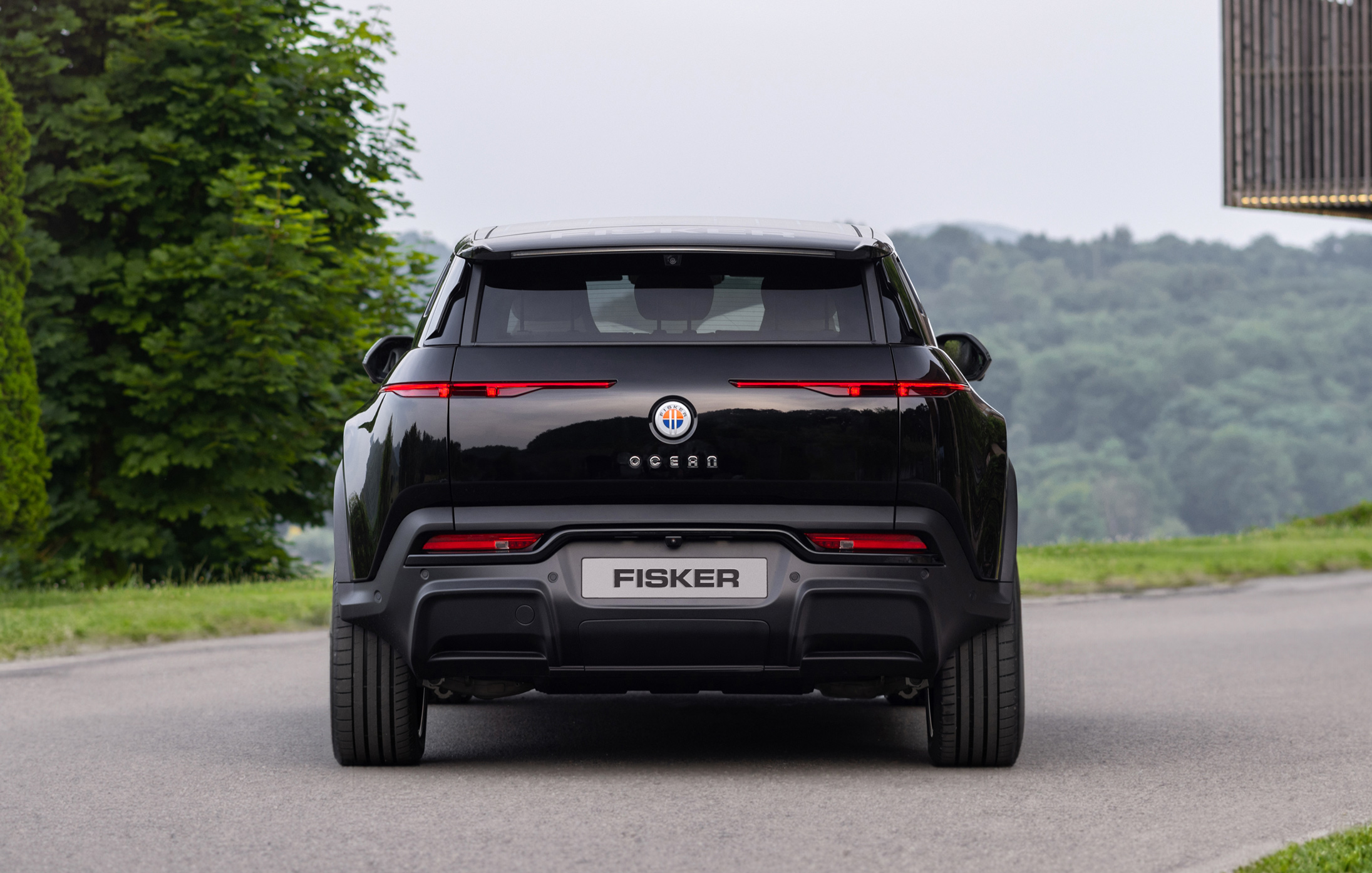
The U.S. Securities and Exchange Commission (SEC) formally concluded its inquiry into the now-bankrupt electric vehicle startup Fisker in September 2025, a year after the federal agency initiated its probe. This development, confirmed through a Freedom of Information Act (FOIA) request filed by TechCrunch in January 2026, marks the end of a period of regulatory uncertainty for a company that once symbolized the ambitious, yet often volatile, aspirations of the burgeoning EV sector. The closure of the investigation without any reported enforcement action arrives as the regulatory landscape for emerging technology companies, particularly in the automotive space, appears to be undergoing a significant recalibration.
Fisker’s Ambitious Journey and Subsequent Collapse
The narrative of Fisker Inc. is deeply intertwined with the vision of its founder, Henrik Fisker, a renowned automotive designer. This was Fisker’s second venture into electric vehicle manufacturing, following the bankruptcy of Fisker Automotive in 2013, which produced the Fisker Karma luxury plug-in hybrid. Undeterred, Henrik Fisker re-launched his namesake company in 2016, aiming to create a more sustainable and accessible line of electric vehicles. The company went public in October 2020 through a special purpose acquisition company (SPAC) merger, a popular route for many EV startups at the time, raising substantial capital and reaching a peak market valuation exceeding $8 billion.
Fisker Inc. adopted an "asset-light" business model, intending to outsource manufacturing to established contract producers like Magna Steyr in Austria. This strategy aimed to minimize capital expenditure and accelerate time to market, a stark contrast to the vertically integrated approach favored by industry giants like Tesla. The company unveiled several promising concept vehicles, including the Ocean SUV, the compact Pear, the Alaska pickup truck, and the high-performance Ronin grand tourer. The Ocean SUV, with its distinctive design and focus on sustainable materials, garnered significant pre-orders and media attention, positioning Fisker as a potential disruptor in the competitive EV market.
However, the path from concept to commercial success proved far more challenging than anticipated. The company struggled with production ramp-up, supply chain disruptions, and, critically, significant software and quality control issues upon the delivery of its flagship Ocean SUV. Customers reported numerous glitches, ranging from infotainment system malfunctions to power delivery problems, which severely impacted the vehicle’s reputation and consumer confidence. Financial difficulties mounted rapidly, exacerbated by high operating costs and slower-than-expected revenue generation. By late 2023 and early 2024, Fisker was facing a severe liquidity crisis, unable to secure critical investments or partnerships, including a highly anticipated deal with a major automaker reportedly Nissan, which ultimately collapsed. This cascade of operational and financial setbacks culminated in Fisker filing for Chapter 11 bankruptcy protection in June 2024, effectively ending its pursuit of mass-market EV production.
The SEC’s Investigation and Its Conclusion
The Securities and Exchange Commission’s investigation into Fisker was initiated around September 2024, approximately a year before its eventual closure. While the exact scope and nature of the probe were not publicly detailed by the SEC, such inquiries often stem from concerns regarding financial disclosures, investor communications, or operational transparency, especially for companies that have recently gone public via SPACs and are experiencing significant financial distress or operational challenges. For Fisker, the investigation likely touched upon its financial reporting practices, projections, and statements made to investors leading up to and during its rapid decline.
The existence of the probe was first formally disclosed by the SEC itself in an October 2024 filing within Fisker’s bankruptcy proceedings. At that time, the agency indicated it had already issued subpoenas to the company and reserved the right to "request or subpoena additional documents in the future relating to its ongoing investigation." The subsequent FOIA response revealing the closure of the investigation noted that the agency had identified "approximately 21.7 gigabytes of electronically maintained records" related to the probe. The SEC’s policy typically involves withholding records if an investigation remains active, making the release of such information a strong indicator of its conclusion. The fact that the investigation concluded without any public announcement of charges or settlements suggests that the SEC either found no actionable misconduct or determined that the existing circumstances, particularly Fisker’s bankruptcy, rendered further enforcement action moot or impractical. Neither an SEC spokesperson nor former CEO Henrik Fisker provided comments regarding the closure of the investigation.
A Shifting Regulatory Landscape for Emerging Companies
The closure of the Fisker investigation also comes amidst a notable shift in the broader enforcement posture of the SEC. Data compiled by law firm Paul, Weiss indicates a significant decline in SEC enforcement actions and monetary settlements during 2025, which corresponds to the second term of President Trump’s administration. In 2025, the SEC initiated 313 enforcement actions, marking the lowest figure in a decade and representing a 27% decrease from the final year of President Biden’s term. Furthermore, only four of these actions were directed at public companies, and total monetary settlements plummeted by 45% compared to 2024.
This trend suggests a potential recalibration of regulatory priorities or a more measured approach to enforcement under the current administration. While the reasons for such shifts can be multifaceted—ranging from changes in leadership and policy directives to a focus on different types of violations or industries—the overall effect is a less aggressive enforcement environment compared to previous years. For companies operating in high-growth, speculative sectors like electric vehicles, this could imply a reduced likelihood of facing extensive regulatory scrutiny, though it does not absolve them of their obligations under securities law. Analysts suggest that such downturns in enforcement could reflect a desire to reduce perceived burdens on businesses or a strategic pivot towards different areas of market oversight, such as cybersecurity or emerging digital assets.
The Broader Context of EV Startup Scrutiny
Fisker was one of several electric vehicle startups that attracted the attention of the SEC in recent years, a period characterized by a boom in speculative investment, particularly through SPAC mergers. The promise of disruptive technology and rapid market growth often led to inflated valuations and, in some cases, allegations of misleading investors or outright fraud.
Other notable EV companies that faced SEC scrutiny include:
- Nikola: The electric truck maker agreed to an $83 million settlement with the SEC in 2021 over charges of defrauding investors by misleading them about its products, technology, and business prospects.
- Lordstown Motors: The company settled charges with the SEC in 2022 for misleading investors about pre-orders for its Endurance pickup truck.
- Canoo: The lifestyle EV company reached a $1.5 million settlement with the SEC in 2023 regarding issues related to its revenue projections and business model changes.
- Hyzon Motors: The hydrogen fuel cell truck maker settled fraud charges with the SEC in 2023 for allegedly misleading investors about its customer orders and revenue figures.
In contrast to these cases, the SEC closed an investigation into Lucid Motors in 2023 without filing a lawsuit, indicating that not all inquiries result in enforcement actions. Currently, the only known active investigation involving an electric vehicle startup is that of Faraday Future, which has been ongoing for nearly four years. In July 2025, the SEC issued "Wells notices" to Faraday Future and several of its executives, signaling the agency’s recommendation for enforcement action. However, no further action has been reported since, and Faraday Future’s own regulatory filings indicate that responses to these notices are still pending.
Market, Social, and Cultural Impact
The saga of Fisker, culminating in bankruptcy and a closed SEC probe, offers crucial lessons for the electric vehicle industry, investors, and consumers alike. From a market perspective, Fisker’s downfall, alongside similar struggles faced by other EV startups, has contributed to a cooling of investor enthusiasm for highly speculative ventures in the sector. The initial SPAC boom that fueled many of these companies has largely subsided, replaced by a more cautious approach from capital markets. This reflects a growing understanding that building and scaling automotive manufacturing, particularly with new technologies, is an incredibly capital-intensive and complex endeavor, fraught with execution risks.
Socially and culturally, Fisker’s journey highlighted the immense public interest in sustainable transportation and innovative design. Consumers were eager for new, environmentally friendly alternatives to traditional gasoline vehicles, and Fisker tapped into this aspiration. However, the company’s ultimate failure also serves as a cautionary tale, underscoring the importance of delivering on promises, ensuring product quality, and building robust operational foundations. It reinforces the idea that while groundbreaking ideas are essential, flawless execution and sound financial management are paramount for long-term success in the automotive industry. The unfulfilled promise of the Ocean SUV, with its sustainability focus and stylish design, leaves a void for early adopters and enthusiasts who believed in Fisker’s vision.
The closure of the SEC’s investigation into Fisker, while bringing a quiet end to a chapter of regulatory uncertainty for the defunct company, simultaneously reflects a broader moment of transition. It speaks to the rigorous challenges faced by startups attempting to disrupt established industries and highlights the evolving role of regulatory bodies in overseeing a dynamic and rapidly changing economic landscape. As the EV market matures, the stories of companies like Fisker will serve as enduring reminders of the high stakes involved in the race towards an electrified future.