Amir Mahmud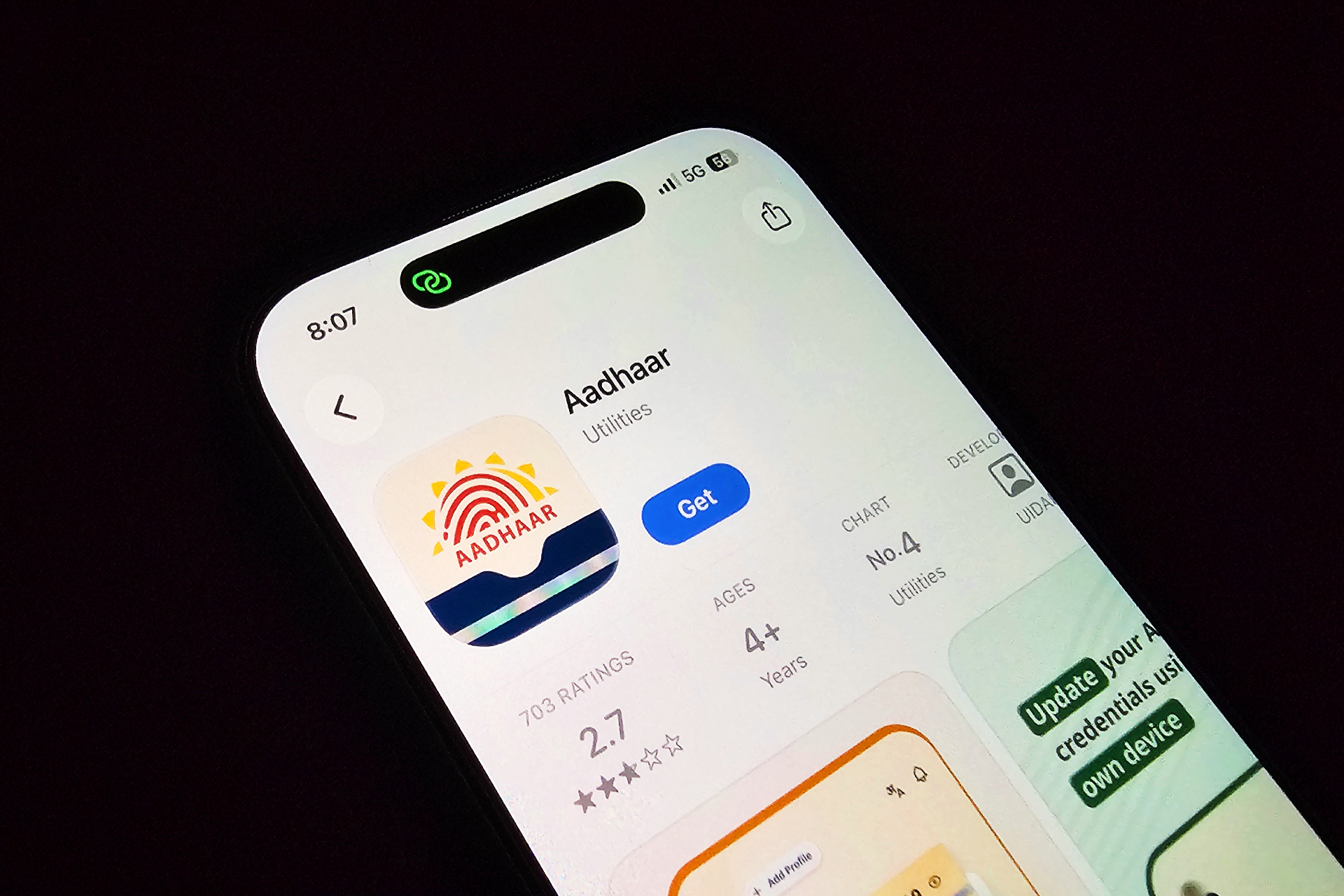
India, home to the world’s most extensive digital identification program, Aadhaar, is actively propelling this system further into the fabric of everyday private interactions through a suite of new digital tools and expanded verification capabilities. This strategic move, spearheaded by the government-backed Unique Identification Authority of India (UIDAI), introduces a novel application and an offline verification framework, simultaneously enhancing user convenience and reigniting vigorous debates surrounding data security, individual consent, and the broader implications of leveraging such an immense biometric and demographic database.
The Evolution of Aadhaar: A Historical Perspective
The journey of Aadhaar commenced in 2009 with the establishment of the UIDAI under the then-ruling United Progressive Alliance (UPA) government. Conceived as a foundational identity platform, its primary objective was to assign a unique 12-digit identification number to every resident of India, verified through biometric data including fingerprints and iris scans, alongside demographic information. The initial vision was ambitious: to streamline the delivery of welfare services, combat corruption, and foster financial inclusion for millions of unbanked citizens. Prior to Aadhaar, identity verification in India was often fragmented, relying on a patchwork of documents that were susceptible to duplication and fraud, creating significant hurdles for the poor and marginalized to access state benefits.
Over the years, Aadhaar transitioned from a voluntary identifier to an increasingly pervasive requirement. By the mid-2010s, it became mandatory for a wide array of public services, including linking to bank accounts, mobile phone connections, and the Permanent Account Number (PAN) for tax purposes. This rapid expansion, while lauded for its efficiency gains in service delivery, concurrently sparked widespread concern among civil liberties advocates and privacy experts. They questioned the system’s potential for surveillance, the security of its centralized database, and the fundamental right to privacy in an increasingly digital society.
These concerns culminated in a landmark Supreme Court judgment in 2018. The court largely upheld the constitutional validity of Aadhaar but significantly curtailed its application, striking down provisions that allowed private entities to mandate Aadhaar for their services. This ruling was seen as a crucial victory for privacy advocates, aiming to limit "Aadhaar creep" – the gradual expansion of the system into areas beyond its initial public welfare mandate. However, subsequent legislative amendments, particularly the Aadhaar and Other Laws (Amendment) Act, 2019, reintroduced provisions for voluntary use of Aadhaar by private entities for identity verification, effectively navigating around some of the Supreme Court’s restrictions and setting the stage for the current phase of expansion.
A New Chapter: Deepening Integration into Daily Life
The latest advancements, officially announced by the UIDAI in late January, signal a profound shift in Aadhaar’s operational paradigm. At the forefront of this initiative is a new, dedicated Aadhaar application designed to offer users enhanced control over their personal data. Unlike previous iterations that often required sharing full details, this new app facilitates selective data disclosure. For instance, a user can confirm they are above a specific age without divulging their exact date of birth, providing a layer of privacy previously unavailable. This selective sharing capability is envisioned for a broad spectrum of services, ranging from hotel check-ins and housing society registrations to workplace verification, digital platforms, and payment terminals. The existing mAadhaar app, which serves as a digital replica of the Aadhaar card, will continue to function in parallel, at least for the foreseeable future.
Complementing the new app is an innovative offline verification framework. This mechanism allows individuals to authenticate their identity without necessitating a real-time query to the central Aadhaar database. Instead, verification can occur locally, leveraging digitally signed QR codes or other encrypted credentials generated by the user’s app. This approach aims to address two critical issues: reducing the burden on the central database and enhancing security by minimizing direct exposure of sensitive information during routine checks. UIDAI officials have emphasized that this offline verification is intended to replace antiquated and insecure practices, such as submitting photocopies of identity documents or sharing screenshots of Aadhaar details, which are prone to misuse and lack robust audit trails.
Beyond individual applications, the UIDAI is strategically integrating Aadhaar into the pervasive mobile wallet ecosystem. Following its existing support on Samsung Wallet, the system is now slated for upcoming integration with Google Wallet, with active discussions underway to enable similar functionality within Apple Wallet. This move positions Aadhaar not merely as a backend authentication service but as an active, front-facing component of daily digital transactions. From a market perspective, this integration holds immense potential for streamlining digital payments and e-commerce, offering a standardized and supposedly secure method for identity verification across diverse platforms. Culturally, it signifies Aadhaar’s deepening embeddedness in the digital lives of Indian citizens, making it an almost inescapable tool for participation in the modern economy.
The expansion also extends to critical public safety and hospitality sectors. The Ahmedabad City Crime Branch, for example, has become the first police unit in India to incorporate Aadhaar-based offline verification into its PATHIK platform. This guest-monitoring system, utilized by hotels and guest accommodations, is designed to efficiently record visitor information, ostensibly enhancing security and oversight. Furthermore, the UIDAI is promoting the new Aadhaar app as a "digital visiting card" for professional networking and meetings, enabling users to share pre-selected personal details via a QR code, thus digitizing and simplifying traditional information exchange. While presented as convenience features, these integrations in law enforcement and public spaces raise questions about potential for expanded surveillance and data aggregation beyond the explicit consent of individuals.
Rapid Adoption and Monumental Scale
The early indicators suggest a swift embrace of the new Aadhaar app. Though officially launched recently, the app had been undergoing testing since early 2025. Data from analytics firms like Appfigures reveals a rapid ascent in popularity, with the new app quickly surpassing the older mAadhaar app in monthly downloads since its appearance in app stores towards the end of 2025. Combined monthly installations of Aadhaar-related applications witnessed a dramatic surge, escalating from approximately 2 million in October to nearly 9 million by December, underscoring the immediate public uptake and the system’s growing digital footprint.
This expansion is layered upon an identity system that already operates at an unprecedented scale, reflecting India’s vast population. According to figures published on UIDAI’s public dashboard, over 1.4 billion Aadhaar identity numbers have been issued, effectively covering nearly the entire adult population of the country. The system handles an astounding volume of transactions, processing roughly 2.5 billion authentication requests each month and facilitating tens of billions of electronic "know your customer" (eKYC) checks since its inception. The shift towards offline verification does not diminish this existing infrastructure but rather augments it, transforming Aadhaar from a largely backend authentication utility into a more visible, interactive, and omnipresent interface for daily interactions.
UIDAI officials have consistently articulated that this move towards offline verification is a strategic response to long-standing security vulnerabilities associated with physical photocopies and digital screenshots of Aadhaar documents. These traditional methods often led to information being collected, stored, and circulated without adequate oversight, making individuals susceptible to fraud and identity theft. The new system aims to provide a more secure, consent-based, and auditable alternative. This technological evolution aligns with recent regulatory adjustments that have eased restrictions and introduced a new framework, permitting certain public and private organizations to verify Aadhaar credentials without direct, real-time queries to the central database, ostensibly decentralizing some verification processes.
The Unresolved Concerns: Privacy, Security, and Governance
Despite the UIDAI’s assurances of enhanced user control and security, civil liberties and digital rights organizations remain deeply apprehensive about Aadhaar’s expanding reach. They argue that these legal and technological modifications do not fundamentally address the deeper, structural risks inherent in a system of this magnitude.
Raman Jit Singh Chima, Senior International Counsel and Asia Pacific Policy Director at Access Now, has voiced strong reservations regarding the timing of this expansion. He contends that extending Aadhaar’s functionality into offline and private-sector domains introduces novel threats, especially given that India’s comprehensive data protection framework is still in its nascent stages of implementation. Chima has suggested that the federal government ought to have prioritized the establishment of India’s Data Protection Board, allowing for independent review and broader public consultation with affected communities, before embarking on such a significant rollout. He posits that proceeding with the expansion at this juncture indicates a preference for accelerating Aadhaar’s proliferation, even if the resultant risks to the system and the data of Indian citizens remain inadequately understood or mitigated.
Indian legal advocacy groups also highlight persistent implementation failures that continue to plague the Aadhaar ecosystem. Prasanth Sugathan, Legal Director at the New Delhi-based digital rights organization SFLC.in, acknowledges the UIDAI’s framing of the new app as an empowerment tool. However, he argues that it does little to alleviate entrenched problems such as inaccuracies within the Aadhaar database, recurring security lapses, and inefficient mechanisms for redress. These issues, he notes, disproportionately affect vulnerable populations, often leading to their disenfranchisement from essential services meant to benefit them. Sugathan further references a 2022 report by India’s Comptroller and Auditor General (CAG), which documented UIDAI’s failure to meet specific compliance standards, underscoring the systemic challenges. He emphasizes that it remains ambiguous how data shared via the new app will effectively prevent breaches or leaks in the long term.
Campaigners associated with Rethink Aadhaar, a prominent civil society initiative focused on Aadhaar-related rights and accountability, articulate concerns about "Aadhaar creep." Shruti Narayan and John Simte from the group argue that the offline verification system risks reintroducing private-sector reliance on Aadhaar in ways that the Supreme Court explicitly sought to restrict in its 2018 judgment. They contend that enabling private entities to routinely demand Aadhaar for verification normalizes its use across vast swathes of social and economic life, potentially eroding the spirit of the court’s decision. They warn that consent in such contexts is often illusory, particularly in power-imbalanced situations involving service providers like hotels, housing societies, or delivery platforms, where individuals may feel compelled to share data to access services. This is compounded by the fact that India’s nascent data protection law remains largely untested, offering limited clarity on redressal mechanisms for potential misuse.
As India continues its aggressive push to integrate Aadhaar into virtually every facet of life, the implications extend far beyond its borders. Governments and technology companies globally are observing this massive experiment closely, drawn by the allure of population-scale identity verification and the potential for unparalleled efficiency in service delivery. However, the ongoing tension between technological advancement and fundamental rights, between convenience and privacy, remains a critical unresolved challenge. The unanswered requests for comment from the Indian IT ministry and the UIDAI CEO underscore the complexity and sensitivity of these debates as India charts its course in the digital age.