Amir Mahmud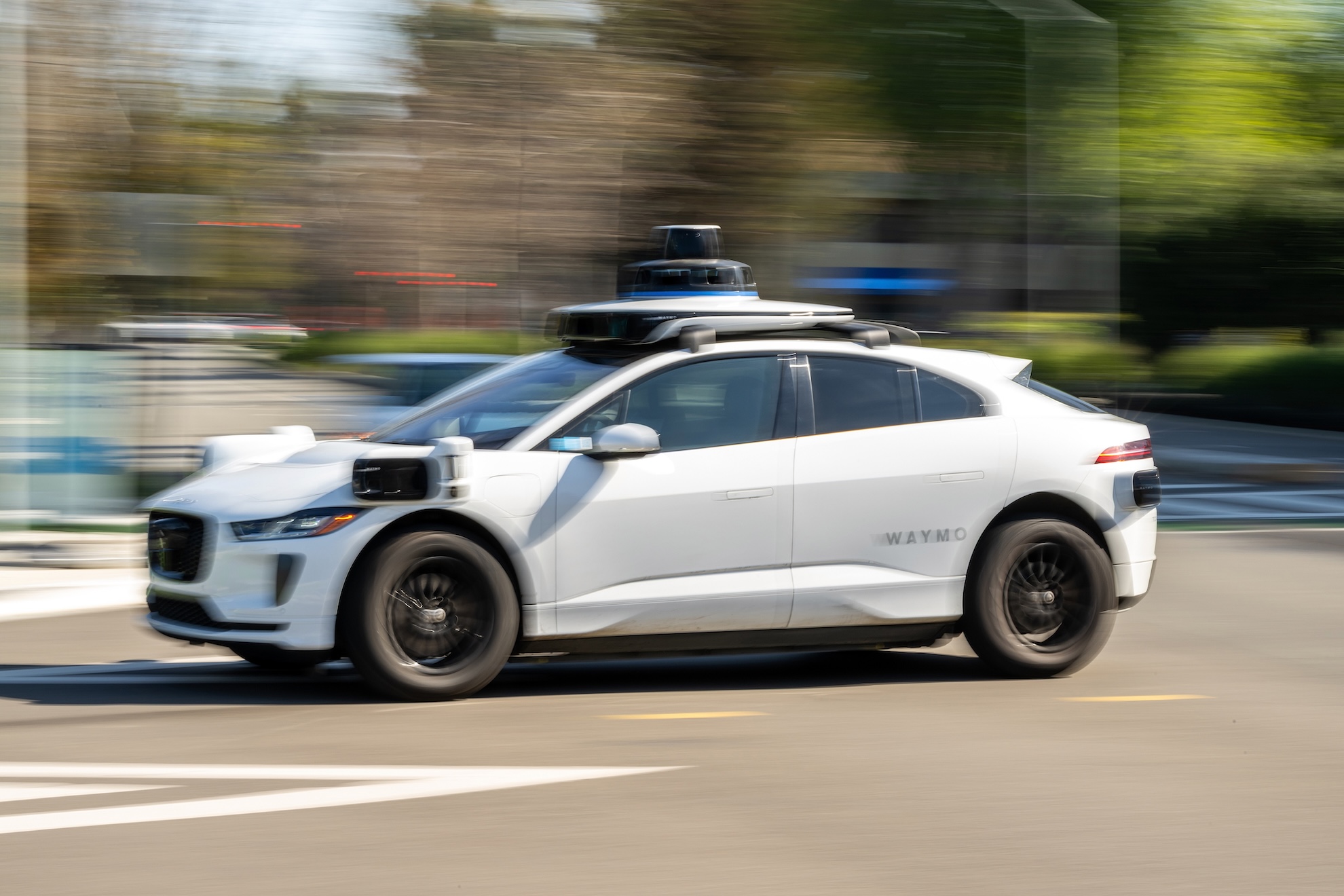
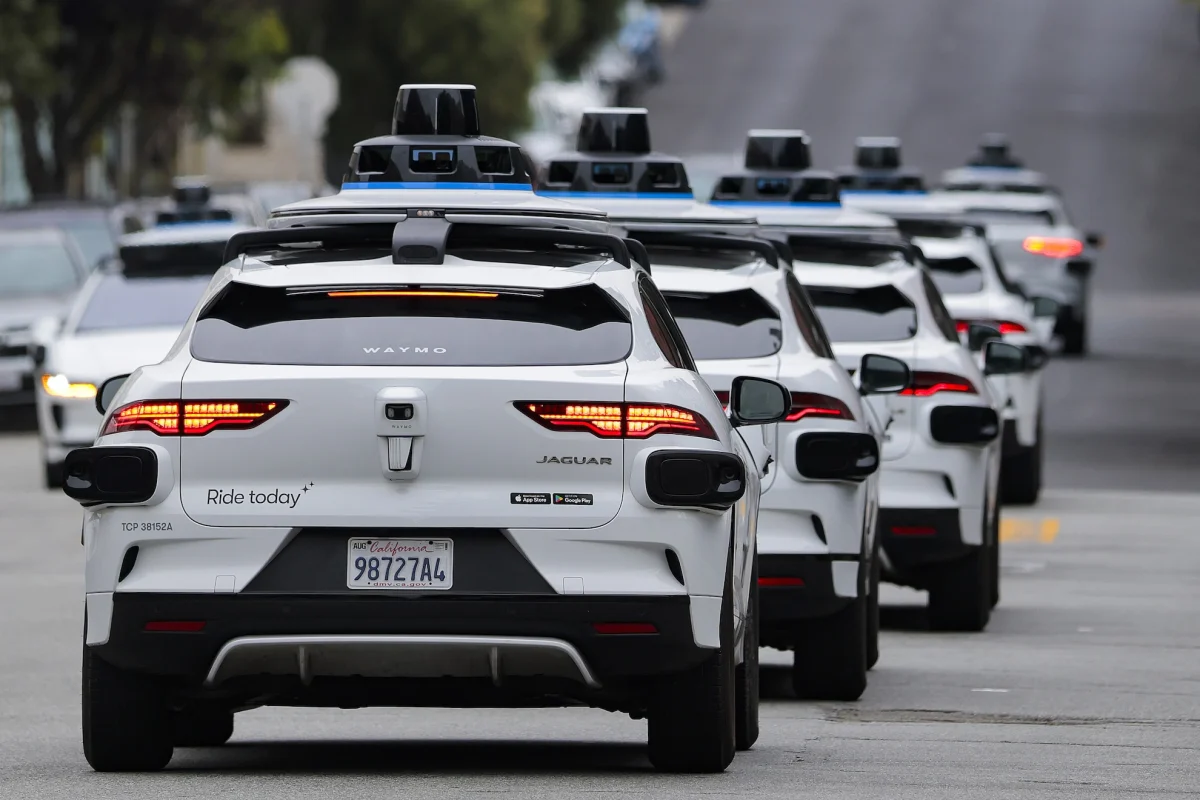
Alphabet-owned Waymo, a pioneer in self-driving technology, has recently secured a substantial $16 billion in funding, primarily from its parent company, to fuel an ambitious global expansion of its commercial robotaxi services. This significant capital injection underscores a pivotal moment for the autonomous vehicle (AV) industry, as companies race to scale operations and demonstrate the viability of driverless transportation. In the past 18 months, Waymo has dramatically accelerated its footprint, now providing commercial robotaxi services across six major U.S. metropolitan areas, including the expansive San Francisco Bay Area, Phoenix, Los Angeles, Austin, Atlanta, and Miami. The company has also outlined plans to extend its reach internationally, targeting over a dozen new cities this year, with London and Tokyo high on its list.
The Autonomous Ascent of Waymo
Waymo’s journey began over a decade ago as the Google Self-Driving Car Project, a testament to its long-standing commitment to autonomous technology. From its inception, the project aimed to develop truly driverless vehicles, focusing on Level 4 and Level 5 autonomy, where the vehicle handles all aspects of driving under specific conditions or all conditions, respectively. Early prototypes, famously depicted as small, pod-like vehicles, traversed public roads, meticulously mapping environments and refining their perception and decision-making systems. The company transitioned into Waymo in 2016, signaling a more focused commercialization effort.
The development of autonomous vehicles has been a monumental undertaking, requiring breakthroughs in artificial intelligence, sensor technology, high-definition mapping, and intricate software algorithms. Waymo, with its deep roots in Google’s technological ecosystem, has leveraged vast resources in AI research and data processing. Its strategy has centered on a gradual, safety-first approach, accumulating millions of real-world and simulated driving miles to validate its system’s robustness. This methodical expansion has seen its vehicles operate in increasingly complex urban environments, handling diverse traffic conditions, pedestrians, and challenging weather scenarios. The company reports a staggering increase in its operational metrics, delivering approximately 400,000 rides weekly across its U.S. markets, and tripling its annual volume to 15 million rides in 2025 alone. This exponential growth in ridership and autonomous miles driven positions Waymo as a frontrunner in the nascent robotaxi sector.
Navigating the Path to Profitability
The $16 billion funding round, while substantial, immediately raises a critical question among industry analysts: is this capital sufficient to steer Waymo toward sustained profitability? Experts offer a nuanced perspective, often landing in the "sort of" or "it depends" territory.
One of Waymo’s most significant advantages is the unwavering financial backing of Alphabet. Unlike many autonomous vehicle startups that have faced abrupt funding cuts or strategic pivots from skittish investors, often traditional automakers, Waymo enjoys a stable and committed parent company. This robust financial foundation provides Waymo with a distinct competitive edge, allowing it to absorb the immense capital expenditures inherent in developing and deploying a sophisticated autonomous fleet without the immediate pressures of external investor cycles. Alphabet’s long-term vision and its willingness to invest heavily in what it views as a transformative technology are crucial for Waymo’s resilience in a sector known for its protracted development timelines and high costs.
However, the road to profitability for robotaxi businesses remains fraught with challenges. The sheer expense of scaling a driverless fleet is staggering. Each autonomous vehicle requires a sophisticated array of sensors, high-performance computing, and redundant safety systems, significantly increasing its upfront cost compared to a conventional car. Beyond hardware, there are continuous investments in mapping, software updates, maintenance, charging infrastructure, and a dedicated team of remote operators and support staff. The operational logistics of managing a large, distributed fleet across multiple cities are complex and costly. While Waymo’s ridership numbers are impressive, achieving a positive return on investment requires not just high utilization rates but also a cost structure that can compete with, and eventually surpass, traditional human-driven ride-hailing services.
Another point of contention among industry observers is Waymo’s current operational model. The company primarily acts as both the developer of the AV technology and the operator of the robotaxi service. Some argue that this dual role, while offering complete control over the user experience and safety protocols, might hinder its ability to achieve economies of scale rapidly. The alternative, becoming solely a licensor of its AV technology to other fleet operators or automakers, could potentially accelerate adoption and revenue generation without the heavy operational burden. However, moving away from direct operation means relinquishing a degree of control over a technology that is still under intense scrutiny. In an evolving regulatory landscape and with public trust still being built, maintaining direct oversight over every aspect of deployment is a significant advantage for Waymo, even if it adds to operational complexity.
The absence of in-house manufacturing, a capability championed by companies like Tesla, also draws analytical commentary. While Waymo collaborates with automotive partners like Stellantis and Jaguar Land Rover to integrate its self-driving system into their vehicles, it does not possess the vertical integration that Tesla leverages to potentially drive down production costs and accelerate vehicle iteration. Tesla’s approach allows it to design vehicles from the ground up with autonomy in mind, potentially optimizing hardware and software integration for cost efficiency and performance. Waymo’s partnership model, conversely, relies on adapting its technology to existing vehicle platforms, which can present its own set of engineering and logistical challenges. Both strategies have their merits and drawbacks, but the cost implications of each remain a key factor in the long-term profitability equation.
Regulatory Roadblocks and Public Perception
Beyond financial considerations, regulatory oversight and public perception represent ongoing hurdles for the autonomous vehicle industry. Waymo’s chief safety officer recently testified in a Senate Commerce hearing, highlighting the increasing attention from lawmakers and regulatory bodies. The testimony likely addressed critical concerns surrounding safety protocols, liability frameworks in the event of accidents, data privacy, and the ethical implications of autonomous decision-making.
The public’s trust in driverless technology is paramount for widespread adoption. Incidents involving autonomous vehicles, even minor ones, often receive heightened media attention, potentially eroding confidence. Regulators, therefore, are tasked with striking a delicate balance: fostering innovation while ensuring public safety. This often leads to varied and sometimes inconsistent regulations across different jurisdictions, creating a complex patchwork of rules that AV companies must navigate. For instance, some cities might allow limited testing, while others might permit full commercial deployment under specific conditions. As Waymo plans international expansion, it will encounter an even broader array of national and local regulatory frameworks, each with its own set of challenges and requirements. The social impact of autonomous vehicles, particularly concerning potential job displacement for professional drivers, also remains a subject of ongoing debate, adding another layer of complexity to the regulatory environment.
Diversifying Autonomous Vehicle Investments
While robotaxis garner significant attention, the broader autonomous vehicle technology landscape extends far beyond passenger transport. Investors, recognizing the immense capital requirements and extended timelines associated with achieving widespread robotaxi profitability, are increasingly diversifying their portfolios into other applications of AV systems. These "physical AI" startups are applying sophisticated self-driving capabilities to niche, yet highly valuable, use cases such as off-road defense, long-haul trucking, industrial forklifts, mining operations, and heavy construction equipment. The value proposition in these sectors often revolves around enhancing safety in hazardous environments, improving operational efficiency, and addressing labor shortages, offering a potentially clearer and faster path to return on investment.
Bedrock Robotics exemplifies this trend. Founded by veterans from Waymo and Segment, the Silicon Valley startup specializes in developing self-driving systems that can be retrofitted onto existing construction equipment. The company recently secured a substantial $270 million in Series B funding, co-led by CapitalG and the Valor Atreides AI Fund, bringing its total raised to over $350 million since its formation in 2024. This significant investment highlights growing investor confidence in practical, industrial applications of autonomous technology. Bedrock’s success in attracting top talent, including Vincent Gonguet, former head of AI safety and alignment at Meta for Llama models, and John Chu from Waymo, further underscores the industry’s shift towards these specialized domains. The ability to attract experienced professionals signals not only strong financial backing but also the perceived viability and innovative potential of these targeted applications.
Beyond Bedrock Robotics, several other mobility startups have secured notable funding rounds, illustrating the diverse investment landscape:
- German electric motor manufacturer Additive Drives raised €25 million ($29.5 million) from Nordic Alpha Partners, focusing on advanced propulsion systems.
- Autonomous underwater vehicles startup Apeiron Labs closed a $9.5 million Series A round, led by Dyne Ventures, for exploring and monitoring aquatic environments.
- African mobility fintech startup GoCab secured a $45 million financing round ($15 million equity, $30 million debt) to scale electric mobility and financial inclusion across the continent.
- Los Angeles-based commercial EV fleet company Mitra EV raised $27 million to accelerate capital-efficient fleet electrification.
- Overland AI, a Seattle-based developer of self-driving systems for military operations, secured $100 million in a round led by 8VC, emphasizing autonomous defense capabilities.
- Used EV marketplace Plug raised $20 million in a Series A led by Lightspeed, addressing the growing demand for pre-owned electric vehicles.
- European startup R3 Robotics raised €20 million ($23.6 million) in grants and venture funding to automate the disassembly of EV systems at scale, a crucial step for circular economy initiatives.
- El Segundo, California-based aviation automation startup Skyryse landed over $300 million in a Series C investment, pushing its valuation to $1.15 billion, with the goal of simplifying and enhancing the safety of flying, even for complex aircraft like helicopters.
These investments collectively demonstrate a robust and evolving ecosystem where autonomous technology and electric mobility are finding diverse, high-value applications beyond the consumer-facing robotaxi market.
Strategic Shifts in the Mobility Sector
The broader mobility landscape continues to evolve with significant regulatory and corporate developments. In a notable move impacting vehicle design, China’s Ministry of Industry and Information Technology has banned concealed, electronically actuated car door handles, commonly popularized by Tesla, for all new cars sold in the country starting January 1, 2027. This ruling, driven by safety concerns regarding emergency access, has sparked discussions about potential similar regulations in Europe, highlighting a global trend towards prioritizing practical safety over aesthetic design in automotive engineering.
Meanwhile, Uber is strategically positioning itself within the autonomous vehicle sector, moving away from its own direct AV development and towards a partnership-centric model. The promotion of Balaji Krishnamurthy, its VP of strategic finance and investor relations, to CFO is indicative of this shift. Krishnamurthy, known for actively promoting Uber’s autonomous ride-hailing partnerships and holding a board seat at AV company Waabi, articulated the company’s commitment to investing capital in AV software partners, collaborating with AV makers through equity investments or "offtake agreements" (commitments to purchase a certain volume of future services), and supporting AV infrastructure partners. This approach allows Uber to integrate AV technology into its platform without bearing the full financial and developmental burden, potentially accelerating its path to a fully autonomous ride-hailing network.
However, the ride-hailing industry continues to grapple with fundamental safety issues, as evidenced by a recent high-profile lawsuit against Uber. A jury awarded $8.5 million to a plaintiff who alleged she was raped by her Uber driver in November 2023, finding Uber liable as an "apparent agent" of the driver. While the jury rejected claims of negligence or design defects and declined to award punitive damages, the verdict underscores the persistent challenges ride-hailing companies face in ensuring rider safety and managing liability, regardless of whether the driver is human or autonomous. Uber has stated its intent to appeal the decision, reaffirming its commitment to rider safety.
Safety, Trust, and the Future of Transportation
The ongoing developments across the autonomous vehicle landscape, from Waymo’s massive funding and global expansion plans to diversified investments in niche AV applications and Uber’s strategic recalibration, all point to a complex, capital-intensive, yet ultimately transformative future for transportation. The journey toward fully autonomous, safe, and profitable mobility solutions is not linear; it involves continuous technological innovation, navigation of intricate regulatory frameworks, and the arduous task of building and maintaining public trust. The financial commitments, the strategic shifts, and the persistent focus on safety reflect an industry poised for profound change, yet one still very much in its formative stages.