Amir Mahmud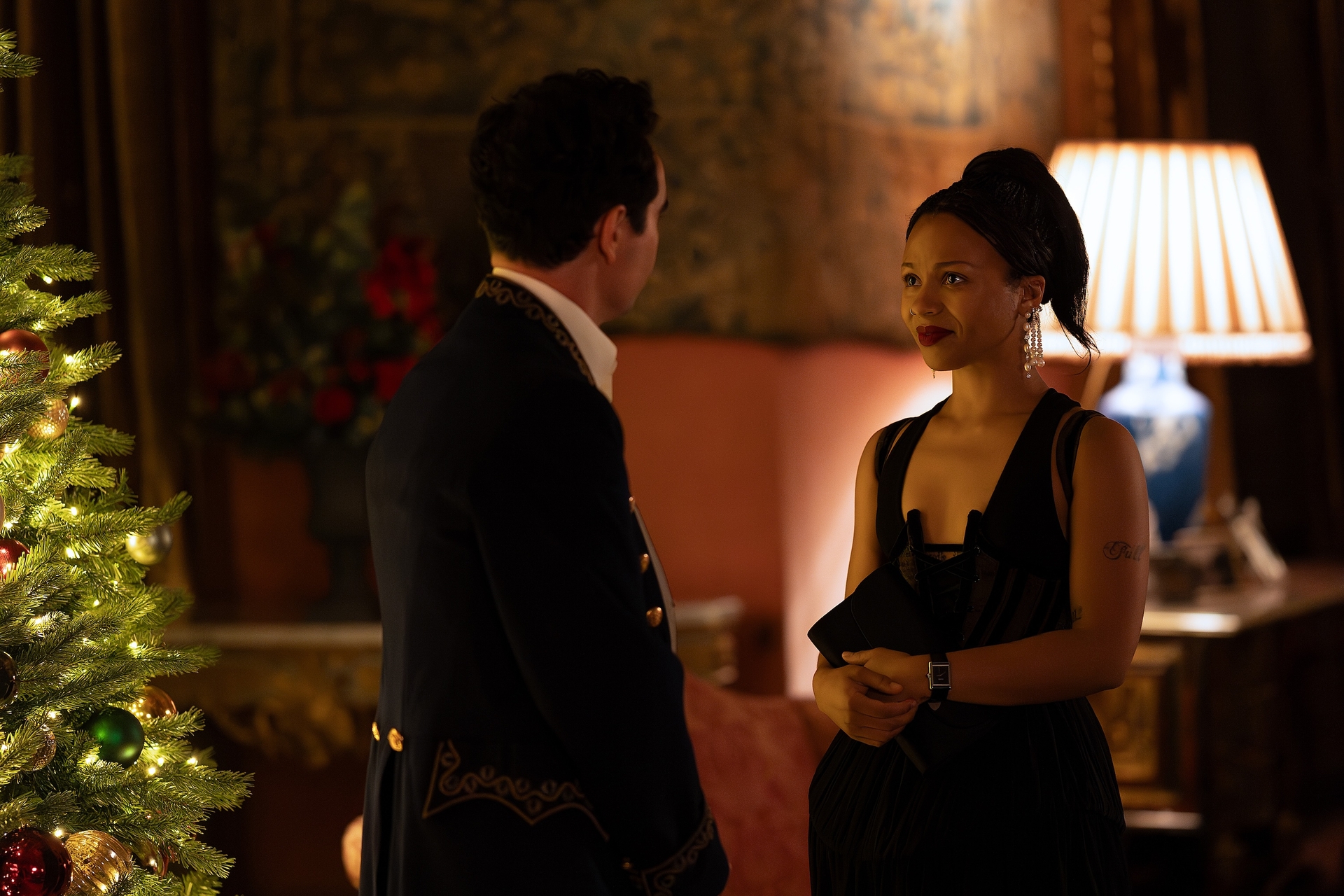
The latest season of HBO’s acclaimed financial thriller, "Industry," plunges viewers into a compelling narrative that meticulously dissects the mechanisms of modern technological fraud, centering its dramatic tension around the hunt to expose a deceitful fintech enterprise named Tender. The series, renowned for its unflinching portrayal of London’s cutthroat investment banking world, continues to resonate deeply with contemporary anxieties surrounding unchecked ambition and the pervasive allure of illicit wealth in the digital age. This season’s storyline, in particular, offers a stark mirror to real-world scandals, demonstrating how easily the lines between innovation and deception can blur within the fast-paced financial technology sector.
The Hunt for a "Dead Man Walking"
At the heart of this season’s investigative plot is Harper Stern, a formidable and intensely driven investment professional. Having recently launched her own boutique firm, Harper is on the prowl for a company ripe for short-selling – a high-stakes strategy where investors bet on a stock’s decline. Her aggressive pursuit is fueled by a desire to prove herself in an industry that has, at times, sought to marginalize her, including a prior experience of being dismissed as a "DEI plant." The search leads her to Tender, a seemingly burgeoning fintech company whose public image appears too good to be true.
An anonymous tip from a journalist ignites Harper’s suspicion, prompting her to dispatch two of her most capable associates, Sweetpea and Kwabena, on an investigative mission to Ghana, where Tender purports to have significant operations. What they uncover is damning and illustrative of many modern-day financial mirages. As Sweetpea succinctly relays to Harper, the company’s entire edifice is built on fabricated metrics: "Fake users drive fake revenue drives fake cash." The stark reality is that Tender, despite its polished facade and ambitious projections, is fundamentally "nothing" – a phantom enterprise sustained by an intricate web of digital deceit.
Tender’s Shifting Sands: Regulation and Reinvention
The backstory of Tender itself provides crucial context, reflecting current regulatory pressures faced by various online industries. Originally established as a payment processing platform primarily serving adult content, Tender found itself at a critical juncture due to the introduction of the UK’s Online Safety Bill. This real-world legislative initiative, which has sparked considerable debate, imposes stringent age verification requirements and other enhanced regulations for accessing adult material online. For companies like Tender operating in this niche, such regulatory shifts demand an immediate and drastic pivot for survival.
Tender’s response to this existential threat is spearheaded by its ambitious CFO-turned-leader, Whitney. Whitney embodies the quintessential tech baron archetype, driven by the Silicon Valley mantra to "move fast, break things," and win at any cost. His vision for Tender’s reinvention is audacious: a transformation into a full-fledged bank, with the company’s existing CEO, Henry, serving as the public face of this new direction. Whitney actively engages in lobbying efforts to secure a banking license and aggressively pursues merger opportunities, demonstrating a ruthless determination to navigate regulatory hurdles and solidify Tender’s position in the legitimate financial sector, regardless of its shaky foundations.
The Intersection of Personal and Professional Conflict
Harper’s relentless pursuit of Tender inevitably creates deeply personal and professional friction. Her close friend, Yasmin, is married to Henry and is actively involved in crafting Tender’s communication and lobbying strategies, placing her directly at odds with Harper’s objectives. This intricate web of relationships highlights the intertwined nature of ambition, loyalty, and betrayal within the high-stakes world of finance, where personal connections often become leverage in professional battles. The show expertly portrays these conflicts, using them to deepen the character arcs and underscore the moral compromises often demanded by the pursuit of power and wealth.
The series is widely praised for its almost unsettling accuracy in depicting the tech and financial sectors. From its nuanced portrayal of market dynamics to its subtle nods to industry jargon and media strategies – even name-checking publications like TechCrunch as part of Tender’s public relations playbook – "Industry" captures the contemporary zeitgeist with remarkable precision. This verisimilitude often blurs the lines between fiction and reality, leading viewers to ponder where the show’s dramatization ends and the stark truths of the financial world begin.
Societal Commentary and Archetypal Characters
Beyond the financial machinations, "Industry" delves into broader societal and political commentaries. The character of Moritz, for instance, who lobbies against Western liberalism and exhibits reluctance to sell his family’s established bank to Whitney (whose surname, Halberstram, carries specific cultural connotations), introduces a subtle yet potent critique. This narrative thread touches upon the rising discourse around "technofascism," a term used to describe the potential for certain tech leaders to consolidate immense power and influence, sometimes advocating for ideologies that challenge traditional democratic values.
Harper Stern, despite her formidable intellect and unwavering resolve, presents a character whose meteoric rise in the UK’s notoriously insular and often exclusionary financial establishment stretches the bounds of conventional realism. As a Black American woman navigating a predominantly white, male-dominated landscape, her ability to outmaneuver and surpass her peers raises questions about the show’s commitment to verisimilitude versus its desire to craft a compelling, aspirational anti-heroine. However, as one Black British founder observed, "Who needs realism when she’s such a great character?" This sentiment underscores the show’s strength in creating magnetic figures whose personal journeys, even if dramatically heightened, illuminate deeper truths about power dynamics. The same founder also commended the show for its accurate depiction of the British elite’s ruthlessness and their adept manipulation of media and government to serve their own interests, highlighting their perceived detachment from consequences. A European investor echoed this, noting that "nepotism and lack of boundaries at work, people sleeping together for trade secrets, is very realistic and common, unfortunately," further cementing the show’s reputation for authenticity in its depiction of moral ambiguities.
Meanwhile, Yasmin’s trajectory takes a darker, more hedonistic turn, illustrating the corrupting influence of unchecked power and privilege. Her increasingly self-destructive behavior, including orchestrating a ménage à trois involving her husband and Whitney’s assistant, has led some reviewers to draw parallels to figures like Ghislaine Maxwell, suggesting she represents a potent symbol of the moral abyss that can lie beneath vast fortunes.
Echoes of Real-World Scandals: The Wirecard Parallel
The narrative arc of Tender resonates powerfully with several high-profile real-world financial frauds, most notably the spectacular implosion of German fintech giant Wirecard. This scandal, which unfolded over several years, saw Wirecard, once a celebrated unicorn and darling of the European tech scene, collapse after admitting that billions in reported cash balances likely never existed. Investigations revealed a complex web of deceptive accounting and a vast conspiracy involving falsified transactions and phantom accounts in the Philippines.
The Wirecard saga offers a chilling timeline that closely mirrors Tender’s fictional downfall. Initially, journalists and short-sellers raised red flags, often facing fierce resistance and even harassment from Wirecard, which vehemently denied any wrongdoing. These "alternative whistleblowers," as some termed them, persisted when regulators and the broader market failed to see the warning signs. Harper Stern’s approach, described by her colleague Eric as "ugly, hard, investigative" and "anti-status quo, anti-establishment, anti-power," directly reflects this real-world dynamic of short-sellers exposing corporate malfeasance. The consequences for Wirecard were severe: its CEO was arrested, and its COO became a fugitive, later accused of being a Russian spy, illustrating the far-reaching implications of such extensive fraud.
Other real-world parallels abound, from the fraudulent student loan platform Frank, whose founder was sentenced for defrauding JPMorgan Chase, to the dramatic collapse of the FTX crypto exchange, which exposed massive alleged embezzlement and mismanagement. These cases collectively underscore a prevalent theme: the allure of rapid growth and technological disruption can sometimes create an environment where oversight is weak, ethical boundaries are blurred, and outright deception can thrive, often until a determined outsider or whistleblower exposes the truth.
The Absence of Ethical Capitalists
As "Industry" season four races towards its conclusion, the audience is left to ponder the ultimate fate of Tender and its architects. An "Icarus moment" for Whitney and his audacious plans seems increasingly inevitable, yet the show thrives on its unpredictable momentum. Its brisk pacing and audacious narrative choices force viewers to engage deeply, compelling them to choose their favored anti-hero and immerse themselves in the unfolding drama.
"Industry" is more than just a financial thriller; it is a visceral, thrilling exploration of the ethical vacuum that can exist at the highest echelons of modern capitalism. It masterfully visualizes the relentless pursuit of wealth and power, often at the expense of integrity, painting a stark picture of a world where "ethical capitalists" are conspicuously absent. Yet, precisely like the real-world financial spectacles it so expertly emulates, the series holds an irresistible, almost addictive grip on its audience, leaving us eager to witness the dramatic consequences of ambition untethered by morality.