Amir Mahmud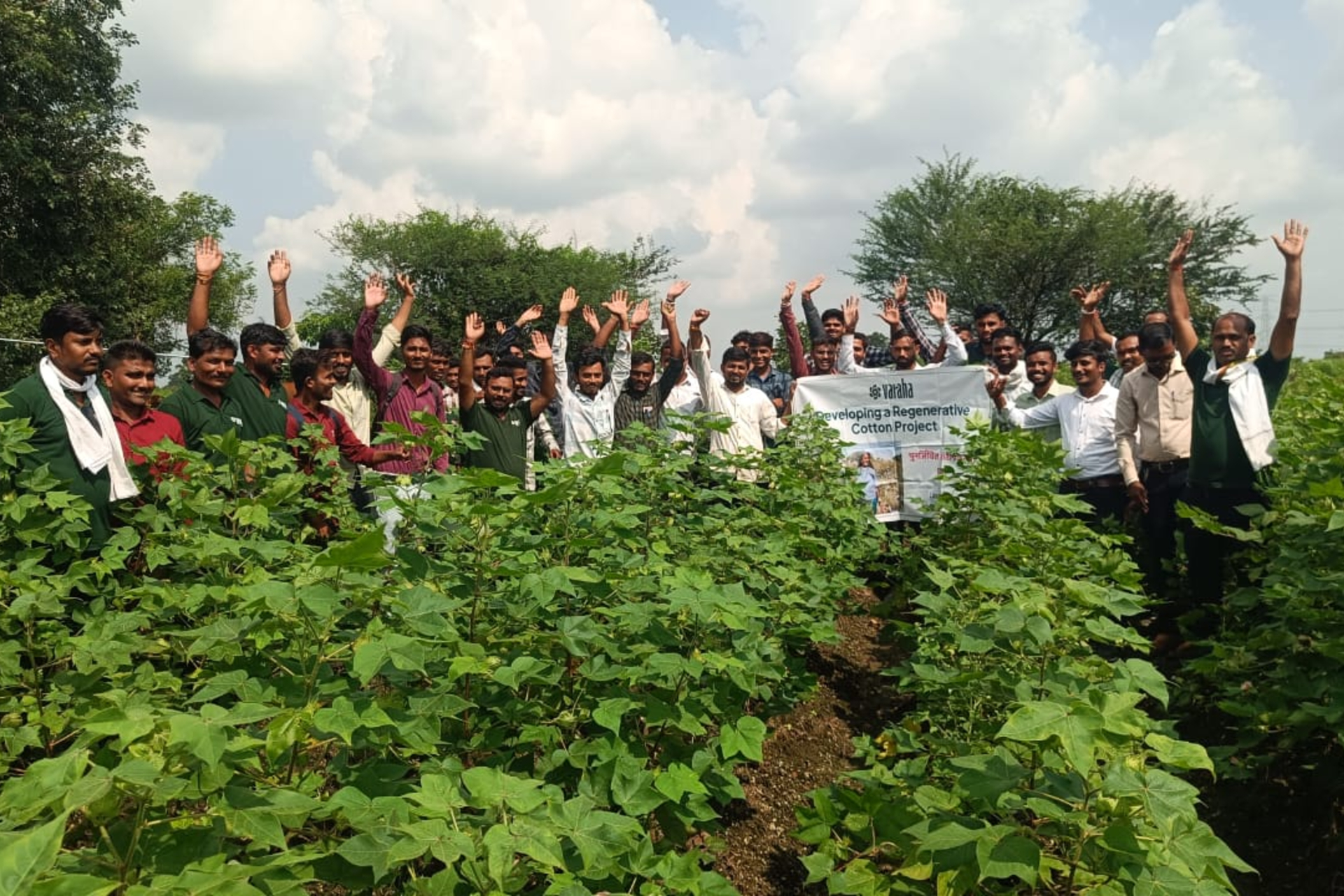
Varaha, an innovative climate technology startup headquartered in India, has successfully secured $20 million in new funding, signaling a significant step in its ambitious strategy to dramatically expand carbon removal initiatives across the Global South. This substantial investment aims to solidify the company’s position as a cost-effective provider of meticulously verified emissions reductions, addressing a critical global need.
A Strategic Capital Infusion for Global Impact
This initial $20 million tranche represents the first segment of a larger, planned $45 million Series B financing round. The investment was spearheaded by WestBridge Capital, marking the venture firm’s inaugural foray into the burgeoning climate tech sector. Existing investors, including RTP Global and Omnivore, also participated, underscoring their continued confidence in Varaha’s mission and operational model. Since its inception in 2022, Varaha has accumulated approximately $33 million in equity funding, supplemented by an additional $35 million in project financing and $500,000 in grants. These funds have been instrumental in establishing carbon removal projects across various nations in Asia and Africa, laying the groundwork for its current expansion.
The Global South: A Strategic Hub for Carbon Removal
India has rapidly emerged as a pivotal location for the development and scaling of carbon removal projects. This strategic importance stems from several key advantages: notably lower operating costs, extensive agricultural supply chains that facilitate ground-level implementation, and a deep reservoir of technical talent. These factors are increasingly attractive as corporate demand for verified carbon removals escalates, particularly from industries facing burgeoning energy consumption driven by data centers and advanced AI workloads. Varaha is strategically leveraging these inherent advantages, advocating for an execution-focused operational model that it asserts enables the delivery of carbon removal solutions at a significantly lower cost. Crucially, the company maintains that these projects adhere to the same rigorous international verification standards as their more expensive counterparts located in Europe and North America.
Madhur Jain, co-founder and chief executive of Varaha, emphasized that the company’s competitive edge lies less in proprietary technological breakthroughs and more in its robust execution capabilities. He articulated a perspective that high operating costs could become an insurmountable barrier for carbon removal developers situated in wealthier markets, especially as the price point for carbon credits inevitably comes under pressure. Jain noted that for businesses acquiring carbon credits, these are not merely philanthropic gestures or Corporate Social Responsibility (CSR) items; they represent a tangible cost on their balance sheets. Therefore, if the production cost of a credit in certain geographies becomes disproportionately high—perhaps 1.5 to 3 times more expensive—it poses a formidable challenge to the long-term viability of companies operating within those regions.
Diverse Pathways to Carbon Sequestration
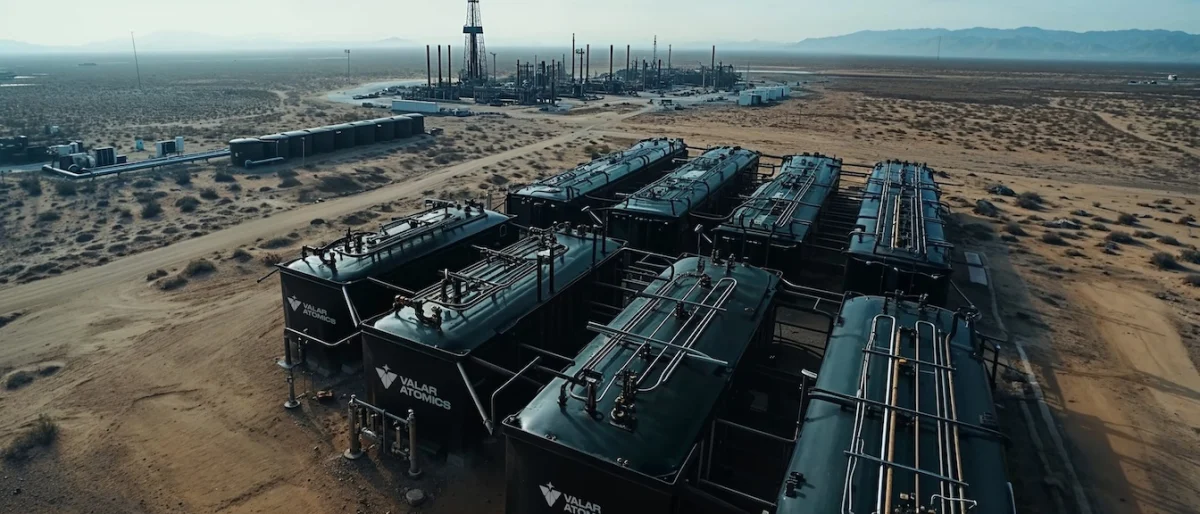
Varaha meticulously develops and implements carbon removal projects across four primary methodologies, each carefully designed to maximize environmental benefit and verifiability. These pathways include regenerative agriculture, agroforestry, biochar production, and enhanced rock weathering. The company primarily engages with smallholder farmers and industrial partners situated in emerging markets, fostering a collaborative approach to climate action.
- Regenerative Agriculture: This approach focuses on farming practices that reverse soil degradation, enhance biodiversity, and improve the water cycle. By minimizing soil disturbance, planting cover crops, and integrating livestock, regenerative agriculture significantly increases soil organic carbon, effectively drawing CO2 from the atmosphere and storing it in the soil.
- Agroforestry: Integrating trees and shrubs into agricultural landscapes offers a dual benefit: carbon sequestration through biomass growth and diversified income for farmers. These systems mimic natural ecosystems, improving soil health, water retention, and providing habitats for wildlife while sequestering substantial amounts of carbon above and below ground.
- Biochar: Produced by heating biomass in the absence of oxygen (pyrolysis), biochar is a stable form of carbon that can be added to soil. This process effectively locks carbon away for centuries, preventing its release back into the atmosphere. Biochar also improves soil fertility, water retention, and microbial activity, offering agricultural co-benefits.
- Enhanced Rock Weathering (ERW): This natural geological process involves spreading finely crushed silicate rocks (like basalt) on agricultural land. When these rocks react with CO2 and water, they chemically bind atmospheric carbon, which then washes into rivers and eventually the ocean, where it is stored in a stable form. This method accelerates a natural carbon cycle process.
The startup generates and subsequently sells verified carbon removal credits through a network of reputable international registries. These include Puro.earth, Isometric, Verra, Gold Standard, and Switzerland-based Carbon Standards International. This robust verification process is critical, positioning Varaha as a trusted supplier for global corporations that are actively seeking durable and independently validated emissions reductions to meet their ambitious climate targets.
Quantifiable Impact and Market Leadership
To date, Varaha has successfully removed over 2 million tons of carbon dioxide across its 14 active projects, resulting in the generation of approximately 150,000 carbon removal credits. Madhur Jain proudly highlighted that Varaha holds the distinction of being the first entity in India to issue carbon credits derived from biochar projects. Furthermore, the company was the first in Asia to issue credits from enhanced rock weathering through an internationally recognized registry, underscoring its pioneering role in advanced carbon removal methodologies within the region.
Financially, Varaha reported a revenue of approximately ₹430 million (around $4.76 million) in the last financial year from delivered credits. The company anticipates a substantial increase in revenue, projecting nearly ₹1 billion (approximately $11.06 million) for the current year, all while maintaining profitability after tax. This strong financial performance reflects both the growing demand for its services and the efficiency of its operational model.
Varaha has also secured significant long-term off-take agreements with prominent global buyers. These include technology giants like Google and Microsoft, alongside major corporations such as Lufthansa, Swiss Re, and Capgemini. Such agreements from leading global players not only validate Varaha’s offerings but also highlight the increasing corporate commitment to verifiable carbon removal as a crucial component of their climate strategies.
Expanding Horizons and Collaborative Scaling
Currently, Varaha’s operations span across India, Nepal, Bangladesh, Bhutan, and Ivory Coast. The company actively collaborates with approximately 170,000 to 175,000 farmers, managing carbon removal initiatives across roughly 1.7 million acres of land. The latest injection of funding is earmarked for strategic expansion into additional markets within South and Southeast Asia, with Vietnam and Indonesia identified as key target regions. Simultaneously, the company plans to deepen its presence and impact within its existing operational geographies.
In a move designed to accelerate scalability, Varaha is also rolling out an innovative Industrial Partners Program. This initiative empowers industrial operators who possess access to sustainable biomass and gasification capacity to generate verified biochar-based carbon removal credits. Varaha provides its sophisticated measurement, reporting, and verification (MRV) systems to facilitate this process. The program is already active with partners in West Africa and India, including diverse entities such as agribusinesses and a steel producer. This collaborative model allows Varaha to scale its carbon removal efforts through strategic partnerships, rather than solely relying on owning and operating all assets itself. Jain reiterated that the sheer magnitude of the climate challenge dictates that technology, over time, will become increasingly open source. Consequently, he emphasized, "what matters the most is the execution," reinforcing Varaha’s core strategy.
The Evolving Landscape of Carbon Markets and Climate Action
Varaha’s ascent is set against the backdrop of a rapidly maturing, yet still evolving, global voluntary carbon market. This market, designed to allow companies and individuals to offset their unavoidable emissions by purchasing carbon credits, has seen explosive growth alongside increased scrutiny. Historically, carbon markets trace their origins to the Kyoto Protocol in the late 1990s, evolving through mechanisms under the Paris Agreement (Article 6), and expanding into the voluntary sector where entities independently commit to emissions reductions.
Initial carbon credits largely focused on "avoidance" projects—preventing emissions that would otherwise occur, such as protecting forests from deforestation. However, there has been a significant shift towards "removal" credits, which actively pull carbon dioxide out of the atmosphere. This shift is driven by a scientific consensus that achieving net-zero emissions by mid-century requires not only drastic cuts in new emissions but also the removal of historical and residual CO2. The demand for high-integrity, verifiable removal credits, often referred to as "durable" removals, is soaring as corporations increasingly adopt stringent ESG (Environmental, Social, and Governance) targets and face pressure from investors and consumers to demonstrate genuine climate action.
However, the voluntary carbon market has also faced challenges, including concerns about transparency, additionality (whether the project would have happened without carbon finance), and the risk of greenwashing. This context makes Varaha’s emphasis on international verification standards and its execution-focused model particularly relevant, as it addresses the market’s need for trust and tangible impact.
From a social and cultural perspective, Varaha’s engagement with smallholder farmers in the Global South offers significant co-benefits beyond carbon removal. These projects often introduce sustainable agricultural practices that improve soil health, enhance crop yields, and build resilience against climate change impacts. They can also provide new income streams for farmers through the sale of carbon credits, contributing to rural economic development and poverty alleviation. This integrated approach highlights the potential for climate solutions to foster social equity and sustainable livelihoods in vulnerable communities.
Neutral Analysis: Bridging Global Divides in Climate Action
Varaha’s model represents a compelling case study in how the Global South can become a central player in global climate mitigation efforts. By leveraging the comparative advantages of lower operational costs and abundant natural resources, Varaha is effectively bridging the gap between the substantial demand for carbon removal in the Global North and the scalable supply potential in emerging economies. The investment from WestBridge Capital, a firm traditionally focused on other sectors, underscores a growing recognition among mainstream investors of the financial viability and long-term potential within the climate tech space, particularly for models that demonstrate integrity and scalability.
The company’s strategy, prioritizing execution over proprietary technology, suggests a pragmatic approach to a monumental problem. While technological innovation is crucial, the ability to effectively implement and scale existing or rapidly maturing solutions on the ground, especially in complex logistical environments, can be the ultimate differentiator. This emphasis on execution also implies a focus on operational efficiency and a deep understanding of local contexts, which are vital for successful project deployment in diverse geographies.
The challenge ahead for Varaha, and indeed for the entire carbon removal industry, will be to maintain this delicate balance between rapid scaling, cost-effectiveness, and unwavering commitment to rigorous measurement, reporting, and verification standards. As the market matures and scrutiny intensifies, the integrity of each credit will remain paramount.
A Vision for Global Climate Infrastructure
Varaha employs a dedicated team of approximately 225 to 230 individuals, with over 80% of its workforce based in India, including about 55 professionals in technology, science, product development, and data roles. While the company does not maintain traditional overseas offices, its international footprint is evident through staff located in markets such as Nepal, Germany, the U.S., and Australia, reflecting its expanding global customer base and operational reach.
Sandeep Singhal, co-founder and managing partner at WestBridge Capital, articulated the firm’s strong belief in Varaha’s potential. He stated that Varaha is uniquely positioned to construct a global carbon-removal platform originating from India, one that combines integrity, scalability, and profound impact. This investment, he concluded, reflects WestBridge Capital’s firm conviction in Varaha’s team and their capacity to shape the forthcoming phase of global climate infrastructure, heralding a new era for sustainable development.