Amir Mahmud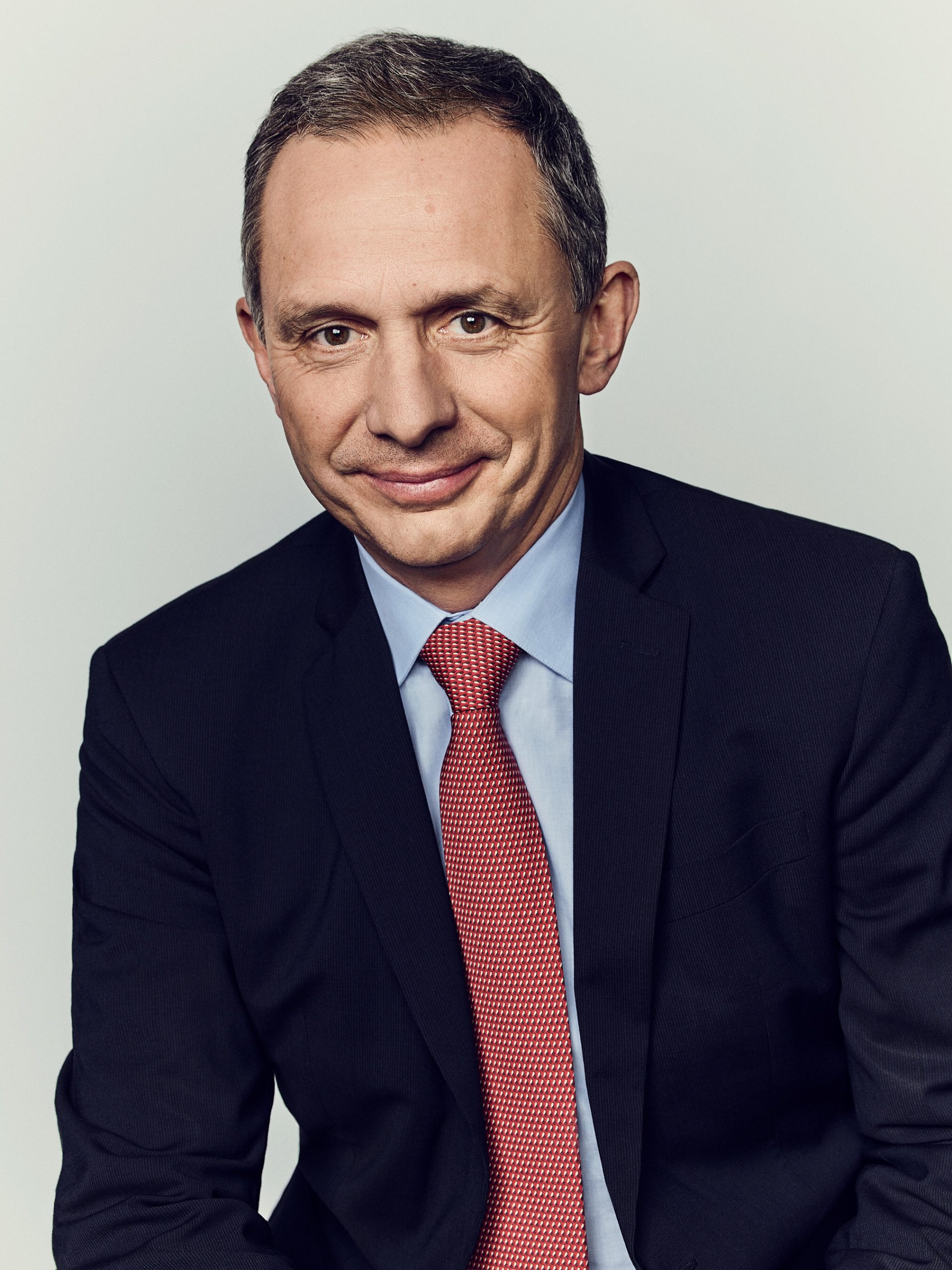
In a significant leadership reshuffle, PayPal has announced the appointment of Enrique Lores, the seasoned chief executive of HP, as its new President and Chief Executive Officer. This pivotal change comes as the digital payments giant seeks to reinvigorate its strategic direction and financial performance in an increasingly competitive and challenging global economy. Lores, who has been an integral part of PayPal’s board, serving as its chair since July 2024, will assume the dual role, succeeding Alex Chriss, whose tenure began just last September.
A Swift Leadership Transition
The decision to replace Alex Chriss less than five months into his leadership underscores the urgency with which PayPal’s board perceives the company’s current trajectory. The official statement from PayPal highlighted that the "pace of change and execution was not in line with the Board’s expectations" when juxtaposed against prevailing market trends. This swift transition suggests a decisive move to address perceived shortcomings and to instill a new vision for growth and operational efficiency. Before Lores officially steps into his new capacity, Jamie Miller, PayPal’s Chief Financial Officer and Chief Operating Officer, will serve as interim CEO, ensuring a smooth handover during this critical period.
Alex Chriss, who joined PayPal from Intuit, where he led its small business and self-employed group, had taken the reins from long-serving CEO Dan Schulman. Schulman’s nearly nine-year tenure saw PayPal transition from an eBay subsidiary to an independent, publicly traded financial technology powerhouse, expanding into new services like cryptocurrency trading and buy now, pay later (BNPL) options. Chriss’s brief time was marked by initial strategic announcements aimed at streamlining operations and fostering innovation, but the board’s rapid decision indicates that these initiatives may not have progressed at the desired velocity or yielded the anticipated immediate impact. The board’s move, while potentially disruptive in the short term, reflects a clear mandate for accelerated transformation and a renewed focus on measurable outcomes.
Navigating a Challenging Economic Landscape
The announcement of Lores’s appointment coincided with PayPal’s release of its fourth-quarter financial results, which painted a sobering picture. The company reported revenue and profit figures that fell short of Wall Street’s expectations, a stark indicator of the prevailing macroeconomic headwinds. Consumer spending, a primary driver of PayPal’s transaction volumes, experienced a dip, influenced by a broader cost of living crisis gripping economies worldwide. High inflation, rising interest rates, and a softening labor market have collectively tightened household budgets, leading to more cautious discretionary spending. This environment directly impacts payment processors like PayPal, which thrive on robust consumer and merchant activity.
Adding to investor concerns, PayPal also issued a forecast for a dip in its full-year profit, contrary to the growth projections that analysts had broadly anticipated. This outlook sent shockwaves through the market, causing PayPal’s shares to plummet by approximately 17.9% in premarket trading immediately following the news. Such a significant drop reflects a loss of investor confidence and highlights the challenging road ahead for the new leadership team. The company’s performance is intrinsically linked to the health of the global economy, and its recent results underscore the difficulties in sustaining rapid growth amidst a period of economic uncertainty and consumer retrenchment.
The Broader Digital Payments Arena
PayPal’s journey began in 1998, founded by visionaries like Peter Thiel, Max Levchin, and Elon Musk (through the merger of Confinity and X.com). It quickly became synonymous with online payments, especially after its acquisition by eBay in 2002. Its spin-off into an independent company in 2015, under the leadership of John Donahoe and later Dan Schulman, marked a new chapter focused on expanding its digital wallet ecosystem. During this period, PayPal acquired key assets like Venmo, a peer-to-peer payment service, and expanded its global footprint, becoming a ubiquitous presence in e-commerce.
However, the digital payments landscape has evolved dramatically. What was once a relatively niche market dominated by a few players has become a fiercely competitive battleground. Tech giants like Apple Pay and Google Pay have leveraged their massive user bases and device ecosystems to embed payment solutions seamlessly into daily life. Challenger banks and neo-banks offer innovative, mobile-first financial services, while established financial institutions continue to enhance their digital offerings. The rise of specialized fintech startups, particularly in areas like BNPL, cross-border payments, and embedded finance, further fragments the market. Companies like Block (formerly Square), Stripe, and Adyen have carved out significant niches in merchant services and payment processing, constantly pushing the boundaries of innovation.
The payments industry is also grappling with rapid technological advancements. The proliferation of artificial intelligence (AI) is set to reshape commerce, from enhanced fraud detection and personalized financial advice to automated payment processing and intelligent budgeting tools. New regulatory frameworks are emerging globally, aiming to balance innovation with consumer protection and financial stability. This dynamic environment demands extreme agility, continuous product innovation, and a clear long-term strategy, making the leadership transition at PayPal particularly crucial. The social and cultural impact of digital payments is undeniable, having transformed how consumers shop, save, and interact with money, making the performance of a market leader like PayPal a bellwether for the broader fintech sector.
Enrique Lores: A Profile in Leadership
Enrique Lores brings a wealth of experience from his extensive career at HP Inc., where he served as President and CEO for over six years. His tenure at HP was characterized by a strategic focus on transformation and operational discipline in a mature technology market. Lores successfully navigated HP through various challenges, including shifts in the personal computer market and the evolution of its printing business, emphasizing innovation and sustainable growth. His background in leading a large, publicly traded technology company through periods of significant change makes him a compelling choice for PayPal.
Lores’s insights into the rapidly changing technology landscape, particularly his recognition of AI’s transformative potential, align well with the challenges facing PayPal. In his statement regarding the appointment, Lores acknowledged the profound shifts underway: "The payments industry is changing faster than ever, driven by new technologies, evolving regulations, an increasingly competitive landscape, and the rapid acceleration of AI that is reshaping commerce daily." He expressed enthusiasm for PayPal’s central role in this evolution, stating, "PayPal sits at the center of this change, and I look forward to leading the team to accelerate the delivery of new innovations and to shape the future of digital payments and commerce." His emphasis on product innovation combined with a commitment to "delivering quarterly accounts" signals a dual focus on growth and financial accountability.
Strategic Imperatives for the Road Ahead
For Enrique Lores, the immediate task will be to stabilize investor confidence and articulate a clear, actionable strategy for PayPal’s future. This will involve a multi-pronged approach addressing both internal operations and external market dynamics. Internally, Lores will likely focus on streamlining PayPal’s vast ecosystem, optimizing its product offerings, and fostering a culture of rapid execution and innovation. This might include a renewed emphasis on core services, potentially divesting from non-strategic ventures, and enhancing the user experience across all platforms, including PayPal, Venmo, and Braintree.
Externally, PayPal must sharpen its competitive edge. This means fending off challengers from every angle – from large tech companies to nimble fintech startups. Strategic partnerships could play a vital role, as could a more aggressive stance on emerging technologies like blockchain and decentralized finance. The company’s vast dataset and strong brand recognition offer significant advantages, but these must be leveraged effectively to drive user engagement and transaction volume in an environment where consumers have an ever-growing array of choices. Lores’s background at HP suggests a leader who understands the importance of operational excellence and market segmentation, traits that will be crucial in carving out PayPal’s unique value proposition.
Reclaiming Investor Confidence
The significant drop in PayPal’s stock price following the disappointing earnings report highlights the urgent need to regain investor trust. This will not be an easy feat, especially after a period of fluctuating performance and a rapid CEO change. Lores will need to demonstrate tangible progress quickly, whether through improved financial results, successful product launches, or a clear roadmap for long-term growth. His commitment to "delivering quarterly accounts" suggests an understanding of Wall Street’s demands for consistent, predictable performance.
Analysts will be closely watching for signs of a turnaround, including improvements in active account growth, transaction volume, and operating margins. The analytical commentary around PayPal often centers on its ability to innovate at speed, retain its market leadership, and effectively monetize its extensive user base. The company’s valuation hinges on its future growth prospects, and Lores’s ability to articulate a credible path to achieving those prospects will be paramount. This includes demonstrating how PayPal plans to navigate the ongoing macroeconomic challenges, capitalize on technological advancements like AI, and differentiate itself in a crowded digital payments landscape.
The Future of Fintech and PayPal’s Role
PayPal’s leadership transition reflects broader shifts within the fintech industry. The era of unchecked growth for digital payments companies is giving way to a period demanding efficiency, profitability, and sustainable innovation. Companies are being forced to adapt to a more discerning consumer base, stricter regulatory oversight, and intense competition. For PayPal, a company that has been at the forefront of digital payments for decades, this moment represents a critical juncture.
Under Enrique Lores, PayPal has the opportunity to redefine its role in the future of commerce. Whether this involves a deeper dive into embedded finance, a more robust push into business-to-business (B2B) payments, or a reimagined consumer experience, the strategic choices made in the coming months will be instrumental. The focus on product innovation and accountability articulated by Lores indicates a potential pivot towards a leaner, more agile organization that can effectively compete and thrive in the rapidly evolving digital economy. The world will be watching to see if this seasoned leader can steer the payments giant back to a trajectory of sustained growth and innovation.