Amir Mahmud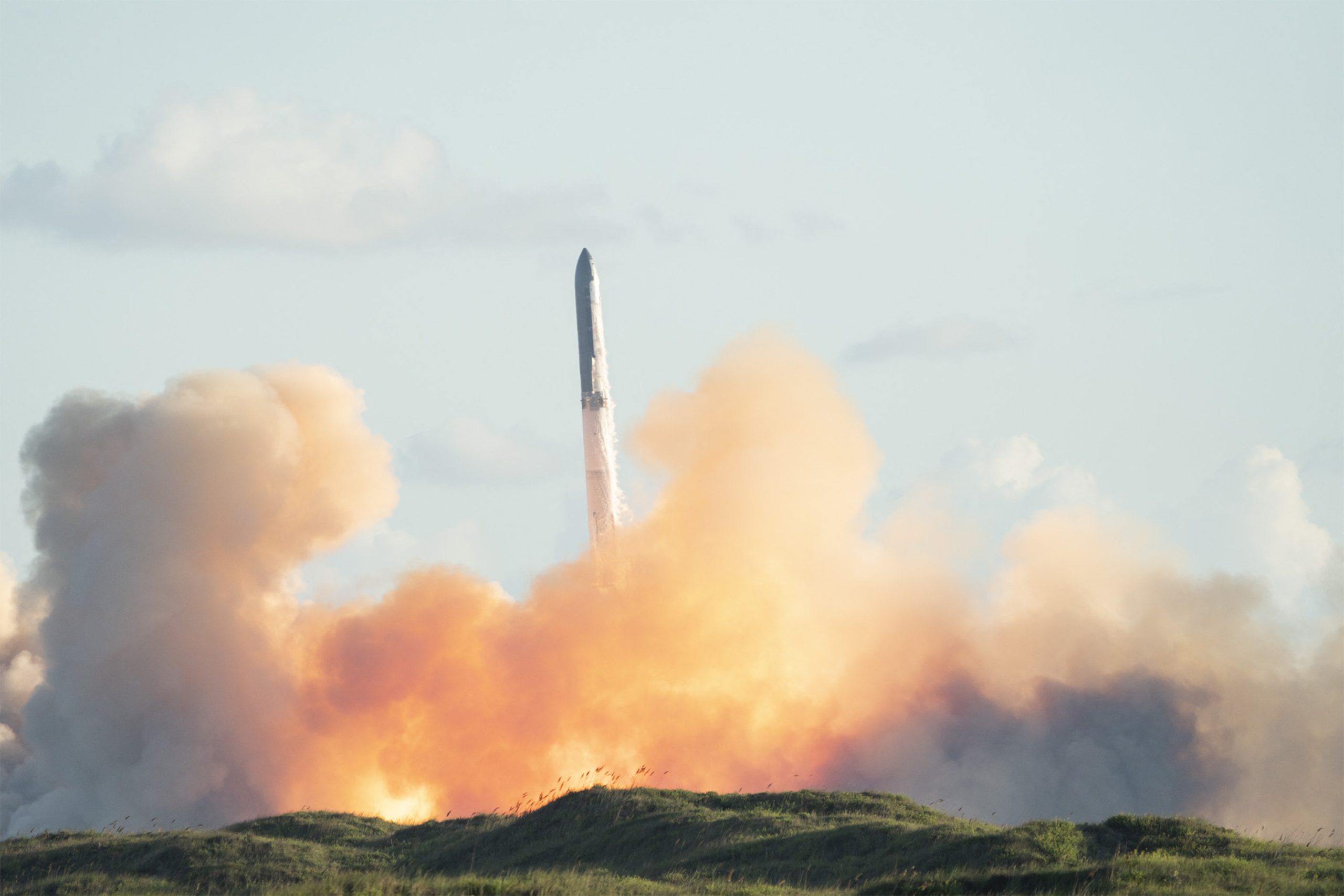
SpaceX, the ambitious aerospace and satellite communications firm led by Elon Musk, is reportedly orchestrating plans for a highly anticipated initial public offering (IPO) in 2026, engaging four prominent Wall Street institutions to guide its public market debut. This strategic maneuver by one of the world’s most valuable private companies is being closely watched across financial sectors, signaling a potential thaw in the prolonged IPO drought that has gripped global markets for several years. Simultaneously, a burgeoning secondary market is providing essential liquidity for employees and early investors in late-stage private enterprises, mitigating some of the pressures of delayed public listings.
The Prolonged IPO Hiatus and the Rise of Private Market Powerhouses
The global IPO market has experienced a significant slowdown since a peak in 2021, a period characterized by economic uncertainties, rising interest rates, and cautious investor sentiment. This "drought" has compelled many high-growth, privately held companies – often dubbed "unicorns" – to remain in private hands for far longer than historical norms. These entities, some of which boast valuations comparable to established S&P 500 constituents, have accumulated substantial market capitalization, fundamentally reshaping the landscape of global finance.
The shift towards prolonged private ownership creates a unique set of challenges and opportunities. On one hand, it allows companies like SpaceX to pursue long-term, capital-intensive projects without the quarterly scrutiny and immediate performance pressures of public markets. On the other, it restricts access for a broader range of investors, while simultaneously locking up significant portions of wealth for early shareholders and employees whose compensation is heavily tied to company equity. This imbalance has naturally given rise to innovative solutions for liquidity within the private sphere, chief among them the robust growth of secondary markets.
Secondary Markets: A Lifeline for Private Equity
The secondary market for private shares has emerged as a crucial mechanism for addressing the liquidity needs of both sellers and buyers. Greg Martin, managing director at Rainmaker Securities, a broker-dealer specializing in these transactions, highlights the immense demand from investors seeking access to these otherwise inaccessible private giants. Concurrently, a substantial cohort of long-term employees, executives, and early-stage investors are eager to realize some value from their illiquid holdings, which often constitute a significant percentage of their personal net worth.
Rainmaker Securities, along with entities like Archer Capital Group and Liquid Stock (both co-founded by Martin), plays a pivotal role in facilitating these transactions. They navigate the complexities of private company share transfers, which often involve stringent corporate controls and bespoke arrangements. This ecosystem allows for the trading of private company shares, either directly on the cap table (if permitted by the company) or, more commonly, through special purpose vehicles (SPVs) where investors acquire units representing economic ownership rather than direct shareholding. This intricate dance ensures that while companies can maintain tight control over their official shareholder registries, liquidity can still flow to those who need it.
SpaceX as a Market Bellwether
The anticipation surrounding SpaceX’s potential IPO is particularly acute because of its status as a "bellwether" company. Its sheer scale, innovative prowess, and the high-profile nature of its founder, Elon Musk, mean that its public debut could serve as a powerful signal for the broader IPO market. A successful listing by SpaceX could effectively "reset" investor confidence, potentially opening the floodgates for a new wave of public offerings from other long-private companies.
SpaceX’s valuation has continued to ascend, even during periods of market downturn. A recent tender offer valued the company at an estimated $800 billion, with secondary market bids reportedly pushing closer to a $1.5 trillion valuation, underscoring the extraordinary investor appetite. This sustained demand is not unique to SpaceX, however. Other prominent private entities such as ByteDance, Stripe, Databricks, OpenAI, Anthropic, and Perplexity are also witnessing significant interest in their secondary shares, particularly those aligned with the booming artificial intelligence sector. Should SpaceX make a strong public showing, it is projected to amplify capital market interest in private companies generally, as investors seek out the next generation of industry leaders.
Elon Musk’s Vision and the "Halo Effect"
Elon Musk’s prior public statements famously indicated that SpaceX would not go public until its rockets were regularly ferrying humans to Mars. His apparent shift towards a 2026 IPO timeline reflects a pragmatic response to current market dynamics and the company’s evolving strategic needs. While the "race" to IPO might not be as frantic as perceived, the decision to engage Wall Street banks signifies a calculated move to tap into broader capital markets.
SpaceX’s portfolio of ventures is incredibly diverse and ambitious. It holds a dominant position in the rocket launch industry, driven by its reusable Falcon series. Its Starlink satellite internet constellation is rapidly expanding, offering global broadband connectivity, particularly in underserved areas. The Starship program, despite ongoing test challenges, represents an audacious leap in space transportation, promising to facilitate everything from bulk cargo delivery to lunar and Martian missions. Discussions about building data centers in space further illustrate the company’s long-term, vertically integrated vision. Unlocking public capital could provide the immense funding required to realize these expansive objectives.
The "Elon halo effect" is an undeniable factor in SpaceX’s market appeal. Musk’s track record with Tesla, which transcended its automotive origins to become an AI and robotics powerhouse in the eyes of many investors, creates a premium valuation expectation for his ventures. While critics point to unfulfilled promises and ambitious timelines for technologies like full self-driving and Optimus robots, the narrative of continuous innovation and disruptive potential often outweighs immediate balance sheet realities for a segment of investors. This belief in Musk’s ability to consistently exceed expectations means SpaceX is likely to command a premium multiple upon its public debut, well beyond what might be dictated by conventional financial metrics alone. However, this inherent reliance on a single visionary leader also introduces a unique set of risks and creates tension for investors weighing the future potential against current operational realities.
Navigating National Security and Corporate Control
SpaceX operates in a highly sensitive sector, with significant implications for national security. Historically, the company has maintained tight control over its cap table, carefully vetting shareholders to prevent any links to U.S. adversaries. The prospect of opening up to public markets naturally raises questions about how this control will be preserved.
Expert commentary suggests that any public offering would likely be a "sliver deal," involving only a small percentage of the company’s total shares. This strategy would allow SpaceX to access public capital while ensuring that Elon Musk and a core group of trusted insiders retain majority control, mitigating potential national security risks. The transparency inherent in public disclosures would also allow for clearer identification of shareholders, even if some reside in adversarial nations, allowing for the distinction between purely economic interests and actual control.
IPO Preparation: Beyond Bank Engagements
While retaining major investment banks is a strong signal, companies typically undertake a series of internal preparations before an IPO. Astute market observers look for specific organizational shifts, such as the hiring of senior executives with extensive public company experience—think a new Chief Financial Officer (CFO) or Chief Accounting Officer (CAO) with a background in public reporting. Bolstering investor relations, accounting, and legal teams are also key indicators. For a company as mature and significant as SpaceX, many of these "public-grade" functions may already be well-established, making the bank engagements a more direct indicator of intent.
Furthermore, the secondary market itself plays an increasingly vital role in IPO preparation. Companies that proactively allow or facilitate secondary transactions can gain invaluable insights into investor demand and price discovery well in advance of a public listing. This pre-IPO "testing ground" allows them to understand how a broader investor base perceives their value, leading to a more efficient and accurately priced IPO. The example of Figma, whose shares surged dramatically after its IPO, highlights the potential inefficiencies of inadequate pre-market price discovery, where significant value is left on the table for early investors.
Broader Trends in Private Market Liquidity
The appetite for secondary shares extends far beyond SpaceX. Companies like Databricks, Stripe, OpenAI, Anthropic, xAI, ByteDance, Lambda Labs, and Cohere continue to attract substantial interest, especially those at the forefront of the AI revolution. As other prominent private companies such as Discord, Motive, and Canva signal their eventual plans for public offerings, investor demand for their secondary shares tends to intensify, driven by the prospect of future liquidity.
The volume of secondary market transactions has grown significantly, with Rainmaker Securities reporting over $1 billion in secondary trades in the past year alone. This growth underscores a fundamental shift in capital markets: a substantial portion of economic value and innovation now resides within the private sphere. As the IPO market gradually reopens, this dynamic is expected to broaden further, with secondary markets continuing to serve as a critical bridge between private wealth and public access, democratizing investment opportunities in the world’s most innovative companies.
In conclusion, SpaceX’s impending IPO is more than just a corporate event; it’s a potential inflection point for the global financial landscape. Its move to public markets could reinvigorate a dormant IPO sector, while simultaneously validating the crucial role that robust secondary markets now play in providing liquidity and price discovery for the burgeoning universe of private market titans.