Amir Mahmud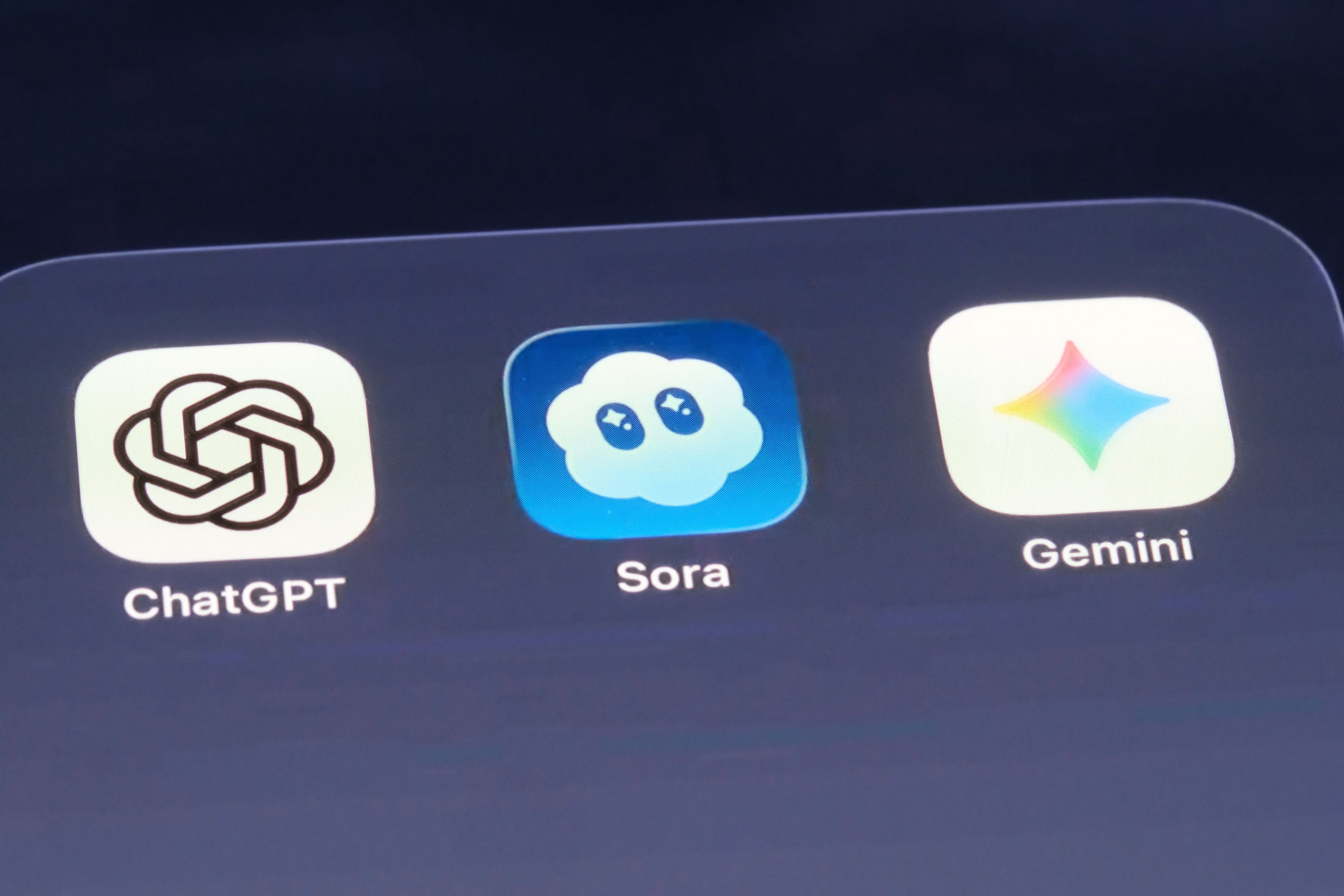
OpenAI’s Sora, a groundbreaking artificial intelligence application designed for video generation, is experiencing a significant downturn in user engagement and financial performance following an exceptionally strong debut. After an initial surge that saw it rapidly climb to the pinnacle of the U.S. App Store charts in October, the platform has subsequently recorded notable reductions in both new downloads and consumer spending, signaling a potential cooling of the initial fervent interest surrounding the AI-powered social video network.
The Meteoric Rise of AI Video
The advent of generative artificial intelligence has fundamentally reshaped various digital landscapes, from text creation to image synthesis. OpenAI, a leading research and deployment company in this domain, has been at the forefront of this revolution, notably with the widespread adoption of its large language model, ChatGPT, and its image generation counterpart, DALL-E. The natural progression for such innovation pointed towards dynamic media, leading to the highly anticipated development of text-to-video models. Sora represented a significant leap in this field, promising users the ability to conjure complex, high-fidelity video clips from simple text prompts, blurring the lines between imagination and visual reality.
When the Sora application, powered by the advanced Sora 2 model, made its initial appearance on iOS devices, the response was immediate and overwhelming. Despite an exclusive, invite-only access model, the app amassed over 100,000 installations within its first day. This remarkable uptake propelled it to the coveted number one position on the U.S. App Store. The momentum continued unabated, with Sora achieving the impressive milestone of one million downloads at an unprecedented pace, even surpassing the initial growth trajectory of its celebrated sibling, ChatGPT. This early success was particularly noteworthy given its limited availability, underscoring the immense public curiosity and perceived value in accessible AI video creation tools.
Unpacking the Downturn: Data Reveals a Shift
However, the initial euphoria proved difficult to sustain. Data compiled by Appfigures, a prominent market intelligence provider, illustrates a clear deceleration in Sora’s growth trajectory during the subsequent months. In December, the app’s monthly downloads experienced a substantial 32% decline compared to the previous month. This contraction is particularly striking given that the holiday season typically acts as a catalyst for mobile application engagement, as new device activations and increased leisure time often translate into a surge of app installations and usage.
The downward trend persisted into January 2026, with installations plummeting by an additional 45% month-over-month, bringing the total for the month to 1.2 million downloads. Concurrently, consumer expenditure within the application mirrored this decline, falling 32% month-over-month by January. OpenAI has not yet issued a public statement regarding these observed trends.
The comprehensive statistics reveal that since its inception, the Sora app has accumulated approximately 9.6 million downloads across both iOS and Android platforms, alongside a total consumer spending figure of $1.4 million. The United States accounts for the predominant share of this revenue, contributing roughly $1.1 million, followed by significant contributions from markets such as Japan, Canada, South Korea, and Thailand. Despite these overall figures, the recent monthly spending patterns paint a stark picture: January’s reported $367,000 in consumer outlays represents a considerable drop from December’s peak of $540,000.
The app’s standing within major app marketplaces has also reflected this waning interest. On the U.S. App Store, Sora has slipped out of the Top 100 Overall free applications, currently residing at position 101. While it maintains a respectable ranking of seventh within the Photo & Video category, its broader appeal appears to be diminishing. Its performance on Google Play in the U.S. is even more subdued, where it ranks 181st among the top free applications. While these current standings are far from indicating a complete failure, they certainly raise questions about the long-term viability of its initial engagement model.
The Competitive Arena: A Crowded AI Landscape
Several converging factors appear to be contributing to Sora’s ebbing momentum. The nascent but rapidly expanding field of generative AI applications is characterized by intense competition and swift innovation. OpenAI, while a pioneer, is not without formidable rivals. Google’s Gemini, for instance, particularly through its advanced Nano Banana model, has emerged as a significant contender. The Gemini AI app has successfully captivated a large user base, showcasing Google’s robust capabilities in multimodal AI.
Similarly, Meta AI has made considerable strides, notably with the introduction of its AI-powered Vibes video feature. This integration provided a substantial boost to Meta AI’s download figures in October, precisely when Sora was experiencing its initial stratospheric ascent. This highly competitive environment suggests that the novelty factor alone may not be sufficient for sustained market dominance, requiring continuous innovation and differentiation to retain user interest amidst a flurry of new offerings. Users are constantly evaluating and migrating to platforms that offer the most compelling and unrestricted creative experiences.
Navigating Intellectual Property: A Contentious Battleground
Perhaps the most significant impediment to Sora’s sustained growth has been the intricate and often contentious issue of intellectual property (IP) rights. Upon its initial launch, OpenAI adopted an “opt-out” policy for Hollywood studios and agencies, meaning their copyrighted content could potentially be used in Sora-generated videos unless they explicitly requested otherwise. This approach sparked immediate and widespread backlash from major content creators and industry bodies, including the Motion Picture Association, which voiced strong concerns over potential copyright infringement.
The ability for users to generate AI videos featuring popular, copyrighted characters such as SpongeBob and Pikachu had undoubtedly fueled early adoption, tapping into a desire for creative parody and fan-made content. However, to mitigate mounting legal threats and appease powerful industry stakeholders, OpenAI was compelled to pivot its strategy. The company transitioned from an opt-out to an "opt-in" model for content owners and significantly increased restrictions within the application. This crucial policy shift, while necessary for legal compliance and fostering industry partnerships, inadvertently curtailed one of the app’s most viral and engaging features, directly impacting user creativity and, consequently, engagement.
In December, OpenAI announced a landmark deal with Disney, allowing users to generate videos featuring its iconic characters within Sora. This partnership was intended to demonstrate a path forward for legitimate IP integration. However, thus far, this development has not translated into a measurable increase in Sora’s install base or consumer spending. The deal itself also sparked some debate, particularly considering previous instances where Sora users had generated what some described as "depraved videos" featuring Disney characters, raising questions about content moderation and brand reputation in the age of generative AI.
User Experience and Adoption Hurdles
Beyond the competition and copyright complexities, the intrinsic user experience and social dynamics of Sora have also presented challenges. The initial hype that positioned Sora as the "TikTok of AI" highlighted its potential to democratize video creation and foster a new form of social media interaction. A unique feature allowing users to cast themselves and their friends as main characters in AI-generated videos held considerable appeal, promoting personalized content creation. Shared videos could also be remixed, enabling collaborative storytelling and customization. The inclusion of music, sound effects, and dialogue further enriched the creative possibilities.
However, the restrictions imposed due to IP concerns meant that the ability to incorporate widely recognized characters or narratives was severely limited for the general user. Moreover, the concept of having one’s likeness used by others, even friends, for AI video generation, proved to be a point of friction for many users, introducing privacy and control concerns. Without the immediate gratification of creating videos with familiar commercial IP, and facing potential hesitancy around personal likeness usage, the novelty of generating abstract or less recognizable scenes appears to have diminished for a significant segment of the user base. The platform struggled to cultivate the strong network effects and consistent content velocity typically seen in successful social media applications.
The Broader Implications for Generative AI
Sora’s trajectory offers a critical case study for the burgeoning generative AI industry. It underscores the dual challenge of pioneering advanced technology while simultaneously navigating the complex ethical, legal, and social landscapes it creates. The initial excitement surrounding Sora demonstrated the immense appetite for accessible, powerful AI tools that empower creative expression. However, the subsequent decline highlights the necessity for these platforms to evolve beyond mere technological prowess and address the multifaceted demands of a diverse user base and existing content industries.
The struggle to balance open-ended creativity with responsible content governance, particularly concerning intellectual property and deepfake concerns, remains a central dilemma for all generative AI applications. The "move fast and break things" ethos that characterized early social media development is less tenable in an era where AI tools possess unprecedented capabilities to generate realistic, often indistinguishable, content.
Looking Ahead: The Path to Revival?
The future trajectory for OpenAI’s Sora application remains uncertain. Its ability to stage a meaningful comeback will likely depend on several strategic adjustments. This could involve securing more comprehensive and user-friendly copyright deals with a broader range of content creators, allowing for a richer tapestry of creative options without infringing on existing rights. Alternatively, OpenAI might need to introduce innovative features that transcend the current limitations, offering unique value propositions that are less reliant on existing IP.
Furthermore, refining the user experience, enhancing content moderation, and potentially exploring new monetization models that resonate with a sustained user base will be crucial. The challenge for Sora, and indeed for many AI-powered platforms, is to transform initial viral appeal into enduring utility and a compelling, responsible creative community. The lessons learned from Sora’s early rise and subsequent plateau will undoubtedly inform the development and deployment of future generative AI applications as the industry continues to mature.