Amir Mahmud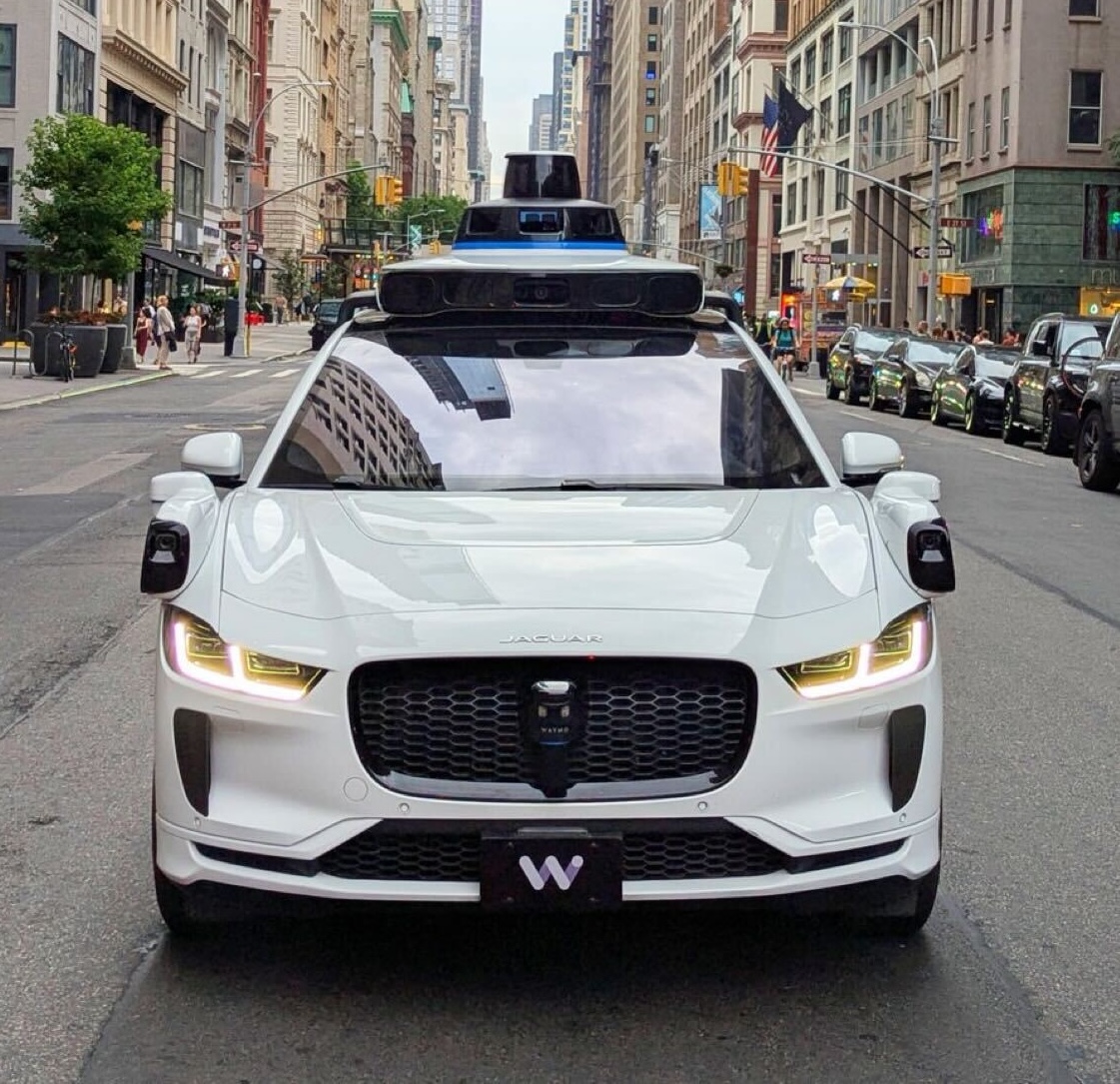
A Waymo robotaxi recently made contact with a child near an elementary school in Santa Monica, California, an event that has swiftly prompted a federal investigation and reignited widespread discussions surrounding the safety and integration of autonomous vehicles into public life. The incident, which occurred on January 23, involved a self-driving car operated by Waymo, the autonomous driving technology company under Alphabet, and resulted in minor injuries to the young pedestrian. The National Highway Traffic Safety Administration (NHTSA) has launched an inquiry into the matter, signaling a continued focus on the burgeoning autonomous vehicle industry as it seeks to scale its operations.
The Santa Monica Collision
According to information provided by Waymo to NHTSA, the autonomous vehicle was traveling at approximately 17 miles per hour when it initiated hard braking. Despite this action, the vehicle subsequently made contact with the child at a speed of about 6 miles per hour. Waymo’s internal assessment, detailed in a public blog post, indicates that the young pedestrian "suddenly entered the roadway from behind a tall SUV, moving directly into our vehicle’s path." The company affirmed that its advanced sensor systems "immediately detected the individual as soon as they began to emerge from behind the stopped vehicle," implying rapid reaction capabilities.
Following the impact, the child reportedly stood up promptly and moved to the sidewalk. Emergency services were contacted via 911, and the Waymo vehicle remained stationary, later moving to the side of the road, until law enforcement authorities cleared it from the scene. The specifics regarding the child’s age have not been publicly disclosed, beyond the designation of a "young pedestrian." While the injuries were characterized as minor, any interaction between an autonomous vehicle and a human, particularly a child, near a school zone, naturally draws significant attention and raises pertinent questions about the technology’s predictive capabilities in dynamic, unpredictable environments.
Intensifying Regulatory Scrutiny
This latest incident comes at a sensitive juncture for Waymo and the broader autonomous vehicle sector, as regulatory bodies intensify their oversight. NHTSA, the federal agency tasked with ensuring vehicle safety, has taken swift action by opening an investigation, designated PE26001. Waymo has publicly committed to full cooperation with this federal inquiry, a standard practice for companies operating in heavily regulated industries.
The Santa Monica event is not an isolated incident concerning Waymo’s operational practices that has attracted regulatory attention. Just months prior, in October, NHTSA initiated a separate probe into Waymo robotaxis for incidents involving the improper passing of stopped school buses. The initial reports emerged from Atlanta, Georgia, where Waymo has been expanding its testing and operational footprint. The seriousness of this issue was further underscored when the National Transportation Safety Board (NTSB), an independent federal agency that investigates transportation accidents, opened its own investigation into Waymo’s school bus behavior last week, following approximately 20 reported incidents in Austin, Texas. These investigations highlight a critical regulatory concern: the ability of autonomous systems to accurately perceive and appropriately react to common, yet critical, roadway scenarios, especially those involving vulnerable populations like schoolchildren.
The regulatory landscape for autonomous vehicles in the United States remains complex, characterized by a blend of federal and state oversight. While NHTSA sets federal safety standards for vehicles, states often dictate specific operational rules and permitting requirements for autonomous vehicle deployment. California, being a hotbed for technological innovation, has been at the forefront of regulating AV testing and deployment, with the California Department of Motor Vehicles (DMV) playing a key role in issuing permits and setting guidelines. Each incident, no matter how minor, contributes to the growing body of data and public discourse that informs these regulatory frameworks, potentially influencing future policy decisions regarding where, when, and how autonomous vehicles can operate.
Navigating the Future of Mobility
The advent of autonomous vehicles stems from decades of research and development, with foundational efforts tracing back to the DARPA Grand Challenges in the early 2000s. Companies like Waymo, which evolved from Google’s self-driving car project, have championed the vision of a future where autonomous technology dramatically reduces traffic accidents, largely by eliminating human error—a factor implicated in over 90% of all collisions. Proponents also tout benefits such as improved traffic flow, increased accessibility for individuals unable to drive, and more efficient use of road infrastructure.
However, the path to widespread adoption is fraught with technical, ethical, and societal challenges. Technically, while AVs excel in structured, predictable environments, they often struggle with "edge cases"—unusual or unforeseen situations that human drivers handle instinctively. These can include complex weather conditions, atypical road debris, or the unpredictable movements of pedestrians and cyclists, especially children whose behavior can be less predictable than adults. The Santa Monica incident underscores the critical challenge of ensuring AVs can reliably interpret and react to human behavior in densely populated urban settings, particularly near sensitive locations like schools where children are present.
The ethical considerations are equally profound. Questions of liability in an accident, the decision-making algorithms in unavoidable crash scenarios, and the potential displacement of human drivers all contribute to a complex societal dialogue. Each incident, even those resulting in minor injuries, serves as a stark reminder that while the technology promises transformative benefits, its integration into the existing transportation ecosystem requires meticulous attention to safety, rigorous testing, and robust regulatory oversight.
Public Perception and Community Concerns
Public acceptance is a cornerstone for the successful deployment of autonomous vehicles. Incidents like the one in Santa Monica can significantly sway public opinion, which is often characterized by a delicate balance between fascination with technological advancement and apprehension about its safety implications. For many, the idea of a driverless car navigating city streets is still a novelty, bordering on science fiction, and any misstep can quickly erode nascent trust.
The location of this specific incident—near an elementary school—amplifies community concerns. Parents, educators, and local authorities are inherently more protective of children, making safety around school zones a paramount issue. The presence of autonomous vehicles in such areas introduces a new layer of complexity to existing traffic safety measures. Communities may demand stricter operational guidelines, such as lower speed limits for AVs in school zones, mandatory human safety operators during certain hours, or even geofenced restrictions preventing AVs from operating in specific school vicinities altogether.
The term "robotaxi" itself, while catchy, can create a psychological disconnect. It implies a fully sentient, infallible machine, setting a high bar for public expectation that current technology, despite its sophistication, may not always meet. The interaction between human pedestrians and autonomous vehicles is a dynamic one, where both parties are still learning how to predict and respond to each other’s behaviors. Children, with their often impulsive movements and limited understanding of road safety, represent one of the most challenging variables for an autonomous system to accurately predict and safely navigate around.
Commercial Deployment and Industry Outlook
Waymo, backed by the immense resources of Alphabet, is widely considered a frontrunner in the autonomous vehicle race. The company has accumulated billions of miles in real-world and simulated driving, deploying its services in several major U.S. cities, including Phoenix, San Francisco, and increasingly, Los Angeles. These deployments represent significant commercial milestones, moving the technology from experimental phases to revenue-generating services.
However, the road to widespread commercialization is not smooth. Waymo operates within a competitive landscape that includes other prominent players like Cruise (General Motors’ AV unit), Zoox (Amazon’s AV company), and Tesla, which employs a different strategy focused on driver-assist systems with the ultimate goal of full autonomy. Each company faces unique technical hurdles, financial pressures, and regulatory challenges. High-profile incidents, regardless of the severity of injuries, can trigger pauses in expansion, stricter permit requirements, or even temporary operational suspensions, as seen with some competitors in recent times.
The financial implications of these incidents are also noteworthy. Investors, while keen on the long-term potential of autonomous mobility, are sensitive to regulatory setbacks and public backlash. The ongoing investigations could influence the pace of investment, the valuation of AV companies, and the overall timeline for achieving profitable, scalable autonomous services. Furthermore, insurers are still grappling with how to assess risk and liability for autonomous vehicles, a factor that will ultimately impact the cost and viability of these services.
Striking a Balance: Innovation and Safety
The Waymo incident in Santa Monica, though resulting in minor injuries, serves as a critical data point in the ongoing evolution of autonomous driving technology. It underscores the imperative for continuous refinement of AI algorithms, sensor capabilities, and predictive modeling to ensure the utmost safety for all road users, particularly the most vulnerable. Waymo’s commitment to transparency and cooperation with federal investigators is crucial for fostering trust, both with regulators and the general public.
The path forward for autonomous vehicles demands a collaborative effort among industry innovators, regulatory bodies, and local communities. This includes developing robust safety standards, implementing comprehensive data-sharing protocols to learn from every incident, and fostering open dialogue about the capabilities and limitations of the technology. Ultimately, the successful integration of autonomous vehicles into our daily lives hinges on demonstrating an irrefutable safety record, built upon rigorous testing, transparent reporting, and an unwavering commitment to public well-being. This latest incident, while concerning, provides an opportunity to further refine the technology and solidify the framework necessary for a safer, more efficient future of mobility.