Amir Mahmud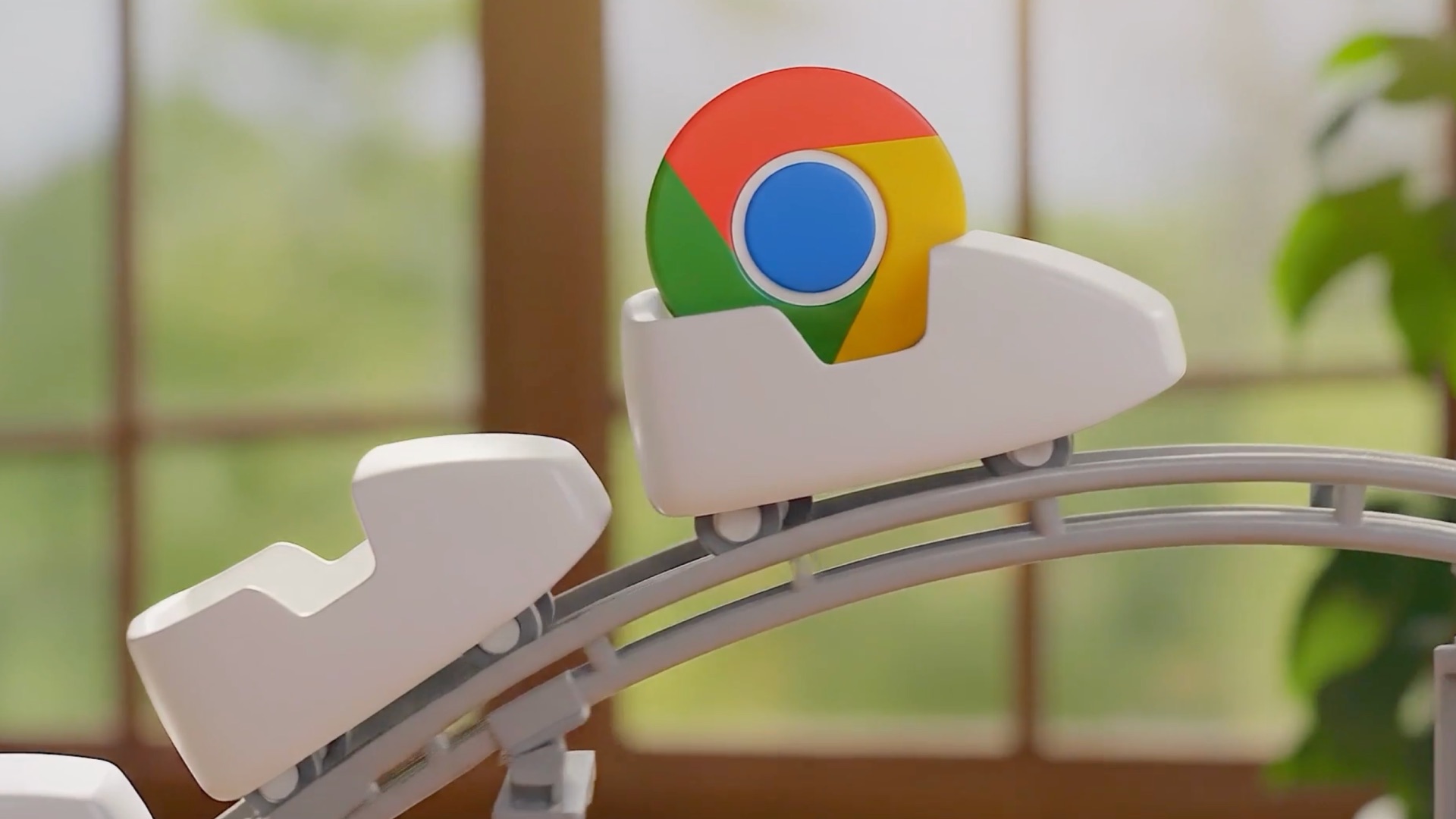
Google’s dominant Chrome browser is undergoing a significant transformation, integrating its advanced Gemini artificial intelligence model more deeply than ever before. This strategic enhancement introduces a suite of "agentic features" designed to empower Chrome to perform complex, multi-step tasks autonomously, directly challenging a new wave of AI-first browsers that emerged throughout the previous year. The move signals an escalated arms race in the browser market, where the future of web interaction is increasingly being shaped by intelligent assistants and automated capabilities.
The Evolving Browser Landscape: A New AI Frontier
For decades, web browsers have served as the primary gateway to the internet, evolving from simple document viewers to sophisticated platforms supporting rich multimedia, complex applications, and expansive digital ecosystems. Google Chrome, launched in 2008, swiftly ascended to global dominance, largely due to its speed, simplicity, and extensive ecosystem of extensions and integrations. However, the advent of generative artificial intelligence has introduced a paradigm shift, prompting a re-evaluation of what a browser can and should be.
The year 2025 witnessed a notable surge in innovation within the browser space, driven primarily by the rapid advancements in AI. Companies like OpenAI, leveraging its large language models, launched an AI-powered browser, followed by specialized offerings such as Perplexity’s Comet, Opera’s AI-centric Neon, and The Browser Company’s AI-first Dia. These new entrants were not merely incremental updates but fundamental reimaginations of the browsing experience, integrating AI assistants directly into the interface, offering features like summarization, contextual search, and automated data extraction. Their core value proposition was to move beyond passive information retrieval to active assistance, aiming to streamline workflows and reduce the cognitive load on users. This burgeoning competition highlighted a critical trend: users were increasingly seeking a more proactive and intelligent web experience, moving away from fragmented tools towards integrated, AI-driven solutions.
Google, long at the forefront of AI research and application, recognized this shift. While it had initially introduced Gemini into Chrome in September of the previous year, this early iteration often resided in a floating window, offering a somewhat detached experience. The latest update, however, marks a decisive escalation, embedding Gemini directly into the browser’s persistent sidebar. This strategic placement ensures that the AI assistant remains an ever-present companion, capable of providing immediate, context-aware assistance related to the current website or even across multiple open tabs.
Gemini’s Deep Integration: A Closer Look
The enhanced Gemini integration is designed to make the browser more intuitive and efficient. By moving the AI helper into a persistent sidebar, Google aims to seamlessly blend AI assistance into the user’s workflow, making it as natural as navigating pages. This allows users to pose questions about content they are viewing, request summaries of lengthy articles, or even brainstorm ideas directly within their browsing session without needing to switch applications or windows.
One of the most compelling aspects of this update is Gemini’s ability to understand context across multiple tabs. In a demonstration provided to the press, Google showcased how the Gemini sidebar can intelligently group and analyze information from various open tabs that originated from a single webpage. For instance, if a user opens several product pages from an e-commerce site to compare options, Gemini can recognize these as a related "context group." This enables the AI to facilitate complex comparison tasks, such as highlighting differences in specifications, pricing, or reviews, effectively acting as a personal shopping assistant. This capability represents a significant leap from traditional browser functionality, where users manually juggle information across tabs, often losing track of details.
The expansion of Gemini’s availability is also noteworthy. Previously, the Gemini in Chrome feature was limited to Windows and macOS users. With this latest rollout, Chromebook Plus users will also gain access to the integrated sidebar, extending these advanced AI capabilities to Google’s own ecosystem of lightweight, cloud-first laptops. This move underscores Google’s commitment to making its AI accessible across its hardware portfolio, enhancing the value proposition of Chromebook Plus devices.
Personalized Intelligence and Beyond
Beyond general web assistance, Google is leveraging its extensive ecosystem to offer a deeply personalized AI experience within Chrome. The company’s newly launched "personal intelligence feature," which securely connects to a user’s Gmail, Google Search history, YouTube activity, and Google Photos accounts, is poised to roll out within Chrome in the coming months. This integration allows users to ask Gemini questions based on their own personal data, transforming the browser into a powerful personal assistant.
Imagine asking Gemini in the sidebar about your family’s schedule for the week, drawing information directly from your Google Calendar and Gmail conversations. Or, requesting it to draft an email based on recent browsing activity and then sending it without ever having to navigate away from Chrome to Gmail. This level of personalized, proactive assistance blurs the lines between a browser, an email client, and a personal organizer, offering a consolidated digital experience. While promising unparalleled convenience, this feature also brings into sharp focus critical discussions around data privacy and security, as users entrust more of their personal digital lives to AI agents. Google asserts that while these features will access user data, the underlying AI models themselves will not be exposed to sensitive information like passwords or saved card details, relying instead on Chrome’s secure password manager and payment autofill systems.
Further enhancing the creative capabilities, a new "Nano Banana" integration is also arriving in Chrome. This feature allows users to modify an existing image on a webpage by incorporating elements from another image or product discovered during browsing. This could be invaluable for designers, marketers, or even casual users looking to visualize how a new piece of furniture might look in a room captured in a photo, or how a different accessory might complement an outfit.
The Promise and Peril of Auto-Browse
Perhaps the most ambitious and potentially transformative feature introduced is "auto-browse." This agentic capability aims to handle complex, multi-step tasks for users by intelligently traversing websites and interacting with web elements on their behalf, leveraging personal information when necessary. The vision is to move from a search-and-click paradigm to a delegation-and-verification model.
For instance, a user could instruct the auto-browse agent to "go to this website, find a specific item, buy it, and apply any available discount coupons." The AI would then navigate the site, locate the product, proceed through the checkout process, search for and apply coupons, and even fill in payment and shipping details using saved information from Chrome’s autofill. Crucially, Google emphasizes that the agent will always prompt the user for intervention when performing data-sensitive tasks, such as logging into an account or finalizing a purchase, ensuring a layer of human oversight for critical actions.
Early testing by Google has revealed diverse real-world applications for auto-browse, extending far beyond the typical shopping and travel planning scenarios often showcased in AI demos. Users have reportedly employed the feature for mundane yet time-consuming tasks like scheduling appointments, filling out tedious online forms, collecting tax documents, obtaining quotes from service providers (plumbers, electricians), and filing expense reports. These use cases highlight the potential for significant productivity gains and a reduction in digital friction for everyday administrative burdens.
However, the path to widespread adoption for browser-based agents is not without its challenges. As noted by industry observers, such agents can be "finicky," often struggling with nuanced intent, encountering unexpected website structures, or "breaking" when navigating between different sites. The real web is dynamic and messy, and an AI agent’s ability to reliably interpret diverse interfaces and complete tasks flawlessly remains a significant hurdle. The accuracy, reliability, and security of these autonomous systems will be paramount to building user trust. Questions also arise regarding potential biases in AI recommendations, the ethical implications of autonomous purchasing, and the overall impact on user agency when delegating tasks to a machine.
Navigating the Future of Web Interaction
The deeper integration of Gemini and the rollout of agentic features in Chrome signify a pivotal moment in the evolution of web browsing. This move intensifies the competition among browser developers, pushing the boundaries of what users can expect from their primary internet interface. The market impact could be substantial, potentially altering user habits from active searching to more passive, delegated task completion. This shift could influence e-commerce, online services, and even how information is consumed and processed.
Culturally, the increasing sophistication of AI assistants within browsers raises questions about human-computer interaction. As AI takes on more autonomous roles, the nature of digital literacy may evolve, focusing less on navigation and more on effective prompting and critical evaluation of AI-generated outputs. Data privacy and security will remain central concerns, requiring robust safeguards and transparent communication from Google to maintain user trust, especially with the personal intelligence features.
The Gemini sidebar support and Nano Banana integration are commencing their rollout immediately, while the deeply personalized intelligence feature is slated for release in the "coming months." Google’s strategic embrace of advanced AI within Chrome is a clear declaration of intent: to retain its market leadership not just through superior technical performance, but by fundamentally reshaping the digital experience with intelligent, proactive assistance, ushering in an era where the browser is not just a window to the internet, but a personal agent within it. The success of this ambitious vision will ultimately depend on Google’s ability to deliver on the promise of seamless, reliable, and trustworthy AI that truly empowers users in their daily digital lives.