Amir Mahmud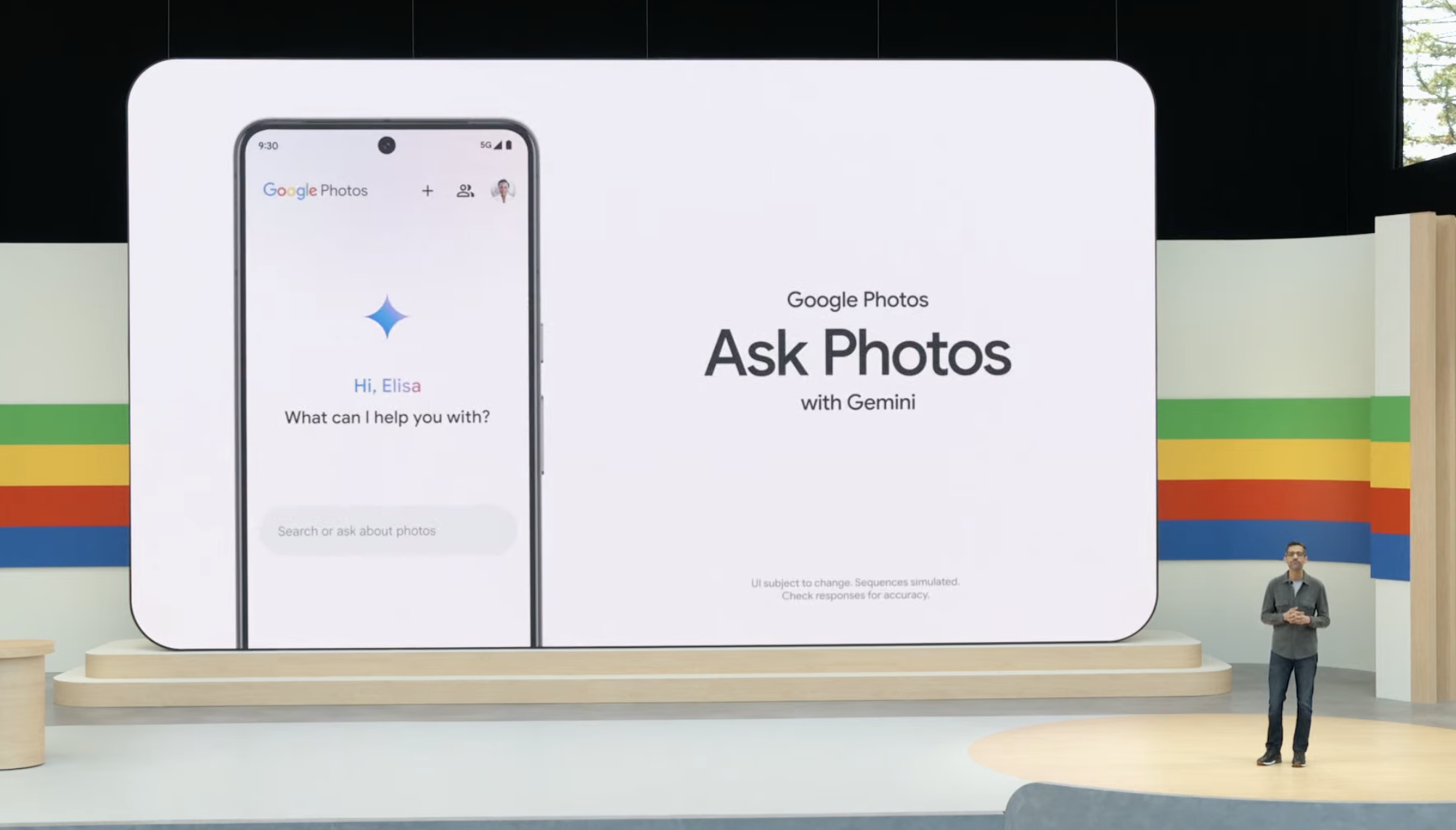
Google Photos has significantly expanded its sophisticated, AI-powered photo editing features, bringing natural language-based image manipulation to a wider global audience. Users in Australia, India, and Japan are now able to leverage conversational commands to transform their personal photographs, marking a pivotal moment in the democratization of advanced image editing that was once the exclusive domain of professional software and skilled users. This rollout signifies Google’s continued commitment to integrating cutting-edge artificial intelligence into its popular consumer products, making complex tasks intuitively accessible.
The new functionality, previously introduced to Pixel 10 users in the United States last August, allows individuals to articulate desired changes in plain English or several Indian regional languages. Instead of navigating intricate menus or mastering a steep learning curve, users can simply describe the adjustments they wish to see. This paradigm shift from manual controls to intuitive text prompts represents a significant leap in user experience, moving beyond traditional editing sliders and tools.
The Evolution of Photo Editing: From Darkroom to AI
The journey of photo editing has traversed a remarkable path, beginning in the chemical-laden darkrooms of the 19th and 20th centuries, where skilled technicians meticulously manipulated negatives and prints. The advent of digital photography in the late 20th century, coupled with software like Adobe Photoshop, revolutionized the process, bringing powerful tools to desktop computers. However, these tools often required extensive training and a deep understanding of image manipulation principles.
The rise of smartphones and social media platforms in the 21st century ushered in the era of mobile photo editing. Apps offered filters, basic cropping, and simple enhancements, making casual editing widespread. Yet, even these mobile tools often presented a myriad of options that could overwhelm casual users. Google Photos, launched in May 2015, emerged as a central hub for digital memories, initially offering unlimited cloud storage and intelligent organization features powered by early forms of AI, such as facial recognition and automatic categorization.
Google’s foray into more proactive AI-driven editing began to accelerate in recent years. Features like "Magic Eraser," which allowed users to effortlessly remove unwanted objects from photos, showcased the potential of AI to simplify complex tasks. These initial steps paved the way for the current generation of generative AI tools, which can not only enhance existing elements but also create or alter parts of an image based on contextual understanding. The current expansion of natural language editing is a direct evolution of this trajectory, leveraging advancements in large language models (LLMs) and image generation capabilities.
Behind the AI: Google’s Technological Prowess
At the core of this advanced editing capability lies Google’s proprietary Nano Banana image model. This sophisticated AI architecture enables the application to understand nuanced, natural language requests and translate them into visual alterations. For instance, a user can instruct the app to "remove the motorcycle in the background," "reduce the background blur," or undertake a more holistic command like "restore this old photo." The AI’s capacity extends to remarkably specific adjustments, such as modifying a friend’s pose, taking off their glasses, or even subtly opening their eyes in a photograph where they might have blinked.
A notable technical aspect of this feature is its ability to perform all processing directly within the Google Photos app, locally on the device, without requiring a constant internet connection for the actual editing. This offline capability not only enhances privacy and security but also ensures quicker response times and reliability, particularly in areas with inconsistent connectivity. The broad accessibility of this feature is further underscored by its compatibility: it functions on any Android device running Android 8.0 or higher with at least 4GB of RAM, effectively extending powerful AI tools beyond Google’s own Pixel ecosystem to a vast array of Android smartphone users globally.
Expanding Global Reach and Accessibility
The strategic selection of Australia, India, and Japan for this expansion is indicative of their importance as dynamic and tech-savvy markets. Australia, with its high smartphone penetration and early adoption of digital innovations, represents a significant user base eager for advanced mobile functionalities. Japan, renowned for its technological prowess and a culture deeply integrated with visual communication, offers a fertile ground for sophisticated photo editing tools.
India, however, stands out due to its immense and rapidly growing smartphone user base. With hundreds of millions of internet users, India represents one of the largest and most diverse digital populations in the world. Recognizing this, Google has implemented critical language support beyond English, including Hindi, Tamil, Marathi, Telugu, Bengali, and Gujarati. This localized linguistic support is crucial for truly democratizing the feature, making it accessible and intuitive for millions of users in their native tongues, thereby bridging potential digital divides and fostering greater engagement. This move reflects a broader industry trend toward hyper-localization to cater to diverse linguistic landscapes.
Ethical Considerations and Content Authenticity
Accompanying the rollout of these powerful AI editing features is the implementation of C2PA Content Credentials support within Google Photos for these regions. C2PA (Coalition for Content Provenance and Authenticity) is an open technical standard designed to provide verifiable metadata about the origin and editing history of digital content, including images. This credentialing system will indicate when an image has been created or significantly altered using AI, embedding a digital watermark that can be detected and verified.
The integration of C2PA is a critical step in addressing the growing concerns surrounding the authenticity of digital media in an era where AI can generate hyper-realistic images or manipulate existing ones with unprecedented ease. As AI-generated and AI-edited content becomes increasingly pervasive, the ability to distinguish between original and altered content is paramount. Social media platforms, news organizations, and individual users alike have been grappling with the challenge of identifying and labeling AI-driven media to combat misinformation and maintain trust. Google’s commitment to C2PA signals a responsible approach to deploying powerful AI tools, aiming to provide users with greater transparency and context regarding the images they encounter online.
Market Dynamics and Competitive Landscape
Google’s aggressive push into AI-powered photo editing is not an isolated endeavor but part of a broader, strategic initiative to solidify its position as a leader in AI innovation. The competitive landscape in consumer AI and mobile photography is intense, with tech giants like Apple and Samsung also heavily investing in on-device AI capabilities for their flagship smartphones. Dedicated photo editing software companies like Adobe, with its suite of Creative Cloud applications, are simultaneously enhancing their AI features, often leveraging cloud-based processing for more intensive tasks.
The "Magic Editor" and similar features from Google Photos aim to bring professional-grade editing capabilities to the masses without the need for subscriptions or complex software installations, directly challenging the traditional market for image manipulation tools. By embedding these powerful functionalities directly into a free, widely used app, Google creates a compelling value proposition that could shift user expectations for what a standard photo gallery application should offer. This could pressure competitors to accelerate their own AI integrations, fostering further innovation across the industry.
The Future of Visual Storytelling
This expansion of AI-powered editing is the latest in a series of rapid AI integrations across Google Photos. Last November, Google significantly expanded its AI-powered search capabilities to over 100 countries and more than 17 languages, allowing users to find specific photos using complex natural language queries (e.g., "show me photos of my dog at the beach last summer"). The company also introduced AI templates capable of transforming photos into various artistic styles, providing creative avenues for users. Just recently, Google rolled out a "Meme me" feature, enabling users to combine reference templates with their own images to effortlessly create personalized memes.
These developments collectively paint a picture of a future where visual storytelling is increasingly assisted and augmented by artificial intelligence. From automatically enhancing old memories to generating entirely new creative content, AI is transforming how individuals interact with and express themselves through images. The long-term implications for creativity, personal archiving, and digital communication are profound. As these tools become more sophisticated and widely adopted, they will continue to redefine the boundaries of what is possible in digital photography, making advanced visual expression accessible to everyone with a smartphone.