Amir Mahmud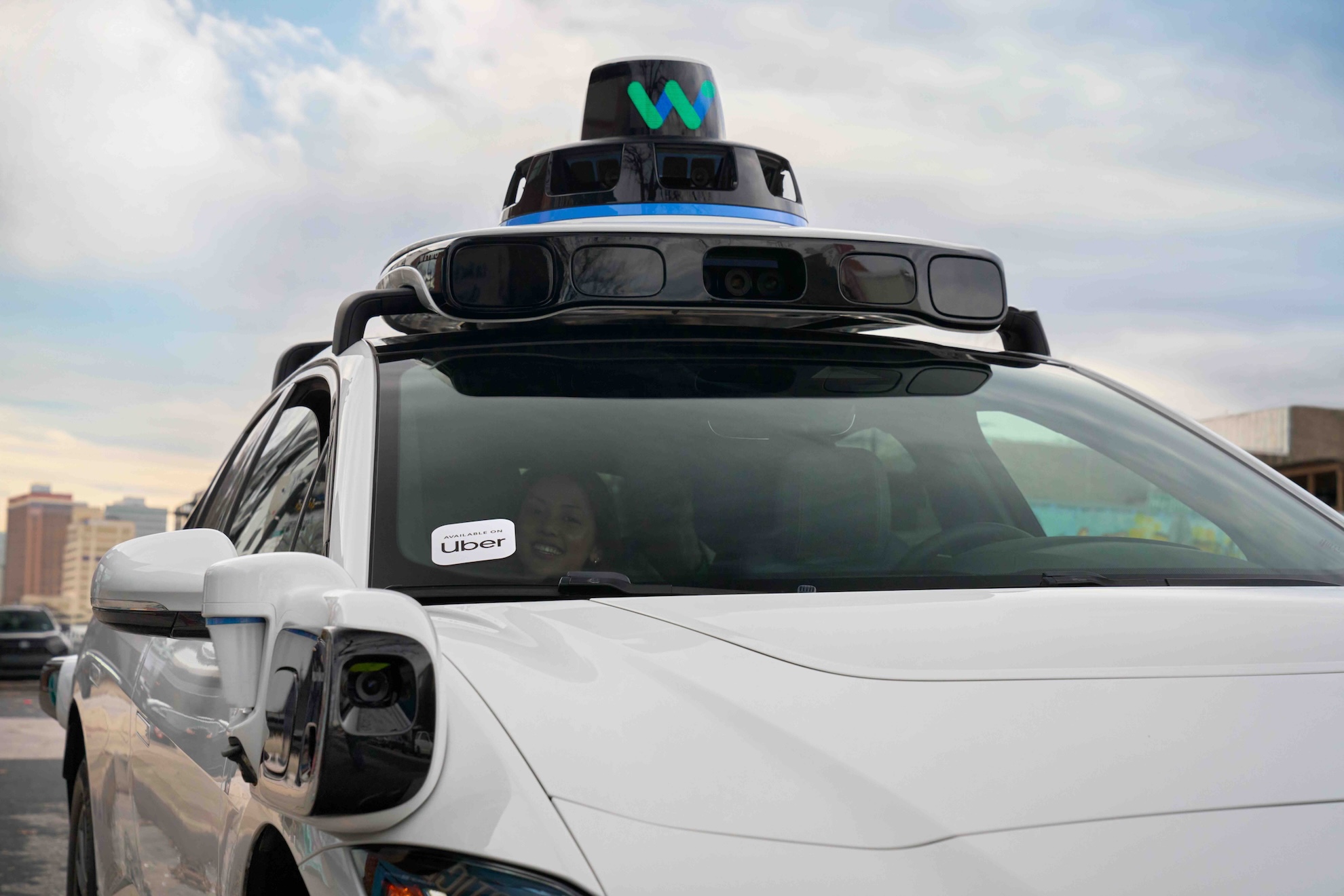
In a significant strategic move, Uber has announced the formation of a new division, "AV Labs," designed to collect invaluable real-world driving data for its extensive network of autonomous vehicle (AV) partners. This initiative marks a pivotal shift for the ride-hailing giant, which, despite having exited its own self-driving car development, remains committed to accelerating the deployment of robotaxi technology through collaborative efforts and the provision of essential resources.
Uber’s Strategic Pivot in Autonomous Mobility
The creation of AV Labs underscores Uber’s renewed approach to the burgeoning, yet challenging, autonomous vehicle sector. Rather than directly competing in the complex and capital-intensive race to build self-driving cars, Uber is now positioning itself as a critical enabler, providing the lifeblood of modern artificial intelligence systems: data. The company currently boasts over 20 partnerships with leading AV developers, including industry stalwarts like Waymo, innovative startups such as Waabi, and traditional automakers like Lucid Motors, all of whom share a common, insatiable demand for diverse, high-quality driving data.
This strategic redirection follows a tumultuous period for Uber in the autonomous space. The company had previously invested heavily in its own self-driving unit, Advanced Technologies Group (ATG), with ambitions of leading the robotaxi revolution. However, those efforts were dramatically curtailed following a fatal accident in 2018 involving an Uber test vehicle in Tempe, Arizona. The incident, which resulted in the death of a pedestrian, sent shockwaves through the industry, prompting a re-evaluation of safety protocols and the technological readiness of autonomous systems. Ultimately, Uber divested ATG in a complex transaction with Aurora in late 2020, effectively stepping back from in-house AV development. The establishment of AV Labs now signals Uber’s return to direct engagement with autonomous technology, albeit in a fundamentally different, supportive capacity.
The Imperative of Real-World Data
The autonomous vehicle industry is undergoing a profound methodological transformation. Early AV development largely relied on rules-based programming, where engineers meticulously coded specific instructions for every conceivable driving scenario. While effective for predictable situations, this approach proved cumbersome and brittle when confronted with the infinite variability and "edge cases" of real-world driving. Today, the dominant paradigm has shifted towards sophisticated artificial intelligence and machine learning models, particularly reinforcement learning, which require vast quantities of real-world data to train, validate, and refine their decision-making algorithms.
For AI systems to navigate safely and efficiently, they must be exposed to an immense spectrum of driving conditions, traffic patterns, weather events, and pedestrian behaviors. While advanced simulation environments can replicate many scenarios, they invariably fall short of capturing the full complexity and unpredictability of actual roads. As Uber’s chief technology officer, Praveen Neppalli Naga, articulated, the autonomous vehicle companies most eager for this data are often those already collecting a substantial amount themselves. This indicates a collective realization that mastering the most extreme and unusual driving situations is fundamentally a "volume game"—the more diverse data an AI system learns from, the more robust and adaptable it becomes.
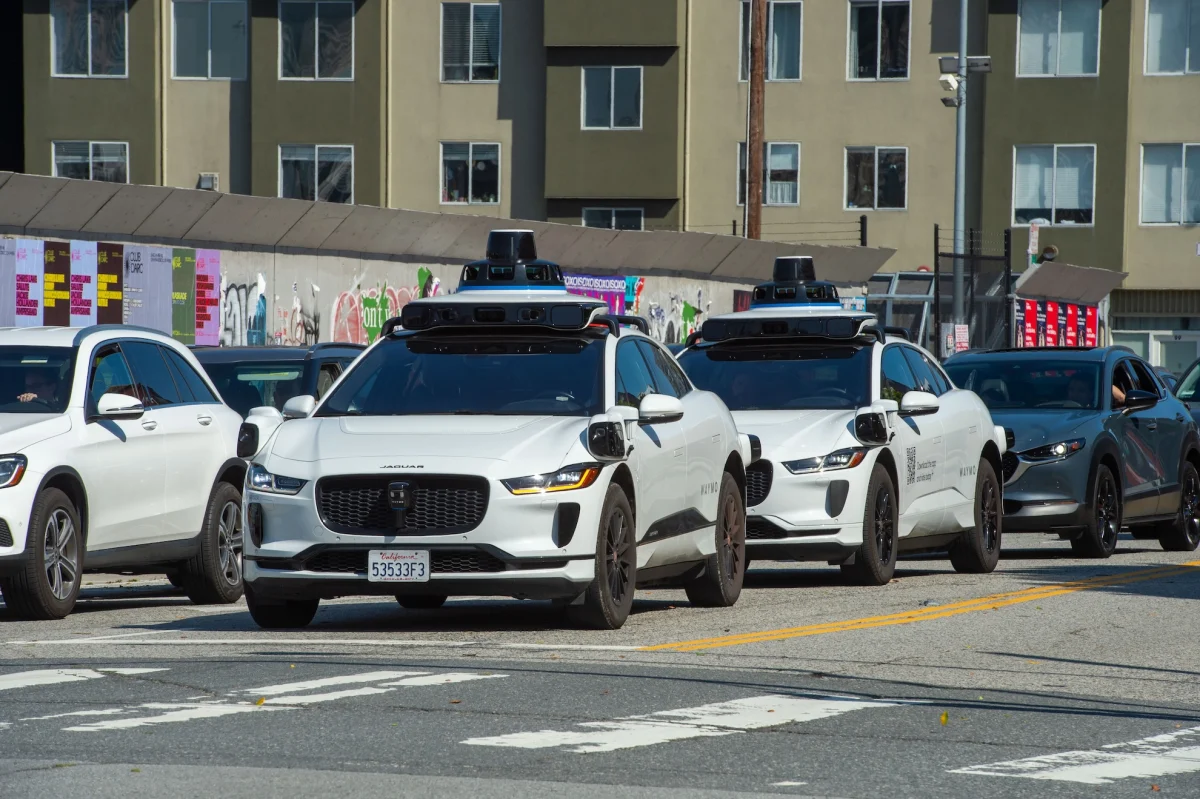
Current autonomous vehicle companies face a significant physical limitation: the size of their test fleets directly dictates the amount of proprietary data they can collect. Even pioneers like Waymo, which has operated autonomous vehicles for over a decade, continue to encounter unexpected challenges. Recent reports, for instance, highlighted instances where Waymo’s robotaxis were observed illegally passing stopped school buses—a critical safety violation that underscores the ongoing difficulty in anticipating and programming for every nuanced scenario, despite extensive testing. Access to a broader, more diverse pool of driving data, as Uber aims to provide, could be instrumental in identifying and resolving such critical issues before or as they emerge, thereby enhancing the safety and reliability of robotaxi operations.
Building the Foundation: AV Labs’ Initial Steps
The initial phase of the AV Labs division is characterized by a lean and agile approach. The team is commencing operations with a single Hyundai Ioniq 5 vehicle, which is being outfitted with a comprehensive suite of sensors, including lidars, radars, and high-resolution cameras. Danny Guo, Uber’s VP of engineering, conveyed a sense of the team’s "scrappiness," humorously noting that they were still physically installing the sensors. While acknowledging that deploying a fleet of hundreds of data-collecting cars will take time, Guo emphasized that the foundational prototype is now in place.
Crucially, Uber’s role extends beyond mere data collection. The raw sensor data gathered by AV Labs will not be directly handed over to partners. Instead, Uber plans to "massage and work on the data to help fit to the partners," according to Naga. This involves developing a "semantic understanding" layer, where raw sensor inputs are processed, categorized, and annotated to provide meaningful insights that AV driving software can readily consume for real-time path planning and decision-making. This value-added processing ensures that partners receive actionable intelligence rather than an overwhelming deluge of unprocessed information.
Furthermore, AV Labs envisions an "interstitial step" where partners’ driving software can be integrated into the AV Labs cars and run in "shadow mode." In this configuration, the autonomous software operates passively in the background, making its own driving decisions, which are then compared against the actions of the human safety driver. Any discrepancies—instances where the AV software would have acted differently from the human—will be flagged and reported to the partner company. This innovative approach not only helps uncover latent shortcomings in the driving software but also aids in training models to emulate human-like driving behavior, which is often perceived as more natural and predictable by other road users.
Data Democratization and Future Vision
A notable aspect of Uber’s strategy is its initial commitment to not charge partners for this valuable data. Praveen Neppalli Naga clarified that Uber’s primary objective is to "democratize this data," asserting that the long-term value derived from advancing partners’ AV technology far outweighs any immediate monetary gain from data sales. This stance aligns with a broader vision to foster the growth of the entire autonomous ecosystem, thereby creating a more robust environment for future mobility services, in which Uber intends to remain a central player. Danny Guo further emphasized this responsibility, stating, "If we don’t do this, we really don’t believe anybody else can… So as someone who can potentially unlock the whole industry and accelerate the whole ecosystem, we believe we have to take on this responsibility right now."
This approach bears a conceptual resemblance to Tesla’s strategy, which has leveraged its vast fleet of customer vehicles to collect billions of miles of real-world driving data for training its Full Self-Driving (FSD) software. However, Uber’s strategy differs in scale and focus. While Tesla benefits from a massive, continuously expanding data stream from millions of cars globally, Uber’s AV Labs intends to pursue a more targeted data collection methodology. With operations in 600 cities worldwide, Uber possesses the unique ability to deploy its data collection vehicles in specific urban environments or regions identified by partners as crucial for their development needs. This targeted approach could provide highly relevant and specialized datasets that might be more challenging for a generalized fleet to acquire.
Looking ahead, Uber aims to rapidly scale AV Labs, with plans to expand the division to "a few hundred people within a year." The long-term vision even contemplates leveraging Uber’s entire ride-hail fleet for data collection, transforming its vast operational footprint into an unparalleled data-gathering network. This ambitious goal underscores the perceived critical importance of real-world data in the race toward fully autonomous vehicles. As Guo noted, partners are essentially asking for "anything that will be helpful," acknowledging that the sheer volume of data Uber can potentially collect far surpasses what any single AV developer can achieve independently.
The Broader Impact on the Autonomous Ecosystem
Uber’s AV Labs initiative carries significant implications for the broader autonomous vehicle market, its social acceptance, and the evolving culture of transportation.
Market Impact: By providing a shared data resource, Uber could potentially accelerate the development timelines for its AV partners. This collaborative model might reduce individual companies’ overhead in data collection, allowing them to focus more resources on algorithm development and vehicle integration. It could also foster greater standardization in data formats and collection methodologies, benefiting the entire industry. However, it also raises questions about data exclusivity and competitive advantages if the data is widely "democratized." The long-term market strategy for Uber could be to solidify its position as the platform of choice for robotaxi deployment, ensuring that as autonomous fleets proliferate, they operate on Uber’s network.
Social and Cultural Impact: The safety of autonomous vehicles remains a paramount concern for the public. The 2018 Uber accident starkly highlighted these anxieties. By enabling AV partners to train their systems with more comprehensive and diverse real-world data, AV Labs could contribute to the development of safer, more reliable robotaxis. This, in turn, could help rebuild public trust and accelerate the societal acceptance of autonomous transportation. Increased safety and efficiency could lead to reduced traffic congestion, fewer accidents, and potentially lower emissions, offering significant societal benefits. Culturally, the rise of robotaxis, supported by robust data, could further shift consumer preferences from private car ownership to on-demand mobility services, fundamentally altering urban planning and personal freedom of movement.
Navigating the Road Ahead
Despite the ambitious vision, the road ahead for AV Labs is not without its challenges. The complexities of collecting, processing, and standardizing vast amounts of diverse driving data for multiple partners are immense. Data privacy concerns, regulatory hurdles for widespread data collection, and the continuous need to ensure data quality and relevance will require ongoing attention. Moreover, while more data is undoubtedly beneficial, the true measure of success will be how effectively this data translates into demonstrably safer and more capable autonomous driving systems.
Uber’s renewed commitment to the autonomous vehicle space, now as a critical data facilitator, represents a pragmatic evolution of its strategy. By leveraging its global operational footprint and extensive network of partners, Uber aims to play a pivotal role in overcoming one of the most significant bottlenecks in AV development: the data imperative. If successful, AV Labs could not only solidify Uber’s future relevance in the mobility landscape but also significantly accelerate the advent of a truly autonomous transportation future.