Amir Mahmud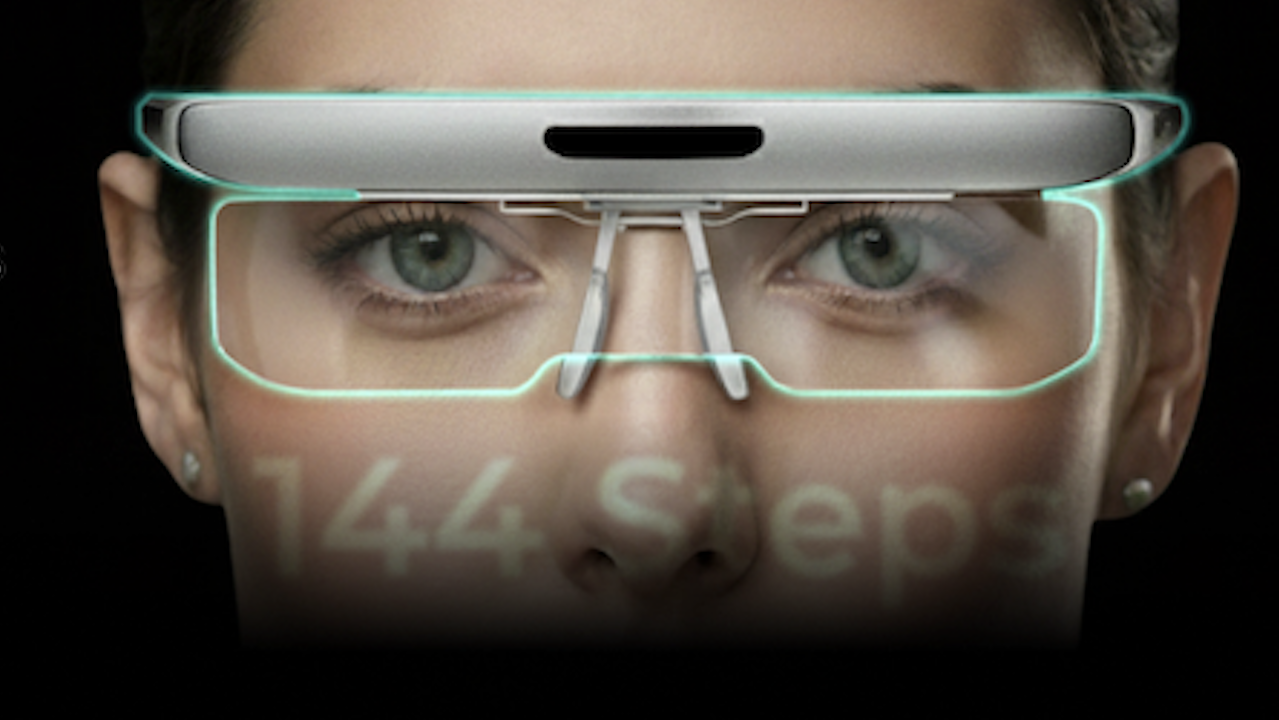
In an era increasingly defined by digital interfaces, a South Korean startup, Edenlux, is poised to introduce its latest visual recovery device, Eyeary, to the United States market, addressing the pervasive challenge of digital eye strain. The company, which specializes in technology aimed at mitigating the effects of screen-heavy lifestyles on eye and ear health, plans to launch Eyeary via Indiegogo around the end of March, marking a significant step in its global expansion strategy.
The Digital Vision Crisis: A Modern Epidemic
The contemporary landscape of daily life is inextricably linked to screens. From smartphones and tablets to laptops and desktop monitors, individuals across the globe dedicate a substantial portion of their waking hours to digital devices. Research indicates that average daily smartphone usage frequently surpasses three hours, with total screen time for many adults escalating to six hours or more. This incessant, close-range exposure to digital displays has been widely implicated in a burgeoning array of ocular health concerns, collectively known as Digital Eye Strain (DES) or Computer Vision Syndrome (CVS). Symptoms commonly reported include dry and irritated eyes, persistent eye fatigue, episodes of blurred vision, tension headaches, and, in some cases, the exacerbation of myopia or nearsightedness.
The roots of this modern epidemic trace back to the rapid evolution of technology over the past few decades. While early personal computers introduced screen time, the advent of the internet, followed by smartphones and tablets, dramatically accelerated digital immersion. The COVID-19 pandemic further intensified this trend, with remote work, online education, and virtual social interactions becoming the norm, cementing screens as indispensable tools rather than mere conveniences. This sustained digital engagement places unprecedented demands on the human visual system, which evolved to process light from a vast, dynamic environment, not to fixate on static, brightly lit rectangles for extended periods. The reduced blink rate associated with screen use, coupled with the constant effort required by the ciliary muscle to maintain focus at close distances, contributes significantly to the discomfort and potential long-term issues experienced by millions.
A Founder’s Personal Journey Fuels Innovation
At the heart of Edenlux’s mission lies a profoundly personal narrative belonging to its founder and CEO, Sungyong Park. A medical doctor by training, Park’s understanding of ocular health underwent a dramatic redefinition following an unexpected medical incident. While serving as a military physician, he received a muscle relaxant injection for severe neck stiffness. This intervention, however, triggered a rare and debilitating side effect: temporary paralysis of the eye muscles responsible for accommodation, or focusing. Faced with a diagnosis that offered little immediate recourse beyond waiting, Park refused to passively accept his condition.
Driven by a physician’s understanding of anatomy and a patient’s desire for recovery, Park embarked on an unconventional path. He imported specialized ophthalmic equipment and meticulously began a self-designed regimen to retrain his compromised eye muscles. Over an extended period, through sheer determination and a scientific approach, his vision gradually returned. This extraordinary experience was not merely a personal triumph; it fundamentally reshaped his perspective on eye health, illuminating the potential for muscular training and rehabilitation in visual recovery. Transitioning from a medical practitioner to an entrepreneur, Dr. Park channeled this firsthand insight into the development of innovative technologies aimed at helping others protect and restore their vision in an increasingly screen-dominated world. His personal adversity thus became the crucible for Edenlux’s pioneering spirit.
Technological Advancements in Visual Recovery
Edenlux’s technological philosophy centers on addressing the root causes of digital eye strain, particularly the fatigue and weakening of the ciliary muscle. This crucial muscle, located within the eye, plays a vital role in adjusting the shape of the lens to enable focusing at varying distances. Prolonged screen use, which often involves sustained focus on close-up objects, keeps the ciliary muscle in a contracted state. Over time, this constant contraction can lead to muscle fatigue and diminished flexibility, contributing to the symptoms of digital eye strain and potentially accelerating presbyopia, the age-related loss of near vision.
The company’s initial offering, Otus, launched in 2022 across South Korea, Singapore, Japan, and Taiwan, quickly established a market presence. This bulkier, VR-style device utilized a sophisticated system of lenses to actively engage and exercise the ciliary muscle through controlled contraction and relaxation cycles. Otus garnered substantial commercial success, generating $10 million in cumulative revenue, validating Edenlux’s core concept. However, the company recognized the potential for refinement and enhanced user experience.
Eyeary represents the evolution of this core technology. Designed for greater user convenience and efficacy, it boasts a significantly more compact and aesthetically pleasing form factor, resembling a pair of conventional eyeglasses. This design leap makes it lighter and more comfortable for daily use. Functionally, Eyeary incorporates a lens system featuring 144 diopter focal points, a substantial upgrade from Otus’s five. This exponential increase in focal point granularity allows for far finer and more precise adjustments, facilitating a more targeted and effective training regimen for the eye muscles. According to Dr. Park, this enhanced precision is expected to accelerate visual recovery, potentially reducing dependence on reading glasses in approximately six months, a notable improvement over the typical 12-month period observed with Otus.
Eyeary seamlessly integrates with a dedicated mobile application via Bluetooth, creating a personalized wellness ecosystem. This connectivity enables the device to collect vital usage data, including information on age, gender, and individual vision profiles, which is then transmitted to Edenlux’s secure servers. Leveraging advanced artificial intelligence algorithms, the company analyzes these comprehensive datasets to predict individual improvement timelines and dynamically customize training programs, ensuring an optimized and responsive user experience. This data-driven approach positions Eyeary not just as a device, but as a smart, adaptive visual health companion.
Beyond Otus and Eyeary, Edenlux is developing a broader suite of products targeting specific sensory conditions. This portfolio includes Tearmore for dry eye relief, Lux-S for strabismus (crossed eyes), Lumia for myopia prevention, and Heary for auditory recovery. While Otus and Eyeary focus on visual recovery, the expansion into dry eye, strabismus, myopia prevention, and even hearing health underscores Edenlux’s ambition to become a holistic sensory wellness provider, particularly for conditions exacerbated by digital lifestyles. These additional products are slated for roll-out initially in Asian markets, demonstrating a phased and strategic approach to global expansion.
Strategic Market Entry and Business Model
Edenlux’s entry into the U.S. market with Eyeary is a calculated strategic move. The United States represents one of the largest and most mature consumer technology markets globally, with a high prevalence of digital device usage and a growing awareness of wellness products. Opting for an Indiegogo launch, rather than immediately seeking additional venture capital, reflects the company’s confidence in its existing financial health, bolstered by significant funding rounds—$39 million in Series A in 2020 and $60 million in Series B in 2022. This crowdfunding approach allows Edenlux to directly engage with early adopters, gather immediate market feedback, and build a community around its product without diluting equity, signaling a robust and self-sufficient operational stance.
Crucially, Edenlux’s products, including Eyeary, are categorized under the U.S. Food and Drug Administration’s (FDA) wellness category. This classification distinguishes them from medical devices, meaning they are marketed for general vision training and overall eye health rather than for diagnosing, treating, or preventing specific diseases. This positioning influences marketing strategies, focusing on enhancing well-being and mitigating the common discomforts associated with digital eye strain, aligning with the broader consumer wellness trend.
In the evolving landscape of wellness technology, Edenlux draws parallels with companies like Oura Ring, which similarly collect human physiological data—such as heart rate and sleep patterns—to provide personalized insights via subscription-based software. While Oura focuses on systemic health metrics, Edenlux carves out a distinct niche in vision and hearing health, addressing sensory well-being. This analytical framework positions Edenlux within a growing segment of smart wearables that empower users with data-driven self-care. The target demographic for Edenlux’s innovations is broad, encompassing virtually all individuals who regularly use smartphones and earphones, aiming to tackle the fundamental issues stemming from excessive digital device usage.
To solidify its presence in the U.S., Edenlux recently established a subsidiary in Dallas, Texas. This move is strategic, enabling localized final assembly of its devices, which can streamline logistics, potentially reduce import complexities, and enhance quality control for the American market. It also signals a long-term commitment to serving U.S. consumers directly. While the company currently maintains in-house development and manufacturing capabilities, it is actively exploring strategic partnerships with major technology firms, such as Apple or Samsung. The integration of Edenlux’s vision-protecting technology directly into smartphones or other widely adopted digital devices could revolutionize eye health, embedding preventative and restorative care seamlessly into daily digital interactions and potentially reaching a far wider audience.
Edenlux’s journey from a founder’s personal struggle to a global wellness innovator underscores a fundamental shift in how technology addresses human health. By combining deep scientific understanding with advanced hardware and intelligent software, Edenlux posits that eye and sensory health in the digital age is far more than a fleeting wellness trend; it represents a critical and rapidly expanding frontier in consumer technology. As societies continue to deepen their reliance on digital platforms, solutions that proactively safeguard and restore sensory well-being will become increasingly indispensable, positioning companies like Edenlux at the vanguard of this vital evolution.