Amir Mahmud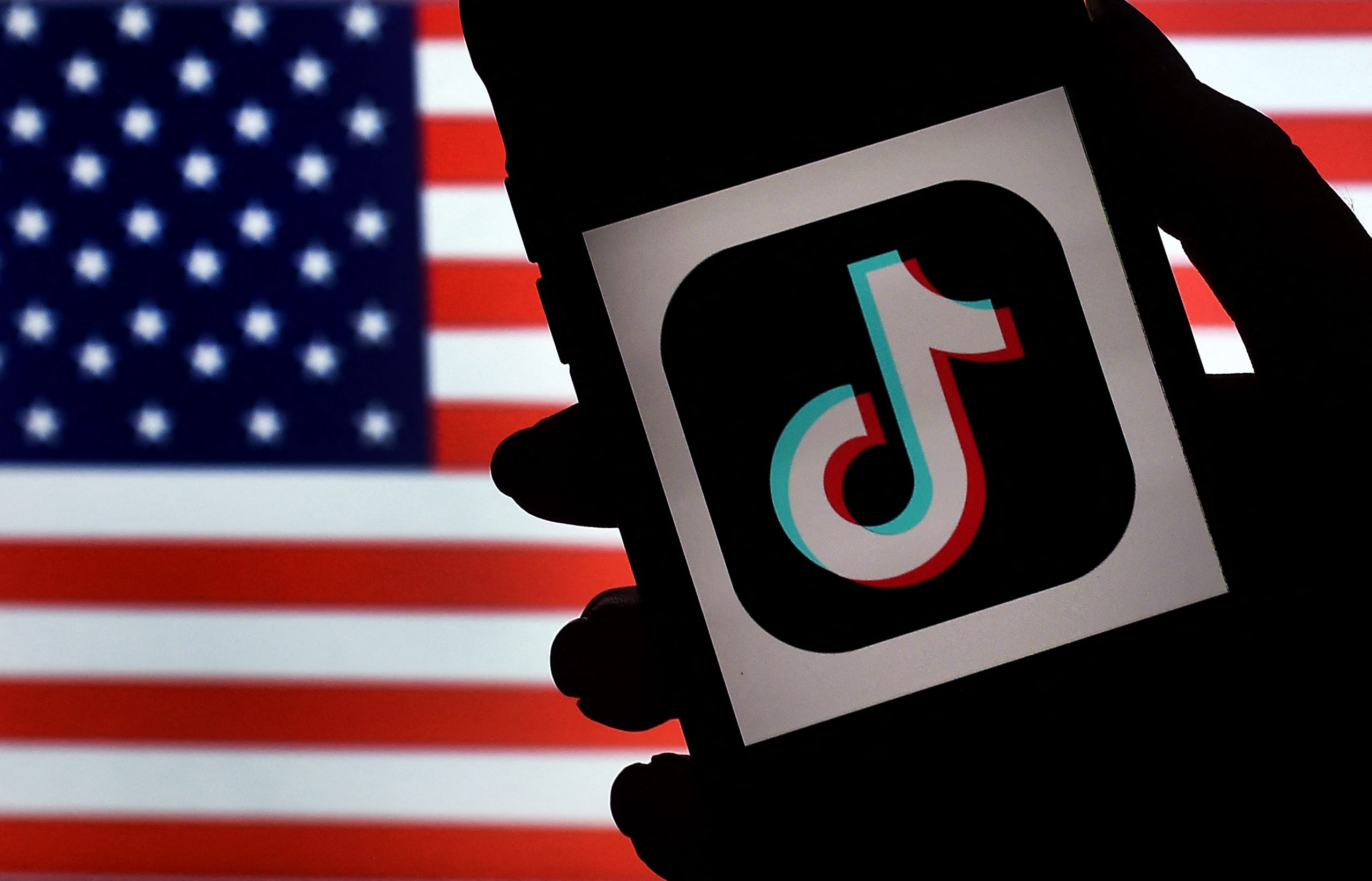
The long-contested future of TikTok in the United States has reached a pivotal resolution with the formal establishment of the TikTok USDS Joint Venture LLC on Thursday, January 22, 2026. This critical development marks the culmination of years of intense scrutiny, geopolitical tensions, and complex negotiations surrounding the popular short-form video platform, which is owned by the Chinese technology giant ByteDance. The new entity, created to comply with a presidential executive order mandating the divestiture of TikTok’s American operations, significantly alters the ownership structure, with ByteDance retaining less than a 20% stake, and the overwhelming majority now held by non-Chinese investors.
A Saga of Geopolitical Concern and Digital Sovereignty
TikTok’s meteoric rise to global prominence, particularly among younger demographics, has been accompanied by persistent national security concerns from the U.S. government. At the heart of the controversy lay fears that the Chinese government could potentially access vast amounts of American user data or influence the content displayed on the platform, leveraging China’s national security laws which compel domestic companies to cooperate with intelligence operations. These apprehensions were not isolated; they emerged within a broader context of escalating technological rivalry and distrust between Washington and Beijing, where other Chinese tech firms like Huawei and WeChat had also faced significant restrictions and bans in the U.S.
The debate surrounding TikTok transcended mere corporate ownership, touching upon fundamental issues of data privacy, national security, economic competitiveness, and even free speech. For millions of American users, estimated at over 200 million, TikTok evolved from a mere entertainment app into a vital communication channel, a powerful marketing tool, and for many creators, a primary source of income. The uncertainty surrounding the app’s status often left this diverse user base in limbo, with creators expressing deep frustration and anxiety over potential disruptions to their livelihoods. A temporary outage in the U.S. in 2025, though quickly resolved, served as a stark reminder of the precariousness of their digital existence, underscoring the high stakes involved in the ongoing political and legal battles.
Navigating the Regulatory Labyrinth: A Timeline of Confrontation
The intricate path to this ownership restructuring traces back several years, marked by a series of executive orders, legislative actions, and legal challenges.
- August 2020: The initial flashpoint occurred when then-President Trump issued an executive order prohibiting transactions with ByteDance, effectively initiating a push to ban TikTok in the U.S. unless its American operations were sold to a domestic entity. This move was predicated on the belief that TikTok posed an unacceptable national security risk.
- September 2020: The Trump administration intensified its efforts, seeking to force a sale of TikTok’s U.S. business. Major American tech players like Microsoft, Oracle, and retail giant Walmart emerged as early contenders in a highly publicized bidding war. However, a U.S. judge intervened, issuing a temporary injunction that blocked the executive order, allowing TikTok to continue operating while legal challenges unfolded. This judicial intervention highlighted the complex interplay between executive power, economic interests, and the legal framework governing technology companies.
- 2021-2023: The issue remained a simmering point of contention during the transition to the Biden administration. While direct bans were not immediately pursued, the Committee on Foreign Investment in the United States (CFIUS), an inter-agency body that reviews foreign investments for national security implications, continued its rigorous examination of TikTok’s operations. Informal negotiations between ByteDance and the U.S. government continued, exploring various mitigation strategies, including the ambitious "Project Texas" proposal, which envisioned routing all U.S. user data through Oracle’s cloud servers in America.
- Early 2024: The legislative landscape shifted dramatically. The U.S. Senate passed a bipartisan bill that would effectively ban TikTok nationwide unless ByteDance divested its U.S. operations. President Joe Biden subsequently signed this bill into law, signaling a unified governmental stance on the issue and setting a firm deadline for a sale.
- May 2024: In response to the legislative mandate, TikTok initiated legal action against the U.S. government, challenging the constitutionality of the ban. The company argued that the law infringed upon the First Amendment rights of its American users and asserted that it consistently complied with all local data laws, denying any security threat posed by its operations.
- Late 2024: In a notable turn, former President Trump, who had initially championed a complete ban, expressed a revised preference for a 50-50 ownership arrangement between ByteDance and a U.S. company. This shift reflected the evolving complexities and potential political ramifications of a full ban, especially given TikTok’s immense popularity among American voters.
- December 2025: After several deadline extensions and intense negotiations, a deal was officially signed. TikTok agreed to divest a significant portion of its U.S. entity to a consortium of American investors. This agreement followed an announcement earlier in 2025 by President Trump, stating that Chinese President Xi Jinping had given his approval for a TikTok deal that would cede control of the platform’s U.S. operations to American hands. ByteDance publicly committed to ensuring the platform’s continued availability to American users, a crucial reassurance for its vast user base.
The New Ownership Landscape: Who Holds the Reins?
The newly formed TikTok USDS Joint Venture LLC represents a significant re-alignment of power and responsibility. While ByteDance retains a minority stake of less than 20%, a substantial 80% of the venture’s ownership now resides with non-Chinese investors.
The primary managing investor group consists of three influential entities, each holding a 15% share of the U.S. operation, totaling 45%:
- Oracle: The technology giant plays a dual role, not only as an investor but also as the designated "trusted security partner." Oracle will be responsible for auditing and ensuring compliance with stringent National Security Terms, leveraging its existing infrastructure as TikTok’s cloud service provider for U.S. user data. Their involvement is critical for establishing a secure data environment.
- Silver Lake: A prominent private equity firm known for its investments in technology, Silver Lake brings significant financial and strategic expertise to the venture.
- MGX: Another investment firm whose participation underscores the broad financial interest in TikTok’s future.
Beyond this managing group, an additional 35% of the venture’s ownership is distributed among other investors, many of whom are existing ByteDance investors. These include the Dell Family Office (Michael Dell’s investment firm), Susquehanna affiliate Vastmere, and Alpha Wave Partners, among others detailed in TikTok’s official press release. This diverse array of investors reflects the substantial financial interest and the strategic importance of TikTok’s U.S. market.
The valuation of TikTok’s U.S. operations in this deal is estimated at approximately $14 billion, a figure also cited by Vice President JD Vance. This valuation reflects the platform’s immense user base and its dominant position in the digital advertising and entertainment landscape, even amid the regulatory pressures.
The TikTok USDS Joint Venture LLC is tasked with overseeing all critical aspects of the app’s operations within the U.S., including data protection, algorithm security, content moderation policies, and software assurance. Oracle’s role as the trusted security partner is particularly vital. A White House official previously indicated that Oracle would replicate and secure a new U.S. version of TikTok’s proprietary algorithm. The U.S.-based TikTok owners would then lease this algorithm from ByteDance, with Oracle undertaking the responsibility of retraining it to operate independently and securely within the U.S. This complex arrangement is designed to ensure that ByteDance will no longer have access to information about TikTok’s U.S. users or any influence over the U.S. algorithm, thereby mitigating the core national security concerns.
Impact on American Users: Continuity Amidst Change
For the 200 million American TikTok users, the immediate impact of this finalized deal remains a subject of considerable interest and some lingering uncertainty. Earlier reports had suggested that users might be required to transition to an entirely new platform, potentially causing significant disruption and user exodus. However, more recent communications have clarified that users will not need to download a new application, ensuring a seamless continuation of their TikTok experience.
The most significant, yet currently unclear, potential change lies in how users’ algorithmic feeds will be impacted. TikTok’s "For You Page" algorithm is renowned for its highly personalized and addictive content delivery. Any fundamental alteration to this algorithm, even with the goal of enhanced security, could potentially shift the user experience. The precise mechanisms through which Oracle will replicate and retrain the algorithm, and how this will manifest in content discovery and user engagement, are details that will likely unfold in the coming months. Users and creators will be closely monitoring these developments, hoping that the changes do not diminish the platform’s core appeal or disrupt the intricate digital ecosystems that have flourished on TikTok.
Market, Social, and Cultural Implications
The resolution of TikTok’s U.S. ownership saga carries profound implications across market, social, and cultural spheres. From a market perspective, securing TikTok’s presence in the U.S. prevents a massive disruption to the digital advertising landscape. Billions of dollars in ad revenue flow through the platform, and its potential ban had sent shivers through marketing departments and small businesses that rely on TikTok for reach and engagement. The deal ensures continuity for these economic stakeholders and maintains a competitive environment against rivals like Meta’s Reels and YouTube Shorts.
Socially and culturally, TikTok has become an undeniable force. It has shaped trends in music, fashion, comedy, and even political discourse. For many, particularly younger generations, it is a primary source of news and entertainment, fostering unique communities and driving viral phenomena. A ban would have created a significant void, potentially forcing users to migrate to less tailored or engaging platforms, or fragmenting digital communities. The deal preserves this vibrant digital ecosystem, allowing the evolution of online culture to continue on a platform that has proven exceptionally adept at capturing the zeitgeist.
For the burgeoning creator economy, the agreement offers a much-needed sense of stability. Thousands of individuals and businesses have built their livelihoods on TikTok, monetizing content through brand partnerships, direct fan engagement, and platform features. The protracted uncertainty had made long-term planning difficult, and a ban would have been catastrophic for many. While algorithmic changes might necessitate adaptation, the fundamental ability to operate remains intact, allowing creators to continue innovating and engaging with their audiences.
Analytical Commentary: A Precedent for Global Tech Governance
The TikTok USDS Joint Venture LLC represents a significant precedent in the complex landscape of global technology governance. It embodies a delicate compromise between national security imperatives, economic interests, and the principles of free market operation. The U.S. government, by pushing for this divestiture, has underscored its willingness to wield significant regulatory power over foreign-owned technology companies deemed to pose national security risks. This could signal a more aggressive stance towards other applications or platforms with ties to adversarial nations, potentially leading to similar calls for data localization, ownership restructuring, or outright bans.
Conversely, ByteDance’s agreement to this structure demonstrates the immense value it places on the American market. The decision to cede majority control, while retaining a minority stake, highlights the strategic importance of not being completely excluded from one of the world’s largest and most influential digital economies. The intricacies of the deal, particularly Oracle’s role in securing data and replicating the algorithm, illustrate the lengths to which governments and corporations are willing to go to mitigate perceived risks without entirely dismantling highly successful platforms.
However, challenges remain. The long-term effectiveness of Oracle’s security protocols and the independence of the U.S. algorithm will be under continuous scrutiny. The geopolitical landscape is dynamic, and future shifts in U.S.-China relations could reignite concerns or prompt further regulatory actions. For now, the establishment of the TikTok USDS Joint Venture LLC closes a contentious chapter, allowing the app to move forward in the U.S. under a new governance model designed to balance innovation with national security. The world will watch to see if this hybrid ownership structure can successfully navigate the ongoing tensions of the digital age.