Amir Mahmud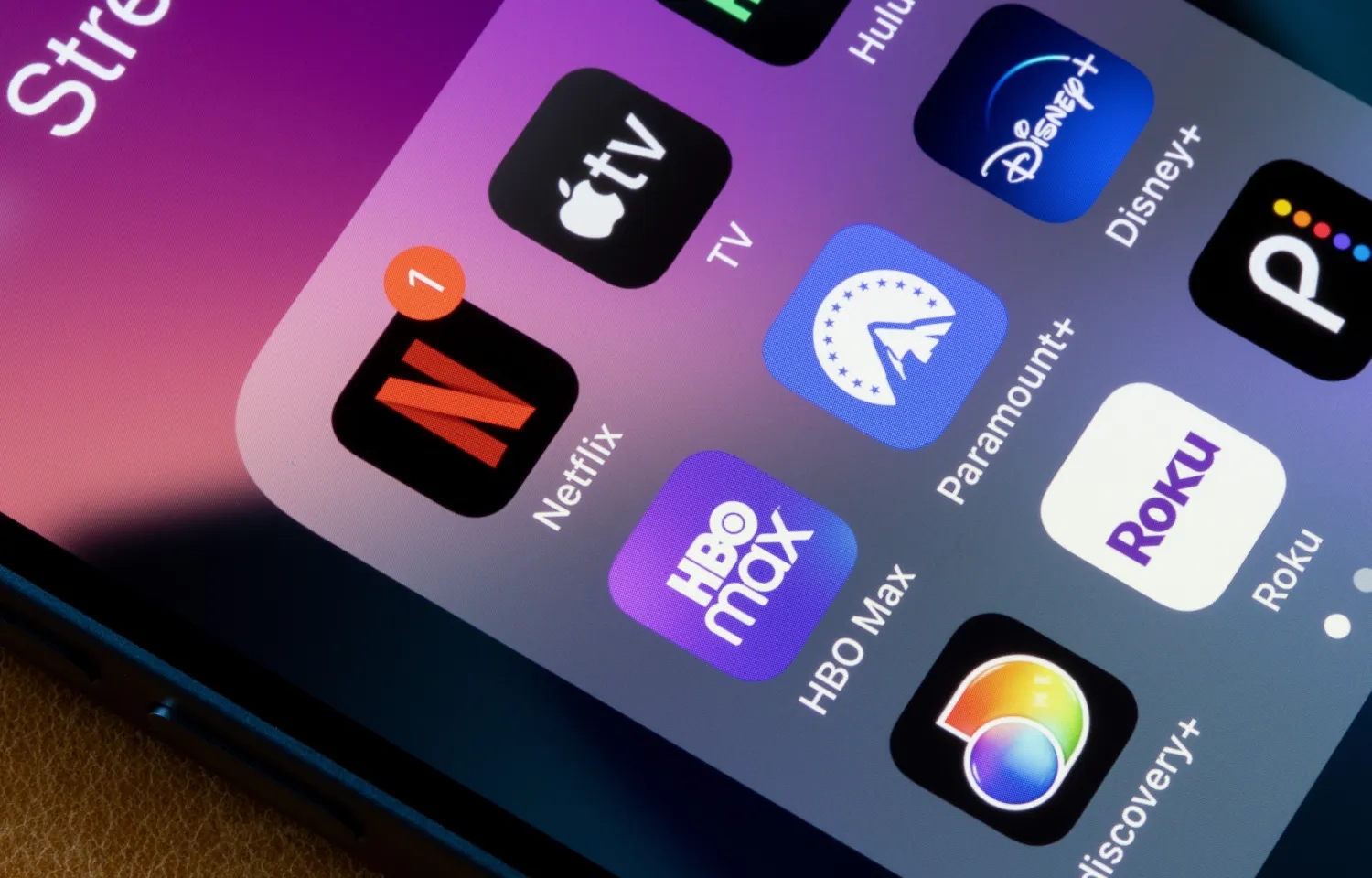
The year 2025 concluded with a seismic event that sent shockwaves through the global entertainment industry: Netflix, already the world’s preeminent streaming platform with over 325 million subscribers, announced its audacious acquisition of key Warner Bros. Discovery (WBD) assets. This monumental deal, valued at an estimated $82.7 billion, encompasses Warner Bros.’ venerable film and television studios, the prestigious HBO and HBO Max streaming services, and a treasure trove of other iconic intellectual properties. Unveiled in early December, the agreement promises to consolidate some of the most celebrated franchises in modern media, including the expansive universes of Game of Thrones, Harry Potter, and DC Comics, all under the expansive umbrella of the streaming titan.
The sheer magnitude of this transaction has captivated and, in many cases, astonished industry observers. Beyond its historic financial valuation, the acquisition is widely anticipated to fundamentally reshape the very fabric of Hollywood and the broader media ecosystem. Analysts and executives alike are grappling with the implications of such a colossal consolidation, pondering its effects on competition, content creation, consumer choice, and the future trajectory of entertainment consumption.
Warner Bros. Discovery’s Strategic Imperative
The genesis of this unprecedented deal traces back to October, when Warner Bros. Discovery initiated a strategic review of potential alternatives to enhance shareholder value, publicly acknowledging unsolicited acquisition interest from several major industry players. This move was not unexpected, as WBD had been navigating a turbulent financial landscape for an extended period. The company found itself burdened by tens of billions of dollars in debt, a legacy primarily inherited from the 2022 merger of WarnerMedia and Discovery Inc. This colossal merger, initially conceived to create a media conglomerate with the scale to rival Disney and Netflix, instead saddled the new entity with a substantial debt load that proved challenging to manage amidst a rapidly evolving market.
Compounding these financial pressures was the relentless decline in traditional cable television viewership, a phenomenon known as "cord-cutting." For decades, cable subscriptions served as a stable revenue stream for media companies, but the rise of direct-to-consumer streaming platforms eroded this base significantly. As linear television audiences dwindled, so did advertising revenues and affiliate fees, exacerbating WBD’s financial strain. The company also faced intense competition in the burgeoning streaming arena, where it was vying for subscribers against well-established players like Netflix and Disney+, as well as emerging contenders. These converging forces ultimately compelled WBD’s leadership to consider drastic strategic changes, including the divestiture of its core entertainment assets to alleviate debt and streamline operations. The decision reflected a broader industry trend where legacy media companies, once dominant through traditional distribution channels, are forced to adapt or risk obsolescence in the digital age.
A High-Stakes Bidding Battle
Once WBD signaled its openness to a sale, a fierce bidding process ensued, drawing interest from several major players eager to acquire a media giant brimming with valuable intellectual property. Early in the negotiations, Paramount Global and Comcast emerged as formidable contenders, each recognizing the immense potential in integrating WBD’s content library and production capabilities into their own portfolios. For a time, Paramount, led by its strategic maneuvering, was widely perceived as the frontrunner, reportedly tabling an offer of approximately $108 billion to acquire the entire Warner Bros. Discovery company.
However, Netflix’s proposal ultimately proved more compelling to WBD’s board. Unlike Paramount’s all-encompassing bid, Netflix’s offer strategically targeted WBD’s film, television, and streaming assets, focusing on the content-producing core rather than the entire sprawling conglomerate. This targeted approach allowed Netflix to sidestep the full weight of WBD’s existing debt, making its proposition financially less burdensome for the remaining WBD entity. Crucially, Netflix further solidified its position by amending its agreement to an all-cash offer, valuing the targeted assets at $27.75 per WBD share, culminating in the $82.7 billion deal. This all-cash structure offered immediate liquidity and financial certainty to WBD shareholders, a significant advantage over bids that might have included stock components or complex financing arrangements.
Despite Netflix emerging as the preferred buyer, the competitive tensions with Paramount persisted. Paramount continued its aggressive pursuit of Warner Bros.’ assets for several months, launching what some characterized as a "hostile" campaign. WBD’s board, however, repeatedly rebuffed Paramount’s revised offers. Their primary concern centered on Paramount’s heavy debt load, arguing that Paramount’s proposal would have encumbered the combined company with an estimated $87 billion in debt. This level of financial leverage was deemed an unacceptable risk by WBD’s leadership, who prioritized a cleaner, less leveraged transaction. The contentious bidding war escalated when Paramount filed a lawsuit seeking more detailed information about the Netflix deal, maintaining that its own offer remained superior and accusing WBD of potentially failing its fiduciary duties to shareholders. This legal maneuver underscored the high stakes and the deep competitive rivalry that characterized the acquisition process.
Navigating Regulatory Gauntlet
Given the unprecedented scale of this acquisition and its potential to dramatically reshape the media landscape, the deal has inevitably attracted intense regulatory scrutiny. This oversight represents a significant hurdle that must be cleared before the transaction can be finalized. Lawmakers, particularly in the United States, are scrutinizing the merger through an antitrust lens, concerned about its potential ramifications for market competition and consumer welfare.
Earlier this week, the gravity of these concerns was highlighted by the announcement that Netflix co-CEO Ted Sarandos is slated to testify before a U.S. Senate committee. This public appearance underscores the seriousness with which legislative bodies are approaching the proposed merger. Previously, in November, prominent lawmakers, including Senators Elizabeth Warren, Bernie Sanders, and Richard Blumenthal, formally expressed their reservations to the Justice Department’s Antitrust Division. Their core argument posits that such a massive consolidation could grant the newly formed media entity excessive market power, potentially leading to increased prices for consumers, reduced innovation, and the stifling of competition across various segments of the entertainment industry, from production to distribution. Historically, major media mergers, such as AT&T’s acquisition of Time Warner or Disney’s integration of 21st Century Fox assets, have faced similar, albeit varied, levels of antitrust review, often resulting in divestitures or specific conditions to ensure market fairness. The current political climate, characterized by a more aggressive stance on corporate consolidation from the Biden administration, further intensifies the regulatory challenge for Netflix and WBD.
Should regulatory bodies ultimately block the acquisition, the agreement stipulates that Netflix would be obligated to pay a substantial $5.8 billion breakup fee. This considerable sum reflects the immense value and strategic importance of the deal, as well as the potential disruption caused by its failure. The fate of Warner Bros.’ assets in such a scenario remains uncertain; it is unclear whether WBD would attempt to remain an independent, albeit debt-laden, entity or if it would revisit previous acquisition proposals from other interested parties.
Industry Echoes and Creative Concerns
The announcement of the Netflix-WBD deal has elicited a largely negative and apprehensive response from various quarters within the entertainment industry. Among the most vocal critics has been the Writers Guild of America (WGA), which has vehemently demanded that regulatory bodies block the merger on antitrust grounds. The WGA, representing thousands of screenwriters, has consistently voiced concerns that such large-scale consolidations centralize power, diminish competition for talent, and ultimately reduce writers’ bargaining power, potentially leading to lower wages and less favorable working conditions.
Beyond the immediate economic concerns for creators, there are widespread anxieties that this acquisition could lead to a narrowing of the types of stories that are told and distributed. Critics fear that a consolidated entity, focused on maximizing shareholder value and leveraging existing blockbuster franchises, might prioritize mainstream, high-yield content over independent, diverse, or niche projects. This could, in turn, squeeze out independent creators and unique voices, diminishing the overall diversity and breadth of content available to audiences. Furthermore, the specter of significant job losses looms large, as mergers often lead to redundancies in various departments, from production to marketing and distribution, as the acquiring company seeks to streamline operations and eliminate overlapping roles.
A particular point of contention and uncertainty for both creators and cinema owners revolves around film release windows. Netflix co-CEO Ted Sarandos has publicly stated that all films currently planned for theatrical release through Warner Bros. will proceed as scheduled in the near term. However, he also hinted at a potential long-term shift, suggesting that release windows may eventually be shortened, with movies making their way to streaming platforms much sooner after their theatrical debut. This prospect deeply concerns movie theater chains, which rely heavily on exclusive theatrical windows to drive attendance and revenue. The ongoing debate over theatrical vs. streaming release strategies has been a defining characteristic of the streaming era, and this acquisition could accelerate the erosion of traditional cinema’s exclusive content access.
The Evolving Subscriber Experience
For the millions of subscribers to Netflix and HBO Max, the immediate implications of this deal are still somewhat nebulous, though executives have offered some initial reassurances. Netflix has indicated that HBO’s operational autonomy will largely remain intact in the short term, implying that HBO Max will continue to function as a distinct streaming service without immediate changes to its content library or user interface. At this nascent stage, the company states it is premature to make definitive announcements regarding potential content bundles or the full integration of the HBO Max application into the Netflix ecosystem.
Regarding pricing, Sarandos has affirmed that no immediate subscription price adjustments are planned during the lengthy regulatory approval period. However, historical precedent suggests that Netflix subscribers should prepare for potential increases once the acquisition is finalized. Netflix has a well-established pattern of periodically raising its subscription rates, typically every year or two, as it invests in new content and expands its global footprint. The integration of such a vast and valuable content library as Warner Bros.’ could provide a strong rationale for future price hikes, as Netflix would undoubtedly seek to monetize its enhanced offerings. The long-term vision for subscribers could involve a single, super-platform combining the best of both worlds, or perhaps a tiered offering with HBO content available as a premium add-on. The outcome will significantly impact the competitive dynamics of the "streaming wars," potentially creating a dominant force that challenges other major players to rethink their strategies.
Anticipating the Final Act
The Netflix-WBD deal is far from a done deal. The intricate process of regulatory approvals, stakeholder votes, and integration planning will unfold over the coming months. A critical step will be the Warner Bros. Discovery stockholder vote, which is currently anticipated to occur around April. Following a successful vote, the transaction is projected to close within 12 to 18 months, assuming all regulatory hurdles are cleared.
However, the ongoing regulatory scrutiny from government bodies like the U.S. Justice Department and potentially international antitrust authorities remains the most significant variable. The outcome of these reviews could shape the final contours of the deal, potentially leading to divestitures of certain assets, behavioral remedies, or even, in an extreme scenario, an outright blocking of the merger. The entertainment world watches with bated breath, as this landmark acquisition holds the power to not only redefine Netflix’s future but also fundamentally alter the landscape of global media for decades to come.