Amir Mahmud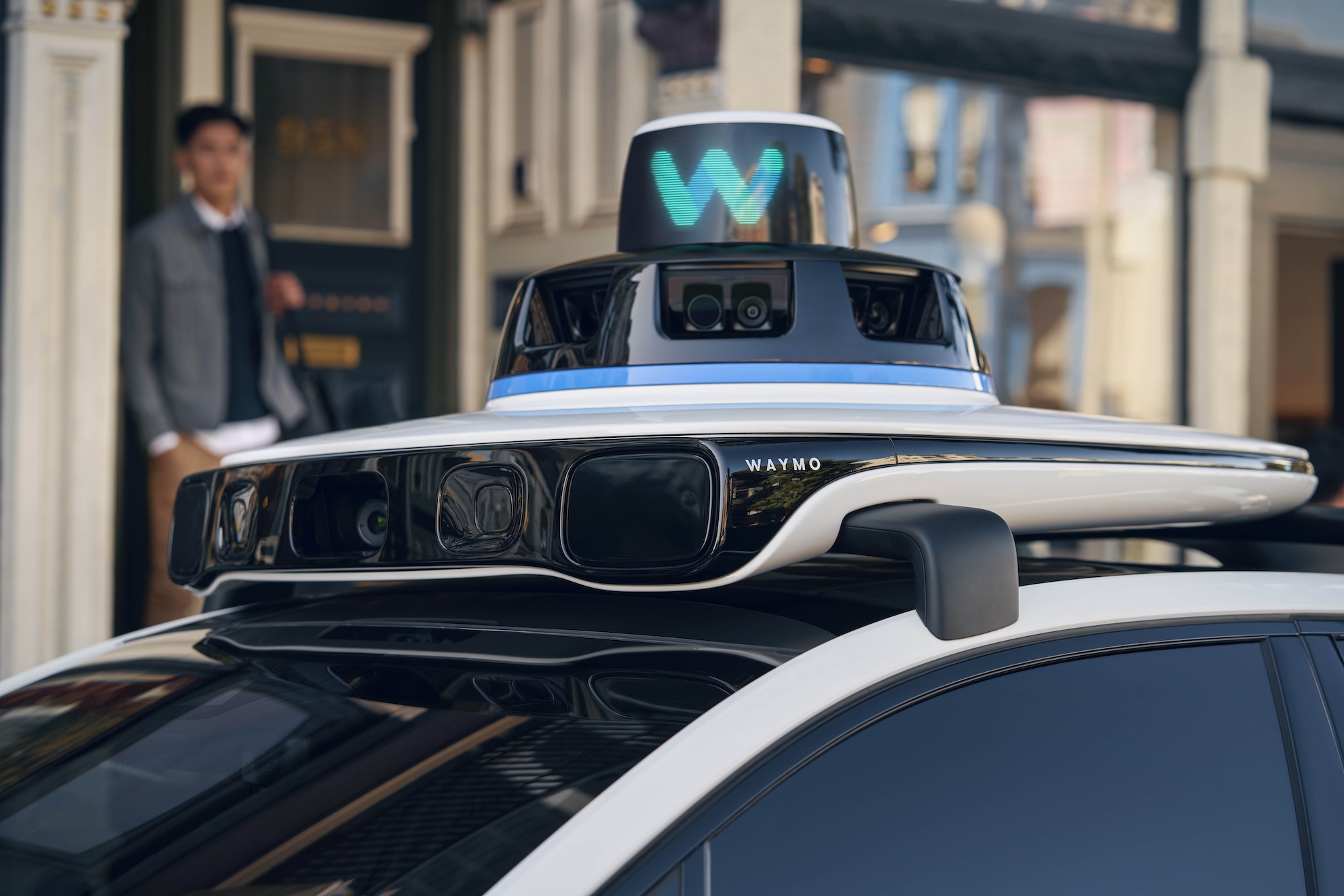
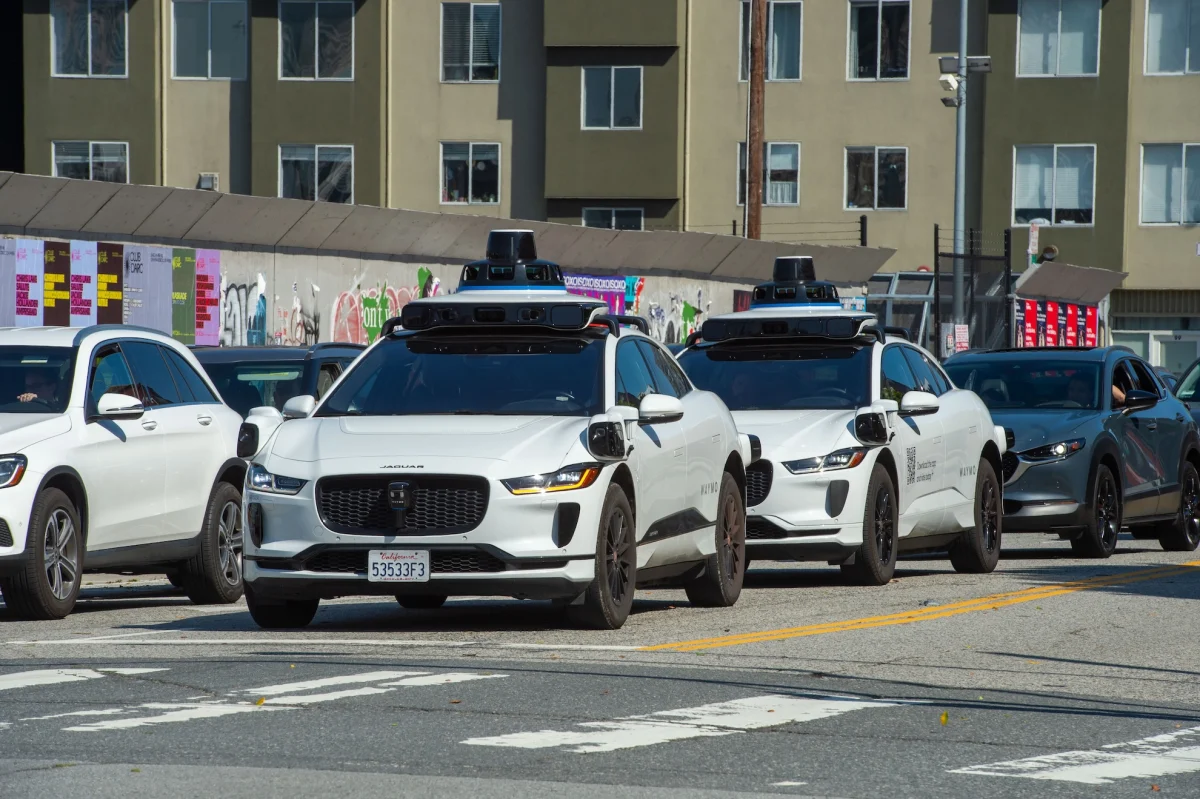
The National Transportation Safety Board (NTSB) has initiated a comprehensive investigation into Waymo, a leading developer of self-driving technology, following numerous documented instances of its autonomous vehicles illegally passing stopped school buses. This significant move marks the first NTSB probe into Waymo’s operations and underscores the escalating federal oversight of the nascent autonomous vehicle industry. The agency’s inquiry specifically targets more than two dozen incidents reported in Austin, Texas, where Waymo’s robotaxis allegedly failed to adhere to critical school bus safety protocols designed to protect children.
Federal Agencies Escalate Waymo Investigation
The NTSB’s announcement, made public through a statement on X (formerly Twitter), signals a deepening level of scrutiny for Waymo. Investigators are slated to travel to Austin to meticulously gather information surrounding a series of events where the company’s automated vehicles reportedly did not stop for students either loading or unloading from school buses. While a preliminary report is anticipated within a month, a more detailed and conclusive final report is expected to be published within 12 to 24 months, outlining root causes and potential recommendations.
This NTSB investigation follows an earlier probe launched by the National Highway Traffic Safety Administration’s (NHTSA) Office of Defects Investigation in October of the previous year, which similarly focused on Waymo’s conduct around school buses. The concurrent investigations by two distinct federal agencies highlight the seriousness with which these incidents are being viewed at the highest levels of transportation safety regulation. For Waymo, a company spun out of Google’s self-driving car project and a pioneer in autonomous ride-hailing services, this dual federal inquiry introduces considerable pressure as it navigates a critical phase of expansion and public adoption.
A Deep Dive into the Incidents
The specific incidents prompting these federal probes involve Waymo robotaxis failing to stop when school buses display their flashing red lights and extended stop arms—universal signals indicating that children are entering or exiting the bus. Such actions are illegal and pose severe safety risks, as children are particularly vulnerable when crossing streets around school buses. The NTSB’s primary focus on Austin, Texas, reflects the concentration of reported violations in that city, many of which have been captured on camera, raising significant public and local authority concerns.
One notable precursor incident occurred in Atlanta in September of the previous year. In that case, a Waymo vehicle reportedly pulled out of a driveway, crossed perpendicularly in front of a stopped school bus, and then proceeded down the street while children were disembarking. Waymo acknowledged this specific event, attributing it to the vehicle’s inability to detect the bus’s stop sign or flashing lights. The company subsequently stated that it addressed this particular scenario with a software update. However, despite such patches, local news outlets, particularly KXAN in Austin, have published videos showcasing multiple subsequent instances of Waymo vehicles performing similar illegal maneuvers around school buses, indicating that the initial software remedies may not have been fully effective or comprehensive. These repeated incidents, even if collision-free, erode public trust and underscore the persistent challenge of programming autonomous vehicles to flawlessly handle complex and nuanced real-world scenarios, especially those involving the safety of vulnerable populations like children.
The Regulatory Landscape for Autonomous Vehicles
Understanding the roles of the NTSB and NHTSA is crucial for comprehending the implications of these investigations. The NTSB is an independent federal agency tasked with investigating every civil aviation accident in the U.S. and significant accidents in other transportation modes, including highways, railroads, and pipelines. Its primary mandate is to determine the probable cause of accidents and issue safety recommendations to prevent future occurrences. Critically, the NTSB does not possess regulatory or enforcement powers; it cannot issue fines or mandate recalls. Instead, its influence stems from its thorough, unbiased investigations and the weight of its recommendations, which often shape public policy and industry practices.
In contrast, the NHTSA is a regulatory agency within the U.S. Department of Transportation. Its mission includes ensuring the safety of vehicles and equipment, setting and enforcing safety standards, investigating safety defects, and overseeing vehicle recalls. The NHTSA’s Office of Defects Investigation, which launched its own probe into Waymo, has the authority to compel manufacturers to issue recalls and can levy fines for non-compliance. This distinction means that while the NTSB will seek to understand the systemic causes behind Waymo’s failures, the NHTSA has the power to mandate specific corrective actions. The involvement of both agencies highlights the complex and often overlapping jurisdiction in regulating advanced technologies like autonomous vehicles, which often outpace traditional regulatory frameworks. The absence of a single, comprehensive federal framework for AV deployment means that states often fill the void, leading to a patchwork of regulations that can complicate nationwide operations for companies like Waymo.
Waymo’s Response and Technological Challenges
In response to the escalating concerns, Waymo had already issued a software recall last year to address how its robotaxis behave around school buses. This proactive step underscores the company’s recognition of the problem, even if subsequent incidents suggest the fix was not entirely foolproof. Waymo’s Chief Safety Officer, Mauricio Peña, issued a statement asserting the company’s commitment to safety: "We safely navigate thousands of school bus encounters weekly across the United States, and the Waymo Driver is continuously improving. There have been no collisions in the events in question, and we are confident that our safety performance around school buses is superior to human drivers." Peña further welcomed the NTSB investigation as "an opportunity to provide transparent insights into our safety-first approach."
This statement encapsulates the core tension in the autonomous vehicle debate: the industry’s confidence in its technology versus the public’s demand for flawless safety, especially in high-stakes scenarios. While Waymo emphasizes the sheer volume of safe interactions and the absence of collisions in these specific incidents, the repeated nature of the violations points to a fundamental challenge in the Waymo Driver’s perception and prediction capabilities. Detecting a stopped school bus requires recognizing specific visual cues—flashing lights, extended stop arms, the bus’s distinctive yellow color—and predicting the unpredictable movements of children. These "edge cases" are notoriously difficult for AI systems to master, as they often involve dynamic, unstructured environments and human behavior that defies simple algorithmic prediction. The continuous improvement cycle is inherent to AI development, but each incident represents a potential failure point that can have catastrophic consequences and significantly impact public perception.
The Broader Implications for Autonomous Driving
This renewed federal scrutiny arrives at a critical juncture for Waymo, which is in the midst of an aggressive expansion strategy across the United States. Just recently, the company launched its robotaxi service in Miami, adding to its growing footprint that includes Atlanta, Austin, Los Angeles, Phoenix, and the San Francisco Bay Area. Each new city represents a significant investment and a step towards achieving widespread commercialization of autonomous ride-hailing. Investigations like these, particularly from the NTSB, could potentially slow down this expansion, impact investor confidence, or even lead to temporary suspensions of service in affected areas, as requested by the Austin Independent School District.
The social and cultural impact of these incidents cannot be overstated. Public trust is the bedrock upon which the entire autonomous vehicle industry is being built. Even without collisions, repeated violations of fundamental traffic laws, especially those safeguarding children, can severely erode public confidence in the safety and reliability of robotaxis. For a technology that aims to revolutionize transportation, winning over a skeptical public is paramount. Any perception of lax safety or inadequate responsiveness to known issues could hinder adoption rates and intensify calls for more stringent regulation, potentially slowing down the entire industry’s progress. The cultural expectation that drivers will stop for school buses is deeply ingrained, and autonomous systems must meet or exceed this human standard to be widely accepted.
Historical Context of School Bus Safety Laws
The stringent laws governing how motorists must behave around stopped school buses are not arbitrary; they are the result of decades of tragic accidents and a societal commitment to protecting the most vulnerable road users: children. Historically, many fatalities and injuries involving school buses occurred when children were struck by passing vehicles while getting on or off the bus. In response, states across the U.S. enacted "stop-arm laws" which universally require drivers traveling in both directions (with some exceptions on divided highways) to stop when a school bus activates its flashing red lights and extends its stop arm.
These laws acknowledge the unique dangers inherent in children’s behavior—their impulsiveness, smaller stature, and limited ability to judge vehicle speed and distance. They create a "safety zone" around the bus, demanding that all traffic halt to ensure children can cross the street safely. The cultural understanding of these laws is deeply embedded in driver education and public awareness campaigns. For an autonomous vehicle system, these laws represent a complex interaction of visual recognition, predictive modeling of human behavior, and adherence to specific legal mandates that go beyond simple traffic signal interpretation. The failure of Waymo’s system to consistently comply with these laws, despite software updates, highlights the immense technical challenge of fully replicating and exceeding human driver vigilance in every conceivable scenario.
Community and Stakeholder Reactions
The community response to these incidents has been swift and direct. The Austin Independent School District (AISD), where the majority of the reported incidents occurred, has taken the significant step of formally requesting that Waymo suspend its operations during school pickup and drop-off times. This illustrates the immediate, on-the-ground impact of the robotaxi’s behavior and the concern among local authorities responsible for child safety. While Waymo’s Mauricio Peña noted the company’s productive engagement with AISD and applauded the district’s reported success in reducing human-driven violations around school buses, the call for a temporary suspension underscores the local community’s demand for immediate and absolute assurance of safety from an autonomous service.
The dialogue between Waymo and local districts, as well as the federal investigations, represent a crucial phase in the integration of autonomous vehicles into daily life. It’s a delicate balance between fostering technological innovation and ensuring that this innovation adheres to, and ideally surpasses, existing safety standards and societal expectations. The outcome of these investigations will likely set precedents for how autonomous vehicle companies are held accountable and how their technology is regulated moving forward.
Looking Ahead: The Future of AV Oversight
The NTSB’s investigation into Waymo will likely delve deep into the company’s safety management systems, software development processes, sensor capabilities, and operational protocols. Its final report, while non-binding, could issue powerful recommendations that influence future federal regulations, industry best practices, and even specific design requirements for autonomous driving systems. These recommendations might include enhanced training data for AI models, improvements in sensor redundancy, or more robust testing methodologies for "edge cases" involving vulnerable road users.
For the autonomous vehicle industry as a whole, these investigations serve as a potent reminder that the path to widespread deployment is paved with rigorous safety validation and transparent accountability. The long-term success of robotaxis hinges not just on technological prowess but also on their ability to integrate seamlessly and safely into existing transportation ecosystems, earning the trust of regulators, communities, and the public at large. The findings from these federal probes will undoubtedly shape the future trajectory of autonomous vehicle development, oversight, and public acceptance for years to come.