Amir Mahmud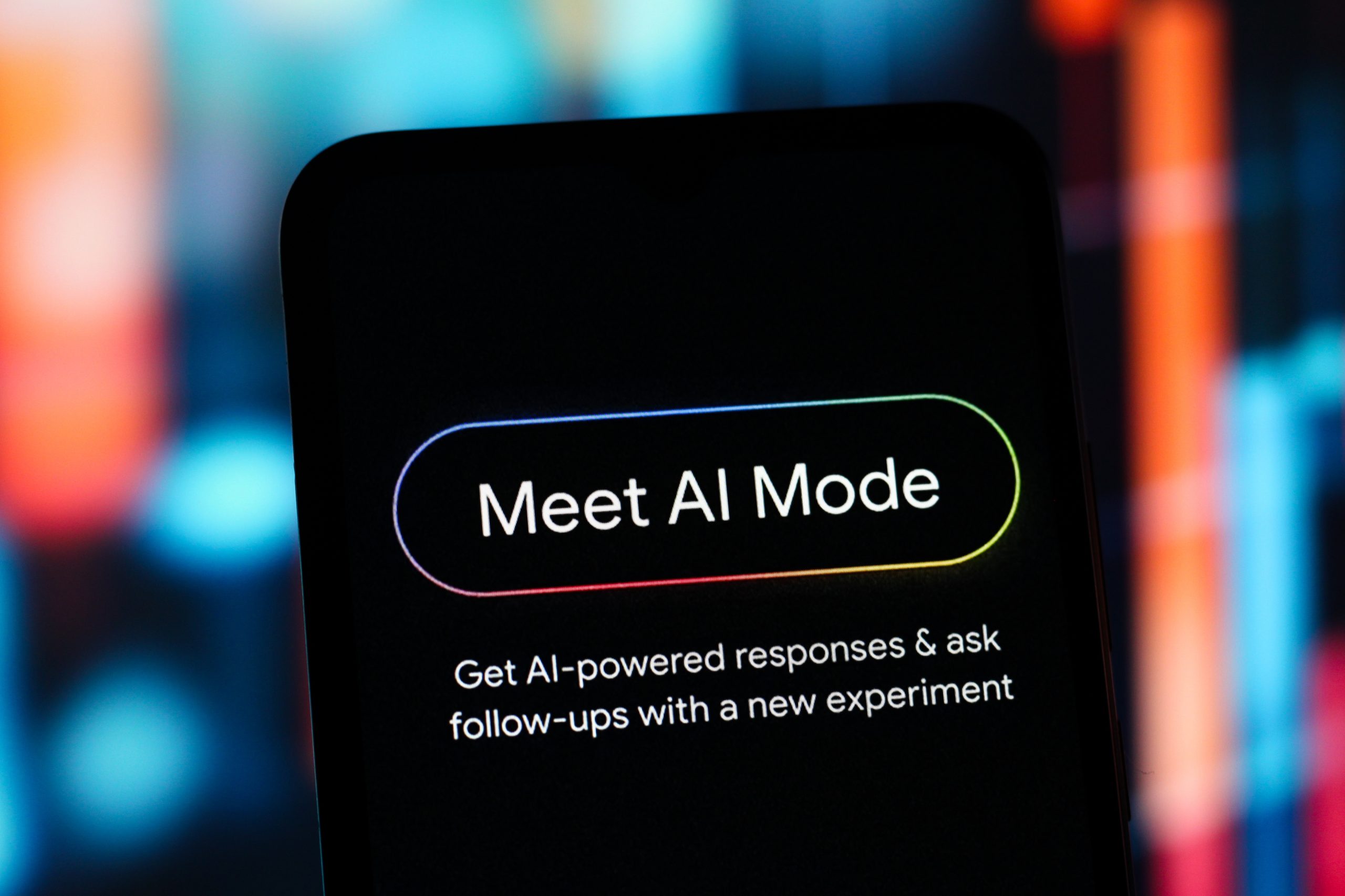
Google is significantly advancing its artificial intelligence capabilities by embedding "Personal Intelligence" directly into its AI Mode, a conversational search feature. This innovative enhancement enables the AI to access and leverage information from a user’s Gmail and Google Photos, allowing it to generate highly individualized and contextually relevant responses. The move, initially introduced within the Gemini app and now expanding to AI Mode for Google AI Pro and AI Ultra subscribers in the U.S., marks a pivotal moment in the evolution of personalized digital assistance.
The Evolution of Personal Intelligence
The concept of Personal Intelligence first surfaced last week within Google’s Gemini application, laying the groundwork for an AI assistant capable of tailoring interactions by drawing from a user’s broader Google ecosystem. This initial rollout connected Gemini to Gmail, Photos, Search history, and YouTube viewing patterns. The subsequent integration into AI Mode for search signifies a broader strategic push by Google to infuse its core services with a deeper, more contextual understanding of individual users. This opt-in feature represents a deliberate design choice, emphasizing user control over the extent of data sharing with the AI.
For years, the promise of a truly smart digital assistant—one that anticipates needs and understands context without explicit instruction—has been a holy grail for tech companies. Early iterations of AI assistants, like Apple’s Siri, Amazon’s Alexa, and Google Assistant, primarily functioned as command-and-response interfaces, relying on pre-programmed scripts or general web searches. While useful for simple tasks, their ability to integrate personal context for complex queries was limited. The introduction of Personal Intelligence represents a significant leap from these rudimentary systems towards a more sophisticated, "aware" AI, aiming to bridge the gap between generic information retrieval and personalized problem-solving.
Unlocking Hyper-Personalized Experiences
The practical applications of this enriched AI Mode are far-reaching, transforming how users interact with their digital information. Imagine planning a family vacation; instead of receiving a generic list of tourist attractions, the AI Mode can now consult your hotel booking confirmation in Gmail to understand your destination and dates. Simultaneously, it can scan your Google Photos for past travel memories, identifying preferences such as a fondness for historical sites, adventurous activities, or perhaps a recurring theme of "ice cream selfies." With this context, the AI could then suggest a tailored itinerary, including a visit to an old-timey ice cream parlor that aligns with your family’s past enjoyment, moving beyond simple recommendations to a truly bespoke planning experience.
Robby Stein, VP of Product for Google Search, highlighted this shift in a recent blog post, stating, "With Personal Intelligence, recommendations don’t just match your interests – they fit seamlessly into your life. You don’t have to constantly explain your preferences or existing plans; it selects recommendations just for you, right from the start." This emphasis on seamless integration and proactive understanding underscores Google’s ambition to create an AI that acts as a genuine personal assistant rather than a mere information aggregator.
Another compelling use case involves shopping. If a user needs a new coat for an upcoming trip, the AI Mode could leverage flight confirmations in Gmail to determine the destination (e.g., Chicago) and timing (e.g., March), then cross-reference this with past purchasing habits or preferred brands stored implicitly across the Google ecosystem. The result would be suggestions for windproof, versatile coats appropriate for Chicago’s March weather, aligning with the user’s style preferences. This level of personalized shopping guidance effectively transforms the AI into a virtual personal shopper, intimately familiar with one’s itinerary and aesthetic inclinations. Beyond practical tasks, the AI can also facilitate creative and sentimental requests, such as generating a personalized scavenger hunt for a partner’s anniversary, incorporating hints drawn from shared memories stored in photos or emails, or offering decor ideas for a child’s bedroom based on themes gleaned from their digital footprint.
Technical Underpinnings and Data Privacy
A critical distinction Google emphasizes is the method by which Personal Intelligence interacts with private user data. The company clarifies that AI Mode does not directly train on the contents of a user’s Gmail inbox or Google Photos library. Instead, the AI trains on specific user prompts and the model’s responses to those prompts. When a user opts in and asks a question that requires personal context, the AI queries specific, relevant pieces of information from Gmail or Photos in real-time to formulate a response. This process is akin to the AI "looking up" information when requested, rather than ingesting and permanently learning from the entire dataset. This subtle but crucial technical nuance aims to address potential privacy concerns, reassuring users that their entire personal archives are not being absorbed into the AI’s foundational training model.
Furthermore, Google’s "opt-in" approach is a cornerstone of its privacy strategy for this feature. Users retain explicit control, able to enable or disable Personal Intelligence at any time. This mechanism acknowledges the varying levels of comfort users have with AI accessing personal data, providing a crucial safeguard in an increasingly data-driven world. The company likely employs robust security measures, including encryption and strict access protocols, to protect the integrity and confidentiality of user data when it is accessed by the AI.
Historical Context: Google’s Journey with Personalization
Google’s foray into deep personalization is not new, but it has evolved significantly over time. The company’s origins lie in organizing the world’s information, and from its earliest days, Google Search aimed to deliver relevant results. Initial personalization efforts involved simple search history tracking and location-based results. The introduction of services like Google Now, in the early 2010s, was a significant precursor, offering proactive information cards based on calendar events, flight details from Gmail, and location. Google Assistant further integrated these capabilities, aiming to be a universal helper across devices.
However, these earlier iterations often felt like disjointed services rather than a cohesive, intelligent entity. The advent of large language models (LLMs) and generative AI has provided the technological leap necessary to weave these disparate data points into a truly conversational and context-aware experience. Google’s development of models like LaMDA and, more recently, Gemini, has been instrumental in this progression, enabling the AI to understand natural language queries and synthesize information in a human-like manner. This current integration of Personal Intelligence into AI Mode represents the culmination of years of research and development in AI, natural language processing, and data integration, aiming to fulfill the long-held vision of an intelligent agent deeply embedded in a user’s digital life.
Market Implications and Competitive Dynamics
This enhancement positions Google favorably in the fiercely competitive artificial intelligence landscape. While rivals like Microsoft with Copilot and OpenAI’s ChatGPT offer powerful generative AI capabilities, Google’s unique advantage lies in its expansive ecosystem of user data. Services like Gmail, Google Photos, Google Drive, Calendar, and Maps are deeply embedded in the daily lives of billions. By securely and ethically leveraging this existing wealth of information, Google can deliver personalized AI experiences that competing platforms, lacking such extensive first-party data, cannot easily replicate.
This move intensifies the "AI assistant wars," pushing competitors to find their own pathways to personalization. Microsoft’s Copilot integrates with Office 365, offering a similar advantage within a productivity suite. However, Google’s consumer-centric data ecosystem provides a different, broader canvas for personalization. The race is on to build not just powerful AIs, but contextual AIs that understand and adapt to individual users’ specific needs and preferences. This also underscores the strategic value of "walled gardens" in the age of AI, where control over a comprehensive suite of services and the associated user data becomes a critical differentiator.
Societal and Cultural Impact: The Privacy Paradox
The integration of personal data into AI systems presents a classic "privacy paradox." On one hand, the benefits of such personalization are clear: unparalleled convenience, increased efficiency, and a truly bespoke digital experience that understands and anticipates user needs. Imagine an AI that helps you plan your day, proactively suggesting routes based on traffic and calendar appointments, reminding you of a friend’s birthday based on past interactions, or helping you rediscover forgotten memories through intelligently curated photo albums.
On the other hand, the cultural and societal implications surrounding data privacy and algorithmic transparency are profound. The idea of an AI delving into personal emails and photos, even with explicit consent, raises legitimate concerns about surveillance, data security, and the potential for algorithmic bias. While Google emphasizes the opt-in nature and the technical distinction of not directly training on data, the perception of an AI "seeing" personal information can be unsettling for many. There’s a fine line between helpful anticipation and intrusive overreach.
This development will undoubtedly fuel ongoing debates about data ownership, user agency, and the ethical boundaries of AI. Users must weigh the benefits of hyper-personalization against their comfort level with sharing intimate digital footprints. The industry, regulators, and consumer advocates will continue to scrutinize how companies manage and utilize such sensitive data, pushing for greater transparency, robust security, and clear user controls. The success of Personal Intelligence will hinge not just on its technological prowess, but on Google’s ability to build and maintain user trust in an era of heightened data awareness.
The Road Ahead: Towards Ambient Intelligence
Looking forward, this integration into AI Mode is likely just one step in Google’s long-term vision for ambient intelligence—a future where AI is seamlessly integrated into every aspect of our lives, anticipating needs and assisting proactively across various devices and contexts. Further integrations could include Google Calendar for advanced scheduling, Google Drive for document retrieval, and Google Maps for even more precise location-based assistance. The ultimate goal is an AI that feels less like a tool and more like an extension of oneself, understanding unspoken cues and providing assistance before it’s explicitly requested.
However, the journey towards truly ambient and hyper-personalized AI is fraught with challenges, primarily navigating the delicate balance between utility and user autonomy. As AI systems become more deeply embedded in our personal data, the need for robust ethical frameworks, transparent data practices, and unwavering user control becomes paramount. Google’s Personal Intelligence is a significant stride in this direction, promising a future of unprecedented digital assistance, but one that demands careful consideration of its broader societal implications. It represents a bold move to leverage Google’s ecosystem advantage, pushing the boundaries of what a personal AI assistant can achieve, while simultaneously inviting crucial conversations about privacy in an increasingly intelligent world.