Amir Mahmud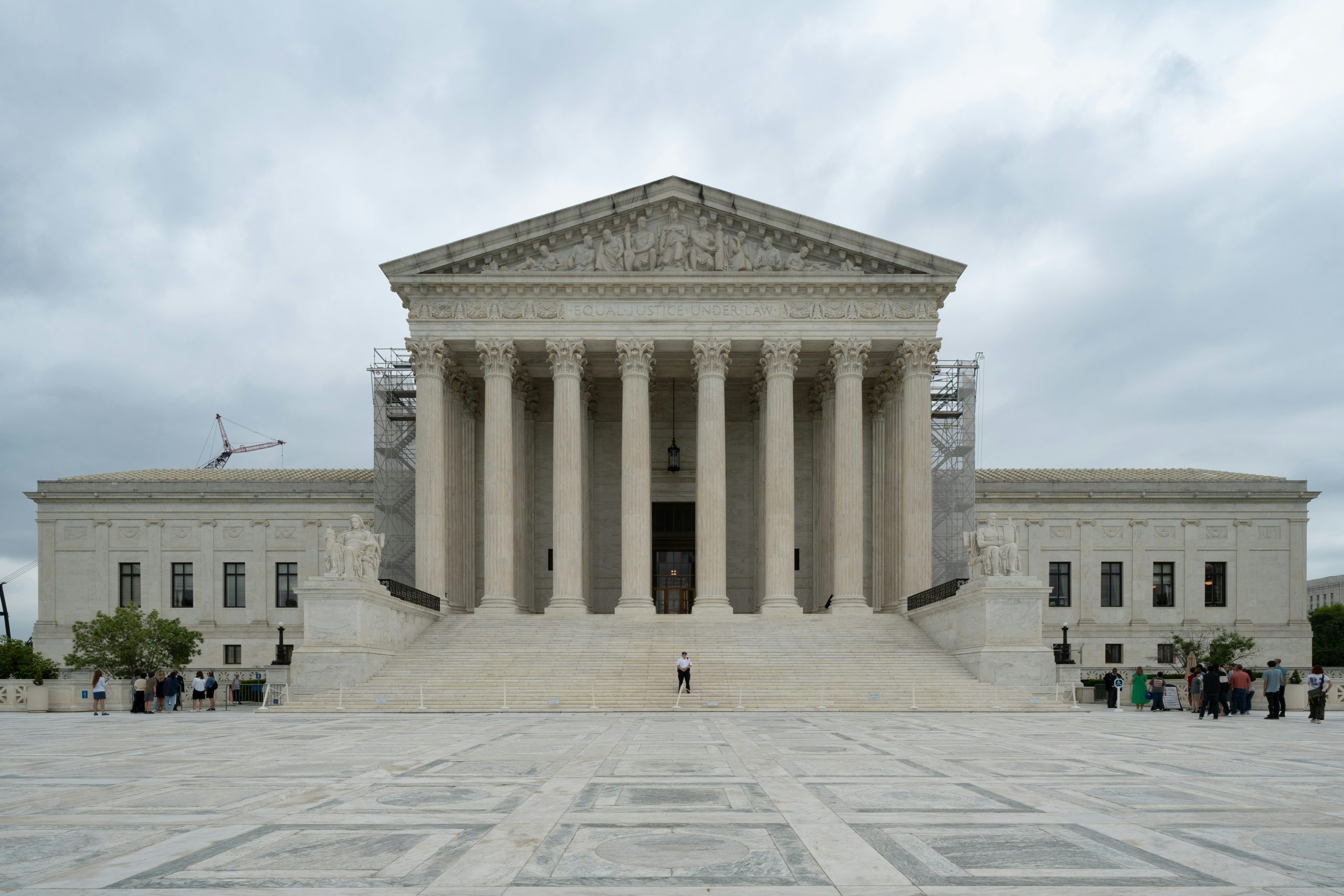
A comprehensive court document recently unsealed has cast a revealing light on the extent of a young hacker’s digital intrusions into sensitive U.S. government systems, detailing how stolen personal data from multiple federal agencies was brazenly flaunted on a public social media platform. Nicholas Moore, a 24-year-old resident of Springfield, Tennessee, who previously pleaded guilty to repeatedly compromising the U.S. Supreme Court’s electronic document filing system, is now known to have also breached the networks of AmeriCorps and the Department of Veterans Affairs. The specifics of these sophisticated cyberattacks, and Moore’s unusual method of publicizing his illicit gains, underscore the persistent vulnerabilities within critical government infrastructure and the evolving landscape of cybercrime.
Moore’s admissions of guilt had initially lacked granular detail, leaving observers to speculate about the nature and scope of his activities. However, a newly filed document, first brought to public attention by Court Watch’s Seamus Hughes, provided a stark narrative of the breaches. It detailed how Moore leveraged stolen credentials to gain unauthorized access, subsequently exfiltrating sensitive personal data from federal employees and affiliates. The most striking revelation was his use of an Instagram account, @ihackthegovernment, as a digital trophy case, where he publicly posted fragments of the stolen information, an act that not only amplified the severity of the breaches but also provided a clear trail for investigators.
The Evolving Threat Landscape: A Context for Government Cyberattacks
The digital age has ushered in an era where data is both a valuable asset and a significant liability. Government agencies, by their very nature, house vast troves of highly sensitive information, ranging from national security secrets to the personal details of millions of citizens and employees. This makes them prime targets for a diverse array of cyber adversaries, including nation-state actors, organized crime syndicates, and individual hackers seeking notoriety or financial gain.
The history of cyberattacks against U.S. government entities is long and varied. Notable incidents, such as the 2015 Office of Personnel Management (OPM) data breach, which compromised the personal information of over 21.5 million federal employees, retirees, and contractors, serve as stark reminders of the potential for large-scale damage. While the OPM breach was attributed to a state-sponsored actor, Moore’s case highlights that even individual actors, driven by motives that appear to include a desire for public recognition, can inflict significant harm. The sheer volume and sensitivity of data held by government bodies mean that even seemingly minor vulnerabilities can have cascading effects, leading to widespread identity theft, financial fraud, and erosion of public trust.
Cybersecurity experts frequently emphasize that credential theft remains one of the most common and effective initial access vectors for malicious actors. Whether through sophisticated phishing campaigns, brute-force attacks, or purchasing stolen credentials on dark web marketplaces, gaining access to legitimate user accounts often bypasses more robust perimeter defenses. Once inside, attackers can then move laterally within networks, escalate privileges, and ultimately access and exfiltrate sensitive data, as appears to have been the case with Moore’s operations.
Anatomy of the Breaches: Targeting Critical Federal Systems
Moore’s method involved using pre-existing stolen credentials, a tactic that bypasses many conventional security measures designed to thwart external attacks. This suggests that the initial compromise may have stemmed from a broader credential stuffing attack, a phishing campaign targeting specific individuals, or the acquisition of credentials from previous unrelated breaches available on the dark web. Once inside, Moore accessed systems across three distinct and critical federal operations: the U.S. Supreme Court, AmeriCorps, and the Department of Veterans Affairs.
The Supreme Court, as the highest judicial body in the United States, processes an immense volume of highly sensitive legal documents and personal information pertaining to litigants, attorneys, and court staff. Moore’s access to this system allowed him to compromise the account of an individual identified as "GS." He subsequently posted GS’s name and "current and past electronic filing records" on his Instagram account. The implications of such a breach are profound, potentially exposing confidential legal strategies, sensitive personal details of individuals involved in landmark cases, or even internal court deliberations, thereby undermining the integrity and confidentiality of judicial processes.
The intrusion into AmeriCorps systems also revealed a significant compromise. AmeriCorps is a federal agency that engages Americans in public service, offering stipends for volunteer work. The breach of an individual identified as "SM" led to the public disclosure of an extensive array of personal information, including their name, date of birth, email address, home address, phone number, citizenship status, veteran status, service history, and critically, the last four digits of their Social Security number. Moore’s boast of having access to AmeriCorps’ servers indicates a deeper level of penetration than just a single user account, suggesting potential access to broader organizational databases. This comprehensive data set provides ample fodder for identity theft, financial fraud, and targeted scams, posing a severe threat to the victim’s long-term financial and personal security.
Perhaps the most egregious aspect of Moore’s activities involved the Department of Veterans Affairs (VA). The VA is responsible for providing healthcare, benefits, and support to millions of military veterans and their families. Accessing the system of a victim identified as "HW," Moore obtained identifiable health information. He then sent an associate a screenshot from HW’s MyHealtheVet account, which identified HW and displayed their prescribed medications. The unauthorized disclosure of health information is a severe violation of privacy, carrying significant legal and ethical implications, including potential violations of health privacy regulations, even if HIPAA itself doesn’t directly apply to all federal agencies in the same way it does to private healthcare providers. Such a breach can lead to discrimination, blackmail, or even medical fraud, compromising the trust veterans place in a system designed to care for their most personal needs.
The Role of Social Media in Cybercrime
Moore’s decision to publicize his exploits on Instagram via the handle @ihackthegovernment is a particularly unusual and self-incriminating aspect of this case. While some hackers seek financial gain through data sales on the dark web or ransomware attacks, others are motivated by notoriety, a desire to expose vulnerabilities, or an ideological stance. Moore’s actions appear to fall heavily into the "notoriety" category, using social media as a platform to boast about his capabilities and the extent of his breaches.
This trend of hackers using public platforms to showcase their illicit activities is not entirely new, but its occurrence on mainstream social media like Instagram highlights a cultural shift. While such boasts can initially provide a fleeting sense of power or recognition within certain online subcultures, they often prove to be a critical misstep, providing law enforcement with invaluable evidence and leads. In Moore’s case, the public nature of his posts undoubtedly aided in solidifying the evidence against him and demonstrating his intent and methods. It also serves as a cautionary tale for aspiring cybercriminals: the digital breadcrumbs left by online boasts can quickly lead to real-world consequences.
Legal Ramifications and Societal Impact
According to the court document, Nicholas Moore faces a maximum sentence of one year in prison and a maximum fine of $100,000. For the scope and sensitivity of the data compromised across multiple federal agencies, this sentence might appear lenient to some. However, the final sentence often depends on various factors, including the specific charges to which a defendant pleads guilty, the extent of proven harm, the defendant’s criminal history, and any cooperation provided to prosecutors. Plea bargains are common in cybercrime cases, allowing prosecutors to secure convictions without the extensive resources required for a full trial, and defendants to potentially receive reduced sentences.
The legal framework for prosecuting cybercrime in the U.S. is primarily built upon statutes like the Computer Fraud and Abuse Act (CFAA), which prohibits unauthorized access to protected computer systems. The penalties under CFAA can vary widely depending on the nature of the access, the intent, and the damage caused. The relatively modest maximum sentence in this case might reflect the specific charges Moore pleaded guilty to, or perhaps the court’s assessment of the direct, quantifiable damage, rather than the broader societal implications of such breaches.
Beyond the individual legal consequences, these incidents have a profound societal and cultural impact. Each government data breach erodes public trust in institutions mandated to protect citizen information. It fuels public skepticism about the security of digital government services, potentially deterring individuals from engaging with essential online platforms or sharing necessary personal data.
For the cybersecurity market, incidents like Moore’s case reinforce the urgent and continuous demand for advanced security solutions, skilled cybersecurity professionals, and robust incident response protocols. Government agencies, often operating with legacy systems and constrained budgets, are under constant pressure to modernize their defenses and attract top talent to counter increasingly sophisticated threats. This often leads to increased government spending on cybersecurity initiatives, policy reforms aimed at strengthening data protection, and enhanced cooperation between federal agencies and private sector security experts.
Culturally, such events contribute to a heightened public awareness of data privacy and security risks. Individuals are becoming more vigilant about protecting their own digital footprints, demanding greater transparency and accountability from organizations that hold their personal information. This growing awareness, while positive, also underscores the persistent challenge of maintaining digital security in a world where data breaches are becoming an unfortunate norm rather than an anomaly.
Conclusion
The case of Nicholas Moore serves as a multi-faceted illustration of contemporary cybercrime. It highlights the persistent vulnerability of even critical government systems to attacks leveraging common vectors like stolen credentials. It underscores the profound impact on individual victims, ranging from identity theft risks to the deeply personal compromise of health information. Furthermore, Moore’s public flaunting of his exploits on social media provides a unique insight into the motivations of some hackers and the self-defeating nature of seeking notoriety through illegal means.
As the U.S. government continues to digitize its services and store ever-increasing volumes of sensitive data, the imperative to invest in robust cybersecurity measures, foster a culture of vigilance, and swiftly prosecute those who seek to exploit these systems remains paramount. The digital frontier is a constant battleground, and cases like Moore’s are stark reminders that the defense of our digital infrastructure is an ongoing and critical endeavor.