Amir Mahmud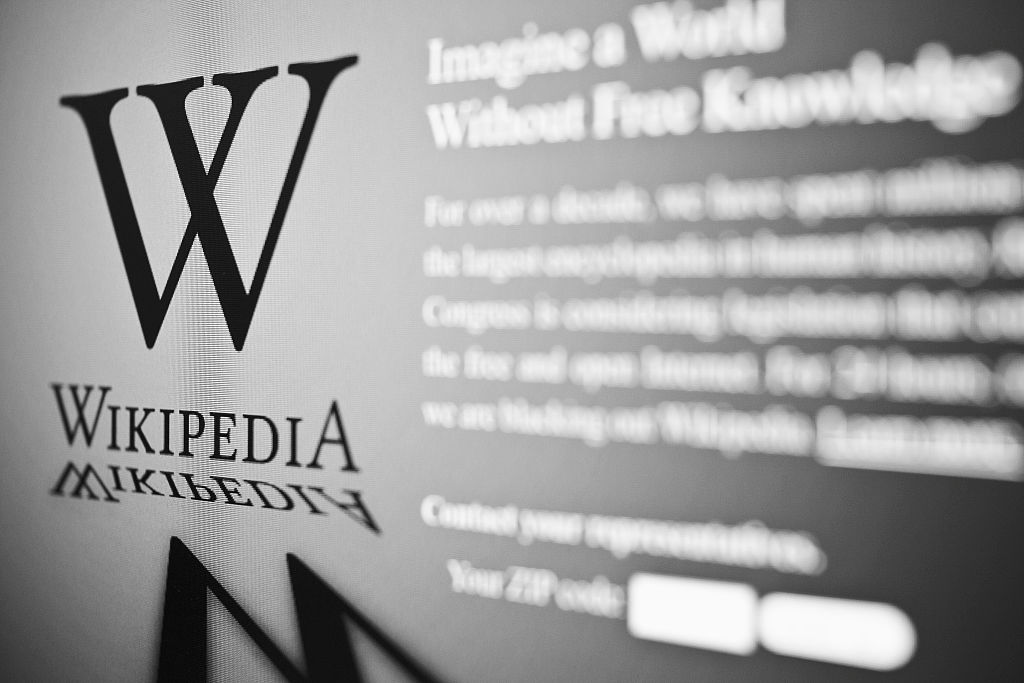
In a significant strategic move coinciding with its 25th anniversary, the Wikimedia Foundation has unveiled a substantial expansion of its commercial partnerships with leading artificial intelligence and technology companies. These new collaborations see industry titans such as Amazon, Meta, Microsoft, Mistral AI, and Perplexity join the ranks of paying customers for Wikimedia Enterprise, the foundation’s specialized product designed for large-scale data reuse. This development underscores a pivotal moment for Wikipedia, signaling an innovative approach to ensure its long-term sustainability and the continued accessibility of free knowledge in an increasingly AI-driven digital landscape.
The Evolving Landscape of Digital Knowledge
For over two decades, Wikipedia has stood as an unparalleled repository of human knowledge, meticulously curated by a global community of volunteer editors. Its open access model and commitment to neutrality have cemented its status as a primary reference point for billions worldwide. However, the advent of sophisticated artificial intelligence, particularly large language models (LLMs) and generative AI, has introduced new dynamics to how information is consumed and produced. These powerful AI systems are trained on colossal datasets, and Wikipedia, with its vast, structured, and relatively reliable content, has become an indispensable foundational resource.
The reliance of AI on human-generated content like Wikipedia highlights a complex interdependency. While AI models promise to revolutionize information access by providing quick, synthesized answers to complex queries, they fundamentally depend on the quality and breadth of their training data. This reliance has brought into sharp focus the economic and ethical questions surrounding the use of openly licensed content by commercial AI entities. How do the creators and maintainers of such foundational knowledge get recognized or compensated when their work becomes an invisible ingredient in AI outputs? The Wikimedia Foundation’s latest initiative directly addresses this evolving challenge, seeking to establish a fair value exchange in this new paradigm.
Wikimedia Enterprise: A Strategic Imperative
At the heart of these new partnerships lies Wikimedia Enterprise, a commercial offering launched by the Wikimedia Foundation in 2021. Designed to cater to the specific needs of large-scale commercial users, Wikimedia Enterprise provides programmatic access to Wikipedia’s content and that of other Wikimedia projects at a volume, speed, and format optimized for machine consumption. Unlike simply scraping the public website, this enterprise product offers structured data feeds, real-time updates, and dedicated support, ensuring a more efficient and reliable ingestion process for AI models and other data-intensive applications.
This strategic pivot towards commercialization represents a crucial evolution for the Wikimedia Foundation, an organization historically sustained primarily through public donations and grants. While the foundation remains steadfast in its commitment to keeping Wikipedia free and accessible for individual users globally, the enterprise product acknowledges that commercial entities derive significant value from its content and should contribute to its upkeep. It’s a pragmatic response to the reality that companies building multi-billion dollar AI products are leveraging the fruits of millions of volunteer hours. By offering a premium, tailored data service, Wikimedia Enterprise aims to create a sustainable revenue stream that directly supports the infrastructure, development, and community initiatives essential for Wikipedia’s future growth and stability. This initiative is not merely about monetization; it’s about formalizing a relationship where value is exchanged, ensuring the long-term health of the open knowledge ecosystem.
A Quarter Century of Collaborative Knowledge
Wikipedia’s journey began on January 15, 2001, with a bold vision: to compile "the sum of all human knowledge" and make it freely available to everyone. From its humble beginnings, it rapidly transformed into a global phenomenon, democratizing information access on an unprecedented scale. Today, it stands as one of the top ten most visited websites globally, a testament to its enduring relevance and the power of collaborative human effort. The platform boasts over 65 million articles across more than 300 languages, attracting nearly 15 billion views per month.
The 25th birthday celebrations serve as a moment of reflection on this remarkable achievement. The foundation has launched a series of initiatives to commemorate the milestone, including a new video docuseries offering an intimate look at the diverse network of volunteers who power Wikipedia around the globe. A "25 Years of Wikipedia" time capsule has also been introduced, allowing users to explore the site’s past, present, and future, featuring insights and narration from co-founder Jimmy Wales. These celebratory activities culminate in a livestreamed birthday event on January 15th, accessible across Wikipedia’s social media channels, featuring guests, games, and entertainment. Such events not only honor Wikipedia’s past but also reinforce its cultural significance and the unique human element that distinguishes it in an increasingly automated digital world.
The Symbiotic Relationship with Artificial Intelligence
The Wikimedia Foundation’s approach to AI is one of cautious embrace, emphasizing the irreplaceable value of human-powered knowledge. As Selena Deckelmann, Wikimedia Foundation’s CPO/CTO, articulated, "Wikipedia shows that knowledge is human, and knowledge needs humans. Especially now, in the age of AI, we need the human-powered knowledge of Wikipedia more than ever." This sentiment underscores a critical distinction: while AI can process, synthesize, and disseminate information at scale, the underlying veracity, nuance, and contextual understanding often originate from human intelligence and collaboration.
The partnerships with major AI developers like Amazon, Meta, Microsoft, and Mistral AI, alongside innovative platforms like Perplexity, illustrate a growing recognition within the tech industry of the need for responsibly sourced and high-quality data. Instead of relying on indiscriminate web scraping, these companies are now opting for formalized agreements, acknowledging Wikipedia’s central role as a trusted and continually updated knowledge base. This shift not only provides a structured data stream for AI training but also offers a degree of transparency and ethical sourcing that is becoming increasingly important for AI developers. It highlights a symbiotic relationship: AI benefits from Wikipedia’s organized and verified content, while Wikipedia gains the financial resources to sustain its mission and adapt to new technological challenges.
Economic Sustainability in the AI Era
The financial viability of large-scale open-access projects like Wikipedia has always been a topic of discussion. Operating a global website of Wikipedia’s magnitude, with its complex technical infrastructure, legal support, and community engagement initiatives, requires substantial resources. For years, individual donations, often driven by appeals prominently displayed on the site, have been the primary lifeline. While this model has proven remarkably successful, relying solely on public generosity in an era of exponentially increasing data consumption by commercial entities presents long-term challenges.
Wikimedia Enterprise offers a diversified funding model, complementing traditional donations with revenue generated from commercial use. This hybrid approach is vital for ensuring that the foundation can continue to invest in critical areas: enhancing the user experience, supporting the volunteer editor community, improving technical infrastructure, combating misinformation, and developing new features. The revenue from these partnerships is not just about keeping the lights on; it’s about enabling innovation and growth. It allows Wikipedia to adapt its technology, explore new content formats like short-form video and games – as indicated by their recent experiments – and strengthen its own AI strategy, which explicitly prioritizes human input and oversight. This financial stability is crucial for safeguarding Wikipedia’s independence and its ability to remain a free and neutral source of information for everyone, regardless of their ability to pay.
Broader Implications for Open Access and Data Ethics
These groundbreaking partnerships carry significant implications beyond Wikimedia’s immediate financial health. They set a precedent for how open-access knowledge repositories can engage with the commercial AI ecosystem. The agreements demonstrate a potential pathway for other non-profit or public-domain content providers to monetize their valuable datasets responsibly, ensuring their continued existence and growth without compromising their core mission of open access.
The discussions around data ethics in AI development are intensifying, covering issues like data provenance, intellectual property, and fair compensation. By entering into formal agreements, the Wikimedia Foundation is contributing to a more transparent and ethical framework for AI training data. It encourages other AI developers to consider the sources of their information and to engage in fair value exchanges with the creators and curators of that content. While the principle of open knowledge remains paramount, these collaborations illustrate that "free" does not necessarily mean "without value" in the commercial sense. Navigating this delicate balance between universal accessibility and commercial sustainability will be a defining challenge for digital institutions in the coming decades, and Wikimedia’s strategy offers a compelling model.
Looking Ahead: Wikipedia’s Next Chapter
As Wikipedia embarks on its next quarter-century, these strategic partnerships with AI leaders are more than just a financial boost; they represent a proactive vision for the future of open knowledge. The foundation is not merely reacting to the rise of AI but actively shaping how its invaluable content is utilized in this new technological era. By securing formal agreements, Wikimedia aims to ensure that its human-curated knowledge continues to serve as a bedrock for innovation while simultaneously safeguarding its core mission.
The foundation’s recent announcements also highlight other forward-looking initiatives, including significant upgrades to its technical infrastructure and the development of its own "human-first" AI strategy. Furthermore, experimentation with new content formats, such as games and short-form video, indicates an awareness of evolving digital consumption habits and a commitment to reaching new audiences. These multifaceted efforts, alongside the celebratory events surrounding its 25th birthday, underscore Wikipedia’s resilience and its enduring commitment to evolving as a crucial hub for human-powered knowledge and collaboration online. The journey ahead will undoubtedly present new challenges, but with these strategic alliances, Wikipedia is positioning itself to remain an indispensable resource for generations to come, continuing its mission to empower every person with access to free knowledge.