Amir Mahmud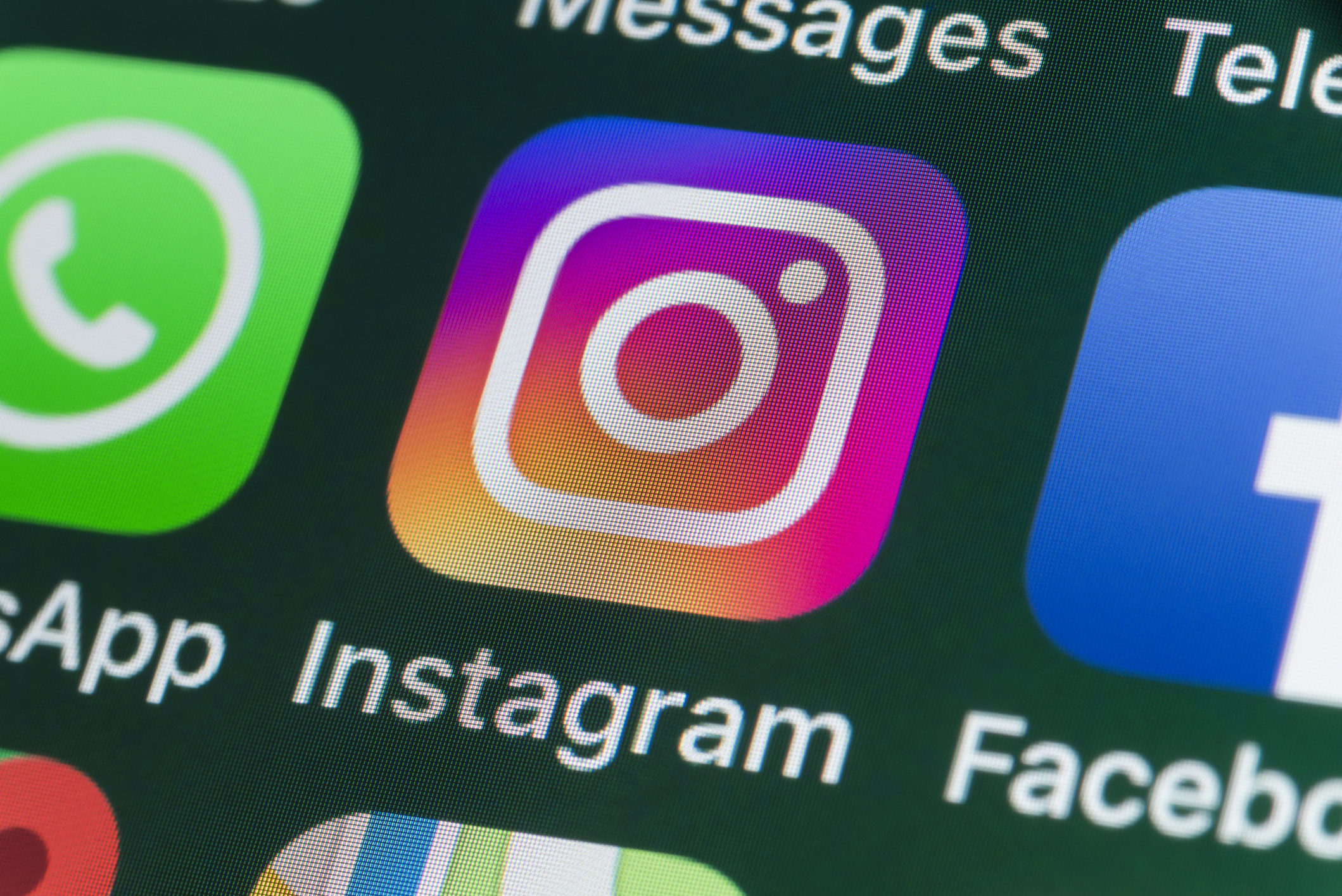
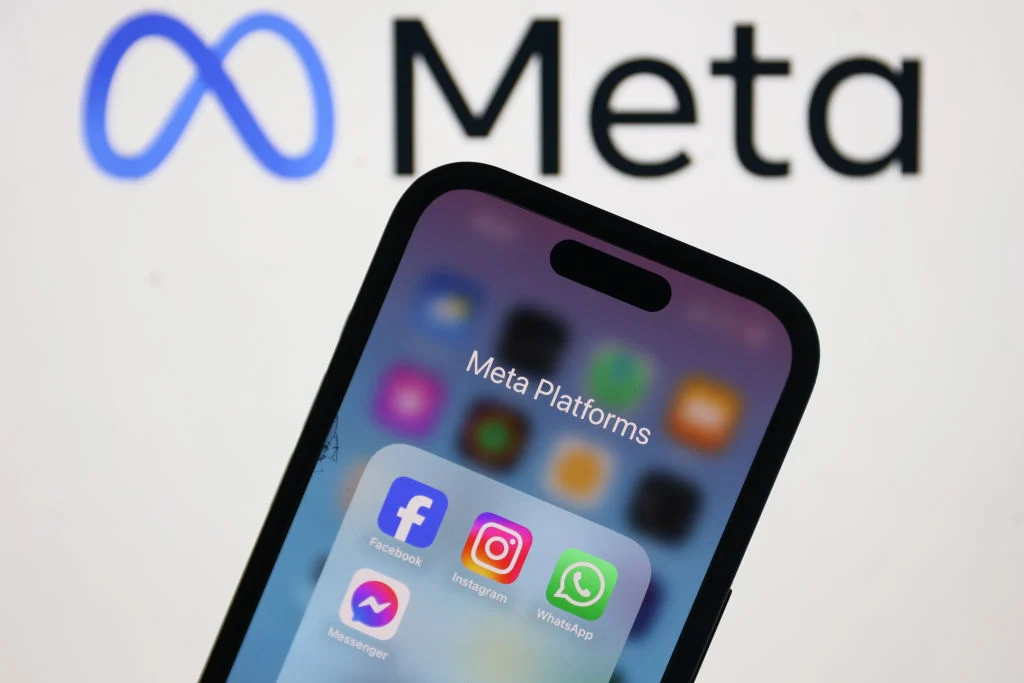
Concerns regarding the security of personal information on Instagram escalated recently following a wave of unsolicited password reset requests received by numerous users, coupled with allegations from a prominent cybersecurity firm regarding a significant data compromise. On January 11, 2026, the popular photo-sharing platform, owned by Meta Platforms, officially stated that its systems had not experienced a "breach," despite the widespread reports of suspicious activity. This assertion, however, arrived amidst a conflicting public statement from Malwarebytes, an antivirus software company, which claimed that a vast trove of user data had been stolen and was actively being offered for sale on illicit online marketplaces.
The Spark of Alarm: Unsolicited Password Resets
For many Instagram users, the first sign of trouble arrived in their inboxes: an email, seemingly from Instagram, notifying them that a request had been made to reset their password. Such emails, while a standard security measure for forgotten credentials, become a significant red flag when received unexpectedly. They often indicate that someone, an "external party" as Instagram later described, has attempted to gain unauthorized access to an account. The sheer volume of these reports across various social media channels quickly ignited a firestorm of speculation and anxiety among the platform’s vast global user base. Users shared screenshots, expressed confusion, and sought clarification, highlighting the immediate and personal impact of perceived security vulnerabilities.
Malwarebytes’ Stark Warning
Adding a critical layer of urgency to the unfolding situation, cybersecurity firm Malwarebytes issued a stark warning through a post on Bluesky, an emerging social media platform. Accompanying a screenshot of one such password reset email, the company alleged a far more severe incident than simply unsolicited requests. Malwarebytes claimed that "cybercriminals stole the sensitive information of 17.5 million Instagram accounts, including usernames, physical addresses, phone numbers, email addresses, and more." The firm further elaborated that this compromised data was "available for sale on the dark web and can be abused by cybercriminals," painting a grim picture of potential identity theft, phishing scams, and other malicious activities targeting affected individuals. This direct accusation of a large-scale data theft immediately raised the stakes, contrasting sharply with Instagram’s subsequent downplaying of the event.
Instagram’s Response and the Nuance of ‘Breach’
In response to the growing public unease and Malwarebytes’ serious allegations, Instagram opted to address the situation via X (formerly Twitter), rather than through its own platform or its sister service, Threads. The company’s statement acknowledged the issue but carefully avoided the term "breach." Instagram posted that it had "fixed an issue that let an external party request password reset emails for some people." The platform then instructed users: "You can ignore those emails — sorry for any confusion."
This carefully worded communication provided minimal detail. It did not identify the "external party," explain the specific "issue" that enabled the password reset requests, or clarify whether the "issue" had any connection to the alleged data theft reported by Malwarebytes. The absence of such specifics left a vacuum for interpretation and continued speculation, prompting cybersecurity experts and the public alike to scrutinize the difference between Instagram’s narrative and the claims made by the security firm.
The distinction between a "breach" and a "vulnerability" that allows for "password reset requests" is often critical in the cybersecurity lexicon of large tech companies. A "breach" typically implies unauthorized access to internal systems, leading to the direct exfiltration of data stored within those systems. Conversely, a "vulnerability" might refer to a flaw in a public-facing mechanism that could be exploited to trigger actions like password resets, or even to scrape publicly available (or semi-public) user data without directly compromising the core databases. If the data Malwarebytes described was indeed stolen, the question remains whether it was accessed via a direct system intrusion (a breach) or through more sophisticated scraping techniques exploiting publicly exposed APIs or vulnerabilities. Companies often prefer the latter explanation, as it generally carries less severe legal and reputational consequences than a full-blown data breach.
A History of Digital Security Challenges
This incident is not an isolated event for Instagram or its parent company, Meta Platforms, which has faced numerous data privacy and security challenges over the years. The sheer scale of Meta’s platforms, with billions of users globally, makes them constant targets for malicious actors.
Timeline of Relevant Incidents:
- 2012: Instagram acquired by Facebook (now Meta), integrating it into a larger ecosystem with shared infrastructure and data policies, bringing both benefits and increased scrutiny.
- 2018: The Cambridge Analytica scandal rocked Facebook, revealing how a third-party app harvested data from millions of users without their consent, highlighting the dangers of lax third-party data access. While not directly an Instagram breach, it underscored systemic issues within Meta regarding user data protection.
- 2019: A security researcher discovered that Instagram user data, including phone numbers and email addresses, was exposed on a server run by a third-party marketing firm, without proper authentication.
- 2021: Reports emerged of a massive data leak involving over 533 million Facebook users, including phone numbers, email addresses, and other personal information, which was scraped years prior and later made available on hacking forums. This event, while focused on Facebook, heightened awareness of the prevalence of data scraping and its long-term consequences for user privacy across Meta’s family of apps.
- Ongoing: Meta platforms, including Instagram, consistently grapple with sophisticated phishing attempts, account takeovers, and the proliferation of fake accounts, all of which underscore the continuous battle against cyber threats.
These historical precedents contribute to a climate of skepticism among users and regulators whenever new security incidents surface. The public’s memory of past data mishandling means that a platform’s denial of a "breach" is often met with a demand for greater transparency and concrete evidence.
The Dark Web and Its Market for Compromised Data
Malwarebytes’ claim that user data was "available for sale on the dark web" introduces a particularly ominous dimension to the situation. The dark web, a hidden part of the internet not indexed by standard search engines, serves as a clandestine marketplace for illicit goods and services, including stolen personal information. When user data – comprising elements like usernames, email addresses, phone numbers, and physical addresses – becomes available on these forums, it significantly escalates the risk for individuals.
This kind of information is highly prized by cybercriminals for various nefarious purposes:
- Phishing and Social Engineering: Criminals use email addresses and phone numbers to craft highly targeted and convincing phishing campaigns, attempting to trick users into revealing more sensitive information (e.g., banking details, credit card numbers) or installing malware.
- Identity Theft: A combination of personal data points can be used to impersonate individuals, open fraudulent accounts, or gain access to existing ones.
- Account Takeovers: Even if passwords aren’t directly compromised, having associated email addresses and phone numbers can facilitate brute-force attacks, password reset attempts (as seen in this incident), or SIM-swapping attacks.
- Spam and Harassment: Compromised contact information can lead to an increase in unsolicited communications, ranging from annoying spam to targeted harassment.
The existence of such data on the dark web, regardless of how it was obtained (breach or scraping), represents a tangible threat to the privacy and financial security of millions of users.
Eroding User Trust and Platform Responsibility
The conflicting narratives surrounding this incident—Instagram’s cautious assurance versus Malwarebytes’ alarming disclosure—highlight a persistent challenge for large digital platforms: maintaining user trust in an era of constant cyber threats. When companies offer vague explanations for security incidents, it can inadvertently fuel mistrust and suspicion. Users, who entrust platforms with significant portions of their digital lives and personal data, expect clear, unambiguous communication, especially when their security might be at risk.
The social and cultural impact of such events extends beyond immediate financial or privacy concerns. They contribute to a broader erosion of confidence in online services, making users more wary of sharing information and potentially leading to a retreat from engagement. For platforms like Instagram, which thrive on user-generated content and personal connections, a damaged reputation for security can have long-term consequences, affecting user retention, growth, and ultimately, advertising revenue.
From a market perspective, major security incidents can trigger regulatory scrutiny, potentially leading to hefty fines under data protection laws like GDPR in Europe or various state-level regulations in the U.S. They can also impact stock performance as investors react to potential liabilities and reputational damage. The cost of remediation, including forensic investigations, system enhancements, and customer support, can also be substantial.
User Vigilance and Best Practices
In the wake of such incidents, the onus often falls partly on individual users to protect themselves. Cybersecurity experts consistently recommend several best practices:
- Enable Two-Factor Authentication (2FA): This adds an extra layer of security, requiring a second verification step (like a code from your phone) in addition to your password. Even if a password is compromised, 2FA can prevent unauthorized access.
- Use Strong, Unique Passwords: Avoid reusing passwords across different services. Utilize a password manager to create and store complex, unique passwords.
- Be Skeptical of Unsolicited Communications: Treat any unexpected password reset requests, login alerts, or urgent security notifications with extreme caution. Always navigate directly to the official website or app to verify, rather than clicking links in suspicious emails or messages.
- Monitor Accounts for Suspicious Activity: Regularly review login activity on your Instagram account and other online services.
- Update Software Regularly: Keep operating systems and applications updated to benefit from the latest security patches.
While platforms bear a primary responsibility for safeguarding user data, an informed and proactive user base forms a crucial defense line against the evolving tactics of cybercriminals.
The Broader Cybersecurity Landscape
The Instagram incident serves as a microcosm of the broader cybersecurity landscape, characterized by an ongoing arms race between defenders and attackers. As platforms implement stronger security measures, malicious actors develop more sophisticated methods to bypass them, ranging from exploiting zero-day vulnerabilities to employing advanced social engineering techniques.
The digital economy’s reliance on vast repositories of personal data makes these platforms irresistible targets. The value of aggregated user information—for advertising, market analysis, or malicious exploitation—means that the incentives for cybercrime remain incredibly high. This continuous threat environment necessitates not only robust technical defenses but also a commitment to transparency, proactive communication, and collaboration between platforms, security researchers, and law enforcement agencies.
Ultimately, while Instagram has assured its users of "no breach" and "fixed an issue," the contrasting claims and the ever-present threat of data compromise underscore the fragile nature of digital security. This event reinforces the critical need for both platforms to uphold the highest standards of data protection and for users to remain vigilant in safeguarding their online identities. The ongoing dialogue between tech companies, cybersecurity firms, and the public is vital for navigating the complex challenges of the digital age and building a more secure online future.