Amir Mahmud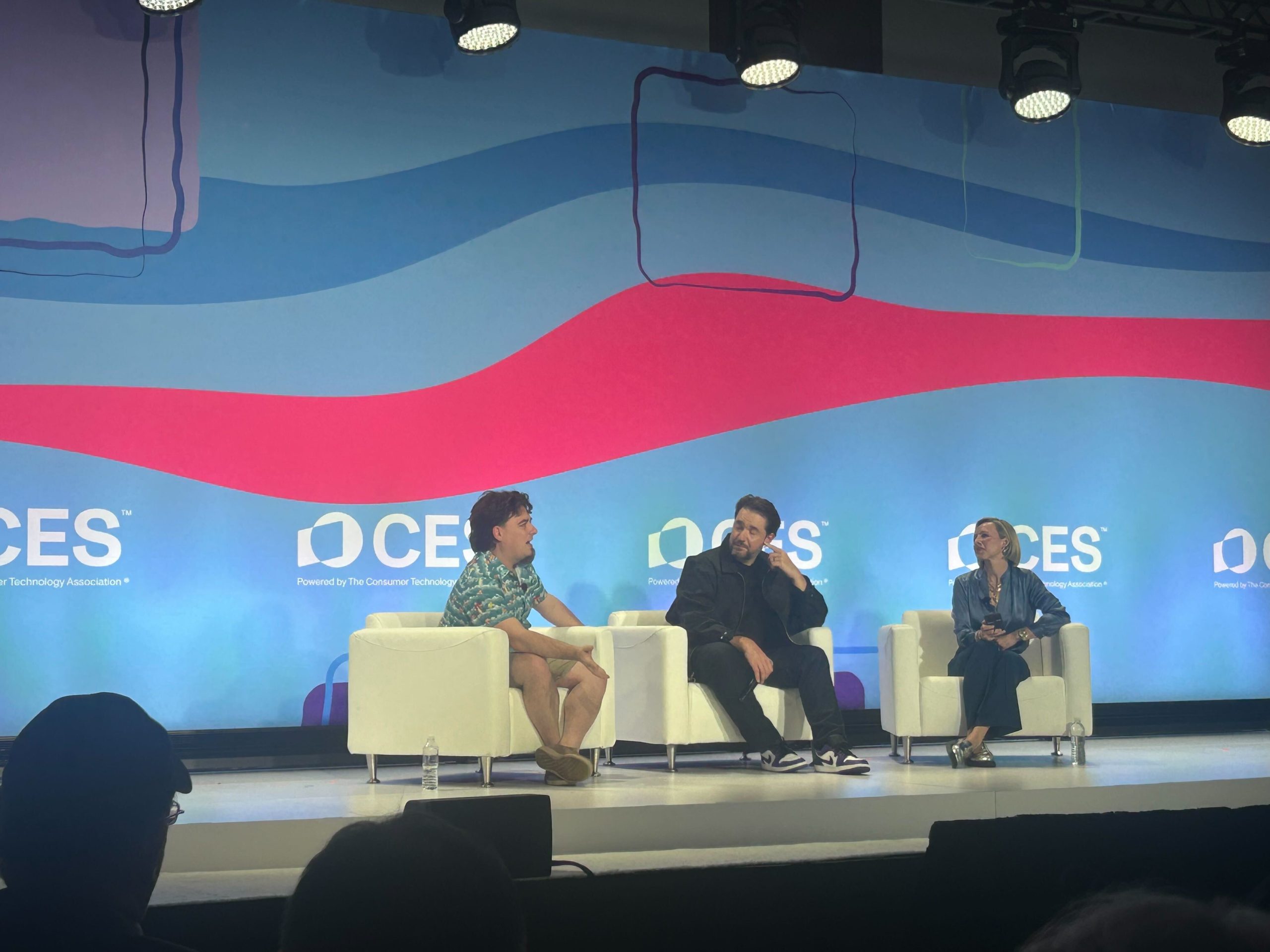
At the recent Consumer Electronics Show (CES), a surprising narrative emerged from two prominent figures known for pushing technological boundaries: Palmer Luckey, the visionary behind Oculus VR and founder of defense contractor Anduril, and Alexis Ohanian, co-founder of Reddit. Instead of exclusively championing the latest advancements, they engaged in a public discourse on "tech nostalgia," asserting that the aesthetics and tactile experiences of vintage consumer electronics hold an "objectively better" quality compared to many of today’s sleek, minimalist devices. This perspective, articulated at an event typically overflowing with futuristic prototypes, suggests a growing reconsideration of what truly constitutes progress in the design and user experience of technology.
The Paradox of Progress: A Return to Roots at CES
CES, held annually in Las Vegas, is globally recognized as the premier stage for showcasing groundbreaking innovations, from advanced AI and robotics to next-generation virtual reality and smart home ecosystems. It is a spectacle of the future, a place where companies unveil their boldest visions for how technology will reshape daily life. Against this backdrop, Luckey and Ohanian’s joint talk about the merits of past technological eras offered a fascinating counterpoint, challenging the prevailing notion that newer is always inherently superior. Their conversation wasn’t a critique of technological advancement itself; Luckey, notably, expressed strong support for artificial intelligence, acknowledging its transformative impact on workflows. Rather, their focus was squarely on the aesthetics, form factor, and intentionality embedded in older tech products, suggesting these elements are not merely relics but blueprints for future design.
Beyond Sentimentality: The Argument for "Objectively Better" Design
Ohanian articulated a clear stance, stating, "It’s not just about nostalgia for the old; it’s about the fact that it’s just objectively better." This bold claim delves deeper than simple sentimental longing for simpler times. It posits that certain design choices and user experiences from previous decades offered tangible benefits that have been diminished or lost in the pursuit of modern sleekness and digital ubiquity.
Luckey echoed this sentiment, drawing parallels from the gaming world and personal media consumption. He lauded the 1999 first-person shooter Quake: Arena, a title celebrated for its fast-paced, skill-based gameplay and enduring legacy in competitive esports. This choice highlights a preference for games designed with clear objectives, immediate feedback, and a high skill ceiling, contrasting with the often more expansive, narrative-driven, or monetized experiences prevalent today. The era of Quake: Arena predated many of the complex online ecosystems and free-to-play models that now dominate gaming, offering a more direct and arguably purer interaction between player and game.
Furthermore, Luckey reflected on the "intentionality" involved in building a music library in pre-streaming eras, whether through curating physical albums or meticulously crafting mixtapes. This process, he argued, fostered a deeper connection to music, transforming consumption into a deliberate act of selection and organization. In an age of seemingly infinite digital downloads and algorithmic playlists, where every song is instantly accessible, Luckey suggested that a significant element of this intentionality is lost. The sheer abundance, while convenient, can sometimes dilute the value and personal significance once attached to each piece of music. This concept touches upon psychological theories of choice overload, where too many options can lead to decision paralysis and reduced satisfaction, contrasting with the focused engagement fostered by limited, curated collections. The rise of vinyl records and cassette tapes among younger generations who never experienced their original heyday further supports this idea, indicating a desire for tangible, curated media experiences beyond pure digital convenience.
A Broader Cultural Current: The Resurgence of Retro
The sentiments expressed by Luckey and Ohanian resonate with a broader cultural phenomenon: the pervasive resurgence of retro aesthetics and experiences across various sectors. Hollywood, for instance, has long capitalized on nostalgia, with numerous films and television series drawing inspiration from the 1980s and 1990s, such as the critically acclaimed Stranger Things or the continuous rebooting of classic franchises. Fashion trends frequently cycle through decades past, with Y2K, grunge, and vintage streetwear making regular comebacks.
In the realm of technology, this nostalgic pull manifests as a thriving niche for "retro tech design." The market has witnessed a significant uptick in interest for physical media, a stark contrast to the once-predicted complete dominance of digital formats. Vinyl record sales have steadily climbed for over a decade, with cassettes also experiencing a surprising, albeit smaller, revival. This trend is not merely confined to audiophiles; it reflects a desire for tactile interaction, ownership, and a perceived authenticity that digital files often lack. Film photography, with its deliberate process and tangible output, has also seen renewed interest among enthusiasts seeking an alternative to instant digital capture.
Beyond media, there’s a growing appetite for "low-tech" or retro-inspired devices. The debut of products like the Clicks Communicator phone at CES, which integrates a physical QWERTY keyboard reminiscent of classic BlackBerry devices, exemplifies this trend. These devices appeal to users who feel overwhelmed by the complexity and constant connectivity of modern smartphones, seeking simpler, more focused tools. This movement aligns with principles of "digital minimalism," advocating for a more intentional and less distracting relationship with technology. The draw often lies in their simplicity, durability, and a clear, defined purpose, offering a respite from the endless notifications and feature creep of contemporary gadgets. For many, these devices represent a tangible connection to an era when technology felt more manageable and less intrusive.
Monetizing Memory: Business Strategies in the Nostalgia Economy
The growing consumer interest in retro tech is not just a cultural curiosity; it represents a significant business opportunity, one that entrepreneurs like Luckey are actively exploring. His venture, ModRetro Chromatic, launched in 2024, directly taps into this market. This handheld gaming device, retailing for $199, is designed to evoke the classic Game Boy, allowing users to play old cartridge classics from the 1990s. Its critical reception has been highly favorable, with some reviewers hailing it as "one of the best ever made" in its category. This success demonstrates that there is a viable market for devices that prioritize a specific, retro-infused user experience over cutting-edge graphics or processing power. Luckey, known for sporting an 80s-style mullet, embodies this aesthetic preference personally, further cementing his connection to the vintage tech movement.
Ohanian has openly expressed his admiration for Luckey’s gaming company and even showcased a ModRetro unit onstage at CES, signaling his own interest in creating vintage-style games. This entrepreneurial alignment suggests a strategic understanding that the "nostalgia economy" is not just about re-releasing old products, but about thoughtfully re-imagining and recreating experiences that resonate with both those who remember them and those who discover them anew. The appeal extends beyond mere sentimental value; it taps into a desire for quality, simplicity, and a sense of permanence in a rapidly evolving digital landscape. The "re-commerce" market for vintage electronics, alongside independent creators and crowdfunding campaigns for retro-inspired projects, further illustrates the economic viability of this trend.
The Entrepreneurial Journey: From Virtual Reality to Defense and Beyond
Palmer Luckey’s career trajectory offers a compelling backdrop to his current advocacy for retro tech. He first rose to prominence as the founder of Oculus VR, pioneering consumer virtual reality and ultimately selling his company to Facebook (now Meta) for billions. His early work laid much of the groundwork for the modern VR industry. However, since 2017, Luckey has largely shifted his focus to national security, founding Anduril Industries, a defense technology company. Anduril specializes in developing advanced autonomous systems, AI, and software-defined hardware for military applications, aiming to revolutionize defense capabilities with cutting-edge technology. The company’s rapid growth is evident in its recent Series G fundraising round, which swelled its valuation to an impressive $30.5 billion. Notably, Anduril has also partnered with Meta on projects involving mixed-reality headsets for the U.S. military, demonstrating Luckey’s continued engagement with advanced technological frontiers, albeit in a dramatically different context than consumer VR.
This dual focus—leading a high-tech defense firm while simultaneously championing retro consumer electronics—underscores Luckey’s multifaceted vision. It suggests that innovation doesn’t necessarily mean abandoning design principles or user experiences from the past, but rather discerning which elements hold enduring value. His long-standing connection to the tech world was humorously highlighted at CES when he recounted attending the show since age 16 using a fake ID, an anecdote that elicited laughter and offered a glimpse into his early, unconventional entry into the industry.
Geopolitics and the Future of Manufacturing
Towards the end of the CES discussion, Luckey pivoted to a more somber and strategically significant topic: geopolitics and its implications for technology manufacturing. He made pointed remarks about the evolving relationship between the United States and China, characterizing it as a "messy divorce" with no prospect of reconciliation. Luckey openly admitted to being "part of the problem for a long time, making all of my stuff in China," a clear reference to his past manufacturing practices with Oculus.
His commentary reflects a growing national and corporate concern over supply chain vulnerabilities, intellectual property security, and geopolitical tensions. The call for reduced reliance on foreign manufacturing, particularly from strategic rivals, aligns with broader trends of "reshoring" or "friendshoring"—moving production back to domestic soil or to allied nations. This shift is driven by a complex interplay of economic, national security, and ethical considerations. For a company like Anduril, which develops sensitive defense technologies, domestic manufacturing and secure supply chains are paramount. Luckey’s statements underscore a significant re-evaluation of globalized production models, suggesting that the future of technology, from its design aesthetics to its geopolitical implications, is increasingly tied to questions of sovereignty and strategic independence.
Conclusion: A Vision for Technology’s Evolving Relationship with its Past
The dialogue initiated by Palmer Luckey and Alexis Ohanian at CES offers a compelling lens through which to view the future of technology. Their advocacy for the aesthetics and experiential qualities of vintage tech is not a Luddite rejection of progress, but rather a sophisticated commentary on design, user psychology, and market dynamics. It suggests that as technology continues its relentless march forward, there is a growing appreciation for the deliberate, tactile, and aesthetically pleasing aspects of earlier eras.
This blend of old and new—where cutting-edge functionality meets timeless design principles—could define the next wave of consumer electronics. Whether driven by a desire for simplicity, a rejection of digital overload, or a conscious business strategy to monetize nostalgia, the trend signals a more nuanced relationship between users and their devices. In a world saturated with digital interfaces, the appeal of a physical button, a curated collection, or a thoughtfully designed form factor may indeed be "objectively better" for a significant segment of the population, hinting that technology’s future might, in part, be found by looking back to its past.