Amir Mahmud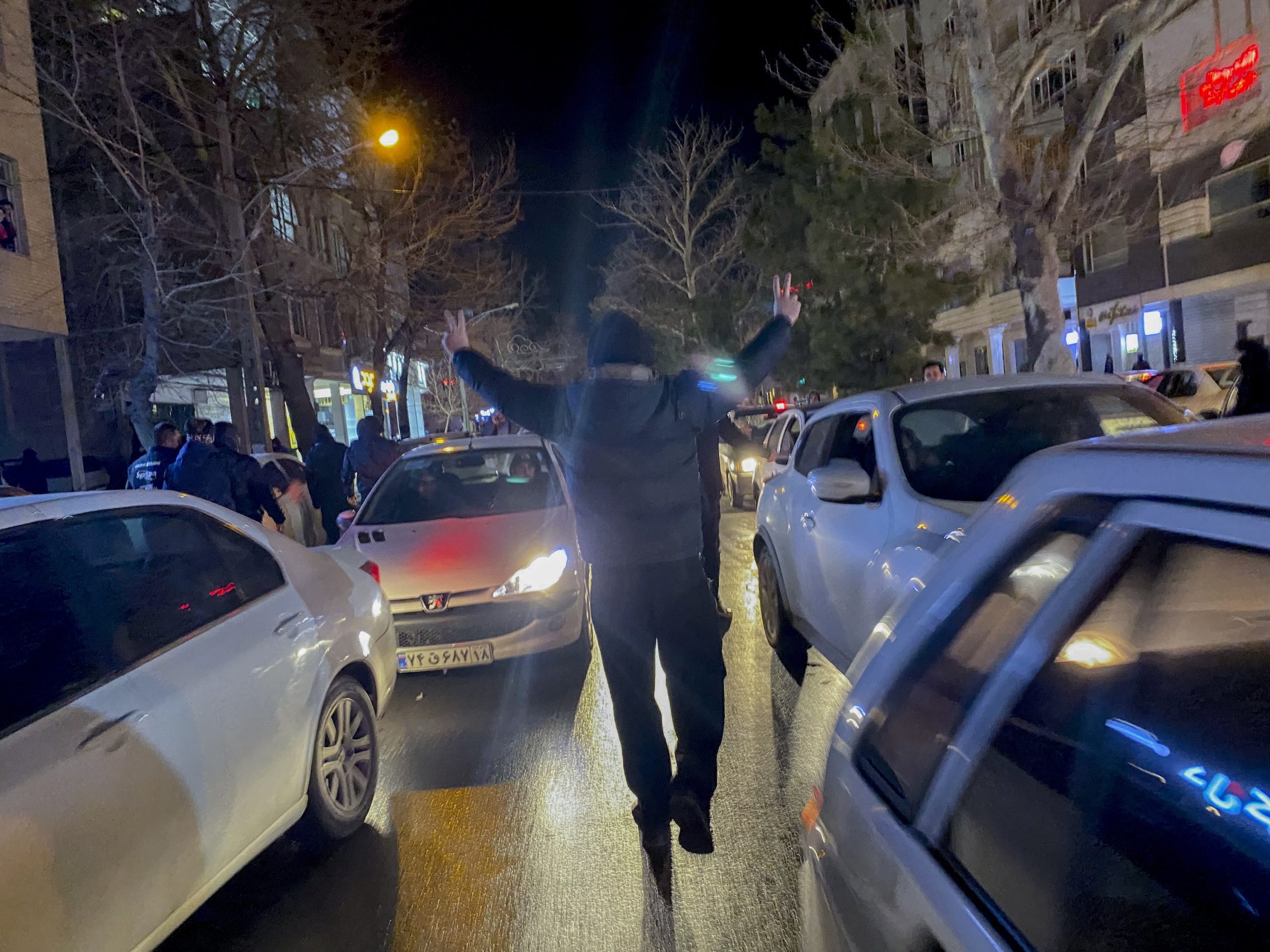
Internet connectivity across Iran experienced a near-total collapse on a recent Thursday, plunging the nation into digital isolation amidst a growing wave of nationwide protests. The sudden and severe disruption, corroborated by multiple global web monitoring firms, effectively severed a critical communication lifeline for millions of Iranians, raising immediate concerns about the government’s intent to suppress information and stifle dissent.
The Unplugging of a Nation
The digital blackout began abruptly, with internet traffic plummeting dramatically around 11:30 a.m. U.S. East Coast time, which corresponded to 8 p.m. local time in Tehran. Cybersecurity researchers and internet traffic analysts quickly identified the unprecedented scale of the disruption. Amir Rashidi, an Iranian cybersecurity researcher affiliated with the nonprofit Miaan Group, characterized the situation as a "near-total disconnection from the outside world." His assessment was echoed by Doug Madory, director of internet analysis at Kentik, a firm specializing in monitoring global internet traffic, who confirmed the "near-total blackout" in real-time.
Further independent verification came from a consortium of internet infrastructure and monitoring entities. NetBlocks, a widely cited internet observatory, reported significant drops in connectivity. Cloudflare, a major internet infrastructure company, and IODA (Internet Outage Detection and Analysis) at the Georgia Institute of Technology, also registered simultaneous, precipitous declines in internet traffic across the country. David Belson, head of data insight at Cloudflare, noted that while "a small amount of traffic" persisted, Iran was "effectively completely offline," underscoring the comprehensive nature of the shutdown. This coordinated and widespread outage left no doubt among experts that the disruption was not a technical failure but a deliberate, state-orchestrated action designed to control the flow of information both domestically and internationally.
Roots of Discontent: Iran’s Deepening Economic Crisis
The internet shutdown did not occur in a vacuum; it unfolded against a backdrop of escalating socio-economic turmoil that has been brewing for years. The recent protests, which erupted in several cities at the close of December, are a direct manifestation of a profound economic crisis gripping the nation. At its core, Iran’s economy has been battered by a combination of factors, most notably stringent international sanctions. Following the U.S. withdrawal from the Joint Comprehensive Plan of Action (JCPOA), commonly known as the Iran nuclear deal, in 2018, the re-imposition and tightening of sanctions choked off Iran’s oil exports, severely restricted its access to international financial markets, and deterred foreign investment.
The cumulative effect of these pressures has been devastating. The Iranian Rial has experienced a dramatic and sustained devaluation against major foreign currencies, eroding the purchasing power of ordinary citizens. This currency collapse has fueled rampant inflation, with prices for essential goods and services soaring to unprecedented levels. Food staples, medicine, and other necessities have become increasingly unaffordable, leading to widespread shortages and significant hardship for households. Unemployment remains a persistent problem, particularly among the youth, further exacerbating social frustrations.
The economic distress has manifested tangibly on the streets. Reports indicate that some shops in Tehran’s traditional bazaar, a historical barometer of the nation’s economic health, had been shuttered for nearly two weeks prior to the internet blackout. These closures are not merely a sign of economic stagnation but a powerful symbol of merchants’ inability to cope with the volatile market conditions and declining consumer demand. The government’s response to the initial surge of public anger has been characterized by violent crackdowns on demonstrators, a tactic that has historically inflamed tensions rather than quelled them. The internet shutdown, therefore, represents an escalation of the state’s efforts to control the narrative and suppress collective action in the face of deep-seated public grievances.
A History of Digital Control and Suppression
Iran’s government has long maintained a tight grip on the country’s internet infrastructure, viewing it as a potential vector for foreign influence and domestic dissent. This latest internet blackout is not an isolated incident but rather fits into a well-established pattern of digital authoritarianism. For years, Iranian authorities have been working towards establishing a "national intranet," often dubbed the "halal internet," a closed-off network intended to provide domestically approved content and services while limiting access to the global internet. While not fully implemented, this long-term strategy underscores the regime’s ambition for complete digital sovereignty and control.
Previous periods of significant unrest in Iran have almost invariably been accompanied by severe internet disruptions. A notable precedent occurred in November 2019 during widespread protests over a sudden fuel price hike. That event saw a near-total internet shutdown lasting for several days, effectively isolating the country from the world and making it incredibly difficult for citizens to organize, share information, or document human rights abuses. More recently, during the nationwide protests sparked by the death of Mahsa Amini in September 2022, authorities again implemented extensive internet throttling and social media blocks, particularly on platforms like Instagram and WhatsApp, which were popular for organizing and communication.
These historical instances illustrate a clear strategic calculus by the government: internet shutdowns are deployed as a tool to disrupt communication among protesters, prevent the dissemination of images and videos of demonstrations and state violence, control the official narrative, and ultimately, to make it harder for external observers to understand the true scale and nature of the unrest. The current blackout, therefore, is a continuation of this policy, indicating the regime’s perception of the current protests as a significant threat that necessitates extreme measures of information control.
The Ripple Effect: Social and Cultural Ramifications
The impact of a near-total internet blackout extends far beyond merely hindering protest organization; it profoundly disrupts the fabric of daily life and carries significant social, cultural, and further economic consequences. For ordinary Iranians, the immediate effect is a profound sense of isolation. Communication with family and friends, both within the country and abroad, becomes severely restricted. Access to essential online services, from banking and e-commerce to education and healthcare information, grinds to a halt. Small businesses that rely on online transactions, digital marketing, or international connections face immediate operational paralysis and financial losses, further exacerbating the economic woes that initially triggered the protests.
Culturally, such shutdowns represent a direct assault on freedom of expression and access to information. In a country where independent media is heavily restricted, the internet, particularly social media platforms, has served as a vital space for public discourse, cultural exchange, and critical reporting. Cutting off this access silences dissenting voices, limits the ability of artists, journalists, and activists to share their work, and creates an information vacuum that can be easily filled by state-controlled narratives. The inability to document events in real-time also makes it challenging for human rights organizations to monitor and report on potential abuses during crackdowns, effectively shielding the government from international scrutiny.
The psychological toll on a population suddenly cut off from the global digital sphere cannot be overstated. In an increasingly interconnected world, being deprived of internet access can foster feelings of helplessness, anxiety, and distrust. It reinforces the perception of an authoritarian state that prioritizes control over the well-being and fundamental rights of its citizens. This digital isolation can deepen societal divisions and further erode trust in public institutions, potentially sowing the seeds for even greater future discontent.
Analytical Commentary: The State’s Strategy and Global Implications
From an analytical perspective, internet shutdowns are a controversial and often counterproductive strategy for governments. While they may offer a temporary advantage in disrupting immediate protest coordination, their long-term efficacy is highly questionable. Such measures often fuel greater public anger, as they are perceived as an oppressive act that punishes the entire population for the actions of a few. Instead of quelling dissent, they can drive it underground, making it harder for authorities to monitor and understand the evolving nature of public sentiment. Moreover, they invariably draw international condemnation, tarnishing a nation’s image and potentially inviting further sanctions or diplomatic isolation.
The Iranian government’s consistent use of internet blackouts underscores a broader trend among authoritarian regimes globally. From Myanmar to Russia, state-sponsored internet disruptions are becoming an increasingly common tactic to manage political crises and control information. This poses a significant challenge for international bodies, human rights advocates, and technology companies who champion internet freedom and universal access. The silence from Iranian government representatives in the United States and the inaccessibility of the Iranian Foreign Ministry’s website at the time of the blackout further reinforce the narrative of deliberate information suppression, rather than transparency.
Looking Ahead: The Future of Connectivity and Dissent
As the internet remains largely inaccessible, the immediate future of the protests and the broader economic situation in Iran remains uncertain. The blackout makes it difficult to ascertain the exact scale of the ongoing demonstrations or the severity of the government’s response. While tools like VPNs (Virtual Private Networks) and, in some cases, satellite internet services like Starlink, offer potential avenues for circumvention, their widespread and sustained use in a tightly controlled environment presents significant logistical and technical challenges for the average citizen.
The current events in Iran serve as a stark reminder of the ongoing struggle between state control and citizens’ fundamental rights to information and free expression in the digital age. The internet, once hailed as a tool for liberation, has also become a battleground where governments seek to exert ultimate control. As long as the underlying economic grievances persist and the state continues to respond with repressive measures, the cycle of protests, crackdowns, and digital isolation is likely to continue, leaving Iran on a precarious path forward.