Amir Mahmud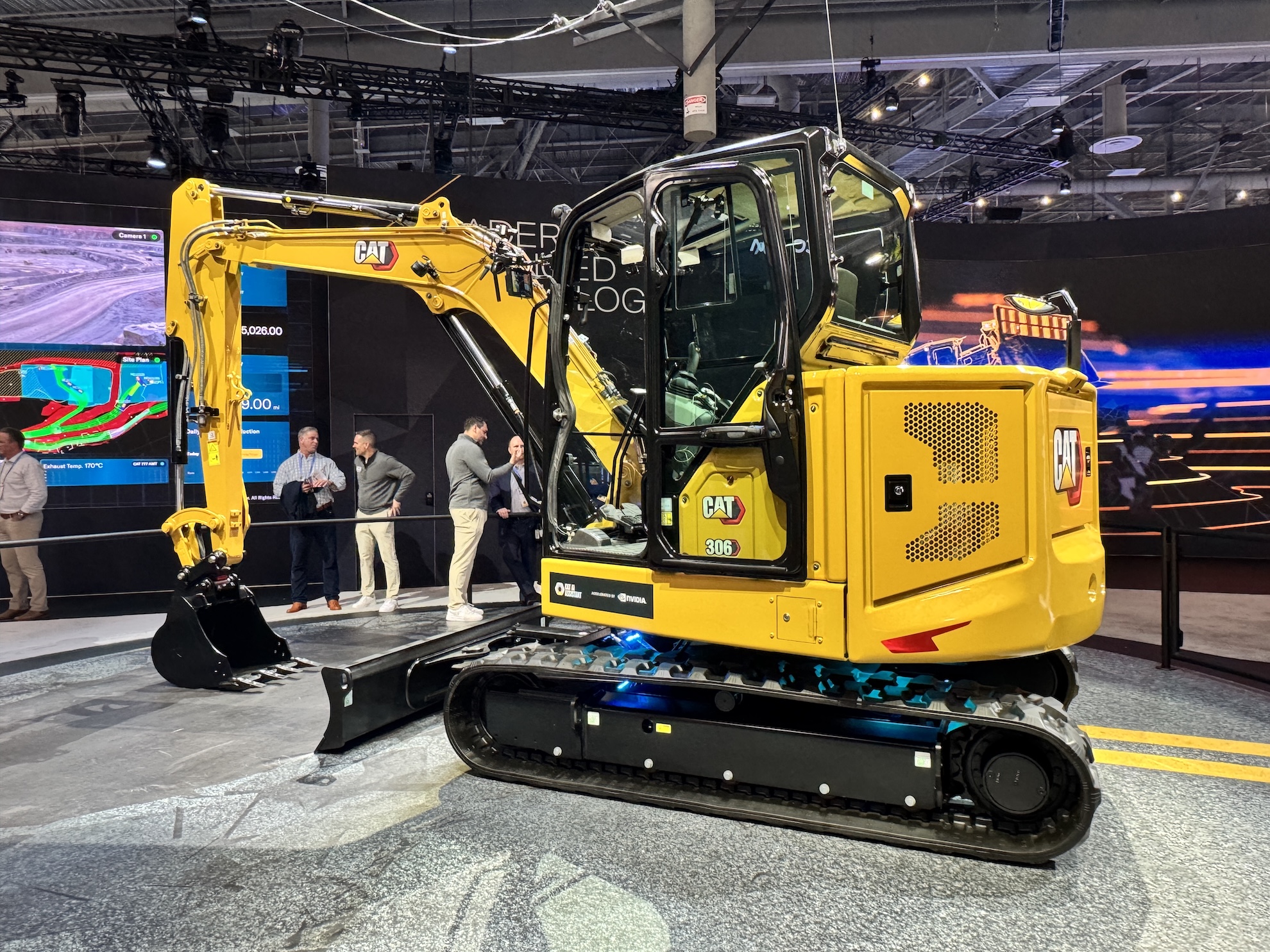
A significant shift is underway in the traditionally robust world of heavy machinery, as Caterpillar, a global titan in construction equipment manufacturing, embarks on a profound collaboration with semiconductor powerhouse Nvidia. This alliance signals a deeper integration of artificial intelligence and advanced automation into the formidable fleet of machines that build the world’s infrastructure, promising to reshape everything from project efficiency to on-site safety.
The Dawn of Intelligent Construction
For over a century, Caterpillar has been synonymous with durability, power, and engineering excellence, producing the iconic yellow machines that have shaped landscapes across continents. From its origins in the early 20th century, formed by the merger of Holt Manufacturing Company and C.L. Best Tractor Company, Caterpillar has consistently driven innovation, pioneering advancements like diesel-powered tractors and hydraulic excavators. However, the 21st century presents a new frontier: the digital realm. The construction industry, long seen as a bastion of physical labor, is increasingly facing pressures to modernize. Labor shortages, escalating material costs, stringent environmental regulations, and an ever-present demand for increased productivity are pushing companies to explore cutting-edge solutions. This partnership with Nvidia represents a strategic leap into that future, aiming to infuse intelligence directly into the very heart of the construction process.
Nvidia, on the other hand, has carved out a distinct path from its beginnings as a graphics processing unit (GPU) manufacturer to becoming a dominant force in artificial intelligence and accelerated computing. Its CUDA platform and subsequent investments in deep learning research have made its GPUs the de facto standard for training and deploying AI models across diverse sectors. The company’s strategic pivot towards "physical AI"—a concept that extends AI beyond virtual simulations into real-world autonomous systems—finds a powerful application in Caterpillar’s domain. The convergence of these two industry leaders, one a steward of industrial might and the other an architect of digital intelligence, underscores a broader trend of technology permeating even the most foundational sectors of the global economy.
A Partnership Forged in Innovation
The initial phase of this groundbreaking collaboration is vividly demonstrated through the piloting of an AI-assistive system within Caterpillar’s mid-size Cat 306 CR Mini Excavator. This system, aptly named "Cat AI," represents a significant step beyond traditional telematics and rudimentary automation, venturing into truly intelligent operational assistance. Built upon Nvidia’s robust Jetson Thor physical AI platform, the system made its public debut at a recent major technology exhibition, drawing considerable attention to the industrial applications of advanced AI.
The Jetson Thor platform, designed for autonomous machines and robotics, provides the computational horsepower and specialized AI capabilities necessary to process complex real-time data from the demanding environment of a construction site. It allows for sophisticated AI models to run directly on the edge, meaning decisions and insights can be generated instantaneously without constant reliance on cloud connectivity, a crucial factor in remote or challenging construction zones.
Brandon Hootman, Caterpillar’s vice president of data and AI, highlighted the practical advantages of Cat AI for operators who spend their days immersed in the physical realities of a job site. He explained that Cat AI operates on a sophisticated framework of AI agents, designed to act as an intelligent co-pilot. This system is capable of understanding and responding to an operator’s queries, offering immediate access to critical operational resources, delivering timely safety advisories, and even streamlining the scheduling of machine maintenance and service. For operators whose primary focus is on the intricate task of construction rather than desktop interfaces, the ability to receive contextual, actionable insights directly within their operational workflow is invaluable. It transforms the machine from a mere tool into an intelligent partner, enhancing productivity and safety in real-time.
The Power of Data and Digital Twins
Beyond immediate operational assistance, the partnership leverages a more profound benefit: the immense volume of data generated by modern construction equipment. Every maneuver, every engine cycle, every hydraulic adjustment produces a stream of valuable information. Caterpillar’s machines are equipped with an array of sensors, collectively sending back an astounding approximately 2,000 messages per second to the company’s analytical systems. This torrent of data is not just for diagnostics; it is the raw material for a new generation of intelligent construction management.
A critical application of this data stream is the development and deployment of "digital twins" of entire construction sites. Utilizing Nvidia’s Omniverse platform—a versatile library of simulation resources and a real-time collaboration platform—Caterpillar is constructing virtual replicas of physical environments. These digital twins are not static models; they are dynamic, data-fed simulations that mirror the real-world site with remarkable fidelity. Within this virtual realm, project managers and engineers can test various scheduling scenarios, optimize material flow, and precisely calculate the exact quantities of building materials required for a project. This capability minimizes waste, prevents costly delays, and significantly improves overall project predictability and efficiency. The ability to simulate complex interactions, predict outcomes, and refine strategies in a risk-free digital environment before implementing them on the physical site represents a paradigm shift in construction planning and execution.
Caterpillar’s foray into advanced automation is not entirely new. The company has already achieved significant milestones in autonomous operations, particularly within the mining sector, where fully autonomous haul trucks have been deployed for years, operating continuously and safely in highly structured environments. These existing successes provide a strong foundation and validation for extending automation into the more dynamic and complex realm of general construction. The current pilot programs, according to Hootman, serve as crucial stepping stones, allowing Caterpillar to incrementally build upon its expertise and gradually expand the scope of automation across its diverse product portfolio. The focus remains on addressing immediate customer challenges while simultaneously establishing a robust technological foundation for future innovations.
Nvidia’s Vision for Physical AI
Nvidia’s involvement in this partnership is a clear manifestation of its overarching strategy to champion "physical AI" as the next transformative wave in artificial intelligence. Bill Dally, Nvidia’s chief scientist, has previously articulated this vision, emphasizing that the application of AI to interact with and understand the physical world is the frontier that will unlock unprecedented capabilities. This goes beyond traditional software applications or cloud-based AI; it involves intelligent systems that perceive, reason, and act within real-world environments.
During a recent major technology conference, Nvidia outlined its comprehensive plans for a full-stack ecosystem dedicated to physical AI. This ecosystem encompasses a range of critical components, including open AI models like the company’s Cosmos model family, sophisticated simulation tools, and developer kits designed to empower innovators across various industries. This holistic approach aims to provide all the necessary ingredients for developing, testing, and deploying intelligent physical systems.
Deepu Talla, Nvidia’s vice president of robotics and edge AI, further clarified the expansive definition of physical AI. While some might instinctively associate it solely with humanoid robots or advanced factory automation, Nvidia’s perspective is far broader. Talla explained that, in essence, everyone building autonomous capabilities today is engaging with robotics. This encompasses everything from self-driving cars navigating urban landscapes to the colossal machines moving earth on a construction site. Nvidia aims to provide the foundational computing power and AI infrastructure that allows these diverse "robots"—whether they are vehicles, drones, or excavators—to perceive their surroundings, make intelligent decisions, and execute complex tasks autonomously or semi-autonomously. This positions Nvidia not just as a chip supplier but as a foundational enabler of the intelligent machines that will redefine industries.
Transforming an Industry: Market and Societal Implications
The integration of advanced AI into heavy construction equipment carries profound implications across market, social, and cultural dimensions. From a market perspective, this collaboration signals a significant shift in the competitive landscape of the construction machinery industry. Companies that embrace and successfully deploy these intelligent technologies stand to gain substantial advantages in efficiency, safety, and project delivery speed. This could lead to the emergence of new service models, potentially including "AI-as-a-service" offerings where contractors lease not just the equipment, but also the embedded intelligence that optimizes its performance.
Economically, the productivity gains from AI-enhanced equipment could be substantial. Faster project completion, optimized resource utilization, and reduced human error translate directly into cost savings and increased profitability for construction firms. This, in turn, can contribute to more efficient infrastructure development, which has broader positive impacts on national economies.
Socially, the implications are multifaceted. One of the most critical aspects is safety. Construction sites are inherently hazardous environments, and AI-powered systems can significantly reduce risks by providing real-time hazard warnings, assisting with complex maneuvers, and even eventually performing tasks in dangerous areas without human presence. This could lead to a dramatic decrease in accidents and fatalities. However, the rise of automation also raises questions about the future of the construction workforce. While some jobs may be displaced, there will be a growing demand for skilled operators capable of managing and collaborating with intelligent machines, as well as for technicians specializing in maintaining and programming these advanced systems. This necessitates a focus on upskilling and reskilling programs to prepare the workforce for the jobs of tomorrow.
Culturally, the image of construction work itself may evolve. The "smart job site" will become a norm, where digital tools are as integral as physical ones. This could attract a new generation of tech-savvy individuals to an industry that has traditionally struggled with recruitment, helping to bridge the gap between traditional blue-collar professions and the digital economy.
Challenges and the Road Ahead
While the promise of AI in construction is immense, the path forward is not without its challenges. The rugged, unpredictable nature of construction environments poses unique difficulties for AI systems, requiring them to operate reliably amidst dust, debris, varying weather conditions, and constantly changing landscapes. Ensuring robust data security and privacy for the vast streams of operational data is also paramount. Furthermore, the standardization of AI interfaces and protocols across different manufacturers will be crucial for widespread adoption and interoperability.
Despite these hurdles, the partnership between Caterpillar and Nvidia represents a bold step into a future where heavy machinery is not just powerful but profoundly intelligent. By combining Caterpillar’s deep understanding of the construction domain with Nvidia’s pioneering AI expertise, this collaboration is poised to lay the digital foundations for a more efficient, safer, and technologically advanced construction industry worldwide. The intelligent iron shaping our world is just beginning to learn.