Amir Mahmud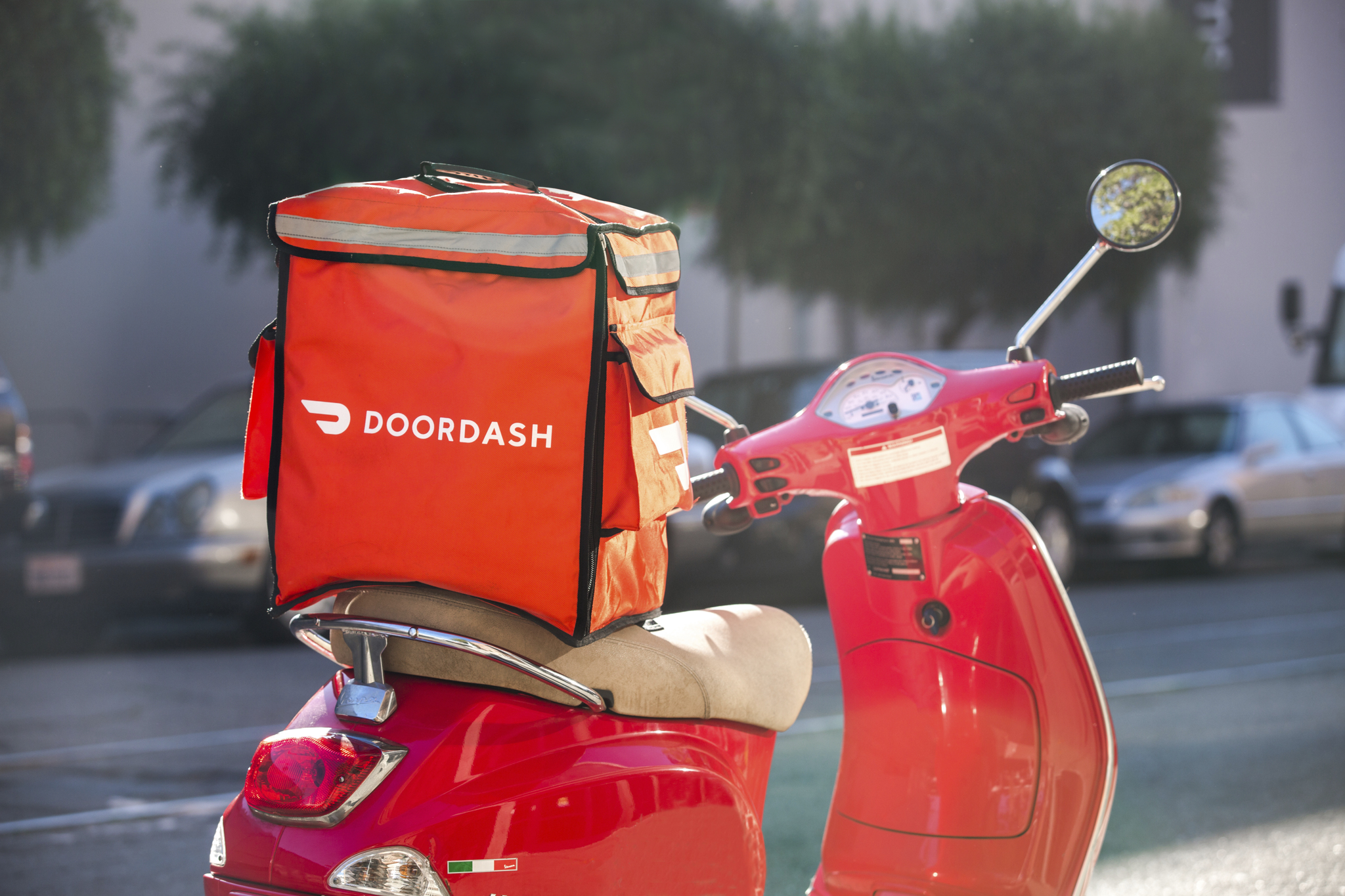
The digital landscape of on-demand services has been jolted by a striking incident involving a DoorDash driver who allegedly utilized artificial intelligence to fabricate proof of a food delivery. This development underscores an emerging frontier in digital fraud, challenging the integrity of systems built on trust and visual verification, and forcing platforms to confront the sophisticated misuse of rapidly advancing AI technologies. The incident, which quickly garnered widespread attention across social media, highlights the increasing difficulty in distinguishing between authentic and synthetically generated content, posing significant questions for the future of the gig economy and online interactions.
The saga began with Austin resident Byrne Hobart, who publicly shared his bewildering experience on X, formerly Twitter, in late December 2025. According to Hobart, a DoorDash driver accepted his order, promptly marked it as delivered, and then submitted an image that appeared to be an AI-generated photograph. This image depicted a DoorDash order seemingly placed at his front door, yet upon inspection, exhibited tell-tale signs of artificial creation, leading Hobart to believe it was a deepfake designed to deceive the platform and the customer. The viral nature of his post quickly brought the incident into the spotlight, sparking discussions about the implications of such sophisticated deception.
Unraveling the Digital Deception
Hobart’s initial post detailed the peculiar sequence of events: a driver accepting an assignment, immediately confirming delivery, and then presenting a visually suspect image. The photograph in question, as described by Hobart, showed characteristics commonly associated with AI-generated imagery, such as subtle distortions or inconsistencies that betray its synthetic origin. While acknowledging the ease with which such a story could be fabricated, Hobart’s account gained further credibility when another user, also based in Austin, reported an identical experience involving a driver with the same display name. This corroboration suggested a pattern of fraudulent activity rather than an isolated anomaly or a misinterpretation.
Speculation regarding the driver’s method quickly emerged. Hobart theorized that the perpetrator might have leveraged a compromised DoorDash account, possibly accessed via a "jailbroken" smartphone — a device modified to bypass manufacturer restrictions and run unauthorized software. This setup could potentially grant access to platform features in unintended ways, or facilitate the use of third-party tools. Furthermore, Hobart suggested the driver might have obtained a prior image of his front door through DoorDash’s own delivery photo archives, which are sometimes used to ensure accurate drop-offs. Such an image could then serve as a crucial reference point for an AI model to generate a convincing, albeit fake, delivery scene. This intricate hypothesis painted a picture of a calculated and technologically savvy attempt at fraud, moving beyond simple non-delivery to active digital manipulation.
DoorDash’s Response and Platform Integrity
In the wake of the viral report, DoorDash swiftly confirmed its investigation and response. A spokesperson for the company stated that the Dasher’s (DoorDash driver’s) account was "permanently removed" following a rapid inquiry into the incident. The company also ensured that the affected customer was "made whole," typically meaning a full refund or re-delivery of the order. DoorDash emphasized its "zero tolerance for fraud" and reiterated its commitment to maintaining platform integrity through a combination of technological safeguards and human oversight. This blend of automated detection and manual review is critical in combating evolving fraudulent tactics, particularly those involving advanced AI.
The platform’s quick action reflects the gravity of such incidents for trust-based services. In the competitive landscape of the gig economy, customer confidence is paramount. Any perceived vulnerability to fraud, especially involving advanced technologies, can erode that trust, leading to customer churn and reputational damage. The incident serves as a stark reminder that as digital tools become more powerful and accessible, so too does the potential for their malicious application, necessitating continuous adaptation and vigilance from platform providers.
The Proliferation of Synthetic Media and Fraud
The incident with the DoorDash driver is not merely a tale of a single fraudulent act; it is a microcosm of a larger, evolving challenge presented by the proliferation of synthetic media. Artificial intelligence, particularly generative AI models like DALL-E, Midjourney, and Stable Diffusion, has made it remarkably easy for individuals to create photorealistic images, videos, and audio clips from simple text prompts. While these tools hold immense creative potential, they also open new avenues for deception and fraud.
Historically, fraud in the gig economy often involved simpler tactics: drivers marking items as delivered without actually completing the drop-off, GPS spoofing to falsely claim proximity to a delivery location, or creating multiple fake accounts to exploit new-user promotions. However, the use of AI-generated imagery represents a qualitative leap. It moves beyond simply lying about an action to actively fabricating evidence of it. This new dimension complicates fraud detection, as platforms must now contend not just with false claims, but with seemingly credible, yet entirely artificial, visual proof.
The timeline of AI’s advancement highlights this shift. While rudimentary image manipulation tools have existed for decades, the advent of sophisticated generative adversarial networks (GANs) and diffusion models in the mid-to-late 2010s dramatically lowered the barrier to entry for creating highly convincing synthetic media. What once required specialized skills and expensive software can now be achieved by anyone with an internet connection and a basic understanding of AI prompts. This democratization of AI creation tools inherently democratizes their potential for misuse, impacting everything from political disinformation to, as seen here, routine transactional fraud.
Impact on the Gig Economy Ecosystem
The implications of AI-driven fraud extend far beyond individual transactions, rippling through the entire gig economy ecosystem.
- Erosion of Customer Trust: For consumers, the ability of a driver to fake a delivery with a convincing AI image shakes the fundamental trust in the service. Customers rely on the assurance that their orders will arrive as promised and that the proof of delivery is genuine. When this trust is broken, it can lead to increased anxiety, reluctance to use the service, and a preference for traditional alternatives or platforms perceived as more secure.
- Challenges for Platforms: For companies like DoorDash, Uber Eats, and Grubhub, AI fraud presents a complex operational and reputational challenge. They must invest heavily in advanced detection systems, which often means developing their own AI tools to identify synthetic content. This creates an "arms race" where fraudsters continuously innovate, and platforms must constantly upgrade their defenses. The cost of this technological escalation can be substantial, impacting profitability and potentially leading to increased service fees for customers or reduced earnings for drivers.
- Impact on Honest Drivers: The vast majority of gig workers are honest and hardworking. However, incidents of fraud, especially those garnering public attention, can cast a shadow over the entire driver community. Platforms might implement stricter verification protocols, which could inadvertently make the delivery process more cumbersome for legitimate drivers, leading to frustration and potential turnover in a workforce already grappling with issues of compensation and working conditions.
- Economic Pressures and Incentives: While fraud is unequivocally wrong, it is also important to consider the broader economic context. Many gig workers operate under significant financial pressure, often facing unpredictable income, rising fuel costs, and the need to complete a certain number of deliveries to meet earnings targets or qualify for bonuses. While these pressures do not justify fraudulent behavior, they can, for a small minority, create an environment where cutting corners or resorting to illicit means might seem like a desperate solution. This highlights a need for platforms to continually evaluate their pay structures and support systems for drivers.
The Technological Arms Race: AI vs. AI
The incident exemplifies a burgeoning technological arms race where AI is used both to commit fraud and to combat it. Just as generative AI can create fake images, sophisticated AI and machine learning algorithms are being developed to detect them. These detection systems analyze images for subtle anomalies, inconsistent lighting, unusual pixel patterns, or statistical fingerprints that differentiate AI-generated content from real photographs.
However, this detection is a continuous challenge. As AI generation models become more advanced, their outputs become increasingly indistinguishable from reality, making the job of detection AI harder. This requires platforms to continually update and refine their detection models, often leveraging cutting-edge research in computer vision and deep learning. Furthermore, relying solely on AI for detection carries its own risks, including false positives that could unfairly penalize legitimate users or false negatives that allow fraud to slip through. Therefore, the human element — experienced fraud analysts reviewing suspicious cases — remains an indispensable part of a robust security strategy.
Looking Ahead: Securing the Digital Frontier
The DoorDash AI fraud case serves as a critical wake-up call for the entire digital ecosystem. As AI becomes more ubiquitous, similar instances of deception are likely to emerge in various sectors, from online marketplaces to financial services and social media. Companies will need to prioritize investments in advanced AI detection technologies, forensic analysis tools, and robust identity verification systems.
Future measures might include:
- Enhanced Image Analysis: More sophisticated AI algorithms specifically trained to identify synthetic media characteristics, not just general image anomalies.
- Multi-Factor Verification: Moving beyond single photo verification to potentially incorporating short video clips, geotagging, or even biometric verification in certain high-risk scenarios, though this raises privacy concerns.
- Cross-Platform Intelligence Sharing: Industry-wide collaboration to share insights and patterns of AI-driven fraud, creating a collective defense mechanism.
- User Education: Informing customers and drivers about the risks and indicators of AI fraud, empowering them to act as an additional layer of defense.
- Ethical AI Development: Encouraging developers of generative AI to build in safeguards or watermarking features that make it easier to identify synthetic content.
The incident underscores a fundamental shift in the nature of digital trust. In an era where "seeing is believing" is increasingly challenged by synthetic realities, platforms must innovate not just in service delivery, but in safeguarding the authenticity of their interactions. The battle against AI-driven fraud is a complex, ongoing endeavor that will require continuous technological advancement, strategic vigilance, and a renewed commitment to transparency and integrity in the digital realm.